When you want to install something strong like a shelf, deck, or heavy bracket, you often need a lag bolt. These are thick, heavy-duty screws designed to hold a lot of weight. But if you just grab a drill and start making holes, the bolt might not fit right. The bolt could split the wood, or it may not grip well. To avoid this, you must use the correct drill bit size for your bolt—especially for the common 1/4 lag bolt. If you’re new to this, or even if you’ve done it before but aren’t sure about the details, getting this step right is the difference between a strong, safe hold and a weak, wobbly job.
Many people are surprised to learn there’s not just one answer for every situation. The right drill bit size depends on the type of wood, whether you want to use a pilot hole, and what you’re attaching. Using the wrong size can cause real problems: splitting the wood, a bolt that slips, or a connection that isn’t as strong as it looks. In this guide, you’ll learn exactly what size drill bit to use for a 1/4 lag bolt, why it matters, and how to get a perfect fit every time.
Understanding Lag Bolts And Pilot Holes
Before choosing a drill bit, it’s important to understand what a lag bolt is and why a pilot hole matters. A lag bolt, sometimes called a lag screw, is a big, thick screw with a hex head. These are used for jobs where regular screws just aren’t strong enough, like building decks, installing heavy beams, or anchoring large furniture.
A pilot hole is a small hole you drill before driving in the lag bolt. The pilot hole guides the bolt and prevents the wood from splitting. It also makes it easier to screw in the bolt, especially if you’re working with hard or dense wood. Without a pilot hole, the lag bolt can crack the wood or be much harder to install.
There are two types of pilot holes for lag bolts:
- Shank hole: This is the same size as the unthreaded part (shank) of the bolt. It lets the bolt slide through the top piece of wood.
- Thread hole: This is a little smaller, just enough for the threads to bite into the wood below and hold tight.
Knowing the difference helps you understand why drill bit size matters. You’ll often need to make two different holes if you’re joining two boards: one for the shank and a smaller one for the threads.
What Size Drill Bit For 1/4 Lag Bolt? (the Short Answer)
For a standard 1/4 lag bolt, most experts recommend a 3/16-inch drill bit for the pilot hole. This size gives the threads enough wood to bite into, but not so much that the bolt is hard to drive in.
- 1/4 lag bolt: Use a 3/16-inch pilot hole.
This is the general rule for most softwoods (like pine or cedar). If you’re working with hardwood (like oak or maple), you might want to go a little bigger—up to a 7/32-inch drill bit—because hardwood is less likely to split and the bolt will still hold strong.
But that’s not the whole story. There are a few more things to think about before drilling.

Credit: handtoolessentials.com
Why Drill Bit Size Matters
Choosing the right drill bit size for your lag bolt is not just a random step. It affects:
- Grip strength: Too small a hole, and the bolt might split the wood. Too big, and it won’t grip tightly.
- Ease of installation: The right hole makes driving the lag bolt easier, reducing effort and the chance of damaging your tools.
- Structural safety: A bad fit could mean your heavy shelf or deck isn’t as safe as it should be.
Let’s look at what happens with the wrong drill bit size:
- Hole too small: Wood can split, or the bolt gets stuck halfway.
- Hole too large: The bolt spins in the hole and doesn’t hold.
This is why the 3/16-inch drill bit is the “sweet spot” for a 1/4 lag bolt in most cases. But let’s see what else affects your choice.
Factors That Affect Drill Bit Size Choice
Not every project is the same. Here are the main things that might change the best drill bit size for a 1/4 lag bolt:
1. Type Of Wood
Softwoods (like pine, cedar, spruce): These are less dense, so you can use the standard 3/16-inch bit for your pilot hole.
Hardwoods (like oak, maple, walnut): These are denser and less likely to split. You can use a slightly larger bit (7/32-inch) to make driving the bolt easier.
2. Length Of Lag Bolt
Longer bolts can put more stress on the wood. Sometimes, for especially long bolts, you might go up one drill bit size to make driving the bolt easier and prevent splitting.
3. Application (what Are You Attaching?)
If you’re joining two pieces of wood, you might need two drill bits: one for the shank hole in the top piece (same size as the bolt’s smooth part), and one for the thread hole in the bottom piece (slightly smaller).
4. Pilot Hole Or No Pilot Hole
Some very soft woods or engineered woods (like MDF) can take a lag bolt with no pilot hole, but this is risky. Most of the time, using a pilot hole is safer and gives better results.
5. Bolt Material
Most lag bolts are steel, but some are stainless or even brass. If you’re using a softer or harder bolt material, it may affect how easily the bolt goes in, but not usually the hole size.
How To Measure Drill Bit And Lag Bolt Sizes
If you’re not sure what drill bit to use, measure your lag bolt and the available drill bits. Here’s a simple way:
- Hold the drill bit up to the lag bolt. The drill bit should be about the same size as the bolt’s core (not including the threads), so you can still see the threads sticking out on both sides.
- If you see only the drill bit, it’s too big. If you see a lot of thread, it’s too small.
- For a 1/4 lag bolt, the core (the part inside the threads) is about 3/16-inch.
You can also look at the numbers stamped on your drill bits and bolts, but sometimes these are worn off or hard to read.
When To Use A Larger Or Smaller Drill Bit
Sometimes you might need to use a drill bit that’s a bit larger or smaller than 3/16-inch:
- Use a larger bit (up to 7/32-inch) if:
- You’re working with hardwood
- The bolt is very long
- You’ve had problems with wood splitting before
- Use a smaller bit (down to 5/32-inch) if:
- The wood is very soft
- You want an extra-tight fit (but be careful, splitting risk increases)
It’s always better to start a little small and test with a scrap piece of wood before drilling the final hole.

Credit: monsterbolts.com
Step-by-step: How To Drill For A 1/4 Lag Bolt
Here’s a simple, proven process that gives strong results:
- Mark the spot: Use a pencil or awl to mark where the lag bolt will go.
- Pick your drill bit: For most 1/4 lag bolts, choose a 3/16-inch bit.
- Drill the pilot hole: Drill straight in, keeping the bit as straight as possible.
- Check the depth: Drill at least as deep as the bolt is long. Some people put a piece of tape on the drill bit as a depth guide.
- Clean the hole: Blow out any dust or chips from the hole.
- Drive the lag bolt: Use a wrench or socket to drive the lag bolt in. If it’s hard to turn, back it out and try again, or use a slightly larger drill bit.
If you’re joining two pieces of wood, drill a shank hole (1/4-inch) through the top piece, and a 3/16-inch pilot hole in the bottom piece.
Comparison Of Drill Bit Sizes For 1/4 Lag Bolt
Here’s a quick look at the most common drill bit sizes used for 1/4 lag bolts and when to use them:
| Drill Bit Size | When to Use | Result |
|---|---|---|
| 5/32 inch | Very soft woods, extra tight fit | Maximum grip, higher split risk |
| 3/16 inch | Standard for most softwoods | Good grip, low split risk |
| 7/32 inch | Hardwoods or long bolts | Easy to drive, slightly less grip |
| 1/4 inch | Shank hole in top board only | Lets bolt slide through top piece |
Real-life Example: Building A Deck
Let’s say you’re building a deck and want to attach a 2×4 to a 4×4 post using a 1/4 lag bolt. Here’s how you’d do it:
- Drill a 1/4-inch hole through the 2×4 (the thinner, top board). This is the shank hole.
- Drill a 3/16-inch hole into the 4×4 (the thicker, bottom board). This is the pilot hole for the threads.
- Insert the lag bolt through the 2×4 and screw it into the 4×4.
This method gives a tight, strong connection that won’t split the wood or loosen over time.
Common Mistakes To Avoid
Even experienced builders sometimes make mistakes with lag bolts and pilot holes. Here are some you can avoid:
- Skipping the pilot hole: This is the most common error. It can split the wood or make the bolt very hard to install.
- Using the wrong size drill bit: Too small causes splitting, too big means a weak grip.
- Drilling too shallow: The bolt won’t go all the way in, or you might have to force it.
- Not cleaning the hole: Sawdust can pack inside and stop the bolt from going in smoothly.
- Wrong hole in the top board: If you don’t use a shank hole, the boards might not pull together tightly.
These small details can make a big difference in your finished project.
Special Cases: Metal, Concrete, And Other Materials
Most of this guide focuses on wood. But what if you’re attaching to metal, concrete, or other materials?
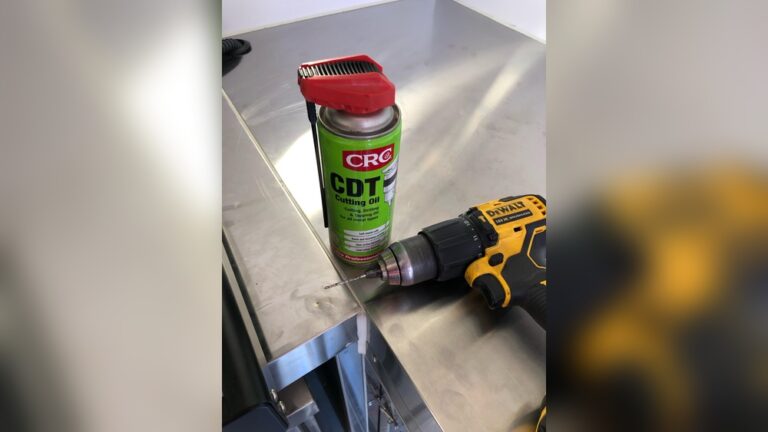
- For metal, you need a pilot hole the same size as the bolt core. Use a metal drill bit and a little oil to keep the bit cool.
- For concrete or masonry, lag bolts often use a special anchor or shield. The drill bit size will be listed on the anchor packaging. Always follow the anchor instructions.
- For plastic or composite lumber, stick with the same rules as wood, but test on a scrap piece first.
Using Washers With Lag Bolts
Washers are often used with lag bolts to spread the load and prevent the bolt head from sinking into the wood. Use a washer that matches the size of your bolt (for a 1/4 lag bolt, use a 1/4-inch washer).
This small part can make your project last longer and look better.

Credit: monsterbolts.com
Drill Bit Materials And Types
Not all drill bits are the same. For wood, high-speed steel (HSS) bits work well. For hardwood or metal, a titanium-coated or carbide bit may last longer. Sharp bits make cleaner holes and reduce the chance of splitting.
- Twist bits: Good for most wood and general use.
- Brad-point bits: Make very clean holes in wood, great for furniture and visible work.
- Spade bits: Fast for large holes, but can be rough.
Choosing the right drill bit type helps you get a clean, accurate pilot hole.
Data: Lag Bolt Sizes And Recommended Drill Bits
To help you in the future, here’s a quick reference for other common lag bolt sizes:
| Lag Bolt Size | Recommended Pilot Hole (Softwood) | Recommended Pilot Hole (Hardwood) |
|---|---|---|
| 1/4 inch | 3/16 inch | 7/32 inch |
| 5/16 inch | 7/32 inch | 1/4 inch |
| 3/8 inch | 9/32 inch | 5/16 inch |
| 1/2 inch | 3/8 inch | 13/32 inch |
This chart makes it easy to select the right drill bit size for any common lag bolt.
Expert Tips For Perfect Lag Bolt Installations
Here are some helpful tips that many beginners miss:
- Use a lubricant: Rubbing a little soap or wax on the lag bolt threads makes driving them in much easier and reduces the chance of the wood splitting.
- Pre-fit with a scrap: Always test your drill bit and bolt on a scrap piece of the same wood before drilling your final project. This helps avoid surprises.
- Tighten by hand: Start the lag bolt by hand to make sure it’s going straight before using a wrench or impact driver.
- Check alignment: For strong joints, keep your holes straight and aligned with the bolt.
- Don’t over-tighten: Once the bolt is snug and the washer is flush, stop tightening. Over-tightening can strip the wood.
Frequently Asked Questions
What If I Don’t Have A 3/16-inch Drill Bit?
If you don’t have the exact drill bit size, you can use the closest size you have. Going one size up (7/32-inch) is usually safe, especially for hardwood. Going one size down (5/32-inch) is OK for softwoods, but be careful about splitting.
Always test on a scrap piece first.
Can I Use A Regular Screw Instead Of A Lag Bolt?
Regular wood screws are not as strong as lag bolts. For heavy loads, decks, or anything structural, you should use a lag bolt. Lag bolts have thicker shafts and deeper threads, which means better holding power.
Do I Always Need To Use A Washer With A Lag Bolt?
You don’t always need a washer, but it’s a good idea. A washer spreads out the load under the bolt head, protecting the wood and helping the bolt stay tight. For most structural work, always use a washer.
What Happens If My Pilot Hole Is Too Big?
If your pilot hole is too large, the lag bolt threads won’t bite into the wood as well. This can make the connection weak and may even let the bolt spin without tightening. If this happens, you may need to move the bolt to a new spot or use a larger lag bolt.
Where Can I Find Official Recommendations For Lag Bolt And Pilot Hole Sizes?
For official guidelines and more details, you can check resources like the Wood Magazine Guide. They provide charts and expert advice on pilot holes, lag bolts, and woodworking best practices.
Choosing the right drill bit size for your 1/4 lag bolt is a simple but important step. Take a minute to measure, plan, and test your setup, and you’ll get a strong, lasting connection every time. The few extra minutes spent picking the right bit and drilling carefully will save hours of trouble—and keep your projects safe and solid for years to come.