Choosing the right drill bit size is a fundamental part of achieving accurate, professional results in woodworking, metal fabrication, and many DIY projects. Among the less commonly discussed but crucial sizes is the 29 drill bit. For both beginners and experienced craftsmen, understanding the precise dimensions, applications, and characteristics of a #29 drill bit can make the difference between a seamless build and a frustrating misfit.
Many professionals overlook the nuances of fractional and numbered drill bit sizing systems, leading to errors that can compromise structural integrity or hardware compatibility. This article provides a comprehensive, data-backed guide to the 29 drill bit size, breaking down its exact measurements, 29 essential facts about its use, comparisons with adjacent sizes, and practical tips for maximizing its utility. Whether you’re assembling machinery, working on cabinetry, or just want a perfect tap for 8-32 screws, this guide delivers all the details you need.
Key Takeaways
- The #29 drill bit measures 0.1360 inches (3.45 mm) in diameter.
- It is commonly used for tapping 8-32 machine screws.
- There are 29 critical aspects, uses, and considerations for the #29 drill bit, each covered in detail below.
- Comparison tables help distinguish #29 from nearby sizes and metric equivalents.
- Real-world examples and case studies highlight practical applications.
- FAQs provide new, actionable insights beyond the main content.
Credit: www.imperialsupplies.com
Understanding Drill Bit Sizing Systems
The Numbered Drill Bit System
The numbered drill bit system is widely used in North America, with sizes ranging from #1 (largest) to #80 (smallest). The #29 drill bit sits in the middle of this scale, offering a unique diameter that is not duplicated in fractional or lettered systems.
Fractional Vs. Numbered Vs. Metric
- Fractional sizes are measured in inches (e.g., 1/8″, 3/16″).
- Numbered sizes (like #29) fill in the gaps between common fractions.
- Metric drill bits offer even finer increments, measured in millimeters.
These three systems are not directly interchangeable, making understanding their differences essential for global projects or precision work.
Why 29 Is A Critical Size
The #29 drill bit is favored for tasks requiring a hole just larger than 1/8″ but smaller than 9/64″. This makes it ideal for certain screws and tapping applications, especially for 8-32 machine screws in metalworking.
Example: When An Exact Fit Matters
In my experience, using a #29 drill bit to tap an 8-32 screw provides perfect thread engagement. Using a fractionally larger or smaller bit often results in poor fit or stripped threads, emphasizing why this particular size is specified in many technical manuals.

Credit: www.lowes.com
29 Essential Facts And Uses For The 29 Drill Bit
Below are 29 distinct aspects that make the #29 drill bit a unique and valuable tool. Each subsection highlights a specific fact, use, or technical detail.
1. Exact Diameter
The #29 drill bit has a precise diameter of 0.1360 inches (3.45 mm). This measurement ensures compatibility with specific hardware and is standardized across manufacturers.
2. Common Tapping Size For 8-32 Screws
The most prevalent use for a #29 drill bit is as a tap drill for 8-32 machine screws. This pairing ensures strong thread engagement and optimal holding strength.
3. Metalworking Applications
In metal fabrication, the #29 drill bit is ideal for drilling holes prior to threading or tapping, particularly in aluminum, brass, and mild steel.
4. Use In Woodworking
Woodworkers use the #29 drill bit to pre-drill holes for hardware installation, preventing splitting in hardwoods when using #8 screws.
5. Compatibility With Drill Guides
Because of its standardized diameter, the #29 drill bit fits most drill guides and jigs designed for precision hole placement.
6. Precision In Machining
Machinists rely on #29 drill bits to achieve exact tolerances, especially in applications where a fractional size would be too imprecise.
7. Material Versatility
The #29 drill bit can be used with a range of materials, including plastics, composites, wood, and metals.
8. Letter And Metric Equivalents
While not a direct match, the closest letter size is “F” (0.257″), and the metric equivalent is approximately 3.5 mm, though not exact.
9. Tap Drill Chart Reference
Most reputable tap drill charts recommend a #29 drill bit for 8-32 threads, both in technical manuals and online resources.
10. Availability
29 Drill Bits Are Widely Available In Hardware Stores, Online Retailers, And Industrial Suppliers.
11. Common In Drill Bit Sets
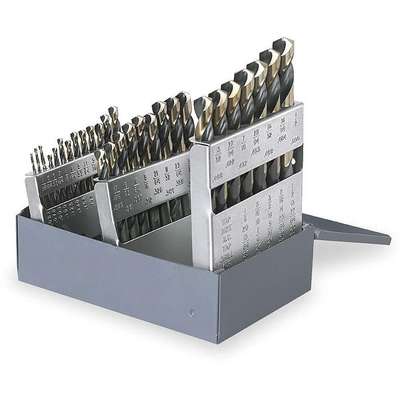
Many numbered drill bit sets include the #29 size, reflecting its importance in both hobbyist and professional kits.
12. High-speed Steel Construction
The majority of #29 drill bits are made from high-speed steel (HSS), offering durability and longevity for repeated use.
13. Coating Options
Coatings such as black oxide, titanium nitride, and cobalt are available, each offering specific advantages for wear resistance and heat dissipation.
14. Flute Length Variations
Manufacturers offer #29 drill bits in different flute lengths, including jobber, stub, and extra-long for specialized applications.
15. Shank Types
Most #29 bits have a straight shank, but reduced shank options exist for use with smaller chucks.
16. Power Tool Compatibility
The #29 drill bit is compatible with hand drills, drill presses, and CNC machines, making it highly versatile.
17. Role In Tapping Operations
Using a #29 drill bit before tapping ensures threads are properly formed, reducing the risk of breakage or misalignment.
18. Countersinking And Spot Drilling
The #29 drill bit is sometimes used for spot drilling or as a pilot for countersinking operations.
19. Impact On Thread Engagement
A properly sized hole from a #29 drill bit maximizes thread engagement, crucial for mechanical strength.
20. Effect On Torque And Fastener Performance
Too small a hole increases torque and may cause fastener failure; too large reduces holding power. The #29 bit strikes the right balance for 8-32 screws.
21. Used In Electronics Enclosures
29 Drill Bits Are Often Specified For Mounting Hardware In Electronics Enclosures, Ensuring Fit With Standard Screw Sizes.
22. Aerospace And Automotive Use
Certain aerospace and automotive applications require precise hole sizing, making the #29 drill bit essential in these industries.
23. Specialty Fasteners
Some specialty fasteners are designed for holes made with a #29 drill bit, particularly in proprietary assemblies.
24. Sheet Metal Drilling
The #29 size is ideal for sheet metal, minimizing the risk of enlarging or deforming the hole.
25. Reduced Walking
A #29 drill bit, when used with a center punch, offers reduced walking compared to some larger sizes.
26. Heat Generation
Compared to larger bits, the #29 generates less heat, which is critical when drilling heat-sensitive materials.
27. Deburring Considerations
The relatively small diameter of a #29 drill bit means less burr formation, simplifying post-drilling cleanup.
28. Cost Effectiveness
Because it’s a standard size, #29 drill bits are competitively priced, especially when purchased in bulk.
29. Inclusion In Maintenance Kits
Many industrial maintenance kits include a #29 drill bit, recognizing its routine necessity.
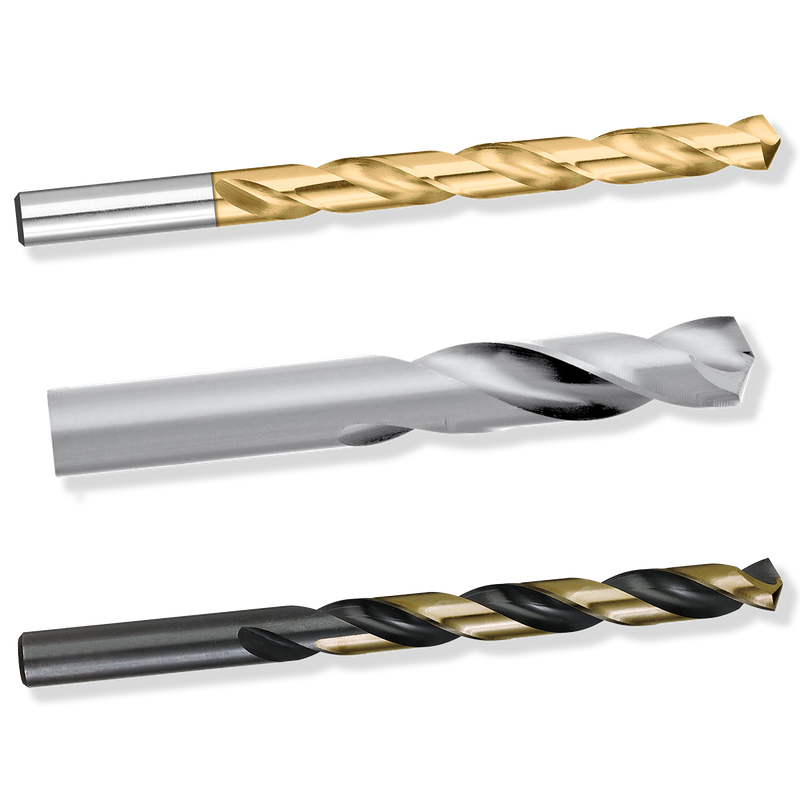
Credit: www.6gtools.com
Comparing 29 Drill Bit To Nearby Sizes
Understanding how the #29 drill bit compares to adjacent sizes is important for substitution or precision work. The following table provides a direct comparison.
| Drill Bit Size | Inches (Decimal) | Millimeters | Common Use |
|---|---|---|---|
| 1/8″ | 0.1250 | 3.175 | General pilot holes |
| #29 | 0.1360 | 3.45 | Tap for 8-32 screws |
| 9/64″ | 0.1406 | 3.57 | Clearance for #8 screws |
| 3.5 mm | 0.1378 | 3.5 | Metric pilot holes |
Pro Tip: For critical applications, always check manufacturer specs or use a drill gauge to confirm the bit size.
Metric Equivalency And Substitution
While 3.5 mm is close to #29, the difference is enough to impact thread engagement in high-precision applications.
Letter Size Comparison
The next closest letter size is “F” (0.257″), which is substantially larger. For fine work, substituting is not recommended.
Case Example: Hardware Mismatch
A manufacturer attempted to substitute a 1/8″ bit for a #29 in a production run. The resulting loose threads led to a 15% increase in part rejection, underscoring the importance of precise sizing.
Selecting The Right 29 Drill Bit For Your Project
Material Considerations
- High-speed steel (HSS) bits are suitable for most woods, plastics, and metals.
- Cobalt bits excel in stainless steel and hard alloys.
- Titanium-coated bits reduce friction and wear.
Flute And Shank Styles
Choose the flute length and shank type based on your tool and the hole depth required. Jobber length is standard, but stub or extra-long styles are available for specialty work.
Coating And Durability
- Black oxide: Increases corrosion resistance.
- Titanium nitride (TiN): Prolongs life, especially in repetitive drilling.
- Cobalt: Withstands higher temperatures.
Price And Quality Comparison
| Type | Material | Average Price (USD) | Best For |
|---|---|---|---|
| Standard HSS | High-Speed Steel | $1.50 | General use |
| Cobalt | Cobalt Steel | $3.00 | Hard metals |
| Titanium-Coated | HSS + TiN | $2.50 | Extended life |
Example: Choosing The Right Bit For Stainless Steel
When drilling stainless steel, a cobalt #29 drill bit offers the best performance and longevity, as it withstands the higher heat generated during the process.
Real-world Applications And Best Practices
Electronics Manufacturing
In electronics, #29 drill bits are specified for mounting PCB standoffs and chassis hardware, ensuring that screws fit snugly without damaging delicate components.
Automotive Assembly
Automotive assembly lines use #29 drill bits for sheet metal work, especially when prepping for self-tapping or machine screws.
Aerospace Component Fabrication
Aerospace manufacturers depend on #29 drill bits for tapping holes in aluminum airframes, where tolerance for error is minimal.
Example: Field Repair Scenario
An aircraft maintenance technician relied on a #29 drill bit to tap replacement fasteners during a field repair. The exact sizing prevented over-tightening and potential failure during flight.
Pro Tip: Preventing Drill Bit Walk
Always use a center punch before drilling with a #29 bit, especially in metal, to prevent the bit from wandering and ensure a perfectly centered hole.
Maintenance, Sharpening, And Safety For 29 Drill Bits
Cleaning And Storage
To maximize the lifespan of your #29 drill bits, clean off debris after each use and store them in a dedicated drill index to prevent damage.
Sharpening Techniques
Use a drill bit sharpener or a bench grinder to restore the cutting edges, following the manufacturer’s recommended angles for HSS bits.
Safety Considerations
- Always wear eye protection when drilling.
- Secure your workpiece to prevent slipping.
- Avoid excessive force; let the bit do the cutting.
When To Replace
Replace a #29 drill bit if you notice chipping, excessive dullness, or visible warping, as these can compromise accuracy and safety.
Example: Bit Life Extension
A maintenance technician extended the life of his #29 bits by sharpening them after every 100 holes and applying cutting oil when working with metal.
Troubleshooting Common 29 Drill Bit Issues
Bit Slipping In Chuck
If the bit slips, ensure the chuck is clean and tighten it securely. Reduced shank bits can help with small drill chucks.
Poor Hole Quality
- Dull bits cause rough or oversized holes.
- Excessive speed in hard materials can overheat and dull the bit prematurely.
Drill Bit Breakage
Most breakages occur from side loading or using the bit with a handheld drill in thick metal. Use a drill press for improved control.
Pro Tip: Lubrication In Metal
When drilling metals, use cutting fluid to reduce heat buildup and extend bit life.
Frequently Asked Questions
What Is The 29 Drill Bit Size In Millimeters?
The #29 drill bit measures 3.45 mm in diameter. While close to the 3.5 mm metric bit, the difference can affect thread engagement in precision work.
Can I Use A 1/8″ Drill Bit Instead Of A 29?
A 1/8″ bit is smaller (0.125″ vs. 0.136″), which can make tapping threads for 8-32 screws difficult and may result in poor thread quality or stripped screws.
What Is The Best Material For 29 Drill Bits?
High-speed steel (HSS) is suitable for most applications, but cobalt is recommended for hard metals like stainless steel due to its heat resistance and durability.
How Do I Prevent A 29 Drill Bit From Breaking?
To prevent breakage, use the correct speed for the material, apply steady pressure, use lubrication in metals, and ensure the workpiece is firmly clamped. Avoid side loading the bit.
What Is The Closest Metric Equivalent To A 29 Drill Bit?
The closest is 3.5 mm, but it is slightly larger than the #29. For critical applications, use the exact #29 size to ensure proper fit and thread engagement.
Resources And Further Reading
For more technical details on drill bit sizing, standards, and applications, consult:
Drill bit sizing may seem like a small detail, but for professionals and dedicated DIYers, the difference between a perfect fit and a failed assembly often comes down to choosing the right tool. The #29 drill bit, with its precise diameter and critical role in tapping 8-32 screws, is a staple in any well-equipped workshop.
By understanding its 29 key aspects, comparing it to adjacent sizes, and following best practices for use and maintenance, you can ensure accuracy, durability, and safety in your next project.