A core drill bit is a remarkable tool that has revolutionized construction, mining, renovation, and scientific research. Imagine needing to cut a perfectly cylindrical piece out of concrete, stone, or even a wall to install plumbing or electrical wiring, or to analyze the composition of the earth’s subsurface.
Traditional drill bits can’t achieve this level of precision or extract an intact sample, but a core drill bit can. From urban high-rises to remote geological sites, this specialized tool is at the heart of countless projects.
What makes core drill bits unique is not only their versatility in cutting through the hardest materials but also their ability to retrieve the core, a solid cylinder of the original material, for inspection or testing. This capability has made them indispensable for engineers, contractors, and researchers alike.
In this article, you’ll discover what a core drill bit is, how it works, the types available, and the key factors for selecting the right one for your next project.
Key Takeaways
- Core drill bits are specialized tools designed to cut cylindrical holes and extract core samples from hard materials.
- They are used across industries such as construction, mining, and geology for tasks requiring precision and sample collection.
- Core drill bits come in various types (diamond, carbide, wet, dry) and sizes, optimized for different materials and applications.
- Choosing the right core drill bit depends on the material, project requirements, and operational environment.
- Proper usage and maintenance are critical for safety, efficiency, and maximizing tool lifespan.
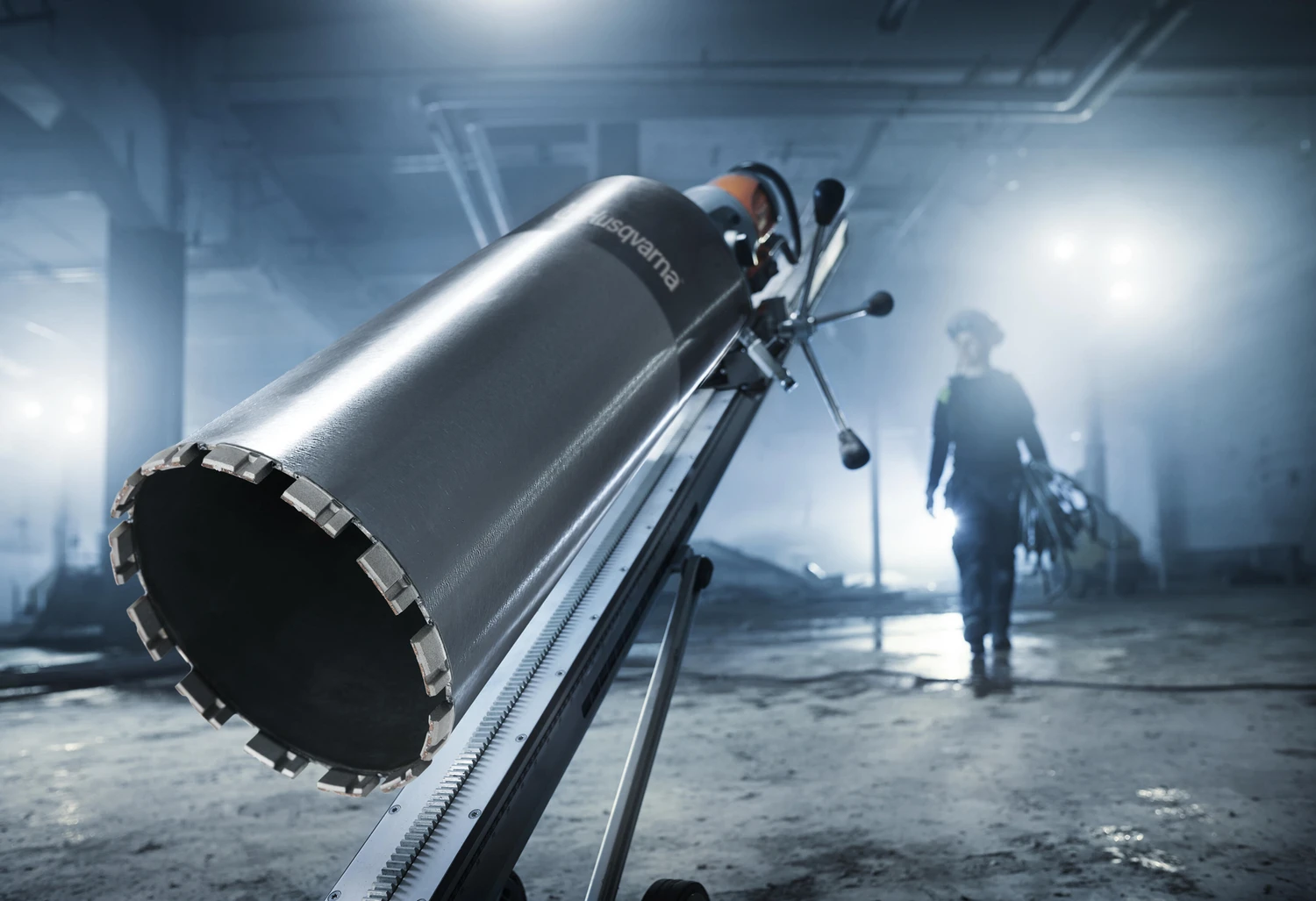
Credit: www.husqvarnaconstruction.com
What Is A Core Drill Bit?
A core drill bit is a hollow, cylindrical cutting tool designed to remove a core, a solid sample of material, as it penetrates a surface. Unlike standard drill bits, which pulverize and remove material as dust or chips, core drill bits slice out a perfectly shaped cylinder, leaving both the extracted core and a clean, round hole.
Core drill bits are typically attached to core drilling machines or power drills equipped with specialized chucks. These machines can be handheld for light-duty tasks or mounted on rigs for heavy-duty, high-precision jobs. The cutting edge of a core drill bit is often embedded with diamond segments or tungsten carbide teeth, materials chosen for their extreme hardness and durability.
How Core Drill Bits Work
The operation of a core drill bit hinges on its unique design. The hollow center allows the bit to cut around the perimeter of the hole, while the core remains intact inside the bit. This process is especially valuable when analyzing the composition of concrete, stone, or earth, as the extracted core provides a direct sample of the material.
During operation, the core drill bit rotates at high speed, and depending on the material, cooling fluids such as water may be used to reduce heat and prolong the life of the bit. The combination of rotation, downward pressure, and abrasive cutting edges enables the bit to penetrate even the toughest substrates.
Common Materials Drilled
Core drill bits are engineered to cut through a wide range of materials, including:
- Concrete (reinforced and non-reinforced)
- Masonry
- Stone
- Asphalt
- Ceramic tile
- Brick
- Metal (with specialized bits)
- Glass (with specialized bits)
- Wood (for large-diameter holes)
The Importance Of Core Extraction
The ability to extract a cylindrical core is essential in many industries. For example, in geology, core samples provide information about soil or rock composition at various depths. In construction, core drilling enables the installation of utilities without damaging the structural integrity of a building. In quality control, engineers analyze cores to assess the strength and consistency of materials.
Types Of Core Drill Bits
Core drill bits are not one-size-fits-all; they are designed for specific tasks, materials, and drilling conditions. Understanding the main types is crucial for selecting the right tool for your application.
Diamond Core Drill Bits
Diamond core drill bits are the most common and versatile type, widely used for drilling into hard materials such as concrete, stone, and asphalt. The cutting rim is embedded with industrial-grade diamonds, the hardest substance known, providing exceptional cutting ability and longevity.
Key Features:
- Available in both wet and dry versions.
- Produce precise, smooth holes with minimal chipping.
- Suitable for reinforced concrete (with embedded steel rebar).
- Used extensively in construction, mining, and laboratory testing.
Carbide-tipped Core Drill Bits
Carbide-tipped core drill bits use tungsten carbide segments on the cutting edge. They are ideal for drilling through masonry, brick, and softer concrete, but are less effective on very hard stone or reinforced concrete.
Key Features:
- Less expensive than diamond bits.
- Suitable for general construction and renovation work.
- Best for applications where extreme hardness is not required.
Wet Vs. Dry Core Drill Bits
Core drill bits are further classified by their cooling method:
- Wet core drill bits require water or a coolant to reduce heat and flush out debris. They last longer and drill faster but need water management.
- Dry core drill bits are used without water, often for smaller holes or when water cannot be used (e.g., inside buildings).
Specialized Core Drill Bits
Some core drill bits are designed for specialized tasks:
- Metal core bits (with bi-metal or carbide teeth) for pipe installation.
- Glass and tile core bits (with diamond or carbide grit) for delicate materials.
- Wood core bits (also called hole saws) for large-diameter holes in wood or soft materials.
Comparison Table: Core Drill Bit Types
| Type | Best For | Cutting Edge Material | Cooling Method | Typical Price Range |
|---|---|---|---|---|
| Diamond | Concrete, Stone, Asphalt | Diamond Segments | Wet/Dry | High |
| Carbide-Tipped | Masonry, Brick, Soft Concrete | Tungsten Carbide | Dry | Medium |
| Metal | Steel, Pipe, Sheet Metal | Carbide/Bi-Metal | Dry | Medium |
| Glass/Tile | Glass, Tile, Ceramics | Diamond/Carbide Grit | Wet | Medium |
| Wood (Hole Saw) | Wood, Plastics | Steel/Carbide | Dry | Low |
Core Drill Bit Design And Construction
The performance of a core drill bit is determined by its engineering, materials, and design features. Let’s examine what makes these tools so effective.
Anatomy Of A Core Drill Bit
A core drill bit consists of several key components:
- Cutting Edge: The rim embedded with diamond segments or carbide teeth.
- Barrel (Body): The hollow cylinder that supports the cutting edge and houses the extracted core.
- Shank: The end that attaches to the drill or drilling rig.
- Cooling Slots: Openings in the barrel to facilitate water flow and debris removal (primarily in wet bits).
Materials Used
Diamond segments are created by bonding synthetic diamonds with metal powder using a process called sintering. The diamonds provide unmatched hardness, while the metal matrix gradually wears away to expose new, sharp diamond particles.
Carbide tips are made from tungsten carbide, a compound nearly as hard as diamond but more affordable. Carbide is tough, wear-resistant, and ideal for less demanding jobs.
Size And Diameter Range
Core drill bits are available in a wide range of diameters, typically from 1/2 inch (13 mm) to over 60 inches (1.5 meters) for industrial applications. The length of the barrel can also vary, with standard sizes for common drilling depths.
Segment Bond Types
The bond that holds the cutting material affects performance:
- Soft bond: Wears quickly, exposing new cutting edges faster; best for hard materials.
- Medium bond: Balanced wear rate for general-purpose use.
- Hard bond: Wears slowly; used for softer, abrasive materials.
Example: Concrete Core Drilling
When drilling through reinforced concrete, a wet diamond core drill bit with a medium bond is typically used. Water cooling prevents overheating, reduces dust, and ensures a smoother cut. In my experience, using the correct bond type dramatically improves drilling speed and extends tool life, especially in challenging materials.
Applications Of Core Drill Bits
Core drill bits are essential across a spectrum of industries and trades. Their unique ability to create precise, clean holes and extract intact samples makes them invaluable for a variety of specialized tasks.
Construction And Renovation
- Utility Installation: Drilling holes for plumbing, electrical conduits, HVAC ducts, and anchor bolts.
- Retrofitting: Creating openings in existing structures for upgrades or repairs.
- Demolition: Controlled removal of material without damaging surrounding areas.
Mining And Geology
- Core Sampling: Extracting rock and soil cores to analyze mineral content, stratification, and structural integrity.
- Exploration: Determining the location and quantity of mineral deposits.
Scientific Research
- Environmental Studies: Taking core samples to measure pollution, soil composition, or water table levels.
- Paleontology and Archaeology: Extracting undisturbed samples for analysis.
Industrial Manufacturing
- Pipe Installation: Creating perfectly round holes in tanks, vessels, or machinery.
- Quality Control: Inspecting the internal structure of materials.
Real-world Example: Geotechnical Engineering
A geotechnical firm tasked with assessing ground conditions for a new bridge project used diamond core drill bits to extract deep soil and rock samples. These samples were analyzed in a lab for load-bearing capacity, moisture content, and mineral composition, providing critical data for the project’s design and safety.
Example: Urban Renovation
During the renovation of a historic building, contractors needed to route new electrical conduits through thick masonry walls. Using carbide-tipped core drill bits, they created precise holes without damaging the integrity or appearance of the structure, a process that would have been nearly impossible with standard drill bits.
How To Choose The Right Core Drill Bit
Selecting the correct core drill bit is a balance of understanding your material, project requirements, and equipment. Making the right choice ensures safety, efficiency, and the quality of the finished hole.
Assess The Material
- Concrete or Stone: Use a diamond core drill bit, choosing wet or dry based on jobsite conditions.
- Masonry or Brick: Carbide-tipped bits are often sufficient.
- Metal or Glass: Select specialized bits designed for these materials.
Determine Hole Size And Depth
Core drill bits come in a variety of diameters and lengths. For plumbing or HVAC installations, larger diameters may be necessary. For sampling, match the bit size to the required core diameter.
Consider Wet Vs. Dry Drilling
- Wet drilling is preferred for dust control, cooling, and extending bit life.
- Dry drilling is used where water is impractical or prohibited.
Match With Drilling Equipment
Ensure your drill or rig can accommodate the bit’s shank size and has sufficient power for the material and diameter.
Evaluate Bond Type
Choose the appropriate bond hardness based on the material’s abrasiveness and hardness.
Budget And Frequency Of Use
- Frequent or heavy-duty use: Invest in high-quality diamond bits.
- Occasional use: Carbide or lower-cost options may suffice.
Comparison Table: Wet Vs. Dry Core Drill Bits
| Feature | Wet Core Drill Bits | Dry Core Drill Bits |
|---|---|---|
| Cooling Method | Water/Coolant Required | No Coolant Required |
| Typical Applications | Concrete, Stone, Large Holes | Brick, Masonry, Small Holes |
| Drilling Speed | Faster | Slower |
| Bit Longevity | Longer | Shorter |
| Dust Control | Excellent | Poor |
| Complexity | Requires Water Management | Simple Setup |
Safe And Effective Use Of Core Drill Bits
Maximizing the performance and lifespan of a core drill bit requires proper technique, equipment setup, and safety precautions. Mistakes can lead to tool damage, project delays, or injuries.
Preparation And Setup
- Inspect the Bit and Equipment: Check for cracks, excessive wear, or loose segments.
- Secure the Material: Anchor the workpiece or drill rig to prevent movement.
- Mark the Hole Location: Use a template or pilot drill for accuracy.
- Choose the Correct Speed: Refer to manufacturer guidelines for optimal RPM.
Drilling Technique
- Start Slowly: Begin drilling at a low speed to prevent the bit from wandering.
- Apply Steady Pressure: Avoid excessive force, which can damage the bit or material.
- Use Cooling (if applicable): For wet drilling, ensure a constant flow of water to the cutting edge.
Removing The Core
Once the hole is complete, the core is typically removed from inside the barrel. For deep holes, a core lifter or core extraction tool may be used.
Maintenance And Storage
- Clean After Use: Remove debris and inspect for damage.
- Store Properly: Keep bits dry and protected from impacts.
- Sharpen or Replace: Dull diamond segments can often be re-sharpened by drilling into abrasive material, while carbide tips may need professional sharpening.
Warning:
Always wear personal protective equipment (PPE) such as safety glasses, gloves, hearing protection, and dust masks when core drilling. Follow local regulations regarding silica dust and hazardous materials.
Example: Safety Incident Prevention
A contractor skipped securing their core drilling rig, resulting in the bit binding and the machine shifting unexpectedly. This could have caused serious injury or structural damage. Proper anchoring and following safety procedures are non-negotiable for every project.
Maintenance, Troubleshooting, And Longevity
Caring for your core drill bits ensures they deliver consistent performance and value. Like any precision tool, core drill bits require regular maintenance and prompt troubleshooting when issues arise.
Routine Maintenance
- Clean thoroughly after each use, removing all slurry, dust, and debris.
- Lubricate moving parts of the bit or drill attachment as required.
- Check for damage: Inspect for cracks, missing segments, or deformed barrels.
Sharpening Diamond Bits
If a diamond bit slows down or overheats, it may be glazed, the bond is too hard and not exposing new diamonds. Sharpen by drilling into an abrasive material such as a concrete block or specialized dressing stone.
Troubleshooting Common Problems
- Slow Cutting: Could indicate a dull bit, incorrect speed, or wrong bond type.
- Excessive Heat: May result from insufficient cooling, dull segments, or too high RPM.
- Bit Jamming: Can be caused by reinforcing steel, debris buildup, or lack of lubrication.
Maximizing Lifespan
- Use the correct bit for the material.
- Avoid forced or off-angle drilling.
- Maintain steady, moderate pressure.
- Cool consistently during wet drilling.
When To Replace
Replace a core drill bit if:
- The cutting segments are worn down to the barrel.
- Cracks or severe damage are present.
- The bit no longer cuts efficiently, even after sharpening.
Real-world Case Studies: Core Drill Bits In Action
Examining real-world uses of core drill bits highlights their value and versatility.
Case Study 1: Infrastructure Upgrade In A Major City
A municipal contractor was tasked with installing new fiber-optic lines beneath a busy intersection. Using wet diamond core drill bits mounted on a heavy-duty rig, they drilled 8-inch holes through reinforced concrete and asphalt, minimizing disruption and ensuring clean, precise openings for conduit installation. The extracted cores were analyzed to confirm the composition and strength of the pavement.
Case Study 2: Geological Survey In Remote Terrain
A mining company conducted a geological survey to assess mineral resources in a remote area. Portable diamond core drill rigs were used to extract rock samples at various depths. The intact cores provided essential data on mineral layers, guiding exploration and reducing unnecessary excavation.
Case Study 3: Renovating A Historical Structure
During the restoration of a century-old courthouse, engineers needed to install new HVAC systems without damaging the ornate stonework. By selecting carbide-tipped core drill bits with precise diameters, they created the necessary openings while preserving the building’s structural and aesthetic integrity.
Comparing Core Drill Bits To Other Drilling Tools
Understanding the advantages of core drill bits compared to other options helps clarify when and why to use them.
Standard Twist Drill Bits
- Primarily remove material as chips or dust.
- Limited to small diameters and shallow depths.
- Cannot extract intact core samples.
Hole Saws
- Similar in appearance to core bits, but usually intended for wood or thin metal.
- Less robust for concrete or stone applications.
Percussion And Hammer Drills
- Break material by impact, not by cutting.
- Not suitable for core extraction or precise holes.
Comparison Table: Core Drill Bits Vs. Other Drill Bits
| Feature | Core Drill Bits | Twist Drill Bits | Hole Saws |
|---|---|---|---|
| Hole Diameter | 1/2″ to 60″+ | 1/16″ to 1″ | 3/4″ to 6″ |
| Core Extraction | Yes | No | No |
| Materials | Concrete, Stone, Metal, Glass | Metal, Wood, Plastic | Wood, Thin Metal, Plastic |
| Precision | High | Moderate | Moderate |
| Typical Use | Utility Install, Sampling, Construction | General Drilling | Large Holes in Soft Materials |
Innovations And Trends In Core Drill Bit Technology
The world of core drilling continues to evolve, with new materials, manufacturing techniques, and smart technologies enhancing performance.
Advanced Diamond Bonding
Manufacturers are developing proprietary diamond bonding techniques that optimize the release of new diamonds, improving cutting speed and durability. These advancements allow for customized bonds tailored to specific materials and jobsite conditions.
Smart Core Drilling Systems
Emerging core drilling systems feature integrated sensors that monitor drilling parameters such as speed, pressure, temperature, and vibration. This data helps operators optimize performance, reduce wear, and prevent accidents.
Eco-friendly Solutions
With growing concern for the environment, there’s a shift toward water recycling systems for wet drilling, reducing water waste and minimizing slurry disposal issues.
Example: Automated Core Sampling
Some mining and geological companies are implementing robotic core drilling rigs that can operate in hazardous or remote environments, increasing safety and efficiency. These systems can automatically log data and extract samples without direct human intervention.
Industry Resources
For more information on core drill bit technology and safety standards, visit the Wikipedia Core Drill page or consult organizations such as the Occupational Safety and Health Administration (OSHA).
Frequently Asked Questions
What Is The Difference Between A Core Drill Bit And A Hole Saw?
While both tools are cylindrical and used to create holes, core drill bits are designed for cutting through hard materials like concrete, stone, and masonry, and can extract intact core samples. Hole saws are typically used for wood, plastic, or thin metal and are not suitable for heavy-duty or sample extraction tasks.
Can Core Drill Bits Be Used With A Standard Hand Drill?
Some small-diameter core drill bits can be used with a powerful hand drill, but larger or diamond-tipped bits require specialized core drilling machines or rigs to handle the torque