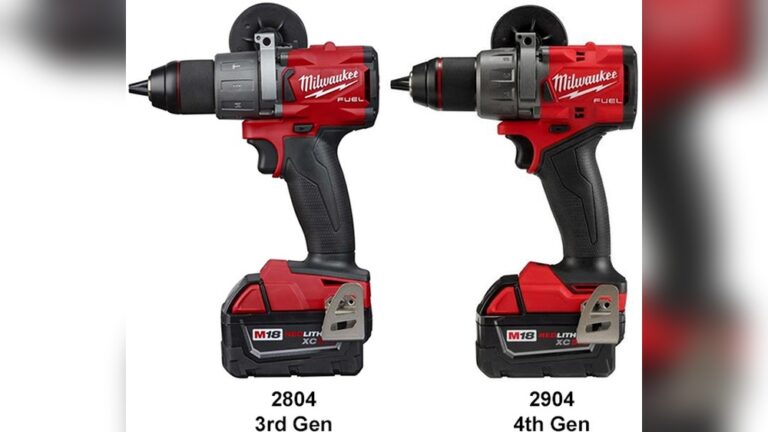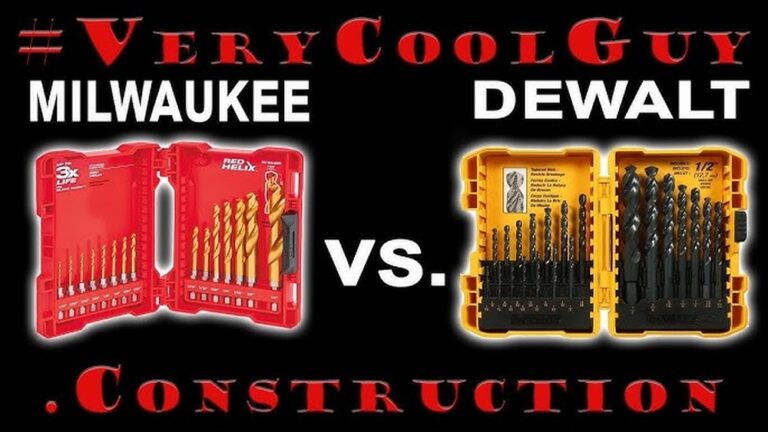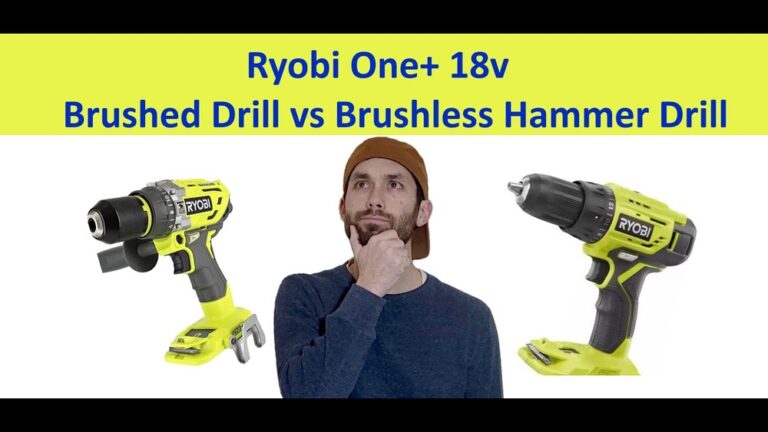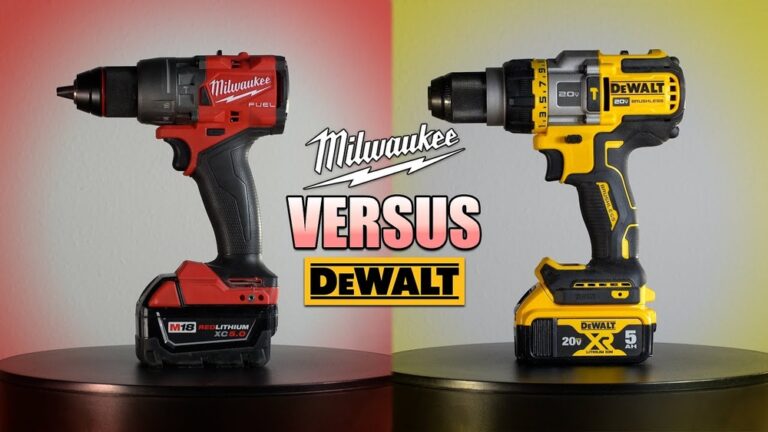
Choosing the right drill for your toolbox can feel confusing, especially when you see numbers like 12V and 18V. These numbers are not just technical details—they tell you a lot about power, weight, battery life, and what jobs you can do with each drill. Whether you are working on home repairs, building furniture, or tackling construction tasks, the voltage you choose makes a big difference. Let’s break down everything you need to know about 12V vs 18V drills so you can make the best choice for your needs.
What Does Drill Voltage Mean?
When you see 12V or 18V in a drill’s name, it means “volts.” This is the measurement of the electrical force from the battery. Higher voltage means more power. But it also means a heavier and larger tool.
- 12V drills are lighter and smaller. They are good for simple tasks.
- 18V drills are stronger and can handle harder jobs. But they are bigger and heavier.
Voltage affects how fast the drill spins, how much force it can produce, and how long the battery will last under heavy use. For most people, these numbers are the first clue to know which drill suits their work.
Key Differences: 12v Vs 18v Drill
Let’s look at what sets these two types apart:
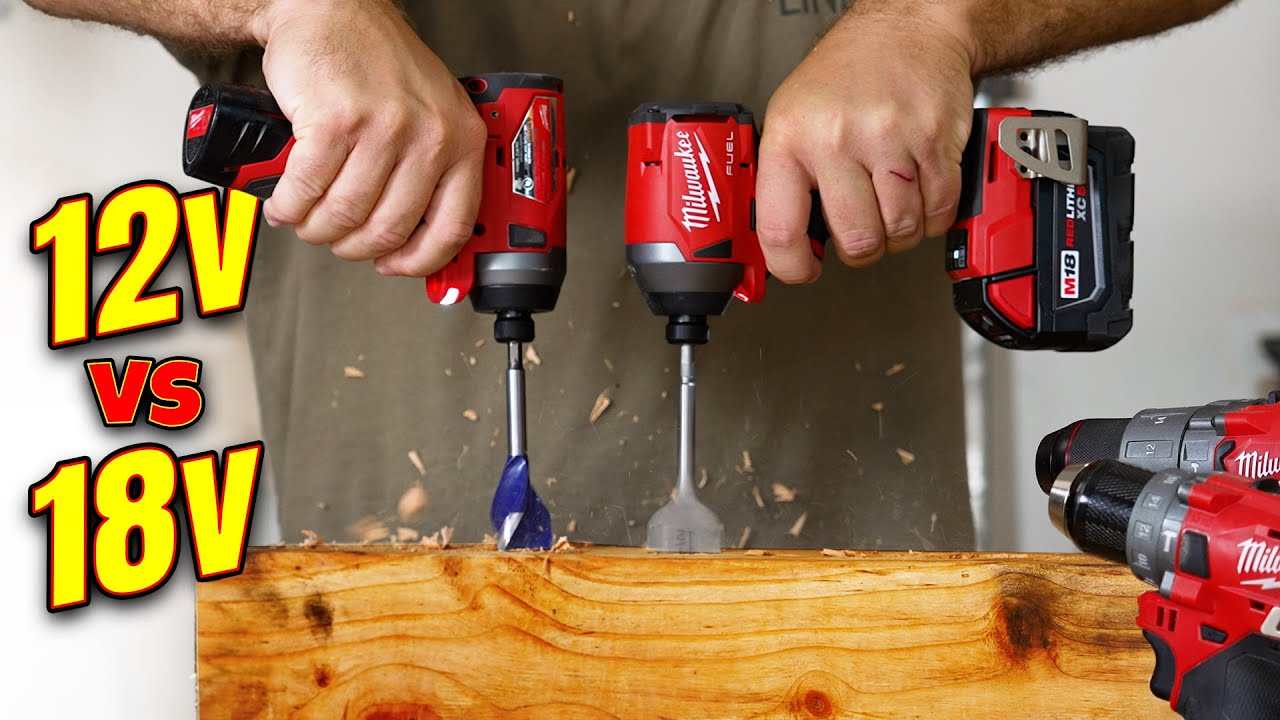
- Power: 18V drills have more power. They can drill into thick wood, metal, or masonry. 12V is good for light jobs, like assembling furniture or drilling into soft materials.
- Size and Weight: 12V drills are compact and easy to hold. 18V drills are bulkier, sometimes harder to hold for long periods.
- Battery Life: 18V batteries usually last longer, especially when doing tough jobs. But 12V batteries charge faster.
- Price: 12V drills are cheaper. 18V drills cost more, but give you more power and features.
- Features: Many 18V models have extra features—like hammer drilling, more speed settings, and stronger torque.
Here’s a comparison table showing the main differences:
| Feature | 12V Drill | 18V Drill |
|---|---|---|
| Power | Low to Medium | Medium to High |
| Weight | 1.5–2 lbs (0.7–0.9 kg) | 3–4 lbs (1.3–1.8 kg) |
| Battery Life | 1–2 hours | 2–4 hours |
| Typical Price | $40–$100 | $70–$200 |
| Common Uses | Light DIY, small repairs | Construction, heavy duty |
Credit: www.youtube.com
When To Choose A 12v Drill
If you are not a professional builder or you mostly do simple jobs, a 12V drill may be perfect. Here are some situations where a 12V drill shines:
- DIY Projects: Hanging shelves, assembling furniture, fixing doors.
- Electronics: Drilling into thin plastic or metal for gadgets.
- Compact Spaces: Working in tight areas where a big drill won’t fit.
- Light Repairs: Small holes in drywall, wood, or soft materials.
A 12V drill is easy to carry, fits most hands, and is great for beginners. It’s also quieter and less tiring to use. Many people who do home repairs prefer the lighter weight and simple controls.
Real World Example
Imagine you want to hang a curtain rod. A 12V drill will easily drill into drywall or wood. You don’t need extra power, and the light tool is easy to hold while standing on a ladder.
Common Mistakes With 12v Drills
- Trying to use them on tough materials like thick steel or concrete. The motor can overheat, or the battery drains fast.
- Using large drill bits—they may struggle and get stuck.
- Expecting them to last long on heavy-duty jobs. Battery will run out faster.
When To Choose An 18v Drill
18V drills are made for tougher tasks. If you need to build, renovate, or work with hard materials, this is your tool.
- Construction Projects: Building decks, framing, drilling into masonry.
- Heavy Duty Repairs: Large holes in wood or metal, removing screws from tough surfaces.
- Professional Use: Carpenters, electricians, plumbers rely on the extra power.
- Long Working Hours: Battery lasts longer; you can work for hours without stopping.
These drills are larger, but they can do more. They often have more speed settings and torque control, helping you do precise work.
Real World Example
If you want to install a fence outside, you may need to drill into thick wood or even concrete. An 18V drill will handle this easily, saving you time and effort.
Common Mistakes With 18v Drills
- Using them for small jobs—weight and size make them tiring to hold for quick fixes.
- Not adjusting the torque settings—can damage screws or materials.
- Ignoring battery maintenance. Powerful batteries need proper care, or they lose capacity.
Battery Technology: Impact On Performance
The battery is the heart of any cordless drill. Modern drills use lithium-ion batteries. These batteries are lighter, last longer, and charge quickly. Both 12V and 18V drills use this technology, but there are differences.
- 12V batteries: Smaller and lighter. They recharge fast (often under 1 hour). Good for short jobs.
- 18V batteries: Bigger, heavier, and hold more energy. Can last twice as long as 12V.
Some brands offer smart chargers that protect the battery from overcharging. Others have battery status indicators so you know when to recharge.
Battery Data Comparison
| Battery Type | Voltage | Typical Capacity (Ah) | Charging Time | Weight |
|---|---|---|---|---|
| Lithium-Ion | 12V | 1.5–2.0 | 30–60 min | 0.3–0.4 kg |
| Lithium-Ion | 18V | 2.0–5.0 | 45–90 min | 0.6–0.8 kg |
Non-obvious insight: Some 18V batteries are “interchangeable.” You can use them with saws, sanders, and other tools from the same brand. This saves money and space.
Torque And Speed: What’s The Difference?
Torque is the twisting power of the drill. It helps you drive screws and drill holes. Speed is how fast the drill spins.
- 12V drills usually have lower torque and speed. Good for small screws and soft materials.
- 18V drills have higher torque. They can drive large screws and drill through hard surfaces.
Most drills let you adjust speed and torque. This is important for different materials. For example, drilling into soft wood needs less torque, but metal or masonry needs more.
Typical Torque And Speed Comparison
| Drill Type | Max Torque (Nm) | Max Speed (RPM) |
|---|---|---|
| 12V Drill | 25–35 | 1200–1500 |
| 18V Drill | 50–70 | 1800–2200 |
Non-obvious insight: Many 18V drills have a “hammer” function. This lets you drill into concrete. 12V drills rarely have this feature.
Ergonomics: Handling And Comfort
How a drill feels in your hand is important. If you work for long hours, the weight and balance matter.
- 12V drills: Smaller handles, easy to grip, less strain on your wrist.
- 18V drills: Larger, need more strength to hold steady.
Some brands design their tools with rubber grips and balanced weight. Test the drill in your hand before buying. Comfort is often overlooked, but it affects your speed and accuracy.
Practical Tips
- Try holding the drill for a few minutes in the store. If it feels heavy or awkward, it may not suit you.
- Look for drills with adjustable handles or wrist supports, especially for 18V models.
Price: What Should You Expect?
Price depends on brand, features, and battery quality. Here are typical ranges:
- 12V drills: $40–$100 for basic models. Premium brands can go up to $130.
- 18V drills: $70–$200. Professional kits with extra batteries and chargers cost more.
Sometimes, sales or bundles include extra bits, cases, or batteries. Compare prices and features. Do not pay for features you don’t need.
Common mistake: Buying expensive 18V drills for home use. If you only do small jobs, a cheaper 12V drill is enough.
Features: What Extras Matter?
Modern drills have many extras. Here’s what to look for:
- LED lights: Helpful for dark corners.
- Multiple speed settings: Lets you adjust for different jobs.
- Hammer function: For drilling concrete.
- Battery indicator: Shows how much charge is left.
- Quick-change chuck: Makes it easy to swap drill bits.
18V drills often have more extras. But even 12V drills now include LED lights and battery indicators.
Which Features Are Worth Paying For?
- If you work in low light, choose a drill with LED light.
- For outdoor projects, a hammer function is useful.
- If you change drill bits often, the quick-change chuck saves time.
Durability And Build Quality
Durability is important if you use your drill often. 18V drills are usually built for tough jobs. They have stronger casings and better motors.
- 12V drills: Good for light use. Plastic casing is common.
- 18V drills: Often have metal parts and shock protection.
Check reviews before buying. Some brands have a long history of making strong, reliable drills. Others may cut corners to save cost.
Non-obvious insight: Drills from trusted brands often have better warranty and service support. This matters if your drill breaks.

Credit: www.reddit.com
Popular Brands And Models
Some brands are famous for quality and innovation. Here are a few well-known options:
- DeWalt: Known for durability and power. Popular 18V models.
- Makita: Good balance of price and features. Both 12V and 18V options.
- Bosch: Reliable, comfortable design, strong batteries.
- Milwaukee: High power, interchangeable batteries.
- Black+Decker: Affordable, good for beginners.
Model numbers change often, so check the latest reviews and specs.
Real Use Cases: Which Drill For Which Job?
Let’s see how people use these drills in real life:
- Homeowner: Needs to fix door hinges and hang shelves. A 12V drill is enough.
- Professional Carpenter: Builds furniture, installs cabinets. Needs 18V for power and speed.
- Electrician: Works in tight spaces, sometimes on ladders. Prefers light 12V for safety.
- DIY Enthusiast: Works on many projects, from crafts to renovations. Uses both—12V for small jobs, 18V for heavy work.
Credit: www.protoolreviews.com
Environmental Impact: Battery Disposal
Batteries can harm the environment if not recycled. Both 12V and 18V use lithium-ion batteries. When the battery dies, recycle it at a proper center.
- Never throw batteries in trash.
- Check local recycling programs.
Many brands now make batteries with less harmful chemicals. This helps protect the environment. For more information on battery recycling, visit EPA Recycle Guide.
Choosing The Right Drill: Step-by-step Guide
Here’s how to decide:
- List your typical jobs. Are they simple or tough?
- Check your budget. 12V is cheaper, but 18V has more features.
- Try the drill in your hand. Comfort matters.
- Compare battery life. If you work long hours, 18V is better.
- Look at extras. LED lights, hammer function, battery indicators.
- Think about future needs. If you plan more difficult projects, 18V may last longer.
Comparison Summary: 12v Vs 18v Drill
To make the decision easier, here’s a quick summary:
- 12V Drill
- Lighter, smaller, cheaper
- Good for simple jobs and beginners
- Less power, shorter battery life
- 18V Drill
- Heavier, more expensive
- Handles tough jobs, long battery life
- More features and power
Both are useful. The choice depends on your work style, budget, and comfort.
Frequently Asked Questions
What Is The Main Difference Between A 12v And 18v Drill?
The main difference is power. 18V drills are stronger, can handle tough jobs, and have longer battery life. 12V drills are lighter, easier to use, and good for small repairs.
Can I Use An 18v Battery In A 12v Drill?
No, you cannot. The voltage must match. Using the wrong battery can damage the tool and is unsafe.
Are 12v Drills Good For Home Repairs?
Yes, for most home repairs, like hanging pictures, fixing furniture, or drilling into soft materials, a 12V drill works well.
How Long Does The Battery Last In 18v Drills?
For heavy use, an 18V battery can last 2–4 hours. For lighter jobs, it may last even longer. Battery life depends on the capacity and how hard you use the drill.
Do I Need A Hammer Function In My Drill?
Only if you plan to drill into concrete or masonry. For wood, metal, and plastic, the hammer function is not needed.
Wrapping Up
Choosing between a 12V vs 18V drill is not about picking the strongest tool, but finding the right fit for your work. Think about the jobs you do, your comfort, and your budget. Each drill has its place—12V is perfect for light, quick tasks, while 18V is the go-to for power and durability. Try to test the drill before buying, check reviews, and remember to recycle batteries responsibly. With this guide, you can make a smart, confident choice and get the drill that makes every project easier.