Choosing the right power drill can make a big difference in your work, whether you are a professional contractor, a DIY enthusiast, or someone who just wants to fix things around the house. Many people are curious about the differences between a Milwaukee compact drill and a regular drill. These two types look similar, but they have important differences that affect performance, comfort, and results. If you are thinking about buying a drill or upgrading your tools, knowing which one is better for your needs can save you money and frustration.
This guide explains how compact drills and regular drills compare, focusing on Milwaukee’s popular models. We will look at how each type works, their features, and the situations where one is better than the other. You will see real examples, data, and advice that helps you make the best choice, even if you are new to power tools.
Let’s explore what matters most in this important decision.
What Is A Milwaukee Compact Drill?
A Milwaukee compact drill is designed to be lightweight and easy to handle, without giving up too much power. The company Milwaukee is known for making high-quality tools, and their compact drills are no exception. Usually, these drills are cordless and use advanced lithium-ion batteries. They are smaller in size, making them perfect for tight spaces and long periods of use.
Some key features of Milwaukee compact drills include:
- Lower weight: Typically between 2-3.5 pounds.
- Shorter length: Often around 6-7 inches long.
- Battery-powered: Most use 12V or 18V batteries.
- Ergonomic design: Comfortable to hold, even for small hands.
- Decent torque: Enough power for most common tasks.
Milwaukee’s compact drills are popular among electricians, cabinet installers, and anyone who works in small spaces. The focus is on comfort and convenience.
What Is A Regular Drill?
A regular drill (sometimes called a standard or full-size drill) is usually larger and heavier than the compact version. It can be corded or cordless. Regular drills are designed for more demanding tasks and often offer greater power and a wider range of features.
Key features of regular drills:
- Heavier: Usually between 3.5-6 pounds.
- Longer body: Can be 8 inches or more.
- Higher voltage: 18V or 20V batteries are common (for cordless models).
- Stronger motor: More torque for tougher jobs.
- Extra features: Many have hammer or impact modes.
These drills are better suited for building, heavy-duty repairs, and jobs where power is more important than size or weight.

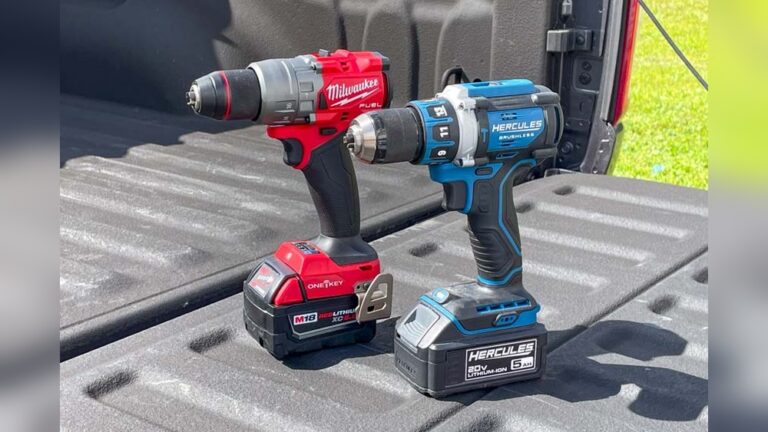
Credit: toolguyd.com
Key Differences: Compact Vs Regular
Understanding the main differences between Milwaukee compact drills and regular drills helps you know which is right for you.
| Feature | Milwaukee Compact Drill | Regular Drill |
|---|---|---|
| Size | Smaller, 6-7 inches | Larger, 8+ inches |
| Weight | 2-3.5 lbs | 3.5-6 lbs |
| Battery Voltage | 12V or 18V | 18V or 20V |
| Torque | Up to 500 in-lbs | Up to 1,200 in-lbs |
| Best Use | Light/medium tasks | Medium/heavy tasks |
The most obvious difference is size and weight. Compact drills are easier to hold and carry, while regular drills can handle bigger jobs.
Performance: Power, Torque, And Speed
Power And Torque
Torque is the twisting force a drill can produce. For many people, this is the most important number when choosing a drill. Compact drills usually offer around 300-500 inch-pounds (in-lbs) of torque. This is enough for drilling holes in wood, driving screws, and even some light masonry work.
Regular drills, especially high-end Milwaukee models, can produce 1,000 in-lbs or more. This means they can drill larger holes, drive longer screws, and work in tougher materials like brick or thick steel.
Speed
Speed is measured in RPM (revolutions per minute). Most drills have two speed settings: one for high torque (slower) and one for high speed (faster). Milwaukee compact drills often reach 1,500-1,800 RPM. Regular drills can go over 2,000 RPM.
This speed difference is important if you need to drill lots of holes quickly or work with special attachments.
Battery Life
Milwaukee compact drills use smaller batteries, so they don’t last as long as the bigger batteries found in regular drills. However, compact drills are also more efficient, so the difference is not as big as you might think.
If you plan to work for many hours without stopping, a regular drill with a larger battery will last longer. For short jobs, compact drills are usually enough.
Comfort And Ergonomics
Comfort matters more than people realize. A heavy drill can cause hand and arm fatigue, especially if you use it all day.
- Compact drills are lighter and easier to control with one hand. This is helpful for overhead work or when working on a ladder.
- Regular drills can feel unbalanced, especially if you have small hands or less upper body strength.
Milwaukee puts a lot of focus on ergonomic design. Both their compact and regular drills have soft grips and well-balanced bodies. Still, compact drills win when it comes to comfort.
Example: Working In Tight Spaces
If you need to drill under a sink, inside a cabinet, or between wall studs, a compact drill is much easier to use. The shorter length and lighter weight make it possible to fit into places where a regular drill simply cannot reach.
Many professionals keep a compact drill for these situations, even if they also own a larger model.
Common Uses For Each Type
Milwaukee Compact Drill
Best for:
- Assembling furniture
- Installing shelves or cabinets
- Hanging pictures or curtain rods
- Electrical work in tight spaces
- Drilling pilot holes in wood or drywall
Regular Drill
Best for:
- Building decks or fences
- Drilling large holes in masonry or metal
- Mixing paint or mortar with a paddle attachment
- Driving long screws or lag bolts
- Demanding jobs on construction sites
Many homeowners start with a compact drill and add a regular drill if they need more power later.
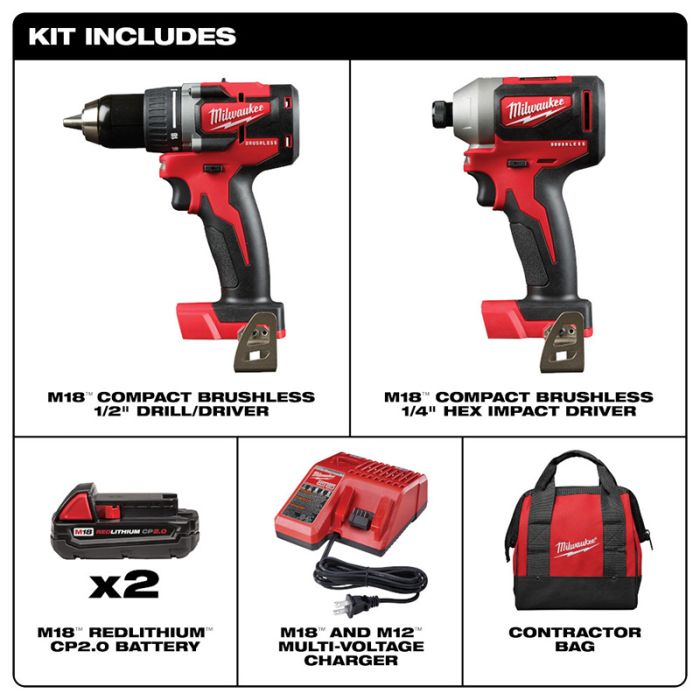
Credit: www.mecampbell.com
Durability And Build Quality
Milwaukee tools are famous for their durability. Both compact and regular drills are built to last, but there are some differences:
- Compact drills have smaller motors and less metal in the body, so they might not survive repeated drops or very rough use as well as regular drills.
- Regular drills are often made with reinforced housings and more metal parts. This makes them heavier but also tougher.
If you work in a harsh environment, such as a construction site, a regular drill will usually last longer. For most home use, a compact drill can last for many years with proper care.
Price Comparison
Price is always a factor. In general, compact drills are less expensive than regular drills, but there are exceptions. Special features, brushless motors, and extra batteries can raise the price of both types.
Here is a typical price range for Milwaukee models (as of early 2024):
- Compact drill (bare tool): $80 – $130
- Compact drill (with battery/charger): $120 – $200
- Regular drill (bare tool): $120 – $200
- Regular drill (with battery/charger): $180 – $300
Extra features, such as hammer mode or advanced electronics, add to the cost. If you already have Milwaukee batteries, you can save money by buying a “bare tool” without battery or charger.
Real-world Example: Homeowner Vs Contractor
Homeowner: Jane wants a drill for hanging shelves and fixing things around the house. She chooses a Milwaukee compact drill because it is light, easy to use, and fits in her kitchen drawer. She can finish small projects quickly, and her hands don’t get tired.
Contractor: Mike builds decks and remodels kitchens. He needs a regular drill with high torque to drive long screws into hardwood. He also keeps a Milwaukee compact drill for electrical work in small spaces. This way, he always has the right tool for the job.
This shows that many professionals own both types. The right choice depends on your work style and needs.
Battery Systems And Compatibility
Milwaukee uses two main battery systems:
- M12 system: 12-volt batteries, used in compact drills and other small tools.
- M18 system: 18-volt batteries, used in regular drills, saws, and heavy-duty tools.
If you already own Milwaukee tools, it is smart to stay with the same battery system. This way, you can share batteries and chargers between tools.
Non-obvious insight: Sometimes, the battery system is more important than the drill itself. Having multiple tools that use the same batteries saves money and space.
Features You Might Overlook
Brushless Motors
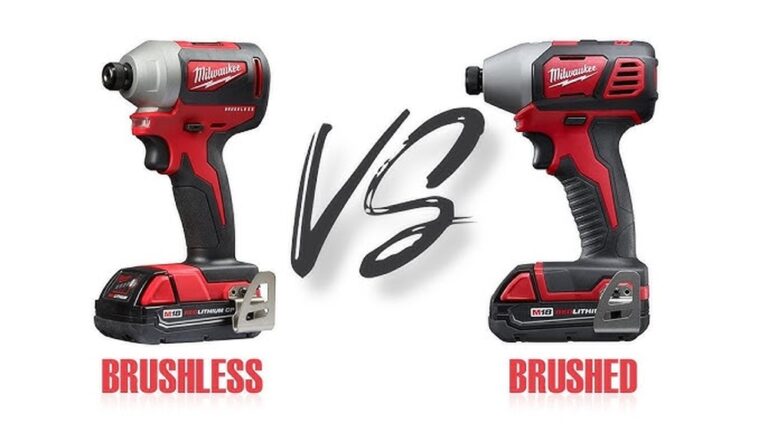
Many new Milwaukee drills use brushless motors. These are more efficient, last longer, and produce less heat. Compact drills with brushless motors can match the power of older regular drills, but in a smaller size.
Built-in Led Lights
Almost all Milwaukee drills now have a small LED light near the trigger. This helps you see what you are doing, especially in dark corners or behind appliances.
Belt Clips And Storage Cases
Compact drills often come with belt clips or small storage cases. These are useful if you move around a lot or work on a ladder.
Clutch Settings
The clutch lets you adjust how much force the drill uses. More clutch settings mean better control when driving screws. Compact drills usually have 16-20 settings, which is enough for most tasks. Regular drills sometimes offer more, but most users never need them.
When To Choose A Milwaukee Compact Drill
Pick a compact drill if you:
- Value low weight and small size
- Mostly drill wood, plastic, or light metals
- Often work in tight or awkward spaces
- Need a drill for home use or small jobs
- Want a tool that is comfortable for long periods
When To Choose A Regular Drill
Choose a regular drill if you:
- Need maximum power and torque
- Drill large holes in metal, masonry, or thick wood
- Mix paint or mortar with attachments
- Work in construction, carpentry, or remodeling
- Don’t mind extra weight for more performance
Common Mistakes Buyers Make
- Choosing too much power: Many people buy a regular drill because they think bigger is always better. This can lead to hand fatigue and poor results on small projects.
- Ignoring battery compatibility: Mixing battery systems can be expensive and inconvenient.
- Overlooking comfort: If a drill feels heavy in the store, it will feel even heavier after an hour of use.
- Not checking accessories: Some kits come with extras like bit sets, cases, or extra batteries. These can add value.
- Forgetting about warranty: Milwaukee offers excellent warranties. Register your tool to get full benefits.
Milwaukee Compact Drill Vs Regular: Summary Table
Here’s a quick look at how the two types compare for different tasks.
| Task | Compact Drill | Regular Drill |
|---|---|---|
| Assembling furniture | Excellent | Good |
| Drilling large holes | Fair | Excellent |
| Electrical work | Excellent | Poor |
| Deck building | Poor | Excellent |
| Working in tight spaces | Excellent | Poor |
This chart can help you match your typical tasks to the right tool.
How To Decide: Key Questions To Ask
Before you buy, ask yourself:
- What will I use the drill for most of the time?
- Do I need to drill into hard materials like concrete or steel?
- Will I use the drill for long periods or just quick jobs?
- Do I need a tool that fits in small spaces?
- Do I already own Milwaukee batteries?
Your answers will lead you to the right choice.
Non-obvious Insights That Matter
- Compact drills are less intimidating: If you are new to power tools, a compact drill is easier to handle and less likely to cause mistakes.
- Upgrading batteries can boost performance: Many people don’t realize that using a higher capacity battery (measured in amp-hours, Ah) can make a compact drill work longer and even deliver more power.
- Regular drills can be overkill: For most home users, a regular drill’s extra weight and torque are not needed. Compact drills are often enough for 90% of home projects.
- Drill bits matter: A good compact drill with high-quality bits can outperform a regular drill with cheap, dull bits. Don’t forget to invest in your accessories.
Latest Trends In Milwaukee Drills
- Smart features: New Milwaukee drills have Bluetooth and app connectivity for tracking and customizing tool performance.
- Improved batteries: The new REDLITHIUM batteries last longer and work better in extreme temperatures.
- Hybrid kits: Milwaukee offers kits with both compact and regular drills, which can be more affordable than buying separately.
If you want to keep up with the latest updates, Milwaukee’s official site and online tool forums are good resources.
User Reviews: What People Say
Many users post their experiences online. Here are some common themes:
- Compact drills: Users love the light weight and long battery life. Many say, “I use my compact drill for almost everything. Only use my big drill for heavy jobs.”
- Regular drills: Pros like the power and toughness. One user says, “My regular Milwaukee has been dropped from ladders and keeps working.”
Some also mention that Milwaukee’s customer service is fast and helpful if there are any problems.
Environmental Impact
Lithium-ion batteries are better for the environment than older battery types, but they should still be recycled. Milwaukee has programs to help customers recycle old batteries safely.
Non-obvious tip: If you have old NiCd batteries or tools, consider trading them in for discounts on new Milwaukee models. Some stores offer these programs.
Final Thoughts: Which Should You Buy?
If you want a simple answer: For most people, a Milwaukee compact drill is the best place to start. It’s light, powerful enough for almost all home tasks, and more comfortable to use. If you do a lot of heavy-duty work or need the most power, then a regular drill makes sense.
Many professionals own both types because each has strengths and weaknesses. Think about your main jobs, your hand strength, and your budget. Try holding both types in a store if possible. The right drill is the one that feels good in your hand and does the jobs you need.
For more detailed specs and comparisons, check the official Milwaukee Tool website.
Frequently Asked Questions
Is A Milwaukee Compact Drill Powerful Enough For Home Repairs?
Yes, a Milwaukee compact drill is strong enough for most home repairs, such as hanging shelves, assembling furniture, or installing fixtures. It can handle wood, drywall, and even some light metal. For very tough jobs like drilling concrete, a regular or hammer drill is better.
Can I Use The Same Milwaukee Batteries For Both Compact And Regular Drills?
It depends on the battery system. Milwaukee’s M12 batteries fit compact drills, while M18 batteries fit regular (and some compact) drills. These two types are not interchangeable. Check your tool’s label before buying batteries or chargers.
What Is The Main Reason Professionals Own Both Compact And Regular Drills?
Professionals use a compact drill for small, quick jobs and tight spaces because it’s lighter and easier to control. They use a regular drill when more power is needed for tough materials or large fasteners. Having both saves time and effort on the job.
Are Milwaukee Compact Drills More Expensive Than Regular Drills?
Usually, Milwaukee compact drills are less expensive than regular drills, but high-end models with brushless motors and extra features can cost as much as some regular drills. Prices also depend on whether you buy the tool alone or in a kit with batteries and chargers.
How Long Do Milwaukee Drills Usually Last?
With normal use and proper care, a Milwaukee drill can last many years. Compact drills can last 5-10 years for home use, while regular drills used by professionals might need replacement sooner if used every day. Milwaukee’s warranty and repair service help extend tool life.
Choosing between a Milwaukee compact drill and a regular drill is about finding the right fit for your needs. With the right information, you can feel confident in your decision and enjoy better results in your work.
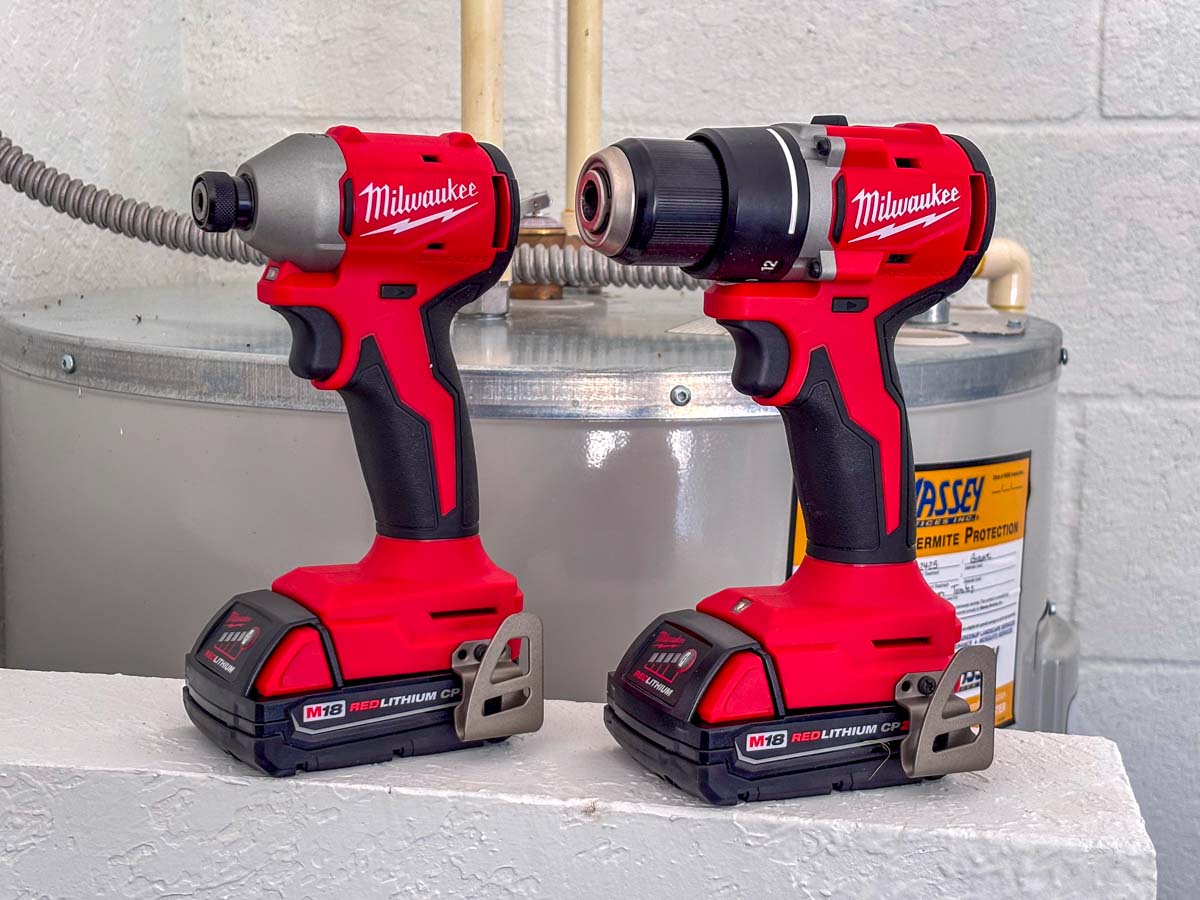
Credit: www.protoolreviews.com