Drilling through cast iron is a task that can seem intimidating at first. The material is known for its strength and hardness, but also for being brittle. Many people wonder if it’s possible to drill through cast iron without damaging the material or the tools. The good news is: yes, you absolutely can drill through cast iron. With the right preparation, equipment, and technique, you can make clean, precise holes in cast iron for many applications—plumbing, automotive repair, home renovation, and more.
This article will guide you through everything you need to know about drilling into cast iron. You’ll learn about the properties of cast iron, why it’s challenging, the essential tools and steps, safety tips, common mistakes, and expert insights that most beginners overlook.
By the end, you’ll feel confident to take on your next cast iron drilling project.
Understanding Cast Iron
Cast iron is a group of iron-carbon alloys with a carbon content greater than 2%. It’s commonly used in construction, automotive parts, pipes, stoves, and machinery. The most common types are gray cast iron and ductile cast iron.
Key Properties
- Hard but Brittle: Cast iron is harder than steel but also more brittle. It can crack or break if stressed improperly.
- High Carbon Content: Makes it easy to machine but also increases brittleness.
- Excellent Wear Resistance: This is why it’s used in engine blocks and pipes.
- Poor Ductility: It doesn’t bend much before breaking.
Why Cast Iron Is Hard To Drill
Drilling through cast iron is challenging for two main reasons:
- Brittleness: If you use too much force or the wrong drill bit, the iron can crack.
- Abrasiveness: Cast iron wears down drill bits quickly because of its hardness and abrasive nature.
Understanding these challenges helps you choose the right tools and methods.
Is It Possible To Drill Through Cast Iron?
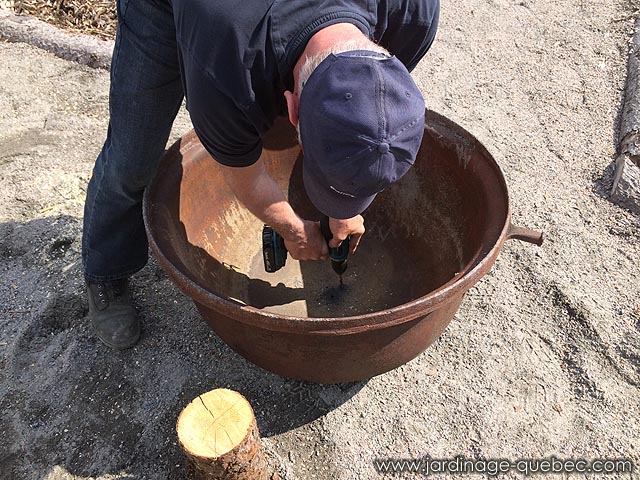
Yes, drilling through cast iron is not only possible but common in many industries. The key is using the correct drill bit, speed, and technique. It’s not like drilling through wood or plastic, but with care, it’s a task that DIYers and professionals handle every day.

Credit: www.reddit.com
Essential Tools And Materials
Before you start, gather the right tools. Here’s what you’ll need:
- Drill: A variable-speed electric drill is ideal.
- Drill Bits: Choose bits suitable for metal, preferably cobalt or high-speed steel (HSS) bits.
- Lubricant: Not always required for cast iron, but can help with deeper holes.
- Center Punch: To mark the spot and keep the bit from wandering.
- Safety Gear: Goggles, gloves, and a dust mask.
- Clamps or Vise: To secure the cast iron piece.
Comparison Of Drill Bits For Cast Iron
Here’s a quick look at common drill bit types and their suitability for cast iron:
| Drill Bit Type | Durability on Cast Iron | Recommended? |
|---|---|---|
| High-Speed Steel (HSS) | Good | Yes |
| Cobalt | Excellent | Yes (Best Choice) |
| Titanium-Coated | Good | Yes |
| Carbide | Very High | Yes (For heavy-duty jobs) |
| Wood Bits | Poor | No |
Pro tip: Cobalt bits are especially good for thick or hard cast iron because they resist heat and wear.
Step-by-step Guide To Drilling Through Cast Iron
1. Mark Your Spot
Always start by marking the exact point where you want to drill. Use a center punch and a hammer to make a small dimple. This prevents the bit from sliding on the smooth surface.
2. Secure The Workpiece
Clamp the cast iron piece firmly in place. Movement during drilling can cause the bit to snap or the iron to crack.
3. Choose The Right Drill Bit
Select a cobalt or high-speed steel bit of the size you need. For large holes, start with a small pilot hole, then use a larger bit.
4. Set The Drill Speed
Cast iron needs a slow drilling speed. Too much speed can overheat the bit and cause damage. For holes under 6mm (1/4 inch), use 600-1000 RPM. For larger holes, go even slower.
5. Drill The Pilot Hole
For large holes, drill a small hole (about 1/8 inch) first. This makes the final drilling easier and more accurate.
6. Drill The Final Hole
Switch to the final size bit. Apply steady, moderate pressure—don’t force it. Let the bit do the work.
7. Use Lubricant (optional)
Cast iron has graphite, which acts as a lubricant, but some people use cutting oil for deeper holes. It reduces heat and helps bits last longer.
8. Clear Chips Often
Frequently pull the bit out to remove metal shavings. This prevents clogging and overheating.
9. Finish And Clean Up
After drilling, remove sharp edges with a deburring tool or file. Clean up all the metal dust—it can be sharp and dirty.
Best Drill Bits For Cast Iron
Not every drill bit will do. Here are some of the best choices for cast iron drilling:
- Cobalt Drill Bits: These are very hard, heat-resistant, and stay sharp longer.
- High-Speed Steel (HSS) Bits: Affordable and effective for most home projects.
- Carbide-Tipped Bits: For heavy-duty jobs or repeated drilling.
- Titanium-Coated Bits: Offer extra durability, but not as long-lasting as cobalt.
Insight: Many beginners try to use masonry or wood bits on cast iron. This is a mistake—those bits will dull quickly or break.
Choosing The Right Drill And Accessories
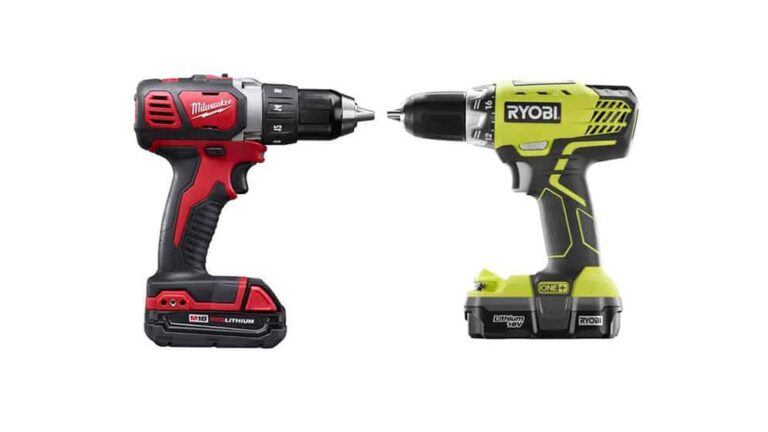
The type of drill matters as much as the bit. A corded electric drill provides steady power, while a cordless drill is convenient for small jobs. For thick or heavy cast iron, a drill press offers better control and accuracy.
Quick Comparison: Corded Vs Cordless Drills
| Type | Power | Recommended Use |
|---|---|---|
| Corded | High | Large or deep holes, workshop use |
| Cordless | Medium | Small holes, on-site repairs |
| Drill Press | Very High | Precision, repeated holes |
Tip: For holes larger than 1/2 inch, always use a drill press if possible.

Credit: www.youtube.com
Safety Tips For Drilling Cast Iron
Drilling through cast iron can be dangerous if you’re not careful. Here are key safety tips:
- Wear goggles: Cast iron chips are sharp and can fly off at high speed.
- Use gloves: Prevents cuts from metal shavings.
- Clamp securely: Prevents movement that can cause injury.
- Go slow: Rushing increases risk of bit breakage or cracking the iron.
- Use a mask: Cast iron dust can irritate your lungs.
Non-obvious insight: Never use water as a lubricant on cast iron. It can cause rust and weaken the material.
Common Mistakes When Drilling Cast Iron
Even experienced DIYers can make mistakes. Here are some to watch for:
- Using the wrong bit: Don’t use wood or masonry bits.
- Drilling too fast: Overheats the bit, dulls it, and can crack the cast iron.
- Skipping the center punch: Causes the bit to wander, ruining accuracy.
- Not clearing chips: Leads to clogging, overheating, and poor hole quality.
- Forcing the drill: Let the bit do the work; pushing hard increases breakage risk.
Drilling Different Types Of Cast Iron
Not all cast iron is the same. The most common types you’ll encounter are gray cast iron and ductile cast iron.
Gray Cast Iron
- Most common in household items, pipes, engine blocks.
- Brittle, so use extra caution not to apply side pressure.
Ductile Cast Iron
- Stronger and less brittle due to added magnesium.
- Easier to drill, but still needs care.
Example: Drilling A Cast Iron Pipe
If you need to drill a hole in a cast iron pipe for a tap or fitting, the same steps apply, but be extra careful to clamp the pipe so it doesn’t roll.
Expert tip: For thin-walled cast iron pipes, use a step bit after drilling a pilot hole to prevent cracking.
How To Avoid Cracking Cast Iron
Cracking is the biggest risk when drilling cast iron. Here’s how to avoid it:
- Drill slowly and use sharp bits.
- Avoid sudden movements—let the bit cut at its own pace.
- Don’t use hammer mode on your drill; cast iron isn’t concrete.
- Support the workpiece fully—never let it hang or vibrate.
Advanced tip: If the cast iron is very brittle or old, warm it gently (not hot) with a heat gun before drilling. This reduces the chance of cracking, but never overheat.
Dealing With Broken Drill Bits In Cast Iron
Sometimes, a drill bit breaks and gets stuck in the hole. This is frustrating, but there are ways to remove it:
- Use pliers: If part of the bit is sticking out, grab it and twist gently.
- Reverse drill: Try a smaller bit in reverse to loosen and back out the broken piece.
- Use a screw extractor: These are special tools designed to remove stuck bits.
- Magnet: If the bit is magnetic and loose, a strong magnet can sometimes pull it out.
Pro insight: Never try to hammer out a broken bit. This can damage the cast iron and make the problem worse.
Cast Iron Vs. Other Metals: Drilling Difficulty
How does cast iron compare to drilling other common metals? Here’s a simple comparison:
| Material | Drilling Difficulty | Special Considerations |
|---|---|---|
| Cast Iron | Medium | Brittle, wears bits, needs slow speed |
| Steel | Hard | Needs more force, may require lubrication |
| Aluminum | Easy | Soft, can clog bits quickly |
| Brass | Easy | Can grab bits, needs care |
| Wood | Very Easy | Use wood bits, high speed |
Credit: www.usa-gardening.com
Practical Applications Of Drilling Cast Iron
Knowing how to drill cast iron opens up many practical tasks:
- Installing plumbing taps in cast iron pipes
- Repairing or modifying engine blocks
- Adding holes for fasteners in heavy machinery
- Restoring vintage cast iron furniture
- Mounting items to cast iron radiators
Each application may have its own challenges, but the basic principles remain the same.
Two Non-obvious Insights Most Beginners Miss
- Graphite Lubrication: Cast iron contains graphite, which naturally lubricates the bit. This is why you can often drill without oil, especially for shallow holes.
- Deburring is Essential: After drilling, always remove sharp edges. Cast iron edges can cut deeply and quickly cause injury.
Expert Tips For Success
- Sharpen your bits regularly: Dull bits increase heat and cracking risk.
- Check for hidden cracks: Tapping the cast iron lightly can reveal cracks before you drill.
- Test on scrap: Practice on a spare piece if possible.
- Use step bits for thin cast iron: This reduces the chance of cracking.
When To Call A Professional
For most home projects, you can drill cast iron with care and the right tools. But consider calling a professional if:
- The cast iron is part of a load-bearing structure.
- The hole must be extremely precise.
- The cast iron is very old or valuable (such as antique stoves).
Further Reading And Resources
If you’d like more in-depth information, the Wikipedia page on cast iron covers the science and engineering behind this material.
Frequently Asked Questions
What Type Of Drill Bit Is Best For Cast Iron?
The best drill bits for cast iron are cobalt and high-speed steel (HSS) bits. Cobalt bits last longer and handle heat better, making them ideal for thick or hard cast iron.
Should I Use Lubricant When Drilling Cast Iron?
For shallow holes, lubricant is optional because cast iron contains graphite. For deeper holes, cutting oil can help keep the bit cool and extend its life. Avoid using water, as it can cause rust.
How Do I Prevent The Drill Bit From Wandering?
Use a center punch to make a small dimple at your drilling point. This keeps the bit in place and ensures accuracy.
Can I Use A Regular Home Drill For Cast Iron?
Yes, a regular corded or cordless drill can work on cast iron for small holes. For larger or more precise jobs, a drill press is recommended.
What Should I Do If The Cast Iron Cracks While Drilling?
Stop drilling immediately. Assess the damage. Small cracks can sometimes be repaired with epoxy or welding, but larger cracks may require replacing the part. It’s best to avoid cracks by drilling slowly and carefully.
Drilling through cast iron is a skill every serious DIYer should learn. With the right tools, careful technique, and a bit of patience, you can make clean, precise holes in this tough material. Remember, preparation and the right bit are your best friends.
Stay safe, and your project will be a success.