Choosing the right drill can make all the difference when starting a project, whether you are a professional or a home DIYer. The Dewalt XR drill and the regular Dewalt drill are two of the most popular options. At first glance, they may look similar, but there are important differences that can change your experience. The XR series promises longer battery life and more power, while regular Dewalt drills are reliable but often less advanced. This article will dive deep into every aspect, from performance and features to cost and real-world use. By the end, you’ll know exactly which drill suits your needs—and why.
What Makes Dewalt Xr Drills Stand Out?
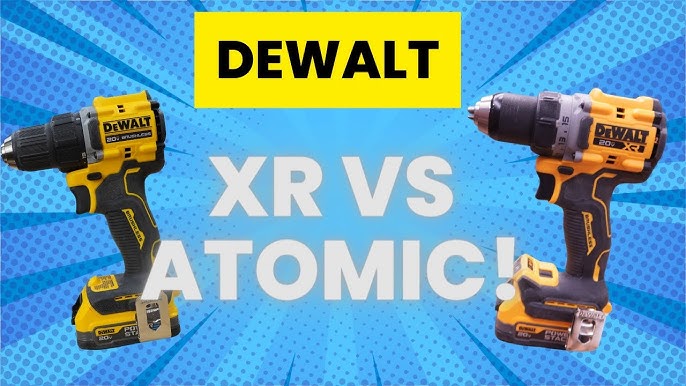
Dewalt XR stands for “eXtreme Runtime.” This series was designed to address the most common complaint about cordless tools: battery life. XR drills use brushless motors, which are more efficient than brushed motors. Brushless motors produce less heat, last longer, and use less energy.
The XR series also features improved batteries. Dewalt’s XR batteries are lithium-ion and come in different capacities (2. 0Ah, 4. 0Ah, 5. 0Ah, etc. ). Higher capacity means more working time before needing a recharge.
Another key feature is the build quality. XR drills often have stronger housings, more advanced electronics, and better ergonomics.
Key differences:
- Brushless motor (XR)
- Longer battery life (XR)
- Higher power output (XR)
- Advanced electronics (XR)
Regular Dewalt Drills: Reliable Workhorses
Regular Dewalt drills have been trusted by professionals for decades. They use brushed motors, which are simpler and often cheaper to manufacture. These drills still deliver good performance but tend to be less efficient.
Battery options for regular Dewalt drills are usually smaller and may not last as long as XR versions. You can expect basic features: variable speed, keyless chuck, and sometimes a built-in LED light.
If you need a drill for light work, or if budget is a concern, the regular Dewalt drill is a solid choice. They are often lighter, making them easier for small tasks.
Main features:
- Brushed motor (regular)
- Decent battery life (regular)
- Lower price (regular)
- Basic electronics (regular)
Comparing Dewalt Xr Drill Vs Regular: Performance
To make the differences clear, let’s look at how each type performs in real-world situations.
| Feature | Dewalt XR Drill | Regular Dewalt Drill |
|---|---|---|
| Motor Type | Brushless | Brushed |
| Battery Runtime | Up to 50% longer | Standard |
| Power Output | Higher (up to 820 UWO) | Lower (up to 400-500 UWO) |
| Weight | Usually heavier | Lighter |
| Durability | More rugged | Standard |
| Price | Higher | Lower |
UWO stands for “Unit Watts Out” and is Dewalt’s measure of power. XR drills reach higher UWOs, making them suitable for tougher jobs.
Real-world Power Test
Imagine drilling into hardwood or concrete. An XR drill with 820 UWO can handle this much better than a regular drill with 400 UWO. The difference is noticeable: XR drills complete the job faster, with less strain on the motor.
Battery Life
XR drills can last almost twice as long on a single charge. For example, a 5. 0Ah XR battery might let you drive 500 screws, while a regular drill’s 2. 0Ah battery may only manage 250–300 screws before stopping.
Non-obvious insight: Brushless motors in XR drills also help batteries last longer, not just because the batteries are bigger, but because the motor itself uses energy more efficiently.
Features: Dewalt Xr Vs Regular
Features can be the deciding factor for many buyers. Let’s compare what you get with each:
| Feature | XR Drill | Regular Drill |
|---|---|---|
| LED Light | Advanced (sometimes with delay) | Basic or none |
| Clutch Settings | More (up to 15) | Fewer (up to 10) |
| Speed Settings | Two or three | One or two |
| Ergonomics | Improved grip, balance | Standard |
| Connectivity | Some XR models have Bluetooth | None |
Advanced LED lights on XR drills help in low-light work, and some models keep the light on for several seconds after you release the trigger.
Clutch settings are important for precise work. More settings mean you can better control how much torque is applied.
Bluetooth connectivity is available in some XR models. This lets you track tool location or manage settings from your phone, which is useful for big job sites.
Durability And Build Quality
The build quality of a tool decides how long it will last. XR drills use tougher materials and better seals, making them more resistant to dust, water, and drops.
For example, the Dewalt DCD996 XR drill has a nitro-carburized metal chuck, which is more durable and holds bits more tightly than a regular plastic chuck.
Regular Dewalt drills are still strong, but they usually use more plastic and simpler electronics. Over time, brushed motors in regular drills wear out faster.
Non-obvious insight: XR drills are not just tougher outside; their internal electronics have better protection against short circuits and overheating, which increases their lifespan.
Price: Is Dewalt Xr Worth It?
Cost is always a key factor. XR drills are more expensive because of their advanced features. Prices can range from $150–$250 for XR kits (including drill, battery, charger), while regular Dewalt kits may cost $70–$120.
But price is not the only thing to consider. XR drills last longer, work harder, and save money on replacement batteries and repairs.
If you use your drill daily or for heavy jobs, paying more for an XR can save money over time. For light work, a regular Dewalt drill is still a good investment.
Quick Price Comparison
- Dewalt XR Drill Kit: $175–$250
- Regular Dewalt Drill Kit: $70–$120
Common buyer mistake: Many buyers choose the cheapest drill, not realizing that frequent battery replacements or tool failures can cost more in the long run.

Credit: www.reddit.com
Battery Technology: Xr Vs Regular
Batteries are at the heart of every cordless tool. Dewalt XR batteries use the latest lithium-ion technology, offering more power, longer life, and faster charging.
Regular Dewalt batteries may be smaller and slower to charge. The XR batteries also have protection circuits to prevent overcharging, which helps them last longer.
Battery Capacity
XR batteries are available in several capacities:
- 2.0Ah: Good for light work
- 4.0Ah: Balanced for most jobs
- 5.0Ah: Best for heavy-duty work
Regular Dewalt batteries are usually 1. 5Ah or 2. 0Ah, which means less runtime.
Non-obvious insight: Larger capacity batteries add weight, so choose based on your comfort and job type.
Practical Use Cases
Choosing between XR and regular Dewalt depends on how you plan to use the drill.
For Professionals
If you work in construction, carpentry, or any trade that needs a drill every day, XR is almost always better. You get more power, longer battery life, and tougher build quality. Jobs go faster, and you worry less about downtime.
For Diy/home Users
If you only need a drill for occasional repairs, furniture assembly, or light woodworking, a regular Dewalt drill will do the job. It is lighter and less expensive, so it is easier to handle for quick tasks.
For Contractors
Contractors who manage teams or need multiple drills might mix both types. XR drills for tough jobs, regular drills for backup or light tasks.
Practical advisor tip: Test both in-store if possible. The feel in your hand can be just as important as specs on paper.
Dewalt Xr Drill Models Vs Regular Drill Models
Let’s look at some popular models in each category.
Dewalt Xr Drill Models
- DCD996: Flagship XR hammer drill. 3-speed, brushless, 820 UWO, LED spotlight.
- DCD791: Compact XR drill/driver. Brushless, 2-speed, 460 UWO.
- DCD777: Entry-level XR brushless drill. 2-speed, lightweight.
- DCD795: XR hammer drill. Brushless, 2-speed, 530 UWO.
Regular Dewalt Drill Models
- DCD771: Most popular regular drill/driver. Brushed, 2-speed, 300 UWO.
- DCD780: Brushed drill/driver. 2-speed, 350 UWO.
- DC970: Older regular model. Brushed, 2-speed, basic features.
Model insight: XR models often have more advanced features even within the series. For example, DCD996 is much more powerful than DCD777.
Maintenance And Longevity
Proper care extends the life of any tool. XR drills require less maintenance because brushless motors have fewer parts to wear out. Regular drills need more frequent cleaning and sometimes brush replacement.
Maintenance tips:
- Keep batteries cool and dry
- Clean vents regularly
- Store drills in cases to avoid dust and moisture
- For regular drills, replace brushes if power drops
Experience-based guide: Many users report XR drills lasting 4–6 years with heavy use, while regular drills may need replacement after 2–3 years.
Noise And Heat
Drills produce noise and heat, especially during tough jobs. XR drills are quieter and stay cooler because brushless motors are more efficient. Regular drills can get hot quickly, which may lead to shutdown or damage.
Non-obvious insight: Less heat in XR drills means safer handling and longer battery life, as overheated batteries degrade faster.
Dewalt Warranty And Support
Dewalt offers strong warranties. Most XR and regular drills have a 3-year limited warranty, 1-year free service, and 90-day money-back guarantee.
XR drills often qualify for extra support because they are premium models. Regular drills get standard support.
For more details, visit the official Dewalt warranty page at Dewalt Warranty.
Environmental Impact
Battery-powered tools are more eco-friendly than gas-powered tools. XR batteries are recyclable and Dewalt encourages users to return old batteries to authorized centers.
Brushless motors (XR) waste less energy, reducing the carbon footprint. Regular drills are still good, but less efficient.
Non-obvious insight: Using XR tools in large projects can save energy, reducing electricity use and environmental impact.
User Reviews And Feedback
User reviews help understand how drills perform in real life.
Dewalt Xr Drill Feedback
- “I use the DCD996 every day on site. It never lets me down, and the battery lasts all day.”
- “XR drills are expensive but worth it for the power and runtime.”
Regular Dewalt Drill Feedback
- “The DCD771 is perfect for furniture assembly. Light and easy to use.”
- “Battery doesn’t last as long as I’d like, but the price is great.”
Straight-to-the-point helper tip: Read reviews for your exact model before buying. Some XR models are more suited for heavy work, while others are for light tasks.
Credit: www.youtube.com
Comparison Table: Dewalt Xr Vs Regular Drill Summary
To make the decision easier, here’s a summary table.
| Criteria | XR Drill | Regular Drill |
|---|---|---|
| Motor | Brushless | Brushed |
| Battery Runtime | Longer (up to 50% more) | Shorter |
| Power | Higher (up to 820 UWO) | Lower (up to 400 UWO) |
| Durability | Rugged, advanced | Standard |
| Features | Advanced (LED, clutch, Bluetooth) | Basic |
| Weight | Heavier | Lighter |
| Price | Higher ($175–$250) | Lower ($70–$120) |
Expert Recommendations
Not every user needs the most powerful drill. Here is practical advice:
- If you use drills every day or work on tough materials, choose an XR drill.
- If you need a drill for simple home repairs, regular Dewalt drills are enough.
- For contractors, mixing XR and regular gives flexibility and saves money.
- Always check battery compatibility. Dewalt XR batteries can be used in regular tools, but regular batteries may not power XR tools fully.
Friendly mentor tip: Think about your future needs. If you plan to grow your tool collection, investing in XR now can be smarter.
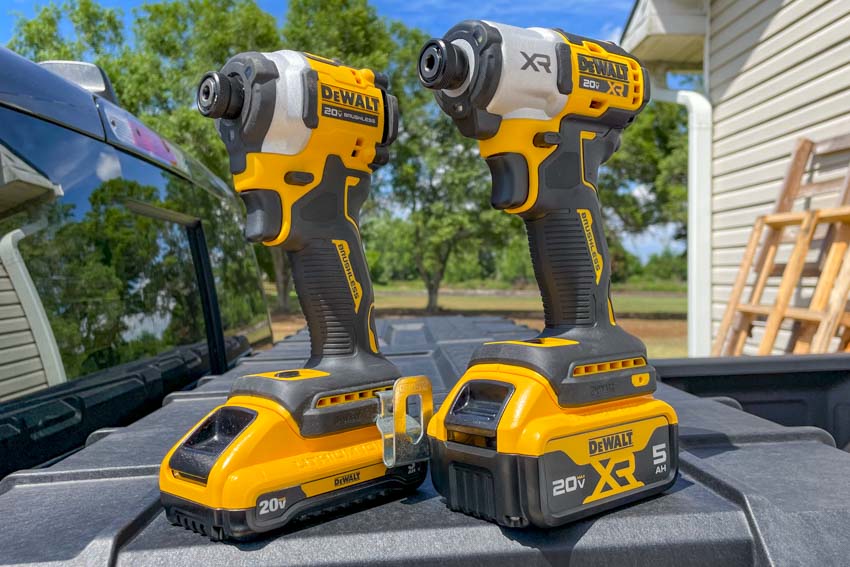
Credit: www.protoolreviews.com
Common Mistakes When Choosing
Many buyers make these mistakes:
- Ignoring battery capacity: Buying a drill with a small battery, then having to recharge too often.
- Choosing only by price: Saving money upfront but spending more later on replacements.
- Not checking compatibility: Some Dewalt tools only work with certain batteries.
- Overestimating needs: Getting a heavy XR drill for light home tasks, which can be tiring.
- Underestimating warranty: Not registering for warranty or support, missing out on free repairs.
Calm expert advice: Take your time. List what you need, and match the drill to your actual jobs.
Dewalt Xr Drill Vs Regular: Which Is Best For You?
The choice depends on your needs, budget, and expectations.
- Dewalt XR Drill: Best for professionals, heavy-duty tasks, and those who value battery life and power.
- Regular Dewalt Drill: Perfect for light tasks, DIYers, and buyers who want to save money.
Both drills have strong reputations, but XR delivers more power, longer runtime, and advanced features. Regular Dewalt drills are lighter and simpler, making them easy for beginners.
If you still feel unsure, visit a local tool shop and try both. Sometimes, the way a tool feels in your hand is the deciding factor.
Frequently Asked Questions
What Does Xr Mean In Dewalt Drills?
XR stands for “eXtreme Runtime.” XR drills use brushless motors and advanced batteries, giving longer runtime and higher power compared to regular Dewalt drills.
Are Dewalt Xr Batteries Compatible With Regular Dewalt Drills?
Yes, XR batteries work with most Dewalt 20V tools, including regular drills. However, the extra power and runtime are best used with XR tools.
Is A Brushless Motor Really Better Than Brushed?
Brushless motors, found in XR drills, are more efficient, last longer, and create less heat. Brushed motors in regular drills are simpler but wear out faster.
How Much Longer Does An Xr Drill Last Compared To A Regular Drill?
With heavy use, XR drills may last 4–6 years, while regular drills can last 2–3 years. Proper maintenance can extend both lifespans.
Where Can I Find More Technical Information About Dewalt Drills?
For detailed specs and manuals, check Dewalt’s official site or visit Wikipedia for history and technical details.
Choosing between Dewalt XR and regular drills is not just about cost. It’s about matching the tool to your real needs. If you want power, runtime, and durability, XR is the clear winner. For simple jobs and budget-friendly options, regular Dewalt drills are reliable and easy to use.
Make your choice wisely, and your drill will serve you well for years.