Choosing the right cordless drill is not just about picking a tool off the shelf. It’s about finding a partner that fits your projects, your hand, and your budget. Two names often come up in this search: Black and Decker and Ryobi. Both brands have built a strong reputation, but they serve different types of users. Whether you’re a homeowner tackling weekend repairs or a DIY enthusiast with bigger ambitions, this comparison will help you decide which drill deserves a spot in your toolbox.
Brand Backgrounds: Black And Decker And Ryobi
Understanding the history and focus of each brand helps set the stage. Black and Decker is a classic American brand, founded in 1910. It’s known for making tools that are easy to use and affordable, especially for homeowners and beginners. Ryobi, on the other hand, is a Japanese brand that’s part of Techtronic Industries. Ryobi focuses on offering advanced features and a wide range of tools for DIYers who want a step up from entry-level.
Both brands are popular in home improvement stores, but their approach and target customers are a bit different. Knowing this can shape your expectations before even picking up a drill.
Drill Lineup: What’s On Offer
When comparing Black and Decker vs Ryobi drills, it’s important to look at the types of drills each brand offers. Both brands have:
- Cordless drills (18V, 20V)
- Drill/driver combos
- Hammer drills for tougher materials
- Impact drivers
Black and Decker keeps things simple, focusing on basic cordless drills that are easy to use. Ryobi, meanwhile, offers a much wider range, including specialized tools like brushless drills and right-angle drills. This variety makes Ryobi attractive if you want to build a large tool collection using the same batteries.
Core Features: Head-to-head
Let’s break down the features that matter most when choosing a drill.
Power And Performance
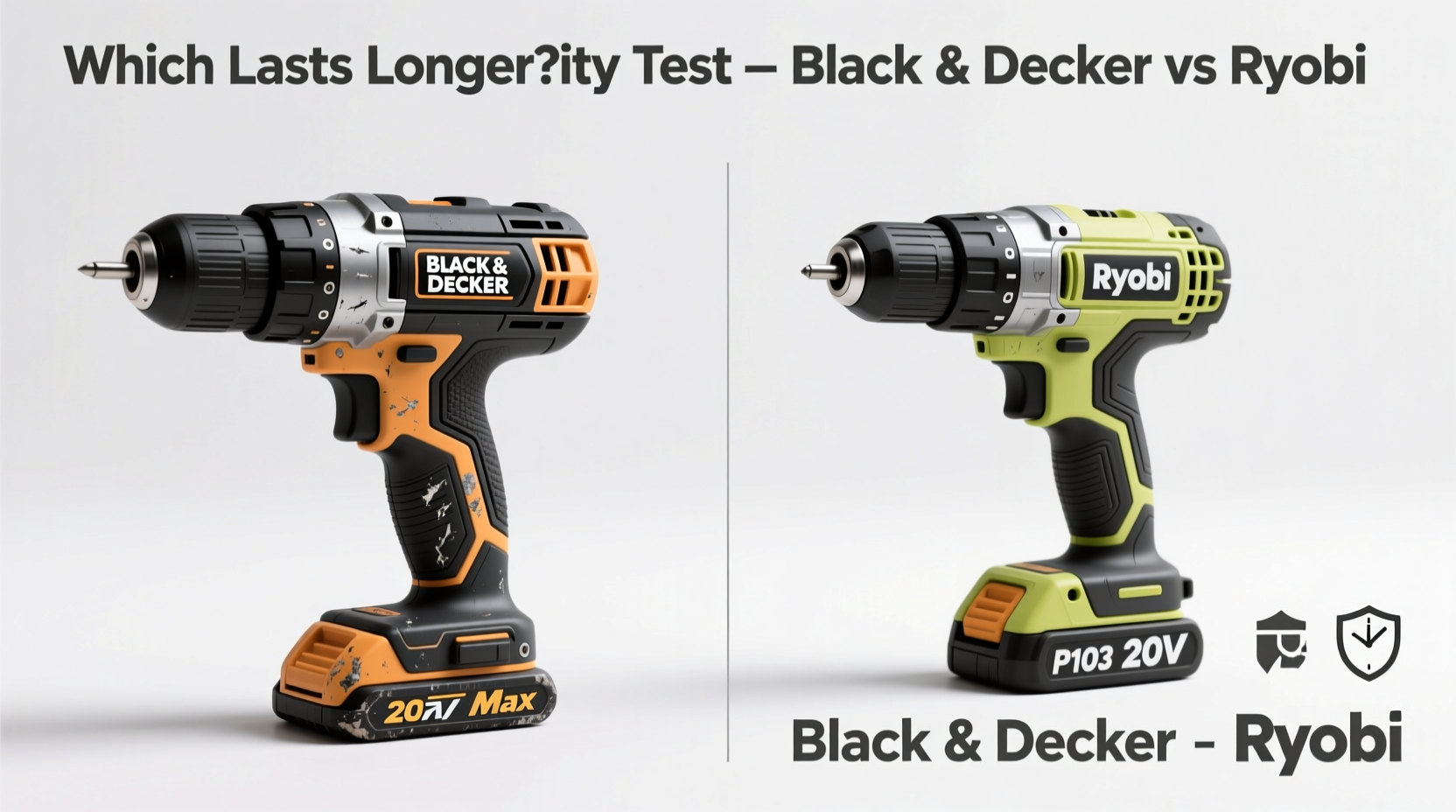
Most users want a drill that’s powerful enough for home repairs, furniture assembly, or light construction. Black and Decker cordless drills, like the popular 20V MAX, deliver enough torque for basic jobs—driving screws, drilling into wood, or light metal. Their motors are usually brushed, which is cost-effective but less efficient.
Ryobi’s 18V ONE+ series is famous for its brushless motor options, which give more power, longer runtime, and less maintenance. Ryobi drills often have higher torque ratings, making them better for heavier jobs like drilling into masonry or thicker lumber.
Battery System
A key difference between these brands is their battery platforms. Black and Decker uses 20V MAX lithium-ion batteries, which are lightweight and good for small tasks. However, the range of compatible tools is limited.
Ryobi’s ONE+ system is a major selling point. Their 18V batteries work with over 260 tools, from drills to lawnmowers. If you plan to own several cordless tools, Ryobi gives you more flexibility and value in the long run.
Ergonomics And Design
Comfort is crucial, especially for longer projects. Black and Decker drills are usually lighter, with slim handles and basic controls. They’re ideal for people with smaller hands or those who don’t use power tools often.
Ryobi drills tend to be a bit heavier and bulkier, but many users find their grip and balance better for serious work. Ryobi also offers more options with rubber over-molds and adjustable clutches, which reduce fatigue and improve control.
Durability And Build Quality
Black and Decker drills are made with affordability in mind. Their plastic housings and brushed motors are fine for light, occasional use but may not hold up under rough or daily work.
Ryobi’s tools use tougher plastics and, in some models, reinforced internals. They’re designed to handle more drops, bumps, and heavy use. If you need a drill for regular, demanding tasks, Ryobi usually lasts longer before showing signs of wear.
Side-by-side Comparison: Key Models
To give a clear picture, let’s compare two of the most popular cordless drills from each brand: the Black and Decker 20V MAX Drill/Driver (LDX120C) and the Ryobi ONE+ 18V Drill/Driver (P215).
| Feature | Black and Decker 20V MAX (LDX120C) | Ryobi ONE+ 18V (P215) |
|---|---|---|
| Voltage | 20V MAX | 18V |
| Max Torque | 115 in-lbs | 340 in-lbs |
| Speed Settings | 1 (0-650 RPM) | 2 (0-450, 0-1750 RPM) |
| Clutch Positions | 11 | 24 |
| Weight (with battery) | 3.2 lbs | 3.1 lbs |
| LED Light | Yes | Yes |
| Brushless Motor | No | Optional in other models |
As you can see, Ryobi’s P215 offers much more torque and more speed settings, making it more versatile for different materials.
Battery Life And Charging
Battery runtime is a major concern, especially if you work on bigger projects. Both brands use lithium-ion batteries, but there are some differences.
- Black and Decker: Their 20V MAX batteries typically last 30-45 minutes of continuous use, depending on the task.
- Ryobi: The standard 1.5Ah 18V ONE+ battery runs for about 45-60 minutes. Higher-capacity batteries (up to 9.0Ah) are also available and can power drills for several hours.
Charging times also vary. Black and Decker’s chargers are slower, taking up to 3-4 hours for a full charge. Ryobi’s fast chargers can top up a 1. 5Ah battery in as little as 1 hour.
Here’s a quick comparison:
| Brand | Standard Battery Capacity | Average Runtime | Fastest Charger Time |
|---|---|---|---|
| Black and Decker | 1.5Ah | 30-45 min | 3-4 hours |
| Ryobi | 1.5Ah (up to 9.0Ah available) | 45-60 min (can be much longer with bigger batteries) | 1 hour |
Non-obvious insight: Some beginners don’t realize that larger batteries can make a drill much heavier. Always test the weight with the battery installed before buying, especially if you’ll use it overhead.
Price And Value For Money
Cost is often the deciding factor. Black and Decker drills are among the most affordable on the market. Their 20V MAX drill/driver kits (with battery and charger) often sell for $40-$60. Replacement batteries are also cheap, usually under $30.
Ryobi drill kits are priced a bit higher, typically $60-$100 for a drill, battery, and charger. However, the ONE+ system means you can buy “bare tools” (without battery) at a lower price if you already own Ryobi batteries. Over time, this can save you money if you expand your tool collection.
Non-obvious insight: Sometimes, Ryobi offers combo kits (drill + impact driver + batteries) during sales for less than the cost of buying separately. Watch for these deals if you want to get the best value.
Credit: www.alibaba.com
Accessories And Expandability
Both brands offer a variety of accessories—drill bits, carrying bags, and extra batteries. Black and Decker’s accessory kits are basic, designed for home use. Ryobi’s accessories often include specialized bits for masonry, wood, or metal, and their tool lineup covers everything from saws to inflators that use the same battery.
If you see yourself slowly building up a workshop, Ryobi’s ecosystem makes it easier to add new tools without buying more batteries and chargers.
Real-world Use Cases
Who should buy which brand? Here are typical scenarios:
- Black and Decker: Best for apartment dwellers, new homeowners, or anyone who needs a drill a few times a year. Easy to use, lightweight, and doesn’t break the bank.
- Ryobi: Ideal for frequent DIYers, hobbyists, or those who plan to expand their tool collection. Handles tougher jobs and offers more flexibility.
For example, if you’re assembling furniture, hanging shelves, or fixing a fence once in a while, Black and Decker will meet your needs. If you want to build a deck, remodel a room, or work on cars, Ryobi is more reliable and adaptable.

Credit: www.youtube.com
User Feedback And Reliability
Online reviews tell a lot about how these drills perform over time.
Black and Decker users often praise the light weight and low price but sometimes report issues with battery life and chuck durability after a couple of years.
Ryobi users like the power, battery system, and comfortable grip. Some mention that Ryobi drills can overheat if pushed too hard for a long time, but most agree they last well for regular DIY jobs.
Both brands offer a 2-year limited warranty on most drills, but Ryobi’s warranty often covers more parts and sometimes even batteries, depending on the product.
Advanced Features: What Sets Them Apart
Let’s look at some higher-level details that might tip the balance for certain users.
Black And Decker Unique Features
- AutoSense Technology: Some Black and Decker drills have an automatic clutch that senses when the screw is flush and stops to prevent stripping.
- Compact models: Ultra-lightweight models for tight spaces or users with limited strength.
Ryobi Standouts
- Brushless motors: More efficient, longer-lasting, and less noisy.
- Tool Connect: Some Ryobi tools can connect to your smartphone for diagnostics or locating lost tools.
- Wide range of specialty tools: Right-angle drills, hammer drills, and more, all sharing the same battery.
Safety And Maintenance
Drills are powerful tools, and safety matters. Both brands build in features like keyless chucks (no need for a separate tool to change bits), LED lights for better visibility, and overheat protection circuits.
To keep your drill working well:
- Charge batteries only with the correct charger.
- Store tools and batteries in a cool, dry place.
- Clean the drill after each use, especially the chuck area.
A common mistake is leaving batteries on the charger for days. This can reduce battery life over time. Always remove batteries once fully charged.
Environmental And Support Considerations
Ryobi’s ONE+ system cuts down on battery waste since you can use one battery for many tools. Both brands use lithium-ion batteries, which are less polluting than older types, but it’s still important to recycle old batteries properly.
Customer support is similar for both brands, with easy-to-find manuals and support centers in most countries. Ryobi has a slight edge in online resources, including how-to videos and community forums.
Credit: powertoolsadapters.com
When To Choose Black And Decker
Pick Black and Decker if you:
- Want a lightweight, easy-to-use drill for basic home needs
- Don’t plan to buy many cordless tools
- Have a tight budget
- Prefer a simple tool with fewer features
When To Choose Ryobi
Choose Ryobi if you:
- Want to build a collection of cordless tools
- Need more power and flexibility
- Plan to do regular or heavy DIY projects
- Value advanced features like brushless motors
Honest Downsides
No tool is perfect. Black and Decker drills can feel underpowered for hard materials or bigger projects. Their batteries may not last as long as you’d like if you work for hours at a time.
Ryobi drills are heavier and can cost more upfront. Their bigger batteries add weight, and the large tool ecosystem might tempt you to spend more than planned.
Expert Recommendations
Based on years of using and testing both brands, here’s some straightforward advice:
- For occasional home repairs, go with Black and Decker. You’ll get great value and a tool that won’t intimidate you.
- For more serious DIY work, Ryobi is worth the extra money. The ability to add new tools using the same battery saves hassle and money in the long run.
If you want third-party reviews and deeper data, check out the Consumer Reports drill ratings for more insights.
Frequently Asked Questions
What Type Of User Should Choose Black And Decker Drills?
Black and Decker drills are best for people who need a simple, light, and affordable tool. If you only do small repairs or projects a few times a year, this brand is a solid choice.
Are Ryobi Drills Compatible With Other Ryobi Tools?
Yes, Ryobi’s ONE+ batteries work with over 260 different tools, from drills to lawn equipment. This makes it easy to expand your tool collection without buying new batteries each time.
Which Brand Offers Better Battery Life?
Ryobi generally offers longer battery life, especially with larger-capacity batteries. Black and Decker batteries are fine for quick jobs but may need recharging more often during big projects.
Can I Use Black And Decker Batteries In Ryobi Drills?
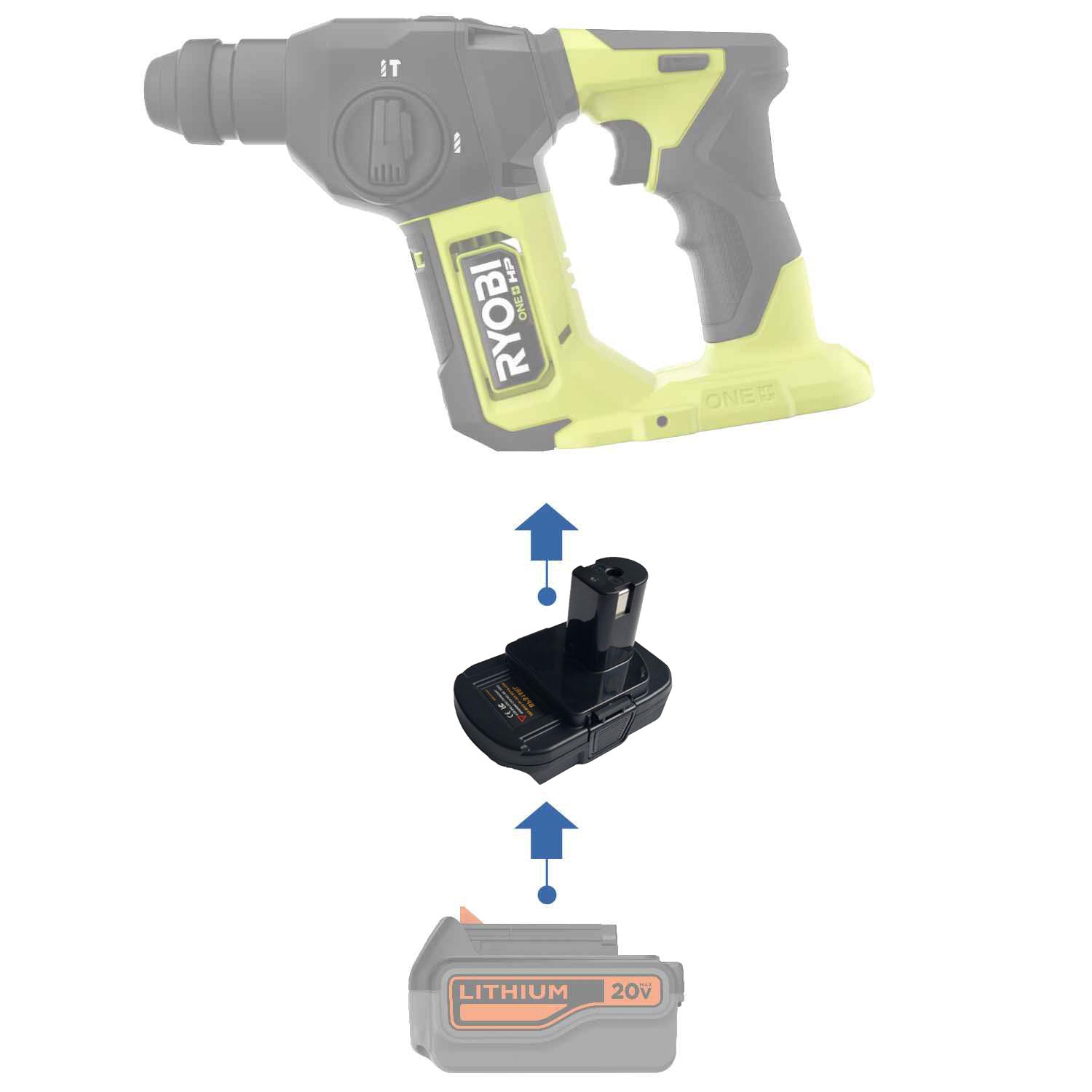
No, the two brands use different battery systems. Black and Decker’s 20V MAX batteries will not fit Ryobi tools, and Ryobi’s 18V ONE+ batteries won’t work with Black and Decker.
Do Either Brands Offer Professional-grade Drills?
While both brands are reliable, they are not considered professional-grade like DeWalt or Milwaukee. Ryobi comes closer with its brushless and high-torque models, but for heavy daily use on construction sites, a pro tool brand is better.
Finding the right drill is a personal decision, but understanding the real differences between Black and Decker and Ryobi will help you make a confident, informed choice. Think about your needs, your budget, and how you might grow your tool collection in the future.
With the right drill in your hands, every project becomes a bit easier and a lot more satisfying.