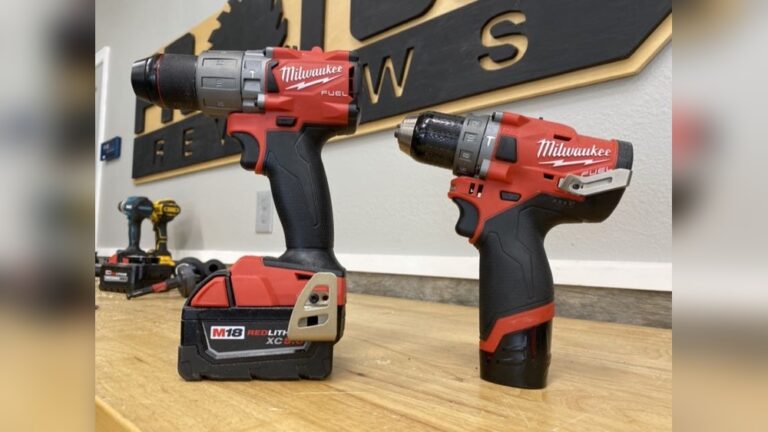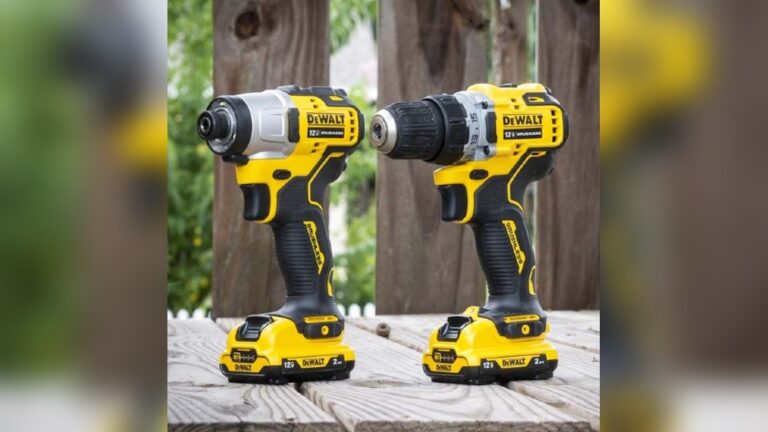
Choosing the right hammer drill can make a big difference for both professionals and DIY enthusiasts. When it comes to reliable brands, Milwaukee and DeWalt are often at the top of the list. Both have strong reputations for quality, performance, and innovation. But which one should you pick? The answer is not always simple—each brand has its own strengths and weaknesses, and the best choice depends on your specific needs.
This article takes a close look at Milwaukee hammer drills and DeWalt hammer drills. You’ll get a detailed, side-by-side comparison, including power, durability, features, price, and user experience. Whether you work in construction, handle home renovations, or just need a drill for occasional repairs, understanding these differences will help you make a confident decision.
What Is A Hammer Drill?
A hammer drill is a power tool that combines rotary drilling with a hammering action. This means the drill bit not only spins, but also moves in and out rapidly. This hammering motion helps the drill go through hard materials like concrete, brick, and stone. Unlike regular drills, hammer drills are designed for tough jobs that require both speed and strength.
Milwaukee and DeWalt both make hammer drills that can switch between regular drilling and hammer mode. This versatility makes them useful for many tasks beyond just masonry, such as wood and metal work.
Brand Overview: Milwaukee Vs. Dewalt
Milwaukee
Milwaukee Tool started in 1924 and is known for making heavy-duty power tools. Their focus is on innovation and durability. Milwaukee is popular among professionals in construction and industrial settings. Their tools often feature advanced technology and strong battery systems.
Dewalt
DeWalt has been around since 1923 and is famous for its reliable and user-friendly tools. DeWalt is trusted by both professionals and serious DIYers. Their products are known for good performance, safety features, and wide availability.
Both brands have a large selection of hammer drills, but their approach to design and technology can differ. Understanding these differences is key to choosing the right tool.
Power And Performance
A hammer drill’s power comes from its motor and battery (for cordless models). The amount of power affects how quickly and easily you can drill into tough materials.
Milwaukee Hammer Drills
Milwaukee often uses brushless motors in their hammer drills. Brushless motors offer more efficiency, longer life, and less heat. Milwaukee’s M18 FUEL line is especially strong, with drills that deliver up to 1,200 inch-pounds of torque and 2,000 RPM. This makes them excellent for heavy-duty work like drilling into concrete or thick wood.
Their REDLITHIUM battery system is also a highlight. These batteries last longer per charge and hold up well over time. Milwaukee drills usually have multiple speed settings, allowing you to adjust for different materials.
Dewalt Hammer Drills
DeWalt’s top models, especially from the 20V MAX XR series, also use brushless motors. Their high-end hammer drills offer up to 820 unit watts out (UWO) and 2,250 RPM. DeWalt drills have strong impacts per minute (IPM), sometimes reaching up to 38,250 BPM, which helps when working with hard masonry.
DeWalt’s FlexVolt system is another innovation. Some tools can switch between 20V and 60V, giving extra power when you need it. DeWalt drills typically have variable speed triggers for better control.
Real-world Example
If you’re drilling ½-inch holes in concrete, both brands perform well, but Milwaukee’s extra torque can make the job a bit faster, especially with larger bits. DeWalt’s higher BPM helps if you need to drill many small holes quickly.
Durability And Build Quality
When you invest in a power tool, you want it to last. Durability depends on materials, construction, and how well the tool handles tough conditions.
Milwaukee
Milwaukee tools are known for their rugged build. They use high-quality metal gears, reinforced housings, and advanced electronics to protect against overloads. Many users report their Milwaukee hammer drills survive drops, dust, and heavy daily use with minimal wear.
Some models have weather and debris seals to keep out dirt and moisture. This is especially useful on construction sites or in outdoor settings.
Dewalt
DeWalt tools also have a reputation for strong build quality. Their hammer drills often feature nitro-carburized metal chucks and over-molded grips for comfort and control. DeWalt pays attention to vibration reduction, which not only protects the tool but also makes it easier to handle.
DeWalt’s tools are slightly lighter on average, which can be an advantage for long jobs or overhead drilling.
Non-obvious Insight
A detail many beginners miss: while both brands are durable, Milwaukee tools tend to be slightly heavier. This added weight comes from more metal parts and extra protection, which can be good for toughness but tiring for some users.
Features And Technology
Modern hammer drills offer more than just raw power. Features like LED lights, clutch settings, and smart electronics can make work easier and safer.
Milwaukee
Key features in Milwaukee hammer drills often include:
- REDLINK PLUS Intelligence: This system protects the tool from overheating and overloading by monitoring performance in real time.
- All-metal chucks: Provide better grip and last longer than plastic.
- Multiple speed settings: Allow you to match speed to the material.
- LED work lights: Bright lights near the chuck help you see where you’re drilling.
- Battery fuel gauge: Shows how much charge is left.
Dewalt
DeWalt hammer drills offer:
- Three-mode operation: Choose between drill, hammer drill, or screwdriver mode.
- Precision Drive™: Reduces screw stripping and damage to materials.
- Ergonomic handle designs: Reduce fatigue and improve control.
- LED spotlights: Some models have three-level lighting with up to 20 minutes of shutoff delay, ideal for dark spaces.
- Battery compatibility: FlexVolt tools work with both 20V and 60V batteries.
Practical Example
If you often switch between tasks—like drilling into wood, then concrete, then driving screws—DeWalt’s three-mode operation can be handy. If you work on big projects where the drill could overheat, Milwaukee’s REDLINK PLUS is a real advantage.
Battery Life And Charging
Cordless hammer drills depend on battery performance. Milwaukee and DeWalt both offer advanced battery systems, but there are differences worth noting.
Milwaukee
Milwaukee’s REDLITHIUM batteries are designed for long life and consistent performance, even in cold weather. Many users find that Milwaukee batteries last longer per charge compared to similar DeWalt models, especially under heavy loads.
Milwaukee’s rapid chargers can refill an M18 battery in about 30–60 minutes, depending on the size.
Dewalt
DeWalt’s 20V MAX and FlexVolt batteries are also strong performers. The FlexVolt system is unique because it can deliver higher voltage for bigger tools. DeWalt batteries are known for reliability, and their fast chargers can recharge most packs in 30–60 minutes.
Non-obvious Insight
One thing beginners may not realize: battery compatibility can impact your tool choices. Milwaukee M18 batteries only work with M18 tools, while DeWalt’s FlexVolt batteries can power both 20V and 60V tools, giving you more flexibility if you own other DeWalt products.

Credit: toolguyd.com
Ergonomics And User Experience
Comfort and ease of use are important, especially if you use your drill for long periods.
Milwaukee
Milwaukee hammer drills tend to have chunkier grips and a slightly heavier feel. Some users find this gives better control, especially with heavy-duty jobs. The weight can help keep the drill steady but may cause fatigue during overhead or one-handed work.
Milwaukee’s belt clips and side handles are solid and easy to adjust. Their LED lights are bright but sometimes cast a shadow because of their placement.
Dewalt
DeWalt’s ergonomic design is a highlight. Their tools are often slimmer and lighter, making them easier to hold for long stretches. The grip texture reduces slipping, and the balance is good for precise drilling.
DeWalt’s LED lights are positioned to minimize shadows and offer better coverage in dark corners.
Real-world Example
If you’re working on a ladder or in tight spaces, DeWalt’s lighter weight and slimmer grip can make a difference. If you’re drilling large holes in concrete all day, Milwaukee’s extra heft might actually help keep the bit steady.
Price And Value
Price matters, but so does what you get for your money. Both brands offer tools at various price points, but their value can differ depending on your needs.
Milwaukee
Milwaukee hammer drills are usually a bit more expensive, especially for their top M18 FUEL models. You’re paying for extra features, advanced electronics, and higher torque. For professionals, the added cost can be worth it for the reliability and performance.
Dewalt
DeWalt hammer drills are often priced slightly lower, especially for kits that include batteries and chargers. They offer good value for both home users and professionals. DeWalt’s battery compatibility across tools can also save money if you buy more tools later.
Cost Comparison Example
A typical Milwaukee M18 FUEL hammer drill kit (with two batteries and charger) costs between $250 and $350. A similar DeWalt 20V MAX XR kit costs between $200 and $300. The exact price depends on sales, included accessories, and battery size.
Warranty And Customer Support
A good warranty can give you peace of mind, especially for expensive tools.
Milwaukee
Milwaukee usually offers a 5-year limited warranty on hammer drills. Batteries typically get a 2- or 3-year warranty, depending on the model. Milwaukee has a reputation for honoring warranties and providing fast repairs or replacements.
Dewalt
DeWalt offers a 3-year limited warranty on most hammer drills, with 1 year of free service and a 90-day money-back guarantee. Their warranty is solid, and customer service is generally rated highly.
Non-obvious Insight
Some users overlook the importance of service centers. Milwaukee has a slightly larger network of authorized service centers in North America, which can mean faster repairs if something goes wrong.
Comparing Popular Models
To help you see the differences clearly, here’s a direct comparison of two popular models: the Milwaukee M18 FUEL Hammer Drill (2804-20) and the DeWalt 20V MAX XR Hammer Drill (DCD996B).
| Feature | Milwaukee M18 FUEL (2804-20) | DeWalt 20V MAX XR (DCD996B) |
|---|---|---|
| Motor | Brushless | Brushless |
| Max Torque | 1,200 in-lbs | 820 UWO (approx. 820 in-lbs) |
| Max RPM | 2,000 | 2,250 |
| Max BPM | 32,000 | 38,250 |
| Weight (with battery) | 4.5 lbs | 4.1 lbs |
| Warranty | 5 years | 3 years |
Both tools are strong performers, but Milwaukee offers higher torque, while DeWalt provides higher speed and more hammer blows per minute.
Accessories And Kit Options
When buying a hammer drill, you’ll often choose between buying just the bare tool or a kit with batteries, charger, and case.
Milwaukee
Milwaukee kits usually include high-capacity REDLITHIUM XC batteries. Their hard cases are rugged and provide good protection. Milwaukee also offers a wide range of drill bits, handles, and other accessories designed to work seamlessly with their tools.
Dewalt
DeWalt kits often include compact or standard 20V MAX batteries and a charger. Their tool bags are durable and easy to carry. DeWalt’s drill bit sets are widely available and often a bit more affordable.
Practical Tip
If you already own other tools from the same brand, consider buying the bare tool to save money and avoid extra batteries you may not need.
Noise And Vibration
Hammer drills can be noisy and produce a lot of vibration, which affects comfort and hearing safety.
Milwaukee
Milwaukee hammer drills are slightly louder, with noise levels around 95–100 decibels during heavy use. Vibration is controlled well, but the heavier build means you’ll feel more of the tool’s mass.
Dewalt
DeWalt drills are a bit quieter, averaging 92–98 decibels. Their focus on ergonomic grips and balanced design helps reduce felt vibration, making long jobs less tiring.
Non-obvious Insight
If you work in quiet environments or shared spaces, the lower noise of DeWalt may be a small but meaningful advantage.
User Feedback And Community
Real-world user experiences can reveal strengths and weaknesses that specs alone do not show.
Milwaukee
Milwaukee users often praise the raw power and durability. Many professionals say their Milwaukee drill lasts for years, even with heavy daily use. The most common complaints are about weight and price.
Dewalt
DeWalt gets high marks for ease of use and versatility. Users like the lighter weight and good battery life. Some users note that DeWalt’s chucks can loosen after lots of use, but this is rare.
Example From The Field
A contractor who drills hundreds of holes in concrete each week may prefer Milwaukee for the extra torque. A home renovator who does a bit of everything may find DeWalt’s lighter weight and flexibility a better fit.
Which Brand Is Right For You?
Both Milwaukee and DeWalt make excellent hammer drills, but the best choice depends on your needs.
- Choose Milwaukee if you want maximum power, heavy-duty durability, and longer warranty. Ideal for professionals or demanding jobs.
- Choose DeWalt if you prefer lighter tools, excellent ergonomics, and broad battery compatibility. Great for DIYers, renovators, and those who value comfort.

Credit: www.youtube.com
Side-by-side Specification Table
Here’s a summary of how the two brands compare across key features.
| Category | Milwaukee | DeWalt |
|---|---|---|
| Power | High torque, efficient motors | High speed, strong BPM |
| Durability | Heavy-duty, rugged | Strong, slightly lighter build |
| Features | REDLINK, all-metal chucks | Three-mode operation, ergonomic design |
| Battery System | REDLITHIUM M18 | 20V MAX, FlexVolt |
| Price | Higher | Moderate |
| Warranty | 5 years | 3 years |
Common Mistakes When Choosing A Hammer Drill
- Ignoring tool weight: Heavier drills can cause fatigue in long jobs.
- Overlooking battery compatibility: Check if your batteries fit other tools you own.
- Focusing only on price: Cheaper models might lack features you need.
- Underestimating torque needs: For tough materials, higher torque makes a big difference.
- Skipping warranty details: A longer warranty can save money and stress.

Credit: www.youtube.com
Where To Buy
Both Milwaukee and DeWalt hammer drills are available at major hardware stores, online retailers, and specialty tool shops. For full product lines and specifications, visit the official DeWalt or Milwaukee websites.
Frequently Asked Questions
Is Milwaukee Or Dewalt Better For Concrete Drilling?
Both brands perform well, but Milwaukee’s higher torque is often better for large holes in tough concrete, while DeWalt’s higher BPM is good for many small holes.
Are Milwaukee Batteries Compatible With Dewalt Tools?
No, Milwaukee and DeWalt use different battery systems. You cannot swap batteries between brands.
Which Brand Offers A Longer Warranty?
Milwaukee usually offers a 5-year warranty on hammer drills, while DeWalt offers a 3-year warranty with some extra service options.
Can I Use Regular Drill Bits In A Hammer Drill?
Yes, you can use regular bits for wood or metal. For masonry, use special hammer drill bits designed for stone or concrete.
Which Is Better For Home Use?
For most home users, DeWalt is often the better choice due to its lighter weight, good battery life, and easy handling. However, if you want maximum power for big projects, Milwaukee is worth considering.
No matter your choice, both Milwaukee and DeWalt offer top-quality hammer drills that can handle demanding jobs. Take time to match the tool to your work style and needs—you’ll enjoy better results and more comfortable use.