When you need to drill holes in wood, metal, or plastic, the type of drill bit you choose can make a big difference. Two of the most popular options are titanium drill bits and black oxide drill bits. At first glance, they may look similar, but their performance, durability, and price can be very different. If you’re unsure which one is right for your toolbox, this guide will help you understand everything you need to know about titanium vs black oxide drill bits.
Choosing the right drill bit is not just about getting through the material. It’s about making clean holes, saving time, and reducing tool wear. For beginners and even experienced DIYers, it’s easy to overlook details like coatings, material hardness, and what the bits are best used for.
But those details can affect your results and how often you need to replace your bits.
Let’s break down the differences, advantages, disadvantages, and real-world uses for both titanium and black oxide drill bits. By the end, you’ll know exactly which type to pick for your next project and why.
What Are Titanium Drill Bits?
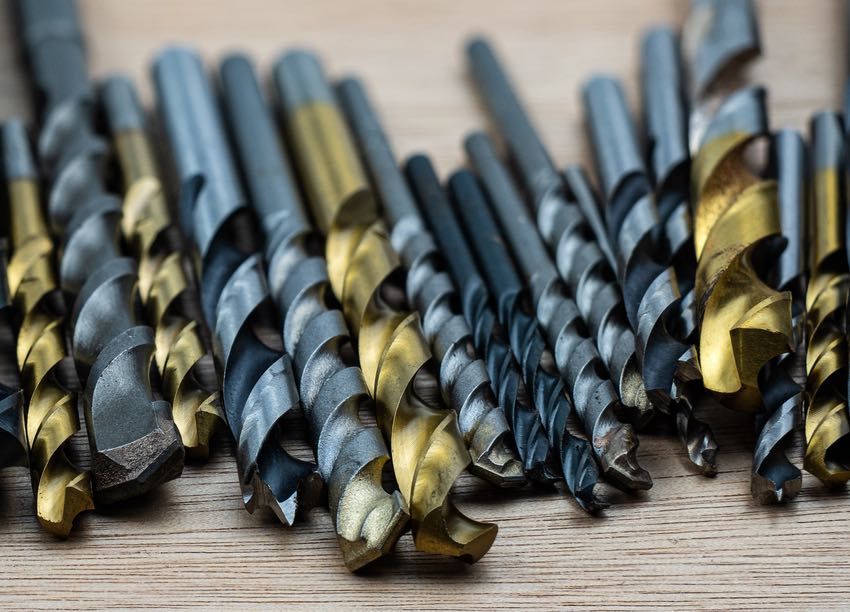
Titanium drill bits are not made entirely of titanium. Instead, they are usually made from high-speed steel (HSS) and then coated with a thin layer of titanium nitride (TiN). This coating gives them their gold color and makes them harder and more durable than standard steel bits.
The titanium nitride coating reduces friction, which means less heat is generated as you drill. This helps the bit stay sharp longer. Titanium drill bits are known for their long life, especially when used on metal, wood, and plastic.
Key Features Of Titanium Drill Bits
- Gold-colored coating for easy identification
- Excellent heat resistance due to TiN layer
- Longer lifespan compared to uncoated or black oxide bits
- Stay sharp longer with proper use
Common Uses
Titanium bits are especially good for drilling in:
- Hard metals like steel and iron (but not hardened steel)
- Wood (soft and hard types)
- Plastic
However, they are not recommended for drilling in masonry or concrete.
What Are Black Oxide Drill Bits?
Black oxide drill bits start as regular HSS bits but go through a chemical process called black oxide treatment. This process creates a black finish that gives the bits better corrosion resistance and makes them a bit tougher than plain HSS bits.
The black oxide finish helps the bit hold on to lubricants and reduces friction. This means the bits heat up less during use, which helps them last longer compared to uncoated HSS bits.
Key Features Of Black Oxide Drill Bits
- Black finish for easy recognition
- Improved durability over standard HSS
- Resists corrosion
- Better lubricant retention
Common Uses
Black oxide bits are suitable for:
- Wood (all types)
- Plastic
- Soft metals like aluminum and copper
They are not ideal for very hard metals or masonry.
How Do Titanium And Black Oxide Drill Bits Differ?
To help you clearly see the main differences, here’s a direct comparison:
| Feature | Titanium Drill Bits | Black Oxide Drill Bits |
|---|---|---|
| Base Material | High-Speed Steel (HSS) | High-Speed Steel (HSS) |
| Coating | Titanium Nitride (TiN) | Black Oxide |
| Color | Gold | Black |
| Durability | Very High | Moderate |
| Corrosion Resistance | High | Good |
| Heat Resistance | Excellent | Good |
| Cost | Higher | Lower |
| Best For | Hard metals, wood, plastic | Soft metals, wood, plastic |
Detailed Pros And Cons
Titanium Drill Bits
Advantages:
- Longer Life: Titanium bits stay sharp much longer than black oxide bits, especially when drilling metal.
- Less Friction: The coating reduces friction, making drilling smoother and faster.
- Heat Resistance: They can withstand higher temperatures, which is important for metalworking.
- Corrosion Resistance: The TiN coating protects the bit from rust and chemical damage.
- Clean Holes: They produce cleaner holes in metal and wood.
Disadvantages:
- Higher Price: Titanium drill bits usually cost more than black oxide bits.
- Cannot Be Sharpened Easily: When the coating wears off, sharpening the bit removes the titanium layer, reducing effectiveness.
- Not for Hardened Steel: They do not work well on very hard metals like stainless steel.
- Coating Can Wear Off: If used improperly (too much heat, wrong speed), the titanium layer can wear out quickly.
Black Oxide Drill Bits
Advantages:
- Affordable: Black oxide bits are less expensive, making them a good choice for casual users.
- Corrosion Protection: The oxide layer prevents rust, extending the bit’s life compared to plain HSS.
- Versatile: Good for many materials, especially wood and soft metals.
- Easy to Sharpen: Can be resharpened with standard tools, unlike coated bits.
Disadvantages:
- Shorter Lifespan: They dull faster than titanium bits, especially on metal.
- Lower Heat Resistance: Not as good for high-speed or heavy-duty drilling.
- Not for Hard Metals: They struggle with steel and other tough materials.
- Finish Wears Off: With heavy use, the black coating can wear away, making the bit more likely to rust.
Performance Comparison In Different Materials
Let’s compare how both types perform in common materials:
Wood
Both titanium and black oxide drill bits work well for wood. Titanium bits may stay sharp a little longer, but for most woodworking tasks, black oxide bits are more than enough. If you drill hundreds of holes or work with hardwood often, titanium may save you time in sharpening and changing bits.
Metal
Titanium bits clearly outperform black oxide bits in metal (especially mild steel, copper, and aluminum). The titanium coating makes drilling easier and extends the bit’s life. Black oxide bits can handle soft metals, but they dull quickly on harder metals. For stainless steel or tough alloys, neither is ideal—you’ll want cobalt drill bits instead.
Plastic
Both types are suitable for plastic. The main advantage of titanium here is its longer lifespan, but black oxide bits are usually fine for occasional plastic drilling.
Masonry
Neither titanium nor black oxide drill bits are made for masonry (brick, stone, concrete). Using them on these materials will damage the bits quickly. For masonry, use masonry drill bits with a carbide tip.
Price And Value
A big factor for many users is cost. Titanium drill bits can cost two to three times more than black oxide bits, depending on brand and size. If you only need to drill a few holes in wood or plastic, black oxide bits are a smart, budget-friendly choice. But if you regularly drill in metal or need bits that last, titanium bits are worth the investment.
Example Price Range
- Black oxide set (13 pieces): $10–$20
- Titanium set (13 pieces): $20–$40
Prices can go higher for professional-quality bits or larger sets. You can see updated prices and more details on sources like Wikipedia.

Credit: simpleweld.com
Real-world User Experiences
Many DIYers and professionals share similar feedback:
- Titanium bits are often preferred for projects involving a lot of metal drilling. One machinist reported getting “three times the life compared to black oxide bits when drilling mild steel.”
- Black oxide bits are seen as a good general-purpose bit. A carpenter noted, “For framing and everyday woodwork, black oxide bits do the job, and I don’t feel bad tossing them when they dull.”
An insight beginners miss: Drill speed matters. Even the best titanium bit will wear out fast if you drill too quickly or with too much pressure. For both types, using the right speed and occasional lubricant (like cutting oil on metal) will make your bits last much longer.
Another tip: Storage helps longevity. Keeping your bits clean and dry, and storing them in a case, will prevent rust and dulling.
Sharpening: Titanium Vs Black Oxide Bits
Black oxide drill bits can be resharpened multiple times with standard drill bit sharpeners or grinding tools. This makes them a cost-effective choice for people who don’t mind a bit of maintenance.
Titanium bits, on the other hand, lose their special coating when sharpened. Once the tip is ground, you’re left with regular HSS, which won’t perform as well as the original coated bit. If you plan to sharpen your bits often, black oxide is a better option.
Coating Thickness And Wear
The titanium coating on a drill bit is very thin—often less than 0.0005 inches thick. This is enough to make a difference in friction and hardness, but it wears off eventually, especially on the cutting edges. Black oxide is not a coating but a treatment, so it affects the whole surface, but does not add hardness.
A common misunderstanding: Some users think titanium bits stay sharp forever. In reality, the coating only protects the surface. Once it’s gone, the bit will dull like any HSS bit. Using the right feed rate, speed, and lubricant extends the life of both types.
Environmental And Safety Considerations
Titanium and black oxide drill bits are safe to use, but there are a few things to keep in mind:
- Metal dust: When drilling metal, always wear eye protection and a mask to avoid breathing in fine particles.
- Heat: Both types can get hot. Let the bit cool between holes and avoid touching the tip right after drilling.
- Disposal: Old bits can be recycled with other metal tools.

Credit: www.reddit.com
How To Choose: Key Decision Factors
When deciding between titanium and black oxide drill bits, consider these factors:
- Material You Will Drill
- Mostly wood or plastic? Black oxide is fine.
- Lots of metal? Titanium is better.
- Budget
- For rare use, black oxide saves money.
- For frequent use, titanium lasts longer and may save you money over time.
- Sharpening
- Willing to sharpen bits? Black oxide is best.
- Prefer “use and replace”? Titanium works well.
- Project Scale
- Big projects or commercial jobs? Titanium’s durability helps.
- Occasional repairs? Black oxide is sufficient.
Care And Maintenance Tips
To get the most life out of your drill bits:
- Clean after use: Wipe bits clean to remove dust and oil.
- Store properly: Keep in a dry place, ideally in a case.
- Cool the bit: Take breaks when drilling metal to reduce heat.
- Use lubricant: On metal, a drop of oil helps prevent overheating.
Credit: www.protoolreviews.com
Popular Brands And Quality Differences
Not all titanium and black oxide drill bits are equal. Cheap bits from unknown brands may have thin coatings or low-quality steel. Trusted brands like DEWALT, Bosch, and Makita offer reliable quality.
Some kits label bits as titanium, but only the tip is coated. Full-blanket titanium nitride coating is best for durability.
When To Replace Drill Bits
Drill bits should be replaced when:
- They become hard to push through material
- They make rough, oversized holes
- The tip is chipped or the coating is gone
Trying to keep using a dull bit will damage your workpiece and your drill.
Case Studies: Practical Examples
Case 1: Home Renovation
Maria, a DIYer, needed to hang shelves on wooden walls and install new metal handles. She started with a black oxide bit for the wood, which worked well. But when drilling into the metal handles, the bit dulled quickly. Switching to a titanium bit made the job easier and faster.
Case 2: Workshop Use
Jake runs a small workshop and often drills through both wood and aluminum. He uses black oxide bits for wood, but keeps a set of titanium bits for metal. He finds he replaces the black oxide bits more often, but the cost is lower.
Case 3: Professional Contractor
Linda works on commercial construction sites. She prefers titanium bits for their durability, as she can drill multiple holes in steel studs without swapping bits. For basic framing or drywall, her team uses black oxide bits to save money.
Advanced Tip: Split Point Vs Standard Point
Some titanium and black oxide bits have a split point tip (usually 135 degrees) instead of a standard 118-degree tip. Split points help the bit start drilling on contact, reducing walking (slipping), especially on metal. If you drill a lot of metal, look for bits with a split point.
At-a-glance Summary Table
For a quick reference, here’s a summary table:
| Type | Best for | Durability | Sharpenable | Price |
|---|---|---|---|---|
| Titanium | Metal, wood, plastic | High | No (coating lost) | Medium-High |
| Black Oxide | Wood, plastic, soft metals | Medium | Yes | Low |
Frequently Asked Questions
What Is The Main Difference Between Titanium And Black Oxide Drill Bits?
The key difference is the coating. Titanium bits have a gold titanium nitride coating, making them harder and more durable, especially for metal. Black oxide bits have a black oxide finish for better corrosion resistance but are not as hard or long-lasting.
Can Titanium Drill Bits Be Used On Stainless Steel?
Titanium bits can drill some stainless steel, but the coating wears off quickly. For regular drilling in stainless steel, cobalt drill bits are better.
How Do I Know When My Drill Bit Needs Replacing?
Replace your bit when it struggles to cut, makes rough holes, or if the tip looks chipped or the coating is gone. For precise work, always use a sharp bit.
Are Black Oxide Drill Bits Good For Wood?
Yes, black oxide bits are excellent for wood. They are affordable and easy to sharpen, making them a good choice for woodworking.
Which Drill Bit Type Should I Buy For Home Use?
If you mostly work with wood or plastic, black oxide bits are cost-effective. If you plan to drill metal often, invest in a set of titanium bits for longer life and better performance.
Whether you’re a hobbyist or a pro, choosing between titanium and black oxide drill bits depends on your materials, budget, and how often you drill. Both types have their strengths, but understanding their differences will help you get the best results and value for your projects.