Makita Vs Dewalt Hammer Drill: Which One Should You Choose?
Choosing a hammer drill is more than picking a power tool. It’s about making work easier, faster, and safer. For many professionals and homeowners, the big question is: Makita or Dewalt? These two brands dominate the world of hammer drills, each with a strong reputation for power, durability, and innovation. But which one truly fits your needs?
The answer depends on your projects, preferences, and budget. Some people want maximum power for heavy-duty jobs. Others need reliability for daily use. Maybe you’re searching for a tool that’s comfortable for long hours, or a drill that won’t run out of battery during a critical task.
In this guide, you’ll discover the strengths and weaknesses of both Makita and Dewalt hammer drills. You’ll see real-world examples, practical tips, and data that most buyers overlook. If you want to invest wisely—and avoid common mistakes—read on.
Brand Background: Makita And Dewalt
Before comparing features, it’s good to know where these brands come from. History often explains why tools are built the way they are.
Makita
Founded in Japan in 1915, Makita started as an electric motor repair company. Over time, it grew into one of the world’s largest manufacturers of power tools. Makita is known for its innovation, smooth operation, and reliable performance. The brand invests heavily in research and development, which means you often see new tech in their tools before competitors.
Makita’s tools are popular among professionals who value precision and a balanced feel. While often considered slightly more expensive, many users feel the quality justifies the price.
Dewalt
Dewalt is an American brand founded in 1924. It quickly became famous for tough, jobsite-ready tools. Dewalt’s yellow and black color scheme is now an icon for durability and power. The brand is part of Stanley Black & Decker, a giant in the tool industry.
Dewalt’s hammer drills are made for demanding environments. They’re used by construction workers, electricians, and serious DIYers who need tools that can survive drops, dust, and heavy use. Dewalt is known for innovation too, especially in battery technology and tool connectivity.
Hammer Drill Basics
Understanding what a hammer drill does helps you choose the right model. Both Makita and Dewalt make different types, but the main idea is the same.
A hammer drill combines rotary drilling with a rapid hammering action. It’s the go-to tool for drilling into hard materials like concrete, brick, and stone. The hammering function helps break up the material while the bit spins, making tough jobs much easier.
There are two main types:
- Corded hammer drills: Run on electricity; usually more powerful and don’t run out of battery.
- Cordless hammer drills: Use rechargeable batteries; offer more mobility and convenience, but depend on battery life.
Most modern users prefer cordless models for flexibility, but corded drills are still common for very heavy work.

Credit: www.youtube.com
Key Features Compared
Let’s look at the most important features side by side. These factors affect how the drill feels, how long it lasts, and whether it’s right for your work.
Power And Performance
Power is crucial if you’re drilling into tough materials. It’s measured in volts (V) for cordless drills and amps (A) for corded.
Voltage And Motor Strength
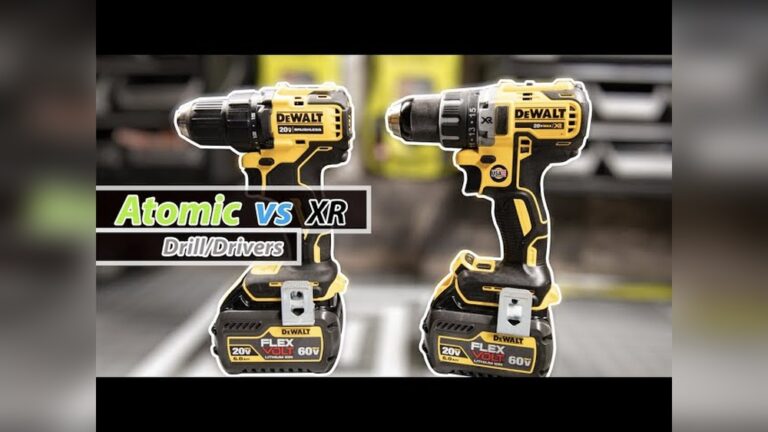
Makita and Dewalt both offer 18V and 20V cordless hammer drills. However, Dewalt’s “20V Max” is a marketing term; the actual voltage is similar to Makita’s 18V.
- Makita: 18V LXT line is the standard. The latest models use brushless motors, which are efficient and long-lasting.
- Dewalt: 20V Max XR series is comparable. Dewalt also uses brushless motors for more power and runtime.
Hammering Action
Hammering rate is measured in blows per minute (BPM). More BPM means the drill can chip through hard material faster.
- Makita: Up to 31,500 BPM in premium models
- Dewalt: Up to 34,000 BPM in top models
Speed And Torque
Speed (rotations per minute, RPM) and torque (twisting force) tell you how fast and strong the drill is.
- Makita: High-end models reach up to 2,100 RPM and 1,250 in-lbs of torque
- Dewalt: Premium drills hit 2,000 RPM and around 1,200 in-lbs of torque
Makita usually leads in RPM, while Dewalt is close behind in torque.
Durability And Build Quality
A good hammer drill must survive rough use. Both brands use strong materials and advanced design, but with different approaches.
- Makita: Lightweight magnesium or aluminum housings. Rubber overmolding for grip and shock absorption. Focus on balance and smooth operation.
- Dewalt: Often heavier, with reinforced plastic and steel parts. Built to survive drops and impact. Extra dust and moisture resistance in some models.
Battery System
Battery life can be a deal-breaker. No one wants a dead tool in the middle of a job.
- Makita LXT: 18V and 40V batteries, backward compatible with older tools. Fast charging (as little as 30 minutes for 5.0Ah batteries). Batteries have heat management to prevent damage.
- Dewalt XR: 20V Max and FlexVolt batteries. FlexVolt can switch between 20V and 60V for bigger tools. Dewalt’s chargers are fast, but batteries can be a bit bulkier.
Makita batteries are often lighter, but Dewalt’s FlexVolt system offers more flexibility if you own other Dewalt tools.
Ergonomics And User Comfort
How a drill feels in your hand is often overlooked but extremely important for long jobs.
- Makita: Emphasizes lightweight bodies, even weight distribution, and comfortable grips. Less vibration, which reduces fatigue.
- Dewalt: Slightly bulkier but with thicker handles and aggressive grip patterns. Some people prefer the solid, heavy feel.
Non-obvious insight: Try holding both brands if possible. Even a small difference in weight or grip can affect your wrist after hours of use.
Clutch Settings And Control
Both brands offer adjustable clutches. This lets you control the power and avoid stripping screws or damaging materials.
- Makita: 21-24 clutch settings in most models; easy to adjust with a smooth dial.
- Dewalt: 15-17 settings, often with a strong “click” for feedback.
If you need very fine control, Makita has a slight edge.
Noise And Vibration
Hammer drills are loud, but not all noise is equal.
- Makita: Quieter operation and less vibration thanks to motor design and soft-start technology.
- Dewalt: Louder, especially in hammer mode. However, the noise is often a sign of raw power.
Noise matters if you work indoors or for long periods.
Price And Value
Price can vary based on features and where you buy, but both brands are in the “pro-grade” range. Here’s a typical cost comparison for mid-range cordless hammer drills (bare tool, no battery):
| Brand | Model Example | Typical Price (USD) | Warranty |
|---|---|---|---|
| Makita | XPH07Z | $140-$160 | 3 years |
| Dewalt | DCD996B | $130-$150 | 3 years |
Both brands offer regular promotions, so watch for deals. Dewalt sometimes includes batteries or cases in bundles, which can add value.
Top Models: Head-to-head
Let’s look at two popular flagship models: Makita XPH07Z and Dewalt DCD996B. They’re both bestsellers among professionals and serious DIYers.
Makita Xph07z
- 18V LXT brushless motor
- 1,090 in-lbs max torque
- 0-2,100 RPM; 0-31,500 BPM
- 5.9 lbs with battery
- All-metal gear housing
- 21 clutch settings
Dewalt Dcd996b
- 20V Max XR brushless motor
- 1,200 in-lbs max torque
- 0-2,000 RPM; 0-34,000 BPM
- 4.7 lbs with battery
- 3-speed transmission
- 15 clutch settings
Here’s how they compare directly:
| Feature | Makita XPH07Z | Dewalt DCD996B |
|---|---|---|
| Torque | 1,090 in-lbs | 1,200 in-lbs |
| RPM | 0-2,100 | 0-2,000 |
| BPM | 0-31,500 | 0-34,000 |
| Weight (with battery) | 5.9 lbs | 4.7 lbs |
| Clutch Settings | 21 | 15 |
| LED Light | Yes | Yes (3 modes) |
Non-obvious insight: Dewalt’s weight advantage seems small, but for overhead work, every ounce counts. However, Makita’s higher clutch settings can help with delicate fasteners.
Real-world Performance
Lab data is useful, but how do these drills perform on actual jobs?
Concrete Drilling
Both Makita and Dewalt drills can bore 1/2-inch holes in standard concrete with ease. In side-by-side tests:
- Makita: Feels smoother, less vibration; sometimes slightly slower.
- Dewalt: Faster penetration, but more “kick” and noise.
Wood And Metal Work
For wood and metal, both brands perform well. Dewalt’s higher torque helps with large screws and lag bolts, while Makita’s speed is better for drilling multiple small holes quickly.
Battery Runtime
With a 5.0Ah battery:
- Makita: Drills about 60-70 1/4-inch holes in concrete per charge.
- Dewalt: Very similar, 65-75 holes.
Battery performance depends on temperature, bit sharpness, and drill settings.
Longevity
Both drills can last for years with proper care. Users report Makita motors often run cooler, which can mean longer life. Dewalt’s rugged cases protect against drops and dust.
Non-obvious insight: Regularly cleaning the vents and using sharp bits can double the lifespan of any hammer drill.
User Experience And Feedback
What do real users say? Reviews and forum posts reveal patterns:
- Makita users praise the quiet operation, low vibration, and excellent battery life. Some wish for lighter weight.
- Dewalt fans love the raw power and rugged feel. Some say the handles can be too thick for small hands.
Both brands have strong service networks for repairs and warranty claims.
Accessories And Compatibility
A hammer drill is only as good as the bits and accessories you use. Here’s how the ecosystems compare:
- Makita: LXT system supports 275+ tools (drills, saws, blowers, etc.) With the same batteries. High-quality hammer drill bits available, but sometimes pricier.
- Dewalt: 250+ tools in the 20V Max line, plus FlexVolt for big equipment. Wide range of drill bits, cases, and attachments; often found in big box stores.
If you already own other Makita or Dewalt tools, staying in the same battery platform saves money.

Credit: www.youtube.com
Common Buyer Mistakes
Many first-time buyers make mistakes that cost time and money. Here’s what to watch out for:
- Ignoring ergonomics: Don’t just focus on power. If the drill feels awkward, you’ll hate using it.
- Buying too much power: If you mostly drill wood or drywall, a heavy-duty hammer drill is overkill.
- Skipping battery quality: Cheap, low-Ah batteries reduce runtime and tool life.
- Not checking compatibility: Some batteries and chargers aren’t cross-compatible, even within the same brand.
- Overlooking warranty and service: Not all sellers honor brand warranties. Buy from authorized dealers.
Non-obvious insight: Always check if the package includes a side handle. Hammer drills without handles are harder to control during heavy drilling.
Which Hammer Drill Is Best For You?
There’s no one-size-fits-all answer. Here’s a guide based on common needs:
- For heavy concrete work: Dewalt’s extra torque and rugged build are ideal.
- For all-day drilling or small hands: Makita’s comfort and balance make a big difference.
- If you own other tools from a brand: Stick with the same battery system for convenience.
- For the best value: Watch for bundles; Dewalt often includes extra batteries or cases.
- If you need fine control: Makita’s higher clutch settings help with delicate work.
How To Get The Most From Your Hammer Drill
Buying a great tool is just the start. Here’s how to maximize performance and tool life:
- Always use sharp, high-quality bits for smoother drilling and less wear.
- Don’t force the drill; let the tool do the work.
- Keep the battery charged but avoid storing it fully charged for months.
- Clean the vents and chuck after dusty jobs.
- Use the side handle for safety, especially in hammer mode.
If you need more information on how hammer drills work, Wikipedia’s hammer drill page gives a detailed overview.
Frequently Asked Questions
Is A Hammer Drill The Same As A Regular Drill?
No, a hammer drill adds a hammering motion to the standard rotary movement. This lets it drill into hard materials like concrete and brick, while regular drills are mainly for wood and metal.
Can Makita Batteries Work In Dewalt Tools?
No. Makita and Dewalt batteries are not compatible. Each brand uses a different shape, voltage, and connection system. Some third-party adapters exist, but they can damage your tools and void the warranty.
Which Is More Durable, Makita Or Dewalt?
Both brands are highly durable. Dewalt is known for tough, heavy-duty cases and better drop resistance. Makita focuses on smooth operation and balanced weight, which reduces long-term wear. For extreme jobsite abuse, Dewalt may have a slight edge.
Do I Need A Corded Or Cordless Hammer Drill?
If you need maximum power for long periods, a corded drill might be better. For most users, cordless drills are more convenient and powerful enough for most tasks. Battery tech has improved a lot in recent years.
What’s The Best Way To Maintain My Hammer Drill?
- Use sharp bits and the right drill mode.
- Clean dust from vents and chuck regularly.
- Store batteries at room temperature.
- Check for loose screws or parts before each use.
- Follow the user manual for lubrication and service intervals.
Choosing between Makita and Dewalt hammer drills is about finding the right tool for your style and work. Both are excellent. The best choice is the one that feels right in your hand, matches your budget, and fits your project needs.
Make your decision with confidence and enjoy years of reliable drilling.
Credit: www.protoolreviews.com