When it comes to power tools for heavy-duty drilling and chiseling, Hilti and Milwaukee are two names professionals trust. Both brands offer hammer drills that promise speed, power, and durability on the jobsite. But choosing between them is not easy. Each has strengths that stand out, and each appeals to different kinds of users. If you are deciding between a Hilti or Milwaukee hammer drill, this guide will walk you through everything you need to know—performance, design, features, value, and which is best for your needs.
Whether you are a contractor, a serious DIYer, or someone buying your first rotary hammer, you want a tool that can handle tough materials like concrete, brick, and stone. You also want your investment to last for years. The right hammer drill can make your work faster, safer, and more precise.
But what really separates Hilti and Milwaukee? Let’s take a closer look at both brands and see how their hammer drills compete in real-world use.
Brand Reputation And History
Hilti: The Professional’s Choice
Hilti is known for its focus on high-quality tools for construction professionals. Founded in Liechtenstein in 1941, Hilti has a strong reputation for engineering excellence and durability. Their tools are often found on large commercial sites and are trusted by contractors who use them daily. Hilti also offers strong customer support, including long warranties and repair services, which adds to the brand’s appeal for professionals who rely on their tools.
Milwaukee: Innovation For Everyone
Milwaukee Tool started in 1924 in the USA. Over the years, it has become famous for innovation, especially in cordless technology. Milwaukee hammer drills are popular not only with pros, but also with advanced DIYers and homeowners. The brand is known for its wide range of tools, smart features, and powerful batteries. Milwaukee’s focus on user-friendly design has made it a favorite for many who want both power and convenience.
Key Differences Between Hilti And Milwaukee Hammer Drills
Before comparing specific models, it helps to understand the major differences between the two brands’ hammer drills:
- Target Audience: Hilti is mainly for professional use. Milwaukee appeals to both professionals and DIYers.
- Price Point: Hilti tools are usually more expensive due to their robust build and service support. Milwaukee offers more options at a range of prices.
- Cordless vs. Corded: Both brands have strong cordless lines, but Milwaukee’s M18 and M12 platforms are more widely adopted.
- Warranty and Service: Hilti’s warranty is often longer and includes comprehensive repair services.
- Aftermarket Accessories: Milwaukee has a broader range of compatible accessories and batteries.
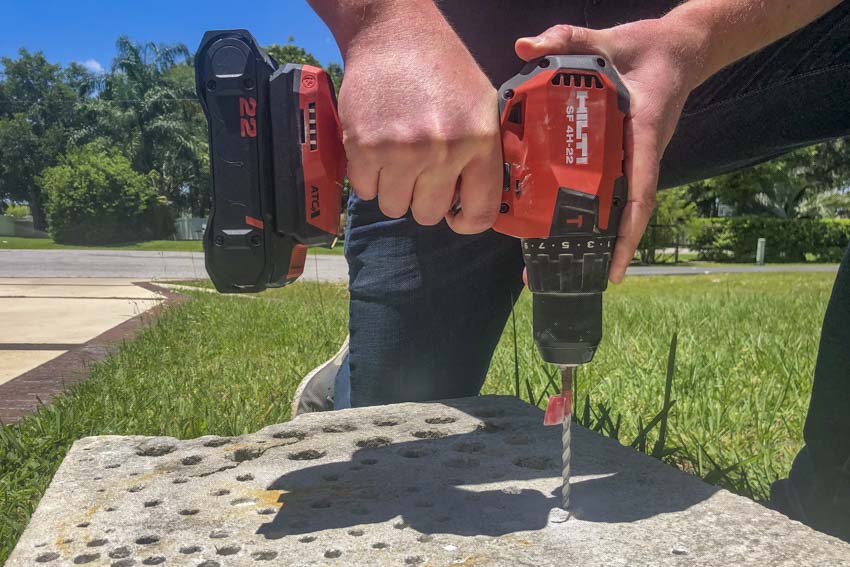
Credit: www.protoolreviews.com
Performance Showdown: Power, Speed, And Endurance
Power Output And Motor Design
Hammer drills are all about power. Both Hilti and Milwaukee use brushless motors in their top models, which means better efficiency, less heat, and longer tool life.
For example:
- The Hilti TE 6-A36 cordless rotary hammer delivers 2.5 joules of impact energy.
- The Milwaukee M18 FUEL 2712-20 rotary hammer offers 2.1 joules.
While both are strong, Hilti slightly leads in pure impact energy, which translates to faster drilling in concrete and masonry. However, Milwaukee’s power is still impressive, especially considering its lighter weight.
Speed And Drilling Performance
Speed matters when you are drilling multiple holes or working with tough materials. Here’s a quick comparison of drilling speed in concrete:
| Model | Drilling Speed (12mm in Concrete) | Max RPM |
|---|---|---|
| Hilti TE 6-A36 | ~6 seconds | 1,050 |
| Milwaukee M18 FUEL 2712-20 | ~8 seconds | 1,400 |
Hilti usually drills a bit faster in dense material, but Milwaukee’s higher RPM can be an advantage for lighter work or wood drilling.
Battery Performance And Runtime
Cordless technology has changed how hammer drills are used. Milwaukee’s REDLITHIUM batteries are known for reliability, but Hilti’s 36V packs offer more energy per charge.
- Hilti’s 36V batteries last longer when drilling larger holes or using chiseling mode.
- Milwaukee’s M18 batteries are lighter and charge quickly, which is helpful for frequent use.
A non-obvious insight: Many users overlook that Hilti batteries maintain consistent power until the very last charge, reducing “power fade.” In contrast, Milwaukee batteries drop off a bit more as they near empty.
Vibration And User Comfort
Long drilling jobs can cause fatigue, especially if the tool vibrates a lot. Both brands use anti-vibration technology, but Hilti’s AVR (Active Vibration Reduction) is well known for keeping vibration low.
In side-by-side tests, Hilti hammer drills often produce about 20% less vibration than Milwaukee equivalents. This may not seem huge, but over a long day, it can reduce arm strain and risk of injury.
Design And Build Quality
Ergonomics
Both Hilti and Milwaukee pay attention to user comfort, but they have different design philosophies.
- Hilti handles are typically thicker and more cushioned, ideal for long hours.
- Milwaukee tools are slimmer and lighter, making them easier to use overhead or in tight spots.
Materials And Construction
Hilti uses more metal parts inside their tools. This makes them heavier, but also more rugged. Milwaukee uses high-grade plastics with metal reinforcements, which helps keep weight down without sacrificing too much strength.
A detail beginners often miss: Hilti’s build quality is so robust that their drills can often survive accidental drops or harsh site conditions better than Milwaukee’s.
Features: What Sets Each Apart
Hilti’s Standout Features
- Active Vibration Reduction (AVR): Reduces user fatigue.
- Dust Removal Systems: Attachments for cleaner drilling.
- Comprehensive Service: 2-year no-cost repair, even for wear and tear.
- Corded and Cordless Range: Both options for different jobs.
Milwaukee’s Standout Features
- ONE-KEY Technology: Lets you track, manage, and customize your tool from your phone.
- REDLINK PLUS Intelligence: Prevents overheating and overloading.
- Wide Compatibility: One battery for over 200 tools.
- Affordable Accessories: Easier to expand your tool kit.
Here is a quick side-by-side features table:
| Feature | Hilti | Milwaukee |
|---|---|---|
| Anti-vibration | Yes (AVR) | Yes (Reduced, but less advanced) |
| Tool Tracking | No | Yes (ONE-KEY) |
| Warranty | Up to 20 years limited | 5 years limited |
| Battery Platform | 22V, 36V | M18 (18V), M12 (12V) |
Durability And Lifespan
Field Reports And Real-world Experience
Professionals often say Hilti hammer drills last longer, especially with daily heavy use. It’s common to find Hilti tools still working well after 5–10 years. Milwaukee’s lifespan is also impressive, but heavy users may notice more wear after 3–5 years.
One reason: Hilti’s internal parts are designed for frequent, high-impact use, while Milwaukee’s are optimized for a balance of power and portability.
A non-obvious tip: Many Hilti owners use their drills for both drilling and chiseling without much worry. Milwaukee tools can chisel, but frequent heavy chiseling may shorten their lifespan.
Price And Value
Upfront Cost
Hilti hammer drills are among the most expensive on the market. For example:
- Hilti TE 6-A36 kit: Around $950–$1100 (with charger and battery)
- Milwaukee M18 FUEL 2712-20 kit: Around $450–$600
Long-term Value
While Hilti costs more, it often pays off in long-term durability and fewer repairs. Milwaukee is easier on the budget and gives you access to a huge family of tools, making it a good choice for those who want flexibility.
Service And Support
Hilti’s service is best-in-class. Their warranty covers even wear and tear for two years, and repairs are fast. Milwaukee offers a solid five-year warranty, but does not include wear and tear. For heavy users, this difference can be significant.
Use Cases: Which Brand Fits Your Needs?
For Contractors
If you work in commercial construction, regularly drill into concrete, and need a tool to last for years, Hilti is usually worth the investment. The higher price is balanced by reliability, service, and comfort.
For Homeowners And Diyers
If you use a hammer drill a few times a month, or need a tool for both work and home, Milwaukee is hard to beat. Its performance is close to Hilti’s, and the value for money is strong.
For Mixed Use
If you need to switch between drilling, driving, and other tasks, Milwaukee’s battery system and wide tool range are a big plus. Hilti’s tools are best for dedicated drilling and chiseling jobs.

Credit: www.youtube.com
Pros And Cons At A Glance
Here’s a summary of what each brand does best and where it may fall short.
Hilti Hammer Drill
Pros:
- Superior durability and build quality
- Low vibration for user comfort
- Long warranty and full service
- Excellent for heavy, daily use
Cons:
- High upfront cost
- Heavier than some competitors
- Fewer smart features
Milwaukee Hammer Drill
Pros:
- Affordable, especially for cordless kits
- Wide range of compatible tools and batteries
- Smart features like ONE-KEY
- Lightweight and easy to handle
Cons:
- Slightly less durable in extreme conditions
- Warranty does not cover wear and tear
- More power fade as the battery nears empty
Common Mistakes When Choosing A Hammer Drill
- Ignoring Vibration Control: Many beginners think all hammer drills are similar, but low vibration helps you work longer with less fatigue.
- Not Checking Service Support: A tool is only as good as its backup. Hilti’s service can save you money over time.
- Choosing Power Over Comfort: The most powerful drill isn’t always the best—think about how long you’ll be holding it.
- Overlooking Battery Compatibility: If you own other cordless tools, sticking to the same battery system can save you money.
- Focusing Only on Price: The cheapest tool may cost more in repairs or replacement if you use it heavily.
Real-world User Experiences
Many contractors report that their Hilti hammer drills have survived years of daily use, even in harsh environments. One user shared that his TE 6-A36 lasted seven years with no major repairs, even after being dropped from scaffolding.
Milwaukee users often praise the convenience of swapping batteries between tools, and the smart features that help track tool usage and location. Some DIYers say Milwaukee gives them “pro-level” power without the intimidating weight or price.
Practical Tips For Choosing The Right Hammer Drill
- Think about your main use: For heavy-duty concrete drilling, Hilti shines. For mixed materials or lighter work, Milwaukee’s flexibility is better.
- Consider tool weight: If you work overhead or move around a lot, Milwaukee’s lighter models may save your arms.
- Battery life matters: For long jobs, choose a tool with a high-capacity battery or bring a spare.
- Check local service: Hilti’s rapid repair is a lifesaver if you can’t afford downtime.
- Test the grip: What feels comfortable for one person may not for another—try holding both before buying if possible.
When To Upgrade Your Hammer Drill
If your current drill struggles with concrete, overheats, or needs frequent repairs, it may be time to consider a new model. Upgrading to a brushless, low-vibration tool can make a big difference in speed and comfort.
Who Wins: Hilti Or Milwaukee?
There is no single “best” hammer drill for everyone. The right choice depends on your needs, budget, and how often you use the tool. Hilti is hard to beat for pure performance and long-term reliability. Milwaukee offers excellent value, smart features, and compatibility across a huge range of tools.
If you are a professional who relies on your hammer drill daily, Hilti is a wise investment. If you want a flexible, powerful tool for home improvement or light contracting, Milwaukee is an outstanding choice.
For more technical specifications and detailed comparisons, you can visit the Hilti Technical Literature Center.

Credit: www.youtube.com
Frequently Asked Questions
What Is The Main Difference Between Hilti And Milwaukee Hammer Drills?
Hilti hammer drills are built for heavy, daily professional use, with superior durability and low vibration. Milwaukee hammer drills focus on flexibility, smart features, and are more affordable, making them good for both pros and serious DIYers.
Are Hilti Hammer Drills Worth The Higher Price?
If you use a hammer drill every day or for large commercial jobs, Hilti’s long life and service support often justify the cost. For occasional or light use, Milwaukee usually offers better value.
Can I Use Milwaukee Batteries In Hilti Tools Or Vice Versa?
No, the battery systems are not compatible. Hilti uses 22V and 36V batteries, while Milwaukee uses its M18 and M12 lines. If you already own tools from one brand, it is usually best to stay with that system.
Which Hammer Drill Is Better For Drilling Into Concrete?
Both brands perform well, but Hilti’s higher impact energy and advanced anti-vibration make it slightly better for frequent, heavy-duty concrete drilling.
How Long Do Hilti And Milwaukee Hammer Drills Last?
With proper care, Hilti hammer drills can last 5–10 years or more, especially in professional settings. Milwaukee hammer drills also last several years, but may show more wear with heavy, daily use.
Choosing between Hilti and Milwaukee is about more than just specs—it’s about finding the right balance of power, comfort, and value for your work. With this guide, you can make a confident choice and get more from every project.