Choosing between a Dremel rotary tool and a traditional drill is a decision that impacts DIYers, hobbyists, and professionals alike. While both tools are essential in the workshop, they serve distinctly different purposes and excel in unique applications. For someone new to power tools, the differences may seem subtle, but understanding what sets a Dremel apart from a drill can dramatically improve project outcomes, efficiency, and even safety.
Whether you’re considering a Dremel for its famed precision or a drill for its raw power, making the right choice means evaluating your needs, budget, and the tasks at hand. This comprehensive guide strips away the confusion, comparing Dremel rotary tools and electric drills across all critical factors, from performance and versatility to ergonomics and maintenance.
By the end, you’ll know exactly which tool belongs on your workbench and why.
Key Takeaways
- Dremel rotary tools are ideal for detailed, precision work such as engraving, polishing, and light cutting, while drills excel at heavy-duty tasks like drilling holes and driving screws.
- Each tool has unique strengths, with Dremels offering higher RPMs for fine control and drills providing more torque for tough materials.
- Choosing the right tool depends on factors like material, project type, and desired finish quality.
- Maintenance, accessory compatibility, and ergonomics differ significantly between Dremels and drills, impacting long-term usability.
- Real-world examples highlight when a Dremel outperforms a drill, and vice versa, providing practical insights for users.
- Understanding each tool’s limitations helps prevent costly mistakes and ensures optimal results for every project.

Credit: www.innotechconsulting.com
Understanding Dremel Rotary Tools
Dremel rotary tools have become synonymous with versatility and precision in the world of compact power tools. They are designed to handle a broad range of tasks, primarily through their high-speed rotation and adaptability to various attachments.
What Is A Dremel Rotary Tool?
A Dremel rotary tool is a handheld power tool that spins a variety of accessories at speeds up to 35,000 RPM. Unlike drills, which are optimized for torque and power, Dremels are built for speed and finesse. Their lightweight design and small size make them perfect for intricate tasks.
Key characteristics:
- High RPM (typically 5,000, 35,000)
- Wide range of compatible attachments
- Lightweight and easy to maneuver
- Suited for precision work
Typical Applications
Dremel tools are popular among hobbyists, jewelers, woodworkers, and even automotive professionals. Their applications include:
- Engraving and carving wood, metal, glass, or plastic
- Polishing jewelry and metal parts
- Grinding and sharpening tools and blades
- Cutting thin materials like metal sheets, plastic, or drywall
- Sanding small surfaces and finishing edges
Accessories And Attachments
The Dremel ecosystem boasts hundreds of accessories, including:
- Cut-off wheels for metal and plastic
- Diamond bits for glass and stone
- Sanding drums for smoothing surfaces
- Polishing pads for finishing
- Router and flex shaft attachments for increased versatility
These attachments allow a single Dremel tool to replace several specialized devices, making it a favorite for compact workshops.
Limitations Of Dremel Rotary Tools
Despite their flexibility, Dremel tools are not suitable for every job:
- Limited torque restricts use on hard, thick materials
- Not designed for drilling large holes or driving screws
- Attachments wear out quickly when used on tough tasks
- Can overheat with prolonged use on dense materials
Pro Tip: Use the correct accessory for each material to avoid premature wear and ensure safety.
Drill Fundamentals: Power, Performance, And Applications
Drills are a cornerstone of any tool collection, known for their brute force and reliability. They come in corded and cordless models, each offering distinct advantages.
What Is An Electric Drill?
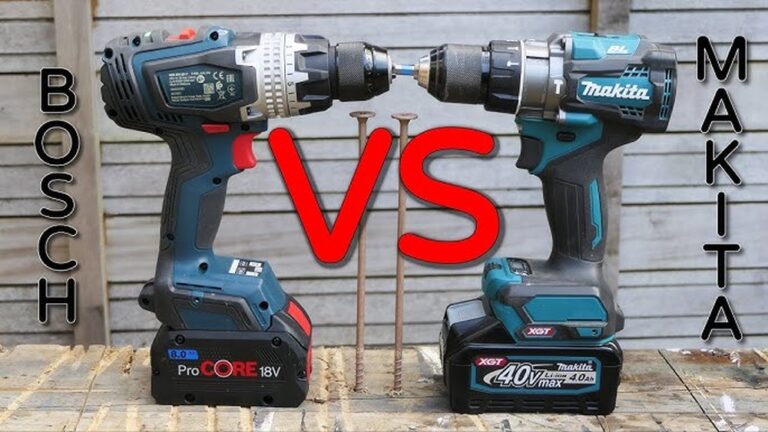
An electric drill is a power tool designed to drill holes or drive screws into various materials. Unlike Dremels, drills are optimized for torque, the force needed to rotate a bit through tough substances.
Key characteristics:
- Lower RPMs (typically up to 3,000)
- High torque output
- Heavier and larger than Dremels
- Designed for durability and repeated use
Common Types Of Drills
- Cordless drills: Powered by rechargeable batteries, ideal for portability.
- Corded drills: Plug into an outlet, offer consistent power for long periods.
- Hammer drills: Provide a pounding action for masonry and concrete.
- Right-angle drills: Designed for tight spaces.
Standard Uses
Drills are essential for:
- Drilling holes in wood, metal, masonry, and plastic
- Driving screws for assembly and construction
- Mixing paint or mortar (with special attachments)
- Hole saw cutting for larger diameter holes
Drill Bit And Accessory Options
Most drills accept a wide range of bits:
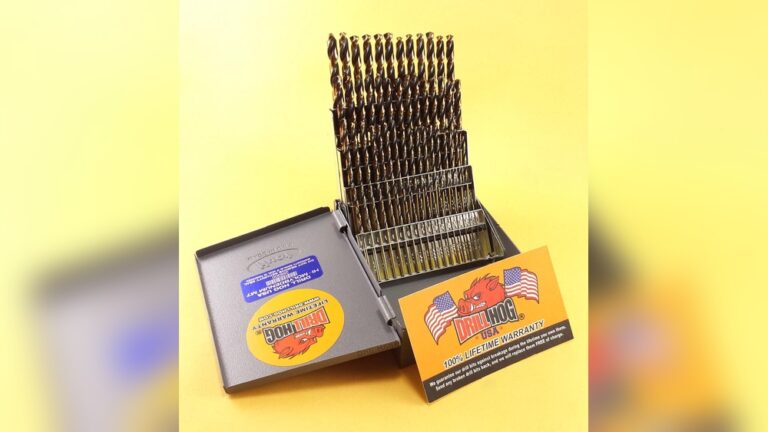
- Twist bits for general drilling
- Spade bits for large holes in wood
- Hole saws for plumbing and electrical work
- Screwdriver bits for driving fasteners
Some drills are compatible with sanding or polishing attachments, but these are less efficient compared to Dremel accessories.
Drill Limitations
Even with their power, drills have certain constraints:
- Lack the fine control needed for intricate work
- Bulky and harder to maneuver in small spaces
- May cause splintering or rough finishes on delicate projects
- Heavy, which can lead to fatigue during extended use
Warning: Using a drill on fragile materials can cause cracks or breakage due to excessive torque.

Credit: homefixated.com
Dremel Vs Drill: Side-by-side Comparison
To understand when to use a Dremel versus a drill, a direct comparison of their capabilities is essential. The following table highlights the most important differences:
| Feature | Dremel Rotary Tool | Electric Drill |
|---|---|---|
| Primary Use | Detailing, cutting, polishing, engraving | Drilling holes, driving screws |
| Typical RPM | 5,000, 35,000 | 0, 3,000 |
| Torque | Low | High |
| Weight | Light (1, 2 lbs) | Medium to heavy (2, 6 lbs) |
| Accessories | Grinding, cutting, polishing, sanding | Drill bits, screwdriver bits, hole saws |
| Precision | High | Moderate to low |
| Material Suitability | Soft to medium (wood, plastic, light metal) | Medium to hard (wood, metal, masonry) |
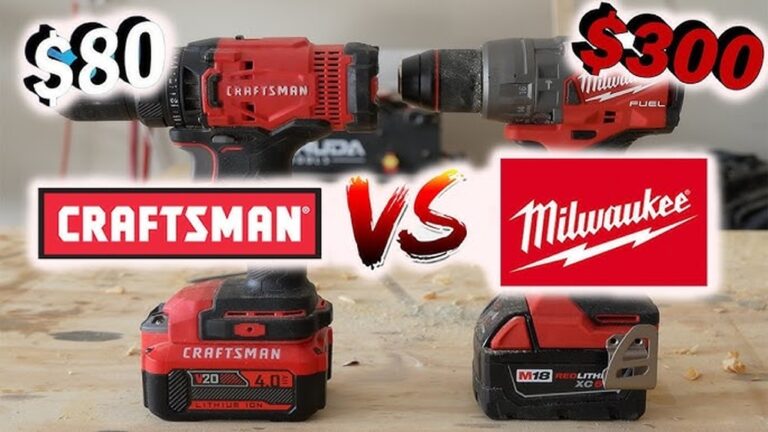
| Price Range | $40, $120 | $30, $300+ |
Performance In Specific Scenarios
A Dremel excels in:
- Engraving a glass ornament
- Polishing small silver jewelry
- Cutting a plastic model part
A drill excels in:
- Installing shelving in drywall
- Building wooden furniture
- Drilling holes in metal or masonry
Ergonomics And Handling
Dremel tools, with their slim bodies and light weight, are easier to handle for long periods, especially in tight spaces or for fine work. Drills, while more powerful, can cause hand fatigue and are harder to control for minute detailing.
Accessory Compatibility
While both tools accept a variety of attachments, the Dremel’s accessory range is tailored for detail and finish work. Drills focus on bits optimized for boring holes or driving fasteners.
Cost And Maintenance
Dremel rotary tools generally require less maintenance but may need more frequent accessory replacement due to their high RPMs. Drills are built for longevity but may require battery replacements (cordless models) or periodic chuck maintenance.

Credit: www.thesawguy.com
Choosing The Right Tool For The Task
Selecting between a Dremel and a drill is not just about power; it’s about matching the tool’s capabilities to your specific project requirements.
Project Type And Material Considerations
- Fine detail work: Choose a Dremel. Its high speed and precision allow for clean results on small or delicate objects.
- Heavy-duty construction: Opt for a drill. Its torque and robust build make it suitable for structural projects and thick materials.
- Soft materials: A Dremel can sand, cut, or engrave with finesse.
- Hard materials: A drill is better equipped to penetrate or fasten into dense substances.
Speed And Power Needs
- High speed, low torque: Dremel tools excel. Perfect for tasks that require finesse and a smooth finish.
- Low speed, high torque: Drills dominate. Essential for boring through tough materials or driving large screws.
Workspace And Portability
- Confined or awkward spaces: Dremel tools, especially with a flex shaft, offer superior maneuverability.
- Large, repetitive tasks: Drills, especially cordless models, provide the endurance and power for extended use.
Accessory Investment
While both tools require purchasing accessories, consider the following:
- Dremel accessories can be costly and wear out faster with heavy use.
- Drill bits are generally more durable and widely available.
Example: When building a model airplane, I found that my Dremel allowed me to make precise cuts and smooth edges that would have been impossible with a drill. However, assembling a wooden workbench demanded the torque and bit variety only my drill could provide.
Real-world Examples And Case Studies
Examining how professionals and hobbyists use these tools in real projects reveals their true value.
Example 1: Jewelry Making
A jeweler needs to engrave a custom message on a silver pendant and polish it to a mirror finish. The Dremel, equipped with diamond-tipped engraving bits and felt polishing wheels, delivers the necessary precision and control without damaging the delicate metal.
Attempting this with a drill would likely result in a rough, uneven surface.
Example 2: Home Renovation
During a kitchen remodel, a contractor must install cabinet hinges, drill holes for hardware, and secure screws into hardwood. A cordless drill, offering variable speed and high torque, handles these tasks efficiently. Using a Dremel in this context would be ineffective and slow, unable to drive screws or drill large holes.
Example 3: Model Building
An avid model train hobbyist needs to cut plastic rails, sand small surfaces, and engrave tiny details onto scenery. The Dremel’s light weight and comprehensive accessory kit make it the perfect choice for these intricate, repetitive tasks.
Example 4: Automotive Repair
A mechanic must grind down a small weld inside a tight engine compartment. The Dremel’s compact form and high-speed grinding attachment allow for precise removal of excess metal, while a drill would be too bulky and powerful for the job.
Example 5: Diy Furniture
When building a custom bookshelf, a DIYer requires both tools: the drill for creating pilot holes and driving screws, and the Dremel for smoothing rough edges and adding decorative engravings.
Pro Tip: For most home workshops, owning both a drill and a Dremel covers nearly every conceivable project, from rough construction to fine detail work.
In-depth Look: Performance Metrics And User Experience
Comparing Dremel and drill performance goes beyond technical specifications, user experience and real-world handling are crucial.
Speed And Control
Dremel tools, with their variable speed dials, allow users to adjust RPM for each task. This is particularly valuable when working with heat-sensitive materials like plastic. Drills typically offer two speed ranges and a trigger for variable speed control, but lack the fine adjustment of a rotary tool.
Torque And Impact
Drills are designed for high-torque output, essential for drilling large holes or driving long screws. Dremels, by contrast, generate minimal torque, making them safe for delicate tasks but unsuitable for heavy-duty fastening.
Vibration And Noise
- Dremel tools: Lower vibration, quieter operation, ideal for long sessions or indoor work.
- Drills: Higher vibration, especially in hammer or impact models, leading to more fatigue and noise.
Durability And Longevity
Drills are generally engineered to withstand continuous heavy use, with robust chucks and gears. Dremel tools, while durable for their intended applications, can experience motor or bearing wear if pushed beyond their design limits.
Maintenance Considerations
- Dremel: Regular cleaning of vents, periodic lubrication of moving parts, accessory replacement.
- Drill: Battery care (cordless), chuck lubrication, occasional carbon brush replacement (corded).
User Feedback And Reviews
According to user reviews on major retail sites, Dremel tools consistently score high for precision, ease of use, and accessory variety. Drills are praised for power, reliability, and value, especially in professional settings.
Example: In my experience, the Dremel shines when crafting gifts or restoring antiques, while my drill is indispensable for home repairs and construction projects.
Cost Analysis And Value For Money
Investing in the right tool means balancing upfront costs with long-term value and versatility.
Purchase Price Comparison
| Model | Average Price Range | Included Accessories | Typical Warranty |
|---|---|---|---|
| Dremel 4000 Kit | $80, $120 | 30, 50 pieces | 2 years |
| Basic Cordless Drill | $40, $80 | 1, 2 batteries, charger, basic bits | 1, 3 years |
| High-end Hammer Drill | $150, $300+ | Multiple batteries, advanced features | 3 years |
Accessory And Consumable Costs
- Dremel accessories: $10, $30 per set, with specialty bits costing more.
- Drill bits: $5, $50 per set, depending on material and size.
Long-term Value
Dremel tools provide significant value for users engaged in frequent, detail-oriented projects. Drills, with their broader utility in construction and repair, deliver excellent ROI for homeowners and professionals alike.
Example: A hobbyist investing in a Dremel kit will save money over time by avoiding the purchase of multiple specialized hand tools. Conversely, a homeowner who frequently undertakes repairs will benefit more from a durable, multi-speed drill.
Resale And Market Trends
Both tools hold their value well, especially when maintained and sold with original accessories. According to industry reports, demand for compact rotary tools like Dremel is growing in the crafting and DIY markets, while drills continue to dominate the construction sector (Statista).
Safety, Ergonomics, And Ease Of Use
Safety is paramount when using any power tool. Understanding the differences in handling and risk between Dremels and drills can prevent accidents and injury.
Safety Considerations
- Dremel tools: Less risk of kickback due to lower torque. However, high RPMs can cause accessories to shatter if misused. Always wear eye protection and use the correct accessory for the material.
- Drills: Greater risk of wrist injury from sudden bit binding or kickback. Use both hands for stability, especially with larger bits or on dense materials.
Ergonomic Design
Dremel tools are lightweight and often feature rubberized grips for comfort during prolonged use. Drills, particularly heavy-duty models, may cause fatigue without ergonomic handles or if used overhead.
User-friendly Features
- Dremel: Speed control dials, quick accessory changes, compact size.
- Drill: Keyless chucks, adjustable clutch settings, built-in LED lights on some models.
Training And Learning Curve
- Dremel tools are intuitive for most users, with a short learning curve for basic tasks.
- Drills require more practice to master clutch settings, bit changes, and safe operation, particularly for beginners.
Example: When teaching my children basic woodworking, I started them with a Dremel for sanding and carving before moving on to a drill for assembly, prioritizing safety and control.
Frequently Asked Questions
What Can A Dremel Do That A Drill Cannot?
A Dremel excels at engraving, carving, polishing, and intricate detail work that a drill cannot perform effectively due to its size, torque, and lack of specialized attachments. For example, creating detailed designs on glass or metal, or restoring fine jewelry, are tasks uniquely suited to the Dremel’s high RPM and precision accessories.
Can I Use Drill Bits In A Dremel Rotary Tool?
Some small drill bits (usually up to 1/8 inch shank) can fit into a Dremel with the appropriate collet, but the tool is not designed for heavy drilling. Using standard drill bits in a Dremel is only advisable for very light-duty drilling in soft materials like plastic or thin wood. For anything requiring significant torque or deeper holes, a proper drill is essential.
Are There Tasks Where Neither Tool Is Ideal?
Yes, for large-scale cutting of thick materials, demolition work, or driving long lag screws, neither a Dremel nor a standard drill is ideal. Tools such as circular saws, reciprocating saws, or impact drivers are more appropriate for heavy-duty construction or demolition tasks.
How Do I Know When To Replace Accessories Or Bits?
Replace Dremel accessories when you notice a loss of cutting, grinding, or polishing effectiveness, or visible wear such as cracks or flattening. For drills, replace bits when they become dull, bent, or cause excessive burning or splintering in materials. Using worn accessories or bits can reduce quality and pose safety risks.
Do Dremel Tools Or Drills Require Special Storage Or Care?
Both tools benefit from clean, dry storage to prevent corrosion and dust buildup. Dremel tools should be stored with their accessories organized and cleaned after use. Drills, especially cordless models, require battery maintenance, store batteries charged but not plugged in, and avoid exposure to extreme temperatures. Regular cleaning and lubrication of moving parts extend tool lifespan for both types.
References
- Dremel Official Website
- Statista: Global Power Tools Market
When choosing between a Dremel and a drill, the decision ultimately comes down to the demands of your project and the level of detail required. Both tools have carved out indispensable roles in workshops around the world, and in my experience, owning both is the best way to ensure you’re prepared for any task.
By understanding their strengths, limitations, and ideal applications, you can work smarter, safer, and with greater satisfaction on every project.