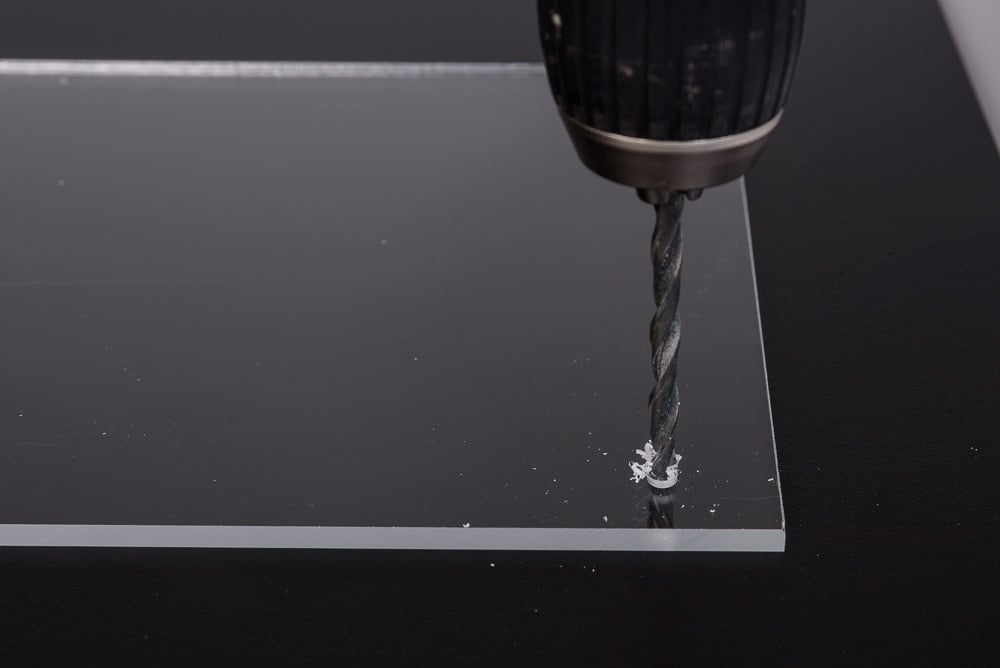
Drilling a hole in acrylic might sound simple, but it’s a task that can quickly go wrong without the right approach. Acrylic—sometimes called Plexiglas, Perspex, or Lucite—cracks and chips more easily than wood or metal. If you’ve ever tried to drill acrylic with a regular bit and ended up with a ruined sheet, you’re not alone.
But with the correct tools, careful technique, and a clear understanding of the process, you can make smooth, clean holes in acrylic every time. This guide covers everything you need to know, from choosing the right drill bit to avoiding common mistakes.
Whether you’re making a display case, a window, or a DIY project, you’ll finish with holes that look professional and neat.
Understanding Acrylic
Before picking up any tools, it’s important to know what makes acrylic unique. Acrylic is a thermoplastic, meaning it softens when heated and hardens as it cools. It’s popular because it’s lightweight, clear, and stronger than glass, but it’s also more brittle. That means it can crack, craze (form tiny surface cracks), or even shatter if drilled incorrectly.
Acrylic comes in two main types: extruded and cast. Cast acrylic is more expensive, but it’s also harder and more resistant to cracking. Extruded acrylic is cheaper but more likely to melt or chip when drilled. Knowing which type you have helps you adjust your technique for better results.
Tools And Materials You Need
Success starts with having the right tools on hand. Here’s what you’ll need to drill a hole in acrylic safely and effectively:
- Acrylic sheet (cast or extruded)
- Drill (preferably variable speed)
- Drill bits (special acrylic bits, brad point, or modified twist bits)
- Clamps
- Backing board (wood or MDF)
- Masking tape
- Ruler and marker
- Protective equipment (safety glasses, gloves)
- Water spray bottle (for cooling)
- Vacuum or brush (for cleanup)
If you’re drilling a large number of holes or thick acrylic, consider a drill press for better control.
Types Of Drill Bits
Not all drill bits are created equal. Here’s a quick comparison of common options for acrylic:
| Drill Bit Type | Best For | Risk of Cracking | Availability |
|---|---|---|---|
| Acrylic/Plastic Bit | All acrylic sheets | Low | Specialty stores |
| Brad Point Bit | Thin sheets, precision holes | Medium | Common |
| Regular Twist Bit (Modified) | When nothing else is available | High unless modified | Universal |
| Step Bit (Unibit) | Larger holes | Low | Hardware stores |
Acrylic drill bits have a sharper point and ground cutting edges to reduce chipping. Brad point bits can work for small holes, but they can still crack thin sheets if you’re not careful. Regular twist bits can be used if you dull the cutting edge slightly with a fine file—this keeps the bit from grabbing and cracking the acrylic.
Credit: plasticsheetsshop.co.uk
Preparing The Acrylic For Drilling
This step is often overlooked, but good preparation makes a huge difference in the final result.
- Mark the Hole Position: Use a ruler and a non-permanent marker to clearly mark where the hole will go. For extra accuracy, mark both sides if you need the hole perfectly centered.
- Apply Masking Tape: Stick a small piece of masking tape over the spot where you’ll drill. The tape prevents the drill from slipping and helps reduce chipping around the hole.
- Clamp the Acrylic: Place the acrylic on a flat, sturdy surface. Underneath, put a scrap piece of wood or MDF as a backing board. This supports the acrylic, prevents breakout on the underside, and keeps your work surface safe. Use clamps on the edges (not directly over the hole) to hold everything in place. Be careful not to over-tighten—acrylic can crack under pressure.
- Protective Film: If your acrylic still has a protective film, it’s best to keep it on during drilling. Only peel it off after all holes are made.
Why Backing Boards Matter
A backing board is more than just protection—it helps distribute pressure evenly and reduces the risk of chipping when the drill breaks through the bottom of the acrylic. Beginners often skip this, leading to ugly holes and wasted material.
Choosing The Right Drill Bit And Speed
The combination of drill bit and speed is one of the most important factors for clean results. Here’s what you need to know:
- Bit Type: Use a dedicated acrylic or plastic bit if possible. Step bits are great for larger holes but avoid spade bits, which can tear the plastic.
- Bit Size: Start with a small pilot hole (1/8″ or 3mm) before drilling larger holes.
- Speed: Drill at a slow to medium speed (500–1,000 RPM). High speed creates heat, which can melt the acrylic and gum up the bit.
- Pressure: Apply light, steady pressure. Forcing the drill can crack the plastic.
| Bit Size | Recommended Speed (RPM) | Best Use |
|---|---|---|
| 1/8″ (3mm) | 900–1,000 | Pilot holes, small fasteners |
| 1/4″ (6mm) | 700–900 | Medium holes |
| 1/2″ (12mm) and up | 500–700 | Large holes, cutouts |

Credit: www.acrylite.co
Drilling The Hole: Step-by-step
With your workspace and tools ready, it’s time to start drilling.
- Align the Drill: Position the drill bit at a 90-degree angle to the acrylic. Double-check your mark and make sure the bit tip is centered.
- Start Slowly: Begin drilling at a low speed, letting the bit make a small dimple in the masking tape. This guides the bit and prevents it from wandering.
- Increase Speed Slightly: Once the bit is biting into the acrylic, increase speed just enough to keep the bit cutting smoothly. Don’t go too fast, or friction will heat the acrylic.
- Apply Gentle Pressure: Let the bit do the work. Pushing too hard can cause cracking or melting.
- Cool the Acrylic: If you notice the acrylic heating up or starting to melt, pause and spray a little water on the area. This keeps the plastic cool and helps wash away chips.
- Drill Through: As the bit nears the bottom, reduce pressure even more. The most common place for chipping is when the bit breaks through the back side. Support from the backing board helps, but gentle pressure is still key.
- Withdraw the Bit: Once through, pull the bit straight out while it’s still spinning to avoid catching the acrylic.
Tips For Large Holes
For larger holes (over 1/4″ or 6mm), start with a small pilot hole. Use a step bit or increase bit size gradually to avoid excess stress on the acrylic.
Deburring And Cleaning The Hole
After drilling, the edge of the hole may have sharp bits or slight burrs. Here’s how to finish the job:
- Deburring Tool: Run a deburring tool or a sharp utility knife around the hole edge to remove sharpness.
- Sandpaper: For a very smooth edge, use fine-grit sandpaper (400–600 grit) wrapped around a dowel.
- Clean Up: Vacuum away dust and chips. If you used water, dry the acrylic thoroughly to prevent spots.
Professional results come from careful finishing. Taking a few extra minutes here gives a big improvement in appearance and safety.
Common Mistakes And How To Avoid Them
Even with good instructions, mistakes can happen. Here are some typical errors and how to fix them:
- Cracking: Usually caused by too much pressure, high speed, or no backing board. Always support the acrylic and go slow.
- Melting: High speed or dull bits generate heat that melts acrylic. Use water as a coolant and keep your bits sharp.
- Chipped Edges: Skipping masking tape or backing boards causes chips. Always tape and support the acrylic.
- Drill Bit Slips: No tape, pilot hole, or starting dimple. Mark your spot, tape it, and start slow.
- Oversized Holes: Bits can grab and widen the hole. Use proper bit types and avoid forcing the tool.
One non-obvious tip: Don’t use worn bits. Even if they worked for wood last year, dull bits tend to grab, melt, or chip acrylic. A new or freshly sharpened bit makes a big difference.
Advanced Techniques For Perfect Results
For some projects, you’ll need to step up your technique for even better results. Here are two advanced options:
Drilling With A Drill Press
A drill press gives you more control and keeps the bit perfectly perpendicular. This is ideal for thick acrylic or precise work.
- Set the depth stop to avoid drilling too far.
- Clamp the acrylic securely, but not too tightly.
- Use the lowest reasonable speed.
Using Lubricants And Coolants
Water is usually enough, but for very thick acrylic (over 1/2″ or 12mm), use a little liquid dish soap mixed with water as a lubricant. This keeps the bit cool and prevents chips from sticking. Be sure to clean all soap residue afterward.
Countersinking
If you want screws to sit flush with the surface, use a countersink bit after drilling. Go slow and test on scrap first; acrylic is easy to overdo.

Credit: www.youtube.com
Drilling Patterns And Multiple Holes
If your project needs a row or grid of holes (like for ventilation or displays), accuracy matters even more.
- Mark all holes carefully with a ruler and marker.
- Drill pilot holes for each spot before enlarging.
- Use a jig or template for perfect spacing.
For large sheets, support the whole panel—not just the drilling spot—to prevent stress cracks spreading from one hole to another.
Working With Different Acrylic Thicknesses
The thickness of your acrylic affects your drilling approach.
| Acrylic Thickness | Recommended Bit Type | Special Tips |
|---|---|---|
| 1/8″ (3mm) or less | Brad point, acrylic bit | Low pressure, backing board crucial |
| 1/4″ (6mm) | Acrylic bit, step bit | Pilot hole, slow speed |
| 1/2″ (12mm) or more | Step bit, drill press | Lubricate, drill in steps |
Thin acrylic cracks easily, while thick acrylic melts more quickly from friction. Adjust your technique to match.
Safety Considerations
Acrylic can send sharp chips flying, and drills are always a potential hazard. Follow these safety tips:
- Wear safety glasses at all times.
- Use gloves if handling large or sharp pieces.
- Clamp work securely—never hold acrylic in your hand while drilling.
- Keep your work area clear of clutter and cords.
Small chips can be sharp enough to cut skin or scratch eyes, so clean up thoroughly after drilling.
Practical Examples: Real-world Uses
Let’s look at how these tips apply in common scenarios:
- Aquarium Lids: For a clean look, use a step bit for larger holes and countersink the edge for hinges or handles.
- Display Cases: Mark all hole positions, use masking tape, and support the entire sheet to avoid stress cracks.
- Electronics Panels: Drill pilot holes for switches or LEDs, then enlarge with a step bit for perfect circles.
- DIY Sneeze Guards: Use clamps and a drill press for bigger panels, as even a small crack can ruin the whole project.
In each case, planning and using the right technique saves time and money.
How To Repair A Crack Or Chip
Mistakes happen. If you get a small crack near your drilled hole, you may be able to save the piece:
- Stop-Drill the Crack: Drill a small hole (1/8″ or 3mm) at the end of the crack to prevent it spreading.
- Glue with Acrylic Cement: Use a product like Weld-On 3 or 4 to bond the crack. Apply with a syringe and clamp gently until set.
- Sand and Polish: Once dry, sand and polish the area to restore clarity.
For chips, a small amount of clear epoxy can fill the gap, but it may always be visible. Prevention is better than repair.
Environmental Impact And Acrylic Alternatives
Acrylic is not biodegradable, but it can be recycled. If you’re drilling many holes or making mistakes, save your offcuts and scraps for recycling. Alternatives like polycarbonate are more impact-resistant and sometimes easier to drill, but may be more expensive.
If you want to learn more about acrylic’s properties, recycling, and alternatives, check out the Wikipedia page on acrylic.
Frequently Asked Questions
What Drill Bit Is Best For Acrylic?
The best drill bit for acrylic is a dedicated acrylic or plastic bit. These bits have a special tip angle and cutting edge that reduce chipping and cracking. If you can’t find one, a brad point bit or a regular twist bit with the cutting edge dulled can work for small holes.
Can I Use A Regular Wood Drill Bit On Acrylic?
You can use a regular wood drill bit in a pinch, but it must be sharp and used at slow speed with light pressure. Modifying the tip with a fine file to reduce the cutting edge can help prevent cracking.
How Do I Prevent Acrylic From Cracking When Drilling?
To prevent cracking, use masking tape over the drill point, support the acrylic with a backing board, use a slow speed, and apply only gentle pressure. Always use a sharp bit designed for acrylic if possible.
What Speed Should I Use To Drill Acrylic?
The ideal drilling speed for acrylic is between 500–1,000 RPM, depending on the bit size. Smaller bits can go a bit faster, but always start slow and increase speed only as needed.
Can I Drill Large Holes In Acrylic?
Yes, you can drill large holes in acrylic by starting with a small pilot hole, then using a step bit or increasing bit sizes gradually. Always use a backing board, cool the acrylic with water, and apply gentle pressure to avoid cracking or melting.
Drilling acrylic is a skill that takes a little patience, but the results are worth it. With the right tools, careful setup, and attention to detail, you’ll achieve clean, professional holes for any project. Remember: slow and steady wins the race, and every step from preparation to finishing matters. Your next acrylic project will look better and last longer when you drill with confidence and care.