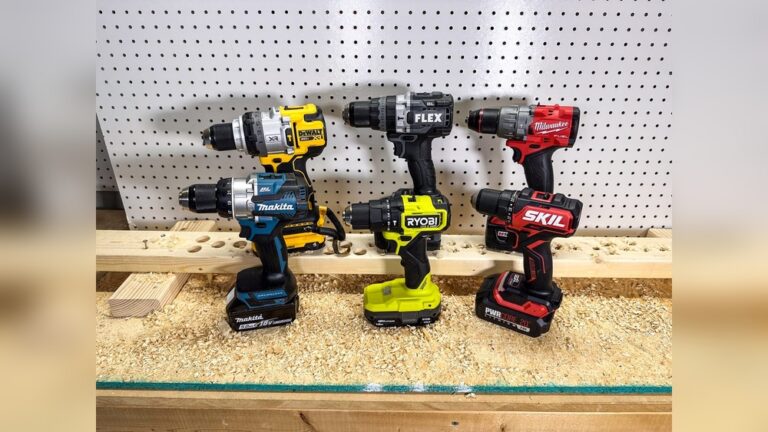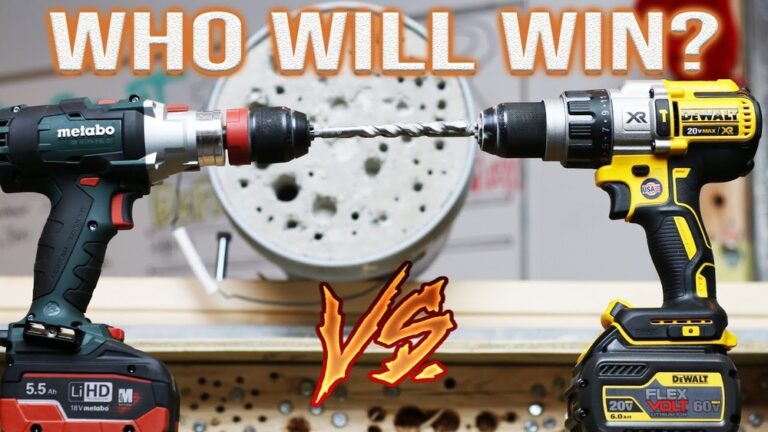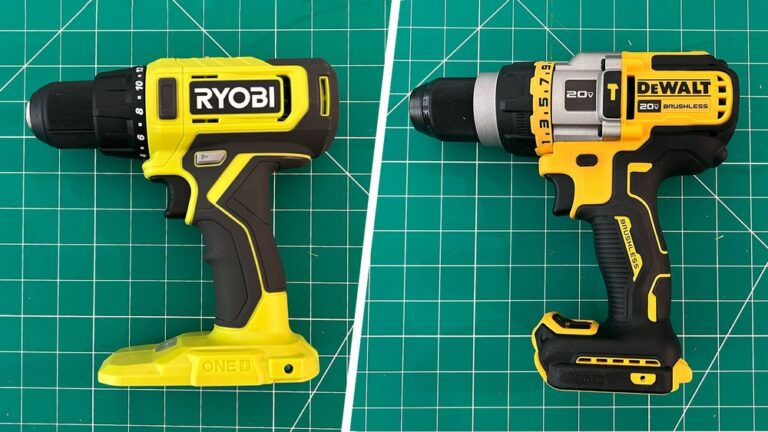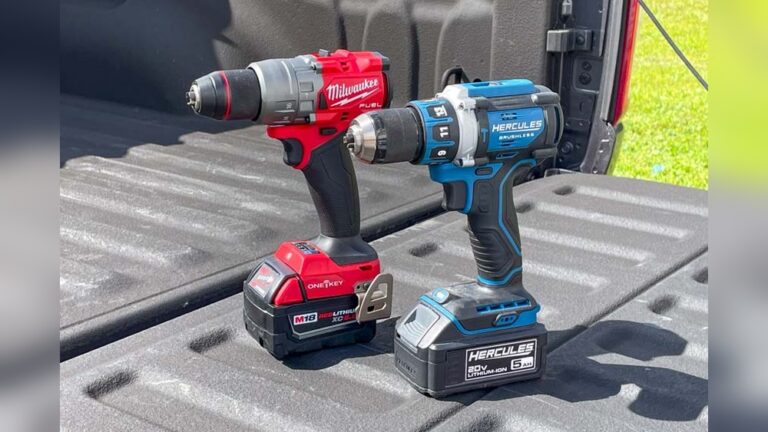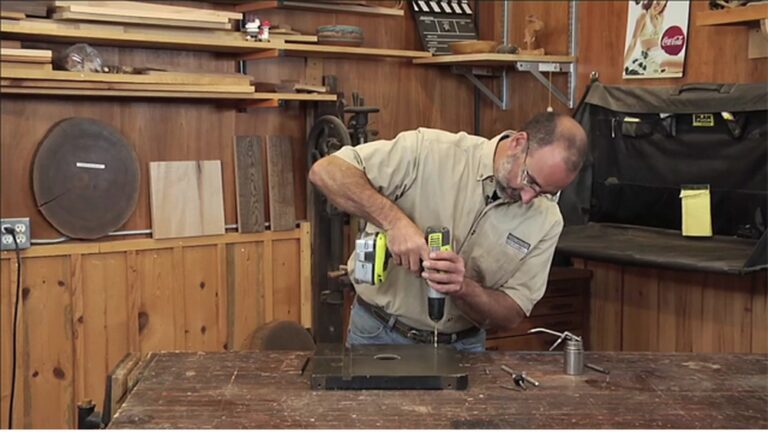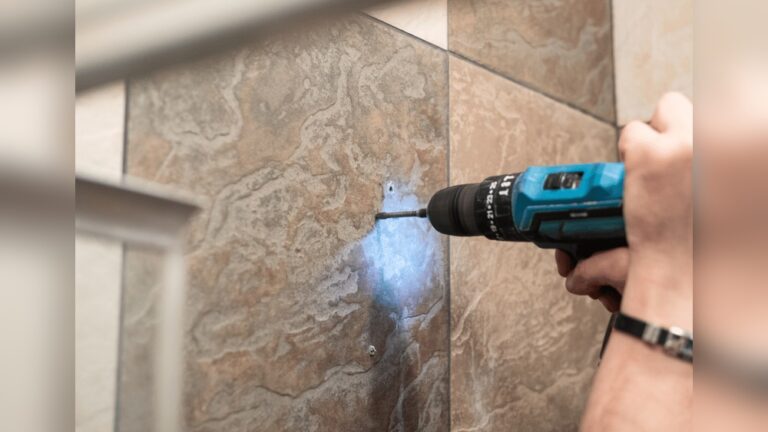
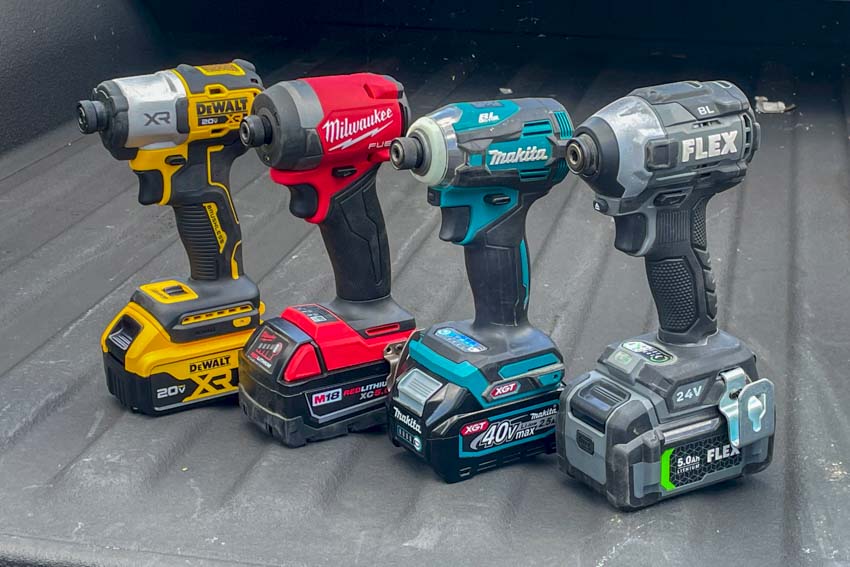
When it comes to power tools, especially cordless drills, three brands often stand out: Dewalt, Makita, and Milwaukee. Each has a strong reputation among professionals and DIY enthusiasts. Choosing between them can feel overwhelming, especially if you’re not sure what matters most. This article will help you understand the real differences, key features, and which brand might be the best fit for your needs. We’ll look at performance, durability, battery systems, price, comfort, and more—so you can make an informed choice and avoid common mistakes.
Brand Overview
Dewalt
Dewalt is an American company with a long history in power tools. Founded in 1924, Dewalt is known for rugged durability and tools built for tough job sites. Their signature black and yellow design is easy to spot. Dewalt drills are especially popular among construction workers and contractors because they can handle heavy use and rough conditions.
Makita
Makita is a Japanese brand, established in 1915. They are famous for innovation, reliable tools, and strong build quality. Makita drills often feel lighter and more ergonomic, appealing to both professionals and home users. The brand also invests heavily in battery technology and was among the first to release lithium-ion tools.
Milwaukee
Milwaukee began in 1924 in the US. The brand is known for powerful performance, advanced technology, and a focus on professional-grade tools. Their M18 and M12 battery systems are widely recognized, and Milwaukee drills often lead the market in torque and speed. Their signature red tools are popular in both industrial and automotive fields.
Head-to-head: Key Features Comparison
To really see how Dewalt, Makita, and Milwaukee drills compare, it’s helpful to look at their main features side by side. The table below shows how a typical mid-range cordless drill from each brand stacks up.
| Feature | Dewalt | Makita | Milwaukee |
|---|---|---|---|
| Max Torque | 820 in-lbs | 530 in-lbs | 1,200 in-lbs |
| Battery System | 20V MAX | 18V LXT | M18 |
| Brushless Motor | Yes | Yes | Yes |
| Speed Settings | 2 | 2 | 2 |
| Weight (with battery) | 3.6 lbs | 3.8 lbs | 3.4 lbs |
| LED Light | Yes | Yes | Yes |
| Warranty | 3 years | 3 years | 5 years |

Credit: www.youtube.com
Performance And Power
All three brands offer high-performance drills, but there are differences in power and application.
Dewalt
Dewalt drills are recognized for their reliable torque and consistent speed. They perform well in heavy-duty tasks like drilling through thick wood, metal, or masonry. Dewalt often balances power with control, making it easier to avoid stripping screws or damaging material.
Makita
Makita drills provide smooth power delivery and efficient energy use. Their torque is usually less than Milwaukee but enough for most jobs. Makita’s strength is in precision work and comfort, with less vibration and quieter operation, which is ideal for longer tasks or indoor use.
Milwaukee
If maximum power is your priority, Milwaukee drills are often the first choice. Their brushless motors and high-torque models can handle the toughest jobs, including concrete and heavy steel. Milwaukee also leads in speed—their flagship models can reach over 2,000 RPM, making them perfect for fast drilling and driving.
Non-obvious insight: While Milwaukee wins on paper for power, most home users never need that much torque. More power can make drills harder to control for delicate tasks.
Battery Technology
The battery is the heart of any cordless drill. Each brand uses a different system.
Dewalt: 20v Max
Dewalt’s 20V MAX system is reliable and has a wide range of compatible tools. Their batteries use lithium-ion cells for long run times and quick charging. Dewalt also offers FLEXVOLT batteries, which can switch between 20V and 60V for high-demand tools.
Makita: 18v Lxt
Makita’s 18V LXT system is famous for fast charging—some batteries recharge in under 30 minutes. The LXT series has over 275 compatible tools, making it a great choice if you plan to expand your collection. Makita also has compact batteries for lighter weight.
Milwaukee: M18
Milwaukee’s M18 platform is one of the most advanced. Their REDLITHIUM batteries have smart electronics for longer life and better performance in cold weather. Milwaukee also offers high-output batteries for heavy-duty tasks, but they can add extra weight.
Pro tip: Don’t focus only on voltage. The amp-hour (Ah) rating tells you how long the battery lasts. A higher Ah means more run time.
Credit: www.promakertools.com
Ergonomics And Comfort
How a drill feels in your hand can be just as important as raw power, especially for long projects.
Dewalt
Dewalt drills have a balanced feel, with comfortable grips and good weight distribution. Their handles are usually rubberized for better control. Some users with smaller hands may find Dewalt drills a bit bulky.
Makita
Makita stands out for lightweight design and slim grips. Their drills are often chosen by people who need less fatigue or do overhead work. The trigger and speed control are also very smooth, which is great for fine adjustments.
Milwaukee
Milwaukee drills are slightly heavier but have a solid, robust feel. Their grip is ergonomic, though some people say Milwaukee’s bulkier batteries make the tool feel bottom-heavy.
Non-obvious insight: Comfort is personal. If possible, hold each brand in-store before buying. What feels good for one person may not for another.
Durability And Build Quality
You want a drill that lasts, especially if you use it often.
Dewalt
Dewalt tools are known for jobsite toughness. Their outer shells are thick, and the switches and chucks are designed to resist dust and drops. Many Dewalt drills have all-metal gearboxes, increasing their lifespan.
Makita
Makita’s durability comes from precision engineering. Their tools resist wear and tear, and the motors have special protection against overheating and dust. Makita also uses high-quality plastics that resist cracking.
Milwaukee
Milwaukee drills are built for professionals who demand the most. Their tools have reinforced housings and advanced electronic protection. Milwaukee often outlasts the competition in drop tests and harsh conditions.
Note: Even the best drill will fail if abused. Regular cleaning and battery care extend any tool’s life.
Price And Value
Budget is a big factor. Here’s how the brands compare on average.
| Brand | Basic Kit (Drill + 2 Batteries + Charger) | Bare Tool | High-End Kit |
|---|---|---|---|
| Dewalt | $130 – $180 | $80 – $110 | $220 – $350 |
| Makita | $120 – $170 | $75 – $105 | $200 – $330 |
| Milwaukee | $140 – $210 | $90 – $130 | $250 – $400 |
Milwaukee is usually the most expensive, reflecting its professional focus and longer warranty. Makita and Dewalt are a bit cheaper but still offer strong performance. Remember, buying into a battery system means future tools will be less expensive.
Real-world Use Cases
Home Diyer
For basic repairs, furniture assembly, and small projects, all three brands offer more than enough power. Makita is a favorite for light weight and comfort, while Dewalt gives a good mix of power and value. Milwaukee may be more than you need, but it’s a good long-term investment if you plan to expand your tool collection.
Contractor Or Professional
Here, Milwaukee often leads for heavy-duty jobs, thanks to top-tier torque, speed, and durability. Dewalt is also widely trusted on job sites, especially for framing and masonry work. Makita suits professionals who do a lot of overhead work or need lighter tools for all-day use.
Workshop Or Woodworking
Precision and control matter most. Makita’s smooth start and low vibration are ideal for delicate wood tasks. Dewalt’s adjustable clutch and strong chucks are helpful too. Milwaukee can be overkill for fine work but is perfect for large holes or thick material.
Non-obvious insight: For most users, the difference comes down to which battery system you want to invest in, not just drill specs.
Battery Ecosystem And Tool Expansion
One key reason to pick a brand is the tool ecosystem—all the other tools that work with the same batteries.
- Dewalt 20V MAX: Over 200 compatible tools, from saws to lights to nailers.
- Makita 18V LXT: More than 275 tools, including lawn equipment and specialty tools.
- Milwaukee M18: Around 250+ tools, and their M12 system covers compact tools too.
If you plan to buy more cordless tools, it’s smart to choose a brand with the widest range that fits your needs.
Warranty And Customer Support
Warranty is your safety net if something goes wrong. Here’s a quick overview.
- Dewalt: 3-year limited warranty, 1-year free service, 90-day money back.
- Makita: 3-year limited warranty on tools and batteries.
- Milwaukee: 5-year warranty on drills, 2-year on batteries.
Milwaukee stands out for its 5-year warranty, showing confidence in its durability. Customer service from all three is strong, but some users say Dewalt is especially easy to work with for returns and repairs.
Credit: www.protoolreviews.com
Common Mistakes When Choosing
- Focusing only on price: Cheaper drills can cost more in the long run if batteries die or performance drops.
- Ignoring battery system: Mixing brands means more chargers and batteries, which is expensive and inconvenient.
- Overbuying power: Most home projects don’t need the highest torque model.
- Underestimating weight: A heavy drill feels fine for a few screws but can be tiring after hours of use.
- Not checking tool compatibility: Make sure your future tools will work with the same batteries.
Expert Tips For Buyers
- Test the grip: Comfort is very personal. Try holding each brand before deciding.
- Check included accessories: Some kits include extra bits, cases, or battery upgrades.
- Look for deals: Around holidays, all three brands offer package deals.
- Read real reviews: Look for feedback from people who’ve used the drill for months, not just unboxing videos.
- Consider repair options: If you’re far from a service center, pick a brand with good mail-in repair service.
Drill Models Worth Considering
To narrow it down, here are top-rated models from each brand for general use:
- Dewalt DCD791D2: Compact, brushless, strong battery life, great for most tasks.
- Makita XFD10R: Lightweight, fast charging, ideal for long sessions.
- Milwaukee M18 Fuel 2804-20: Maximum power, advanced electronics, five-year warranty.
These models hit a sweet spot between price and performance.
Which Brand Wins?
The truth is, there is no single “winner”—it depends on your needs.
- Dewalt: Best for durability, great for job sites, and a good all-around choice.
- Makita: Excellent for comfort, light weight, and fast charging. Ideal for long projects or smaller hands.
- Milwaukee: Top for raw power and long warranty. The best pick for professionals or those who want to future-proof their tool collection.
If you want a drill that does a bit of everything and lasts, you won’t go wrong with any of these brands.
Frequently Asked Questions
Which Drill Brand Is Most Reliable?
All three brands—Dewalt, Makita, and Milwaukee—are known for reliability. Milwaukee often lasts the longest in harsh conditions, but Dewalt and Makita also perform well with proper care.
Do Dewalt, Makita, And Milwaukee Batteries Work With Each Other?
No, each brand uses a different battery design. You cannot use a Dewalt battery in a Makita or Milwaukee drill, and vice versa. Mixing brands means you need more chargers and batteries.
Which Drill Is Best For Beginners?
For beginners, Makita is often the easiest to handle due to its light weight and simple controls. Dewalt is also a safe choice for its balance and value. Milwaukee is better for users who want to expand into more advanced tools later.
Are Brushless Drills Really Better?
Yes, brushless drills last longer, run cooler, and use battery power more efficiently. All three brands offer brushless models, which are worth the extra cost for frequent use.
Where Can I Find More Detailed Reviews And Comparisons?
You can find in-depth tool reviews on websites like Pro Tool Reviews, which test tools in real job site conditions.
Choosing between Dewalt, Makita, and Milwaukee can be tough, but understanding your own needs makes the decision much easier. All three brands deliver quality, so focus on comfort, battery system, and the tools you’ll need in the future. With the right choice, your drill will be a partner on hundreds of projects for years to come.