When you walk into a hardware store or browse online for power tools, you’ll often see two types of drills from Dewalt: compact drills and regular drills. The names sound simple, but choosing between them can feel confusing. If you want the right tool for your home or job site, it’s important to know the differences, strengths, and limits of each type. This guide will help you understand how Dewalt compact and regular drills compare, when to use each, and how to avoid common mistakes when buying.
What Sets Dewalt Compact And Regular Drills Apart?
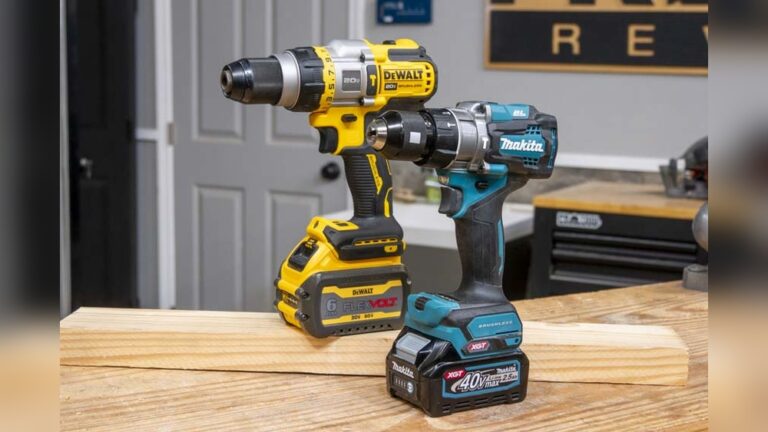
At first glance, Dewalt compact and regular drills look similar. Both come from a trusted brand, use rechargeable batteries, and have similar features like variable speed triggers and LED lights. But several key differences set them apart:
- Size and weight
- Power and torque
- Battery life
- Price
- Best use cases
Understanding these differences is the first step to making a smart choice.
Size And Weight: Why It Matters
One of the most obvious differences is size. Dewalt compact drills are designed to be lightweight and easy to handle. They usually weigh between 2.5 to 3.5 pounds and have shorter bodies—often 7 inches or less from front to back. This makes them easy to hold for long periods and perfect for working in tight spaces, like inside cabinets or between wall studs.
Regular Dewalt drills, sometimes called “full-size” or “standard” drills, are bulkier. They can weigh from 3. 5 to 5 pounds and are often longer, measuring 8 inches or more. This extra size usually brings more power, but it can make them tiring to use overhead or in cramped corners.
Non-obvious insight: Compact drills are not just lighter—they also balance better in your hand. This balance reduces wrist fatigue, especially if you’re drilling lots of small holes or driving screws for hours.
Power And Torque: The Real Difference
The biggest reason to choose a regular drill over a compact one is power. Torque is the force a drill uses to turn a screw or drill bit. More torque means the drill can handle tougher jobs, like drilling through hardwood, masonry, or thick metal.
Comparing Power: A Look At Numbers
Compact Dewalt drills usually have torque ratings between 350 and 500 inch-pounds. That’s enough for everyday tasks: hanging shelves, assembling furniture, or drilling into drywall and softwood.
Regular Dewalt drills often have torque ratings from 500 to 900+ inch-pounds. This extra power lets you drill big holes, drive long screws, and handle tougher materials.
Another key number is RPM (rotations per minute). Higher RPMs let you drill faster, but for tough jobs, torque is more important.
Example:
- A Dewalt compact drill (like the DCD791B) offers up to 460 UWO (Unit Watts Out) and around 500 inch-pounds of torque.
- A regular Dewalt drill (like the DCD996B hammer drill) delivers up to 820 UWO and over 820 inch-pounds of torque.
Non-obvious insight: The “UWO” rating is Dewalt’s own way of measuring power—higher UWO means a drill can do harder work for longer. But torque is still the easiest number to compare across brands.
Battery Life: How Long Can You Work?
Both compact and regular Dewalt drills use the same 20V MAX battery system. But how you use them affects battery life.
- Compact drills often come with smaller, lighter batteries (1.5Ah to 2.0Ah). These are enough for light tasks but may run out fast if you push the drill hard.
- Regular drills are usually paired with bigger batteries (3.0Ah or more). These last longer but add weight.
Most Dewalt drills can swap batteries easily. If you already own Dewalt tools, you can share batteries between them.
Practical example: If you’re building a deck and driving hundreds of screws, a regular drill with a 5.0Ah battery will keep going much longer than a compact drill with a 2.0Ah battery.

Credit: www.youtube.com
Price: What’s The Cost Difference?
Price matters to most buyers. Dewalt compact drills are usually $30 to $80 cheaper than regular models with similar features. You’ll see basic compact drill kits (with battery and charger) for around $99 to $149. Regular drill kits often cost $179 to $249 or more, especially if they include bigger batteries or extra features like hammer mode.
But price isn’t everything. Think about the type of work you’ll do most often. If you only need a drill for light tasks, the extra cost of a regular drill may not be worth it.
Features: What Do You Actually Need?
Both compact and regular drills offer features like:
- Keyless chucks (easy bit changes)
- LED work lights
- Multiple speed settings
- Ergonomic grips
But some regular Dewalt drills add advanced features:
- Hammer mode for drilling into concrete
- Metal chucks for extra durability
- Brushless motors (more efficient, longer life)
- Smart electronics (protect from overheating)
Pro tip: For most homeowners, these extra features are rarely used. Contractors and serious DIYers may need them, but many users never switch out of the basic “drill” mode.
Which Is Best For Different Jobs?
Let’s look at common situations to see which drill works better.
1. Home Repairs And Assembly
If you’re hanging pictures, putting together furniture, or fixing loose hinges, a compact Dewalt drill is perfect. It’s light, quiet, and easy to control. You won’t get tired holding it above your head or squeezing into closets.
2. Carpentry And Woodworking
For building shelves, cabinets, or small outdoor projects, a compact drill usually has enough power. But if you’re drilling big holes or using large spade bits, a regular drill’s higher torque helps.
3. Construction And Heavy Duty Use
If you’re framing walls, building a deck, or working with concrete, a regular Dewalt drill is a must. You’ll need the extra power, bigger battery, and tougher build.
4. Auto Repairs And Metal Work
Drilling into metal or working on cars often means tight spaces. A compact drill is easier to fit under the hood or inside a car door. But for thick steel or large bolts, only a regular drill will have enough muscle.
5. Electrical And Plumbing
Electricians and plumbers spend hours drilling in awkward spots. The compact drill’s lighter weight and small size make a big difference. But keep a regular drill handy for tougher materials.
Comparing Dewalt Compact And Regular Drills Side By Side
To make things clearer, here’s a simple comparison of two popular Dewalt drills:
| Feature | Dewalt Compact Drill (DCD791B) | Dewalt Regular Drill (DCD996B) |
|---|---|---|
| Size | 7.5 in length | 8.4 in length |
| Weight | 3.4 lbs (with battery) | 4.7 lbs (with battery) |
| Torque | 500 in-lbs | 820 in-lbs |
| Speed Settings | 2 speeds | 3 speeds |
| Hammer Function | No | Yes |
| Battery Compatibility | 20V MAX | 20V MAX |
| Price (bare tool) | ~$130 | ~$180 |
Dewalt Compact Drills: Strengths And Weaknesses
Strengths
- Lightweight and portable: Easy to use overhead or in tight spaces.
- Good battery life for small jobs: Less power used per task means longer run time per charge.
- Lower cost: Great for budget-conscious buyers.
- Quieter: Less noise, which is better for indoor use.
Weaknesses
- Limited torque: Struggles with tough materials.
- No hammer function: Not for concrete or masonry.
- May overheat: If pushed too hard, compact drills can get hot and shut down.
Dewalt Regular Drills: Strengths And Weaknesses
Strengths
- High torque: Handles tough jobs, big screws, and thick materials.
- Hammer mode (on some models): Drills into concrete, brick, and stone.
- Durable: Built for heavy daily use.
- Better electronics: Some have smart features to protect the tool.
Weaknesses
- Heavier and larger: Can be tiring for long jobs or overhead use.
- More expensive: Higher price, especially with big batteries.
- Overkill for light tasks: You may not need all that power for everyday jobs.

Credit: www.youtube.com
Real-world User Experiences
Many users buy a regular Dewalt drill thinking “more power is better. ” But after a few weeks, they realize most tasks are simple. The big drill feels heavy, so it sits on the shelf while the compact drill gets used daily.
Others buy a compact drill and run into problems when tackling bigger projects. The drill stalls or overheats, and they wish they had invested in a regular model. The lesson: Match the tool to your most common jobs, not just the hardest one you can imagine.
Pro tip: If you work with a team or on large projects, having both types on hand saves time and energy. Use the compact drill for light work and the regular one for heavy-duty tasks.
Common Buying Mistakes
Many first-time buyers make the same mistakes when choosing between compact and regular Dewalt drills. Here’s what to watch out for:
- Ignoring torque ratings: A higher voltage or “MAX” branding does not always mean more power. Always check torque (inch-pounds).
- Buying too much drill: Paying extra for power or features you never use.
- Underestimating job size: Choosing a compact drill for heavy work leads to frustration and tool damage.
- Forgetting battery size: A small battery on a powerful drill won’t last long during big jobs.
- Not considering tool balance: A heavy drill can be hard to control for delicate work.
How To Choose The Right Drill For You
Ask yourself these key questions:
- What will I use the drill for 80% of the time?
- Do I need to drill into concrete or brick?
- Will I use the drill overhead or in tight spaces often?
- How much am I willing to spend?
- Do I already own Dewalt batteries?
If your answers focus on light work, comfort, and cost, choose a compact drill. If you need maximum power, versatility, and don’t mind the weight, pick a regular drill.
Drill Features Checklist: What To Look For
When shopping for a Dewalt drill, use this guide to compare features:
| Feature | Why It Matters | Compact Drill | Regular Drill |
|---|---|---|---|
| Torque | Handles tough materials | 350–500 in-lbs | 500–900+ in-lbs |
| Speed Settings | Controls speed for different jobs | 2 | 2–3 |
| Hammer Function | Needed for masonry | No | Yes (some models) |
| Brushless Motor | Longer tool life, more efficient | Yes (some models) | Yes (most models) |
| LED Light | Work in dark spaces | Yes | Yes |
Are Brushless Motors Worth It?
Both compact and regular Dewalt drills now offer brushless motors. These are more efficient (less battery used), last longer, and stay cooler than older “brushed” designs. Brushless drills cost more—about $30 to $50 extra—but are usually worth it if you use your drill often. For occasional use, brushed models are fine.
Durability And Maintenance
Dewalt is known for durable tools, but regular drills are built for more abuse. They have stronger chucks, better cooling, and tougher gearboxes. Compact drills are still reliable but may wear out faster under heavy use.
Maintenance tip: Always keep your drill clean. Blow out dust, wipe off dirt, and charge batteries after each job. Store drills in a dry place to prevent rust and battery damage.

Credit: www.ebay.com
Environmental Factors: Where Will You Use Your Drill?
If you work outdoors in rain, dust, or extreme temperatures, a regular Dewalt drill will handle tough conditions better. Compact drills are best for indoor, dry environments.
Pro tip: If you work in cold weather, keep batteries warm before use. Cold batteries provide less power and can shut down early.
Versatility: Combo Kits And Accessories
Dewalt sells combo kits with both compact and regular drills, plus impact drivers, saws, and more. If you need multiple tools, these kits save money and ensure all your tools use the same batteries.
Drill accessories (bits, drivers, chucks) fit both compact and regular Dewalt drills. Always use high-quality bits—cheap ones break and can damage your drill.
When Should You Own Both Types?
Serious DIYers and professionals often keep both a compact and a regular Dewalt drill on hand:
- Use the compact drill for quick jobs, small screws, and tight spots.
- Use the regular drill for big holes, masonry, or heavy-duty work.
Switching between them saves time and extends tool life.
Advanced tip: Some users set up one drill with a drill bit and the other with a screw bit. This avoids changing bits between each step and speeds up work.
Environmental Impact And Battery Recycling
Both compact and regular Dewalt drills use lithium-ion batteries. These batteries are powerful but can harm the environment if not recycled properly. Never throw old batteries in the trash. Dewalt and many retailers offer recycling programs.
Learn more about battery recycling from the U.S. Environmental Protection Agency.
Frequently Asked Questions
What’s The Main Difference Between A Dewalt Compact And A Regular Drill?
The main difference is size and power. Compact drills are lighter and easier to use in small spaces. Regular drills are larger and have more torque, making them better for tough jobs.
Can A Compact Dewalt Drill Handle All Home Projects?
A compact drill is perfect for most light to medium tasks like furniture assembly, hanging shelves, and small woodworking. For drilling into masonry or heavy construction, you’ll need a regular drill.
Are Dewalt Compact And Regular Drills Compatible With The Same Batteries?
Yes. Both use the 20V MAX battery system. You can swap batteries between compact and regular drills, as long as they’re the same voltage.
Is It Worth Paying Extra For A Brushless Dewalt Drill?
If you use your drill often, a brushless motor gives you better efficiency, longer tool life, and less heat. For occasional users, a brushed model works fine.
How Long Do Dewalt Drills Last?
With proper care, Dewalt drills (both compact and regular) can last 5 to 10 years or more. Heavy use, poor maintenance, or frequent dropping can shorten their life.
A Dewalt drill is an investment. Choose the right model for your needs, and you’ll have a reliable tool for years. Compact drills shine for daily tasks, while regular models power through the toughest jobs. By understanding the differences and matching the tool to your work, you’ll get better results and enjoy your projects more.