The world of power tools is always changing, and two Dewalt hammer drill lines—Atomic and XR—stand out for both professionals and DIY users. If you are thinking of buying a hammer drill, you may have noticed these two names everywhere. But which one is right for you? The answer is not simple, because both lines offer unique advantages and features. Understanding these differences will help you choose the best tool for your needs, avoid common mistakes, and get the performance you expect from Dewalt.
Many buyers think the more expensive tool is always better, or that a compact drill cannot be powerful. These ideas are not always true. The Dewalt Atomic and XR hammer drills look similar, but they are built for different types of work. Price, size, power, runtime, and even comfort can change your experience. In this guide, you’ll find clear, detailed explanations, real data, and practical advice to help you make a confident choice.
What Makes Dewalt Atomic And Xr Different?
At first, both lines can look alike. Both are yellow and black, both carry the trusted Dewalt name, and both promise cordless freedom. But looking closer, you will notice key differences.
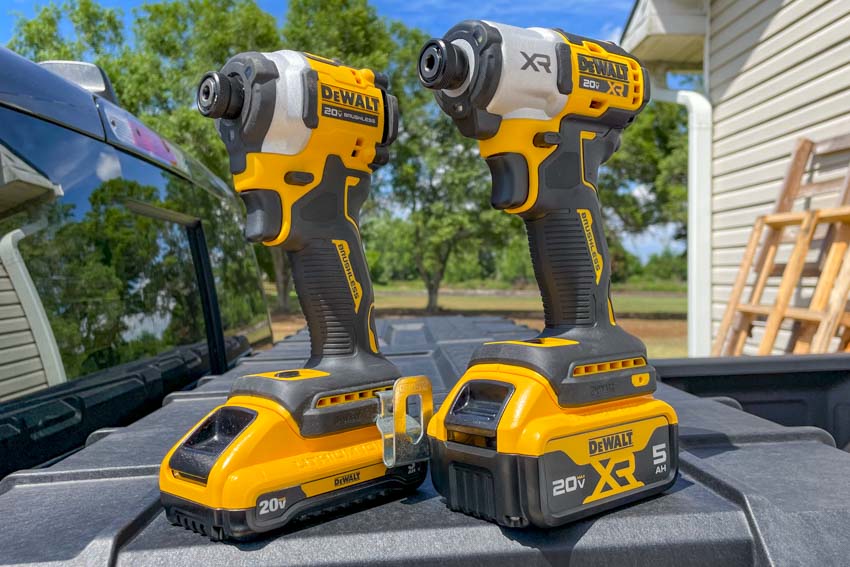
The Atomic series is designed for people who want a compact, lightweight tool that is easy to use in tight spaces. The main focus is on size and convenience, not maximum power. The XR series, on the other hand, is built for professionals and heavy users who need maximum power, longer runtime, and advanced features. The “XR” stands for “Extreme Runtime,” highlighting its main advantage.
A common beginner mistake is to pick the smaller tool thinking it will be easier to handle, only to find it lacks the power for heavy jobs. Another is buying the most powerful tool when a lighter, cheaper one could do the job just as well.
Design And Build Quality
One of the first things you will notice is the difference in size and weight. The Atomic hammer drill is smaller and lighter, making it perfect for overhead work or jobs in tight corners. Most Atomic models weigh around 2.5 to 3 pounds without the battery. The XR models are larger, sometimes up to 4 pounds or more. That extra weight often means more power and durability, but it can cause fatigue in long jobs.
Both lines use brushless motors, which are more efficient and last longer than traditional brushed motors. The build quality is solid on both, with strong housings and reliable chucks. However, the XR series often uses more metal parts and has a more robust feel, especially in the chuck and gearbox.
A non-obvious detail: the XR’s extra weight is not just the body, but also the larger gear system inside. This lets XR drills handle more stress without overheating or breaking down.

Credit: www.reddit.com
Power And Performance
When it comes to raw power, the XR usually wins. The XR hammer drill can deliver higher torque—often up to 800 UWO (Unit Watts Out), compared to Atomic models, which usually range from 340 to 500 UWO. This means the XR can drill larger holes, drive longer screws, and handle tougher materials like concrete or thick hardwood.
The hammer action is also stronger in the XR. XR models can reach up to 34,000 BPM (beats per minute) in hammer mode, while Atomic models typically reach 28,000 to 30,000 BPM. This difference is important if you need to drill into masonry, brick, or stone regularly.
Atomic drills are still powerful for their size, and they can easily handle most wood, metal, or plastic jobs. But for heavy-duty construction or frequent concrete work, the XR’s extra muscle is a big advantage.
A mistake some users make: using an Atomic drill for high-demand masonry work. It will work at first, but the tool may overheat or wear out quickly.
Battery And Runtime
Both Atomic and XR hammer drills use Dewalt’s 20V MAX battery platform, so you can swap batteries between tools. The main difference is the battery size that usually comes with each kit.
Atomic kits often include compact 1.3Ah or 2.0Ah batteries. These keep the tool light but offer less runtime. XR kits usually come with 4.0Ah, 5.0Ah, or even 6.0Ah batteries. These larger batteries run longer and deliver more power for tough jobs.
The XR’s brushless motor and larger batteries together give much longer runtime under heavy use. For example, drilling 1/4″ holes in concrete, an XR with a 5.0Ah battery can drill nearly twice as many holes per charge as an Atomic with a 2.0Ah battery. If you work all day or far from a charger, XR saves you from frequent battery changes.
It’s worth noting that all Dewalt 20V MAX batteries are cross-compatible, but putting a large battery on an Atomic drill can make it feel unbalanced. Some users find this awkward, especially for one-handed work.
Credit: www.protoolreviews.com
Features And Technology
The XR series often includes advanced features not found on Atomic models. Here are some examples:
- Precision Clutch: Many XR drills have multiple clutch settings for fine control, useful for delicate work.
- Three-Speed Gearbox: XR models sometimes offer three speeds instead of two, giving more control over drilling and driving.
- LED Work Light: Both lines have LED lights, but XR often has a brighter three-mode light with a spotlight function.
- E-Clutch and Kickback Control: Higher-end XR models include electronic clutch or anti-kickback technology, making them safer to use on tough jobs.
- Metal Chuck: XR drills usually have an all-metal chuck for better bit grip and durability.
Atomic drills focus on simplicity and size. You get the basics: two speeds, a good LED, and a plastic or part-metal chuck. For most home users, these features are enough, but professionals may miss the advanced options.
Price And Value
One of the biggest factors for many buyers is price. Atomic models are usually $40–$100 cheaper than XR models with similar accessories. If your main jobs are light drilling or screw driving, Atomic offers great value.
XR models cost more because of their advanced features and higher performance. But for people who need a tool that lasts years under tough conditions, or who want the latest safety features, the extra money is a smart investment.
Here’s a simple price comparison for common models:
| Model | Average Kit Price (with battery) | Main Strength |
|---|---|---|
| Dewalt Atomic DCD709 | $149 – $179 | Compact, lightweight |
| Dewalt XR DCD996 | $229 – $279 | Power, advanced features |
| Dewalt XR DCD999 (FlexVolt Advantage) | $249 – $329 | Maximum power, FlexVolt compatibility |
Prices can change by location, sales, and battery options, but the pattern is clear: XR is the premium line.
Who Should Choose Atomic?
Atomic is a great choice if you:
- Need a tool for home repairs, light construction, or furniture assembly
- Work in tight or awkward spaces (inside cabinets, overhead, etc.)
- Want a lightweight drill that’s easy to carry and use all day
- Prefer a lower price but still want Dewalt reliability
Atomic is popular with electricians, HVAC techs, and homeowners who need to move quickly and often don’t need extreme power. It’s also a smart choice for anyone who wants a backup or secondary drill.
Who Should Choose Xr?
The XR line is best if you:
- Work in construction, renovation, or other trades where drills see heavy use
- Need to drill into concrete, masonry, or thick metal often
- Want the longest runtime possible from each battery
- Value advanced safety features and custom controls
XR is the “workhorse” of the Dewalt line. It is built to survive tough job sites and keep running for years. Many contractors and serious DIYers keep both an XR and an Atomic in their kit, using the Atomic for light jobs and the XR for hard work.
Real-world Performance: Atomic Vs Xr Head-to-head
To give you a clearer idea, let’s look at how the most popular models perform side by side: the Dewalt Atomic DCD709 and the Dewalt XR DCD996.
Drilling Speed And Power
The DCD996’s motor is much stronger. It can drill a 1/2” hole in concrete in about 8 seconds, while the Atomic DCD709 takes 12–14 seconds for the same job. For wood, the difference is smaller, but XR still wins with faster drilling and less strain.
Runtime
Using a 5.0Ah battery, the XR DCD996 can drive about 400 3” screws into pine on a single charge. The Atomic DCD709, with a 2.0Ah battery, manages around 150 screws. If you swap batteries (5.0Ah in both), the XR still runs about 20% longer because of its more efficient electronics.
Size And Comfort
The Atomic DCD709 is only 6.9 inches long and weighs 2.5 lbs (tool only), making it much easier to use in small spaces. The XR DCD996 is 8.4 inches long and 4.0 lbs. For overhead drilling, the Atomic’s lighter weight is a big advantage.
Noise And Vibration
XR drills are louder and vibrate more during heavy use, especially in hammer mode. This is because of the stronger motor and hammer mechanism. Atomic is quieter and smoother, which can matter if you work indoors or in sensitive environments.
Durability
XR models have all-metal gearboxes and chucks, designed for years of use. Atomic drills are strong, but not meant for daily, heavy-duty work. If you drop your drill often or work in dirty, tough conditions, XR is safer.
Here’s a comparison table:
| Feature | Atomic DCD709 | XR DCD996 |
|---|---|---|
| Length | 6.9 in | 8.4 in |
| Weight (tool only) | 2.5 lbs | 4.0 lbs |
| Max Torque | 340 UWO | 820 UWO |
| Hammer BPM | 28,050 | 38,250 |
| Speeds | 2 | 3 |
| LED Light | Single | Three-mode |
| Chuck Material | Plastic/metal | All metal |
Battery Options And Compatibility
One strong point for Dewalt is the 20V MAX battery system. All Dewalt 20V tools, including Atomic and XR, use the same batteries. This means you can buy a kit with one line and add tools from another without buying new batteries.
XR models can take advantage of Dewalt’s FlexVolt batteries (20V/60V), which deliver even more power and runtime. Some newer XR hammer drills, like the DCD999, unlock extra power when using FlexVolt. Atomic models can use FlexVolt, but you won’t see a performance boost—the tool’s electronics limit the power.
Here’s a quick look at battery compatibility:
| Battery Type | Atomic Compatible | XR Compatible | Notes |
|---|---|---|---|
| 20V MAX | Yes | Yes | Standard for both lines |
| FlexVolt (20V/60V) | Yes | Yes (full power unlocks extra torque) | XR FlexVolt models use full potential |
Non-obvious tip: If you have a mix of old and new Dewalt tools, check the battery shape and charger type. Some older chargers may not work with FlexVolt batteries.
Longevity And Maintenance
XR drills are built for long-term, heavy use. With regular cleaning and proper battery care, they can last for years even on busy job sites. Many XR users report 5+ years of daily use with only minor wear.
Atomic drills are also reliable, but they’re not designed for daily heavy construction. They can last just as long with light use, but if pushed hard every day, you may notice more wear on the clutch and chuck.
Both lines have brushless motors, which means fewer parts wear out. To extend the life of either drill:
- Avoid dropping or striking the tool
- Keep the chuck clean and free of debris
- Use the right bit for the material
- Charge batteries at room temperature, not in extreme heat or cold
Which One Is Right For You? Key Questions To Ask
Before you buy, ask yourself:
- How often will I use the drill? For daily use, especially on job sites, XR is worth the investment. For weekly or occasional use, Atomic is often enough.
- What materials will I drill into? Masonry, thick hardwood, and large-diameter holes need XR power. For drywall, soft wood, and small screws, Atomic is fine.
- Do I need advanced safety or control features? Precision clutch, anti-kickback, and three speeds are only in XR.
- Is weight or size a concern? Overhead or in-cabinet work is easier with Atomic.
- What is my budget? Atomic saves money upfront, but XR is a better long-term investment for heavy users.
Common Buyer Mistakes To Avoid
- Buying “too much” tool: XR is great, but for small projects, it’s overkill. You pay more for power you may never use.
- Ignoring battery size: Many Atomic kits have small batteries. If you drill a lot, buy extra or larger batteries.
- Overlooking comfort: Heavy tools cause fatigue. Try holding both lines before you buy.
- Assuming all Dewalt drills are the same: Features, power, and durability can vary a lot, even within the same brand.
- Forgetting accessories: High-torque XR drills need strong bits. Cheap bits can break or strip easily.
Where To Buy And Warranty
Both Atomic and XR hammer drills are sold at most hardware stores and online retailers. Dewalt offers a 3-year limited warranty for both lines, plus a 1-year free service and 90-day money-back guarantee. Always buy from authorized dealers to ensure your warranty is valid.
For the latest models and technical details, check the official Dewalt website.

Credit: www.youtube.com
Frequently Asked Questions
What Is The Main Difference Between Dewalt Atomic And Xr Hammer Drills?
The biggest difference is that Atomic is designed for compact size and light weight, while XR focuses on maximum power, runtime, and advanced features. XR is better for heavy-duty work, Atomic is better for tight spaces and light tasks.
Can I Use The Same Batteries For Both Atomic And Xr Hammer Drills?
Yes, both lines use the Dewalt 20V MAX battery system. You can swap batteries between Atomic and XR tools. XR FlexVolt models can use special FlexVolt batteries for extra power.
Are Atomic Hammer Drills Strong Enough For Concrete?
Atomic drills can handle light masonry work (like small holes in brick or block), but they are not as powerful as XR models. For frequent or large concrete jobs, XR is a better choice.
Which Line Is Better For Professionals?
Most professionals prefer the XR series because of its higher power, better features, and longer runtime. Atomic is popular as a secondary or specialty tool for small spaces.
Is It Worth Paying Extra For Xr?
If you need maximum power, long runtime, or advanced safety features, XR is worth the investment. For general home use or light work, Atomic gives good value and is easier to handle.
In the end, choosing between Dewalt Atomic and XR hammer drills is about matching the tool to your real needs. Take time to think about your projects, workspace, and budget. Both lines offer Dewalt quality, but the right choice will help you work faster, safer, and with less frustration.