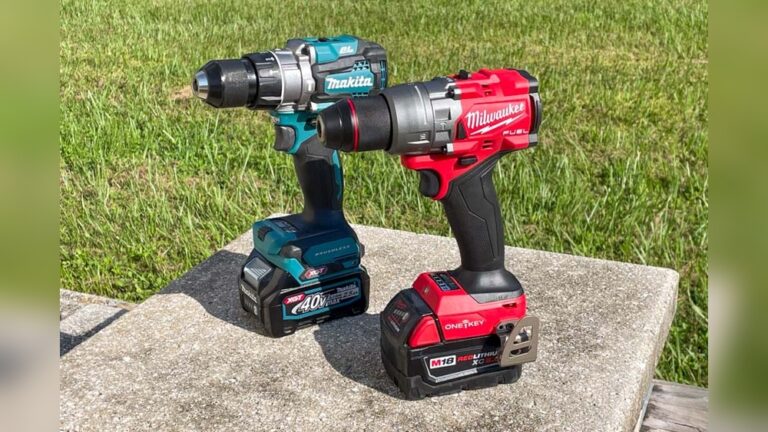
Many professionals and serious DIYers face a big question when choosing a new cordless drill: Hilti drill vs Milwaukee. Both brands are famous for their power tools, strong performance, and reliability. But which one fits your needs better? Making the right decision can save you money, time, and plenty of headaches on the job.
If you’ve ever stood in a tool store, comparing these red and red-and-black drills, you know it’s not a simple choice. Both Hilti and Milwaukee have passionate fans. Contractors trust them on big construction sites. Homeowners want them for tough renovation projects.
Each brand has its own strengths, specialties, and even weaknesses. This guide will break down those differences, offering real details—not just specs, but also day-to-day experience, value, and support.
By the end, you’ll understand how Hilti and Milwaukee compare in power, battery, durability, price, and more. Whether you build for a living or just want the best for home repairs, you’ll be ready to pick the right drill for your work.
Brand Backgrounds
Before comparing models, it helps to understand what sets each company apart.
Hilti
Hilti began in 1941 in Liechtenstein. Over the years, Hilti became known for making professional-grade tools. Their focus is not on the average homeowner, but on construction pros who work in harsh, demanding conditions. Hilti’s red tools are common on commercial job sites, especially for concrete work.
The company invests heavily in research and development. They often lead with new technology, like advanced dust control or smart batteries. Hilti also offers a unique tool fleet management service—companies can rent tools, track them, and get fast repairs. This changes how businesses manage their equipment.
Milwaukee
Milwaukee Tool started in 1924 in the USA. Like Hilti, Milwaukee focuses on professionals, but their reach is wider. They’re a favorite among electricians, plumbers, remodelers, and even serious DIYers. Milwaukee is best known for their M18 and M12 cordless platforms. They have a huge range of tools that use the same batteries.
Milwaukee invests in innovation too. They were first to market with features like brushless motors, One-Key tool tracking, and fast-charging batteries. Their bright red tools are easy to spot in any toolbox.
Product Range And Platforms
Both brands make much more than drills. But their drill and driver ranges show a lot about their overall approach.
Hilti’s Drill Lineup
Hilti’s main cordless drill line is called Nuron (launched in 2022), replacing their old 22V system. They also have some 12V and 36V drills, but most professionals use Nuron (22V). Key Hilti drill types include:
- Hammer Drills: Designed for concrete and masonry
- Compact Drills: For lighter jobs and tight spaces
- Combos: Drill/Driver kits with extra tools and batteries
Hilti focuses on fewer models but aims for high durability and consistency.
Milwaukee’s Drill Range
Milwaukee offers two main battery platforms:
- M18 (18V): The most popular, with more than 200 compatible tools
- M12 (12V): For compact, lighter tasks
Key Milwaukee drill types:
- Drill/Drivers: Basic drilling and screwing
- Hammer Drills: For masonry and concrete
- Right-Angle Drills: For electricians and plumbers
- Specialty Models: High-torque, compact, and even one-handed drills
Milwaukee’s range is wider, with many price and power options.
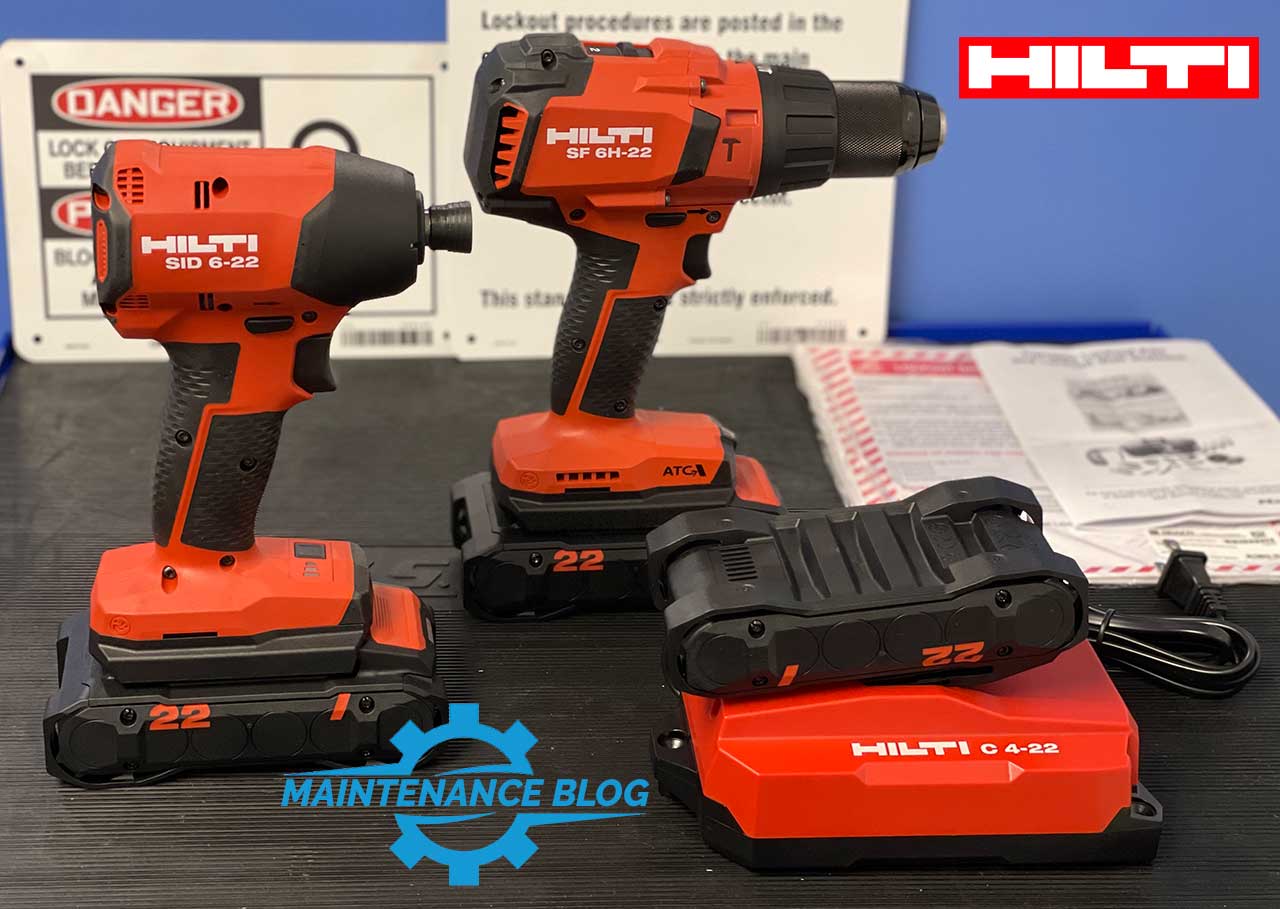
Credit: maintenanceblog.com
Performance And Power
Drill power is not just about volts. It’s about how much work you can do quickly and safely.
Torque And Speed
Torque means twisting force. More torque helps with big screws, lag bolts, and tough materials. Here’s a basic comparison of flagship models:
| Brand | Model | Max Torque (Nm) | No-Load Speed (RPM) |
|---|---|---|---|
| Hilti | SF 6H-22 Nuron | 90 | 2,100 |
| Milwaukee | M18 FUEL 2904-20 | 135 | 2,100 |
Key insights:
- Milwaukee’s top M18 model offers higher torque than Hilti’s flagship. This helps with tough drilling, but high torque can also twist your wrist if not handled correctly.
- Both reach similar top speeds, useful for drilling wood and metal.
Don’t judge just by numbers. Hilti’s drills may seem weaker on paper, but their power delivery is very smooth. That means less vibration, and the torque is easy to control.
Hammer Action
If you often drill in concrete, hammer drills matter. Hilti’s background in masonry shows here. Their hammer drills are famous for:
- Consistent impact energy
- Long life in tough concrete
- Low vibration, reducing fatigue
Milwaukee’s hammer drills are strong, but Hilti’s feel more purpose-built for concrete.
Battery Technology
Cordless drills are only as good as their batteries. Both Hilti and Milwaukee push battery technology, but in different ways.
Hilti Nuron Batteries
- Voltage: 22V (but compatible with older 22V and 18V systems)
- Amp Hour Options: 2.5Ah, 4Ah, 8Ah, and higher
- Smart Features: Track battery health, usage, and even locate lost batteries
Hilti’s batteries are built for long life. They have strong outer shells and good heat management, which is critical for all-day use.
Milwaukee M18 Batteries
- Voltage: 18V
- Amp Hour Range: 1.5Ah to 12Ah (High Output)
- REDLITHIUM™ Tech: Advanced cells and electronics for longer run time
- Rapid Charging: Milwaukee’s Super Charger can fill a high-capacity battery in about 1 hour
Milwaukee batteries fit hundreds of tools, from drills to saws to lights. Their 12Ah “High Output” batteries offer huge run time for big jobs.
Real-world Runtime
Battery life is hard to compare directly since it depends on:
- Drill type
- Material drilled
- Bit size
- User technique
But in side-by-side tests with similar batteries (5Ah), Milwaukee’s M18 FUEL drills usually run longer per charge. However, Hilti’s batteries often outlast in terms of total cycles before replacement is needed.
Quick tip: For heavy users, battery cycle life matters more than just one day’s runtime.

Credit: www.youtube.com
Durability And Build Quality
Contractors buy Hilti and Milwaukee because they last. But how do they compare?
Hilti: Built For Abuse
Hilti drills are known for rugged housings and tight tolerances. Drop one from a ladder, and it will probably survive. Their tools are:
- Splash and dust-resistant
- Sealed switches and motors
- Metal gearboxes for long life
Hilti targets users who work in concrete dust, rain, and mud. They’re designed to work after being dropped, kicked, or even run over (within reason).
Milwaukee: Tough For Many Trades
Milwaukee is no slouch. Their M18 FUEL line uses:
- All-metal chucks and gears
- Brushless motors for longer life
- Protective rubber overmold
Milwaukee tools feel solid and can handle tough conditions, but some users say their plastics are less thick than Hilti’s. For daily use in wood, metal, and plastic, Milwaukee holds up well. In extreme concrete or demolition work, Hilti often wins.
Hidden insight: Hilti’s tight quality control means fewer “bad apples” (defective tools) compared to Milwaukee.
Ergonomics And User Comfort
Working all day with a heavy tool can hurt your hands and shoulders. Here, differences become clear.
Hilti’s Approach
Hilti drills tend to be a bit heavier and bulkier, but this is balanced by:
- Smooth, low-vibration operation
- Well-shaped grips
- Balanced design that feels steady, even in awkward positions
They’re not always the lightest, but many pros say they’re the most comfortable for long drilling sessions—especially in concrete.
Milwaukee’s Style
Milwaukee drills are:
- Slightly lighter on average
- Slimmer in the hand
- Well-balanced with battery attached
This makes them easier for overhead or one-handed work. However, some users notice more vibration, especially in hammer mode.
Practical tip: For all-day use, try holding each drill before buying. Small ergonomic differences matter more than you think.
Features And Technology
Modern drills are more than just motors and batteries. Both brands pack in smart features.
Hilti Highlights
- Active Torque Control (ATC): Stops rotation if the bit jams, protecting your wrist
- Smart Batteries: Track battery life, usage, and location
- Dust Removal Attachments: Connect to vacuums for clean drilling
- Fleet Management: For companies, you can track, repair, and replace tools easily
Milwaukee Innovations
- ONE-KEY™: Bluetooth tool tracking and customization via smartphone
- REDLINK PLUS™: Electronics protect tool and battery from overheating or overloading
- LED Worklights: Built into most drills
- Wide Accessory Range: Right-angle attachments, handle extensions, and more
Unique insight: Milwaukee’s ONE-KEY is great for businesses with many tools. Hilti’s ATC is a lifesaver if you’ve ever had a drill spin out of control.
Price And Value
This is where the brands split most clearly.
Hilti Pricing
Hilti drills are much more expensive up front. For example:
- Hilti SF 6H-22 Kit: About $450–$600 (includes two batteries, charger, case)
But Hilti offers:
- Full two-year wear-and-tear warranty
- Lifetime service agreement (pay for repairs after warranty, but cost is capped)
- Tool fleet management (for companies)
You’re paying for service, fast repairs, and high durability—less downtime on big jobs.
Milwaukee Pricing
Milwaukee drills offer more options for every budget. For example:
- M18 FUEL 2904-22 Kit: About $350–$400 (two batteries, charger, case)
- Entry-level kits: As low as $99
Warranty is:
- Five years on tools
- Two years on batteries
Milwaukee is a better value for homeowners, DIYers, and tradespeople who don’t need daily service support.
Common mistake: Don’t compare Hilti’s highest-end drills to Milwaukee’s entry models. Match features and battery size to get a fair comparison.

Credit: www.youtube.com
After-sales Service And Support
When your drill breaks, how fast can you get back to work?
Hilti
Hilti’s service is legendary. Their promise includes:
- Free repairs for two years, even for wear
- Loaner tools if yours is in service
- Fleet management tools (track, replace, budget repairs)
- 24-hour turnaround in many cities
For contractors, this keeps crews working. The service is built into the higher price.
Milwaukee
Milwaukee offers:
- Online and in-store warranty service
- Quick replacement for defective batteries
- Wider dealer network (more places to drop off tools)
- Five-year tool warranty
Milwaukee’s process can be slower, especially during busy times. But their parts are easy to find, and most repairs are affordable.
Hidden insight: Hilti’s service is better for companies with tool fleets. Single users may not use all the benefits.
Availability And Distribution
Can you buy, rent, or repair the drill easily in your area?
- Hilti: Sold mainly through Hilti stores, online, or direct sales reps. Limited big-box store presence. Rentals are common for big tools.
- Milwaukee: Available everywhere—Home Depot, online, independent dealers. You can try before buying and find accessories in any city.
If you need a drill today, Milwaukee is easier to buy.
Accessories And Compatibility
Your drill is only as useful as the bits, chucks, and attachments you can use.
Hilti
- Makes its own high-quality bits, chucks, and cases
- Accessories are expensive but last a long time
- Some tools only fit Hilti batteries and chargers
Milwaukee
- Huge range of accessories, often cheaper
- M18 batteries fit over 200 tools
- Many third-party options (bits, cases, etc.)
Pro tip: If you already own Milwaukee batteries, it’s cheaper to add more Milwaukee tools than to start with Hilti.
Environmental And Safety Considerations
Both brands focus on sustainability and safety, but with different strengths.
- Hilti: Recycles old tools and batteries, offers dust management systems, and designs tools for low vibration and safer handling.
- Milwaukee: Recycles batteries, uses efficient brushless motors, and offers smart electronics to prevent overheating or overloading.
If jobsite safety or green practices matter to you, check the latest programs from each brand. For example, Hilti’s dust control systems are among the best for health regulations.
User Experience And Reviews
What do real users say after months or years of use?
Hilti
- Pros: “Never breaks,” “great service,” “perfect for concrete”
- Cons: “Heavy,” “expensive,” “hard to find accessories locally”
Milwaukee
- Pros: “Powerful,” “lots of tools for one battery,” “good value”
- Cons: “Some vibration,” “plastics can crack,” “service can be slow”
Many tradespeople use both: Hilti for heavy-duty work, Milwaukee for everything else.
Direct Model Comparison
Let’s compare the most popular models side by side.
| Feature | Hilti SF 6H-22 | Milwaukee M18 FUEL 2904-20 |
|---|---|---|
| Voltage | 22V | 18V |
| Max Torque | 90 Nm | 135 Nm |
| Weight (w/battery) | 4.0 lbs (1.8 kg) | 3.2 lbs (1.45 kg) |
| Warranty | 2 yr (full), lifetime service | 5 yr (tool), 2 yr (battery) |
| Smart Features | ATC, battery health tracking | ONE-KEY, REDLINK PLUS |
| Price (kit) | $450–$600 | $350–$400 |
Which Should You Choose?
Here’s how to make your decision easier:
Pick Hilti if you:
- Work in commercial construction or heavy concrete
- Need top-level durability and service
- Can invest more upfront for fewer tool breakdowns
Pick Milwaukee if you:
- Want a wide range of tools for one battery
- Care about value and flexibility
- Work in wood, metal, or lighter construction
If you run a business, Hilti’s fleet management and service may save you money in the long run. For most users, Milwaukee’s wider range and easier availability win out.
Non-obvious tip: If you already use one brand’s batteries, staying loyal saves money. Mixing brands means buying extra chargers and batteries, which adds up fast.
Frequently Asked Questions
What’s The Main Difference Between Hilti And Milwaukee Drills?
The biggest difference is that Hilti focuses on maximum durability and service for heavy construction, while Milwaukee offers a wider range of tools and better value for general trades and DIYers.
Are Hilti Drills Really Worth The Higher Price?
For pros who use drills all day, every day—especially in concrete—the higher cost pays off in fewer repairs and less downtime. For most homeowners or small contractors, Milwaukee gives better value.
Can Milwaukee Batteries Work With Hilti Drills?
No, Milwaukee and Hilti batteries are not interchangeable. Each uses a unique shape and connector. Sticking with one brand saves money on chargers and extra batteries.
Which Brand Is Better For Concrete Work?
Hilti is famous for concrete and masonry. Their drills are designed for dust, impact, and long life in tough conditions. Milwaukee’s hammer drills are strong, but Hilti wins for heavy-duty concrete.
Where Can I Find More Details About Tool Specs And Reviews?
You can find reliable information on each brand’s official site, or check out in-depth tool reviews on sources like Pro Tool Reviews.
Both Hilti and Milwaukee make excellent drills. Your choice depends on your work, your budget, and how much you value service and tool compatibility. Take your time, handle the tools if possible, and think about your long-term needs—not just the price tag today.
The right drill will serve you for years of reliable work.