Carbide drill bits have transformed the way professionals and hobbyists approach drilling in hard materials. These small but powerful tools are not only about making holes; they represent innovation, durability, and precision in modern machining and construction. If you’ve ever wondered why some drill bits last much longer, cut cleaner, or cost more, you’re likely thinking about carbide drill bits.
In this detailed guide, you’ll discover what sets carbide drill bits apart, when and how to use them, their benefits and limitations, and why they are a top choice for demanding tasks.
What Is A Carbide Drill Bit?
A carbide drill bit is a cutting tool made with a tip or body composed of carbide, a compound of carbon and a metal such as tungsten. Unlike regular steel drill bits, carbide bits are extremely hard, wear-resistant, and can maintain sharpness at high temperatures. This makes them ideal for drilling into tough materials like stainless steel, cast iron, ceramics, and even concrete.
Carbide is not a single metal; it is a composite material. The most common type used in drill bits is tungsten carbide, which is made by combining tungsten and carbon under intense heat and pressure. The result is a material that is much harder than steel but also more brittle. Often, carbide is used only at the tip of the drill bit (carbide-tipped), while the rest of the bit is made from a less expensive steel to balance cost and durability.
How Carbide Drill Bits Are Made
The manufacturing of carbide drill bits is a blend of science and precision engineering. First, fine powders of tungsten and carbon are mixed, shaped into the required form, and then pressed under high pressure. This “green” part is then sintered in a furnace at temperatures above 1400°C.
Sintering causes the powders to bond together into a dense, hard solid.
In many cases, only the cutting edge or tip is made of carbide, which is then brazed (attached using a special high-temperature technique) to a steel shank. For high-performance applications, the entire bit may be made from solid carbide.
This process gives carbide drill bits their unique combination of hardness and temperature resistance, but also makes them more expensive and somewhat brittle compared to regular high-speed steel (HSS) bits.
Key Properties Of Carbide Drill Bits
Carbide drill bits are known for several distinctive qualities that set them apart:
- Extreme Hardness: Carbide is about twice as hard as steel, which allows the bit to penetrate hard materials that would quickly dull other bits.
- High Wear Resistance: The cutting edge stays sharp much longer, providing consistent performance over time.
- Heat Resistance: Carbide does not lose hardness at high temperatures, making these bits suitable for high-speed drilling.
- Brittleness: While carbide is hard, it is also more likely to chip or break if misused or dropped.
These properties explain why carbide bits are the preferred choice for demanding environments, but also why they require careful handling.
Types Of Carbide Drill Bits
Carbide drill bits come in several styles and designs, each suited for specific tasks:
- Solid Carbide Drill Bits
- Entirely made from carbide.
- Used for high-precision and high-speed applications.
- Common in CNC machining and aerospace industries.
- Carbide-Tipped Drill Bits
- Have a carbide tip brazed onto a steel body.
- More affordable and less brittle than solid carbide.
- Widely used in construction and general metalworking.
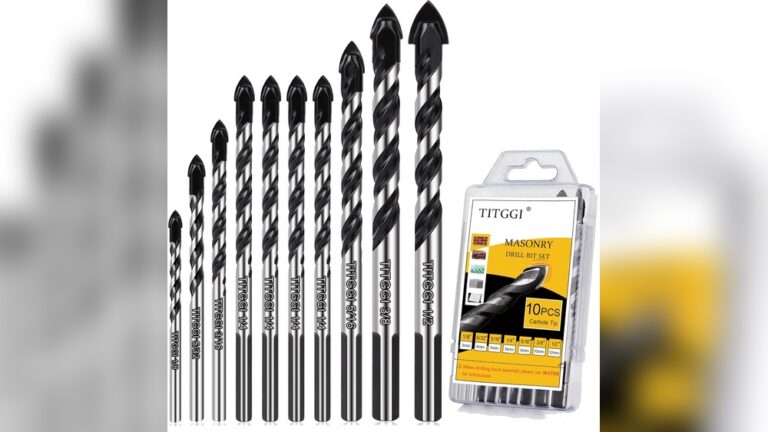
- Carbide Masonry Drill Bits
- Designed specifically for drilling into concrete, brick, and stone.
- Feature a distinctive chisel-shaped carbide tip.
- Carbide Micro Drill Bits
- Extremely small diameter, often less than 3mm.
- Used in electronics (PCB drilling) and fine jewelry making.
- Carbide Spade Drill Bits
- Flat, paddle-shaped bits for larger holes in tough materials.
Each type is engineered for a balance of speed, durability, and cost-effectiveness.
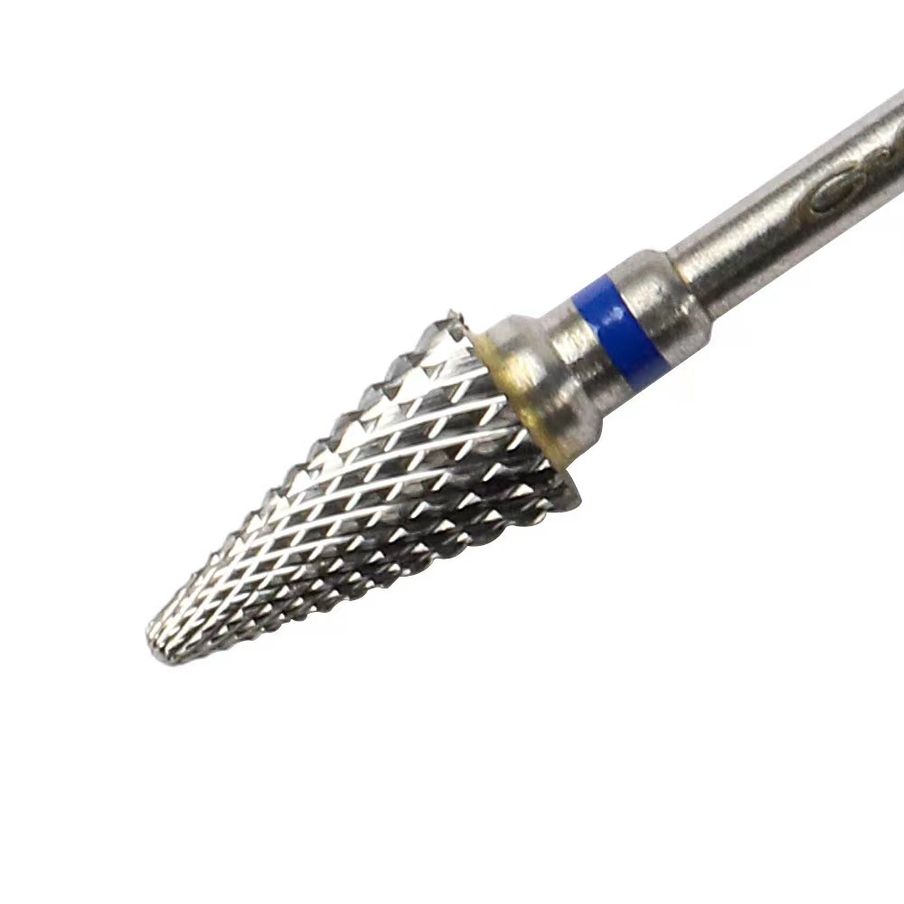
Credit: www.gellifique.eu
Carbide Drill Bits Vs. Other Drill Bits
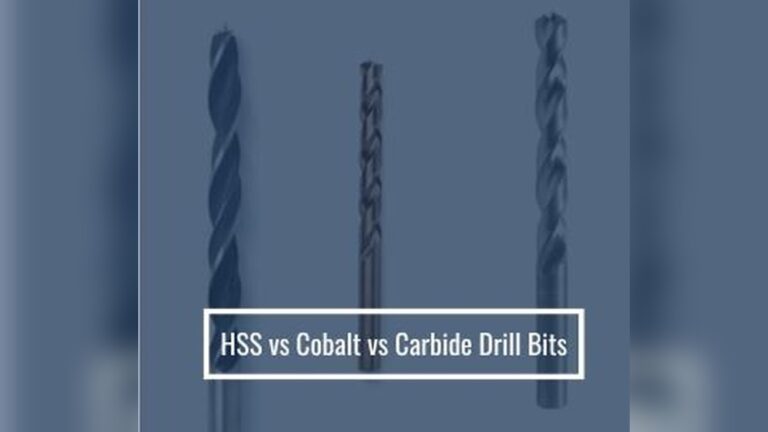
Understanding how carbide drill bits compare to other types is important when choosing the right tool for your project.
| Feature | Carbide Drill Bit | High-Speed Steel (HSS) | Cobalt Drill Bit | Titanium-Coated Bit |
|---|---|---|---|---|
| Hardness | Very High | Medium | High | Medium |
| Heat Resistance | Excellent | Good | Very Good | Good |
| Cost | High | Low | Medium | Low |
| Best Use | Hard materials, high-speed | General purpose | Stainless steel, tough metals | Light metals, wood |
| Brittleness | High | Low | Medium | Low |
Insight: Many beginners assume a harder bit is always better, but in softer materials, HSS or cobalt bits may actually last longer because carbide’s hardness can cause it to chip if the workpiece flexes or vibrates.
When To Use A Carbide Drill Bit
Carbide drill bits are not always the right choice. Their unique properties make them ideal in specific situations:
- Drilling Hard Metals: Materials such as stainless steel, titanium, and tool steel will quickly wear out regular bits. Carbide maintains its edge.
- Abrasive Materials: Glass, ceramics, and composites like carbon fiber need a hard, sharp bit to avoid chipping and cracking.
- High-Volume Production: In industrial settings where hundreds or thousands of holes are drilled, carbide’s durability saves time and money.
- Precision Work: Carbide bits hold their shape, making them essential for tight-tolerance parts.
- Concrete and Masonry: Carbide-tipped masonry bits are the standard for drilling into concrete, stone, and brick.
For home DIY tasks in wood or soft metals, a less expensive bit may be more practical.
Advantages Of Carbide Drill Bits
There are several strong reasons why professionals choose carbide drill bits despite their higher price:
- Longer Lifespan: Carbide bits can last several times longer than HSS or cobalt bits, especially in hard materials.
- Better Performance: Cleaner holes with less burr, faster drilling speeds, and less downtime for bit changes.
- Heat Handling: Ability to drill at high speeds without losing sharpness, which increases productivity.
- Consistent Quality: For automated or CNC operations, carbide ensures repeatable, precise results.
Non-obvious insight: Carbide bits not only save time but can also reduce the risk of damaging expensive workpieces, since a dull bit can cause heat buildup and material warping.
Disadvantages And Limitations
No tool is perfect, and carbide drill bits have their drawbacks:
- Brittleness: If dropped or misaligned, the tip can chip or break. They are not forgiving of mistakes.
- Cost: The price per bit is much higher, which can be a barrier for occasional users.
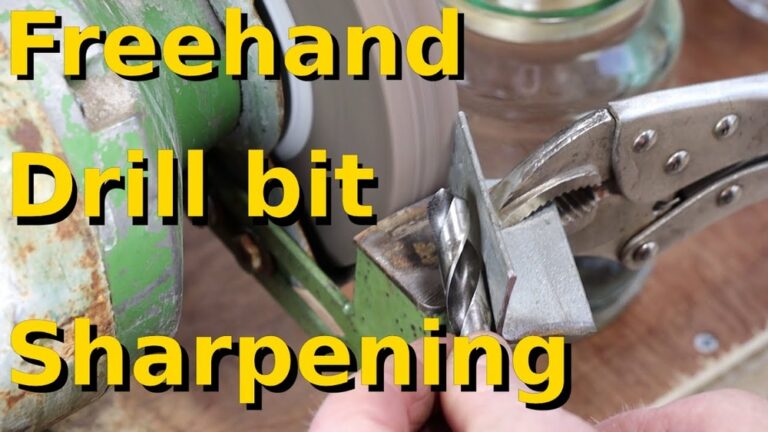
- Difficult to Sharpen: Special diamond grinding wheels are needed to resharpen carbide, and often it’s more practical to replace the bit.
- Overkill for Soft Materials: In wood or plastic, carbide is unnecessary and may even perform worse than HSS.
A common beginner mistake is using carbide bits in a hand drill without proper support. This can lead to breakage, since hand drills are less stable.
Common Applications
Carbide drill bits are used in a wide range of industries and tasks:
- Metalworking: Machining engine blocks, dies, and aerospace parts.
- Construction: Drilling into rebar, stone, and hard concrete.
- Electronics: Creating precise holes in printed circuit boards (PCBs).
- Automotive: Removing broken bolts or studs from engine components.
- Jewelry: Drilling stones or precious metals.
- Dentistry and Medicine: Used in surgical tools for bone and tooth procedures.
Their versatility comes from the unique combination of hardness, precision, and heat resistance.
How To Use Carbide Drill Bits Correctly
To get the most from a carbide drill bit, technique matters as much as the tool itself. Follow these tips:
- Use a Stable Drill or Machine
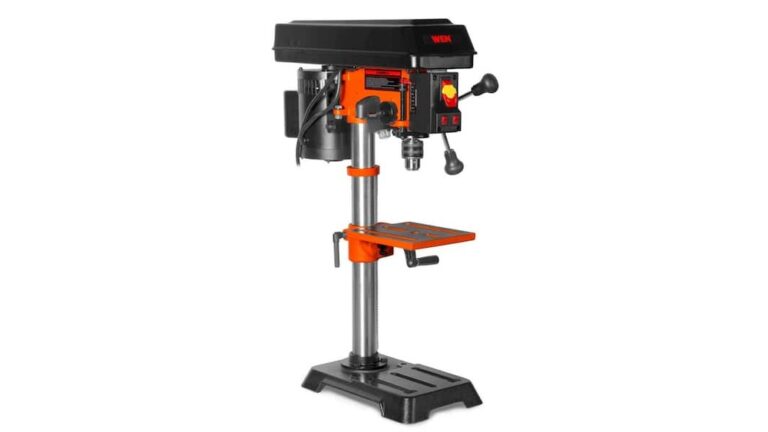
- Carbide bits perform best in a rigid drill press or CNC machine.
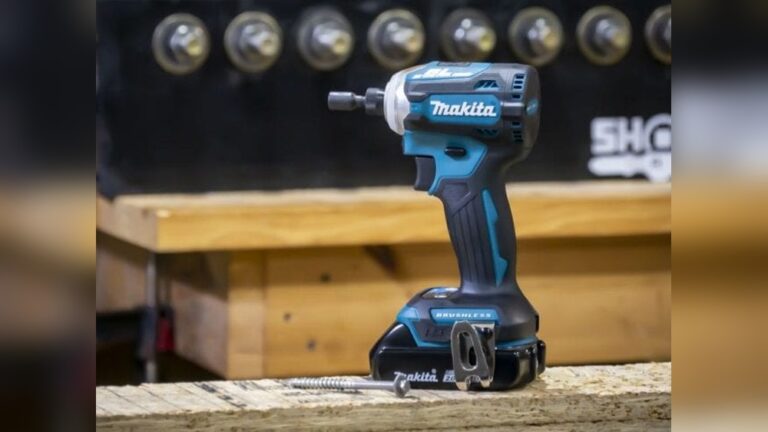
- Handheld drilling increases the risk of breakage due to vibration or misalignment.
- Set the Right Speed
- Carbide can handle high speeds, but always check manufacturer recommendations.
- Too slow can cause rubbing (dulling), too fast can overheat the workpiece.
- Apply Steady, Moderate Pressure
- Let the bit do the work; excessive force increases the risk of chipping.
- Use Cutting Fluid When Needed
- For metals, a light oil or coolant can extend bit life and improve cut quality.
- Start with a Pilot Hole
- For large diameter holes, begin with a small pilot hole to guide the bit and reduce stress.
- Keep the Bit Clean
- Frequently remove chips and dust to prevent clogging and overheating.
- Store Carefully
- Protect bits from impacts and moisture when not in use.
Practical example: In a machine shop, a technician uses a solid carbide bit to create precision holes in a titanium part. The drill press is carefully aligned, speed is set to 3000 RPM, and coolant is applied. Each hole is clean, burr-free, and within tolerance.
How To Choose The Right Carbide Drill Bit
Not all carbide drill bits are the same. Here’s what matters:
| Factor | Why It Matters |
|---|---|
| Type of Carbide | Some blends are tougher or more wear-resistant. Look for tungsten carbide for metal, silicon carbide for stone/glass. |
| Tip Geometry | Split point or chisel tip for metal; spear or arrowhead for glass/ceramic. |
| Shank Design | Round shank for drill presses, hex shank for hand drills. |
| Diameter and Length | Choose based on hole size and depth needed. |
| Brand Reputation | Quality control is critical; cheap bits may use inferior carbide or poor brazing. |
| Coating | Some bits have coatings (like TiAlN) for longer life and better chip removal. |
Non-obvious insight: Always check if the carbide bit is solid or just carbide-tipped. For most home and light industrial use, carbide-tipped offers the best balance of performance and durability.
Maintenance And Care Tips
Proper care extends the life of your carbide drill bits:
- Inspect Before Use: Look for chips or cracks. Even small damage can worsen quickly in use.
- Sharpening: If possible, sharpen with a diamond wheel, but for small or heavily worn bits, replacement is usually better.
- Clean After Use: Remove residue and store in a dry, padded case.
- Label for Application: Keep bits for metal, masonry, and glass separate to avoid cross-contamination and early wear.
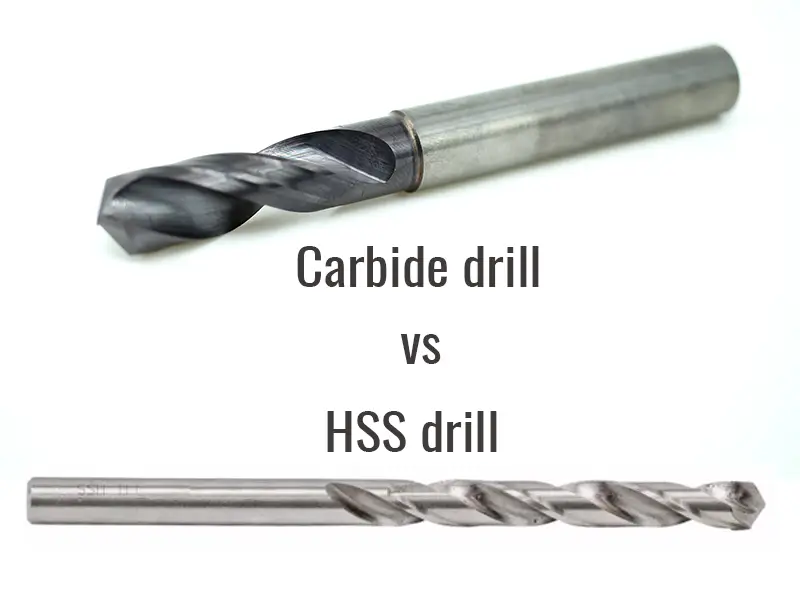
Credit: www.sundicuttingtools.com
Safety Guidelines
When using carbide drill bits, safety should be a priority:
- Wear Eye Protection: Carbide fragments can be sharp and fast-moving if a bit breaks.
- Secure the Workpiece: Always clamp your material to avoid movement and reduce breakage risk.
- Use Correct RPM: High speeds are fine, but excessive RPM can cause overheating and material failure.
- Avoid Sudden Side Pressure: Carbide does not flex; lateral forces can snap the tip.
Environmental Impact And Recycling
Carbide is a valuable material, and many manufacturers now offer recycling programs for used bits. When you replace a carbide bit, check if your supplier participates in a carbide recycling initiative. This keeps valuable tungsten and other metals in use and reduces mining impact.
For more information on the properties and uses of tungsten carbide, you can visit the Wikipedia page on Tungsten Carbide.
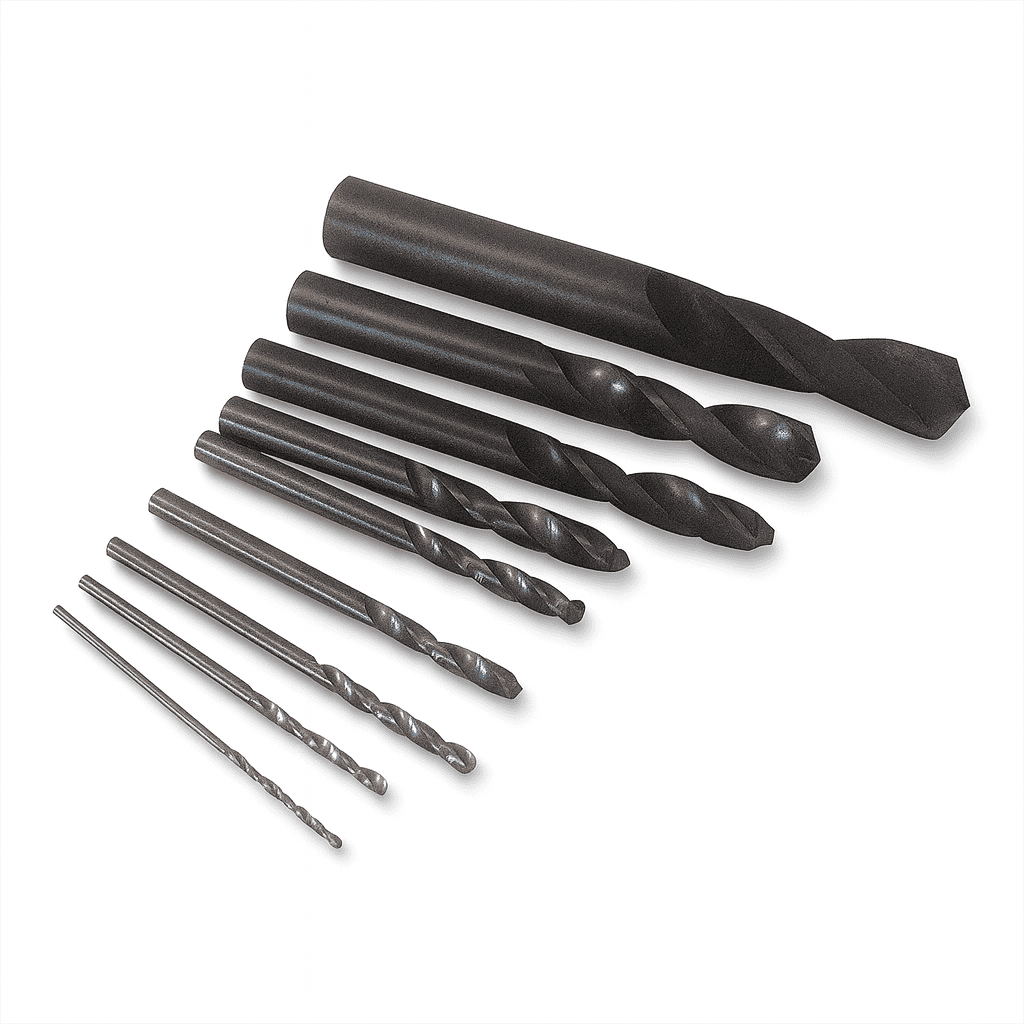
Credit: eternaltools.com
Frequently Asked Questions
What Materials Can I Drill With A Carbide Drill Bit?
Carbide drill bits are suitable for hard metals (like stainless steel and titanium), concrete, masonry, ceramics, glass, and composites. They are not ideal for soft wood or plastics, where other bits are more cost-effective.
Is A Carbide Drill Bit Better Than A Cobalt Drill Bit?
Carbide bits are harder and more wear-resistant than cobalt bits, making them better for extremely hard or abrasive materials. However, cobalt bits are less brittle and more forgiving for hand drilling or softer metals.
Can I Use A Carbide Drill Bit In A Regular Hand Drill?
Yes, but with caution. Carbide is brittle, so a regular hand drill increases the risk of chipping or breaking the bit due to vibration or misalignment. Use a stable drilling platform whenever possible.
How Do I Know When To Replace My Carbide Drill Bit?
Replace the bit when you notice chipping, cracks, or dullness that cannot be fixed by sharpening. Loss of cutting performance or visible damage means the bit may fail soon.
Are There Safety Risks With Carbide Drill Bits?
The main risks are breakage (which can send sharp fragments flying) and overheating the workpiece. Always wear eye protection and follow speed and pressure recommendations for the material you’re drilling.
Carbide drill bits are a major step forward in tool technology, making hard jobs easier and more precise. By choosing the right type, using proper technique, and treating these tools with respect, you can enjoy their benefits for years—whether in a machine shop, a construction site, or your home workshop.