Many people in woodworking, construction, or home improvement often face a simple but important question: spade bit vs drill bit—which one should I use? The answer can mean the difference between a perfect hole and a ruined project. Both tools are common, but they serve different purposes. Picking the wrong one can waste time, damage material, or even break your drill.
Let’s break down the key differences, uses, advantages, and tips for each. By the end, you’ll know exactly when to reach for a spade bit and when to choose a drill bit. We’ll go deep into their designs, how they perform, and even cover some less obvious details that many guides miss.
What Is A Spade Bit?
A spade bit is a flat, paddle-shaped tool designed for quickly boring large holes in wood. The tip has a sharp point to start the hole, and the wide flat blade removes wood as it spins. Most spade bits range from 6mm (1/4 inch) to 38mm (1-1/2 inch) in diameter.
Spade bits are famous for their speed and simplicity. With a single central point and two sharp edges, they chew through wood faster than most other bits. Electricians, plumbers, and framers love them for making fast, rough holes for wires and pipes.
However, spade bits are not for every job. Their holes are not as clean as other bits, and they can splinter the wood when they exit. They’re meant for speed, not perfection.
What Is A Drill Bit?
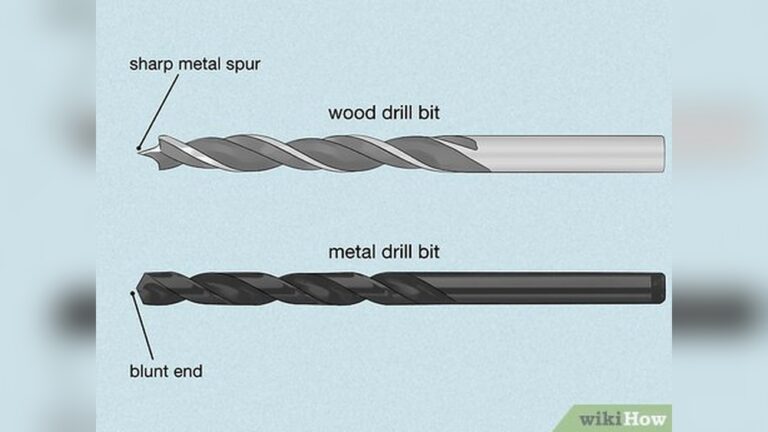
The term drill bit is broad, but most people mean a twist drill bit—the classic spiral-shaped bit used for general drilling. Twist bits have a pointed tip and spiral flutes that carry material (called swarf) out of the hole. They work in wood, metal, plastic, and more.
Drill bits come in a huge range of sizes, usually from less than 1mm up to about 13mm (1/2 inch) for standard sets. They create clean, precise holes with smooth sides. If you need accuracy, a twist drill bit is often the best tool.
There are many specialty drill bits, but for this comparison, we’ll focus on the standard twist drill bit, since it’s the most common and often compared to spade bits.
Key Differences: Spade Bit Vs Drill Bit
Choosing between a spade bit and a drill bit depends on more than just the hole size. Here are the main factors that set them apart:
| Feature | Spade Bit | Drill Bit (Twist Bit) |
|---|---|---|
| Shape | Flat, paddle-shaped | Spiral, cylindrical |
| Hole Quality | Rough, can splinter | Smooth, clean |
| Speed | Very fast in wood | Slower in large sizes |
| Material Use | Wood only | Wood, metal, plastic |
| Common Sizes | 6-38mm | 1-13mm |
| Cost | Usually cheap | Ranges from cheap to premium |
When To Use A Spade Bit
Spade bits shine in certain jobs. They’re not for everything, but sometimes, nothing else works as well.
- Drilling Large Holes in Wood
- If you need a hole bigger than 13mm (1/2 inch) and you’re working with wood, a spade bit is usually the fastest and cheapest option.
- Examples: Running wires through studs, creating holes for plumbing pipes, making space for bolts in framing.
- Speed Over Precision
- When you need to drill many holes quickly, and a clean edge doesn’t matter, spade bits save a lot of time. This is why they’re common on construction sites.
- Shallow to Medium-Depth Holes
- Spade bits excel in holes up to around 150mm (6 inches) deep. Beyond that, they may wander off course or get stuck.
- Jobs Where Splintering Doesn’t Matter
- If the hole’s exit will be hidden (inside a wall or under a fitting), the rough exit wound from a spade bit is not a problem.
Non-obvious insight: Some spade bits now come with a “clean edge” design or spurs on the sides. These make much cleaner holes, but still, they can’t match twist bits for finish quality.

Credit: www.popularwoodworking.com
When To Use A Drill Bit
A twist drill bit is the workhorse of drilling. It’s your go-to for many situations:
- Precision Holes
- If you need exact hole size, depth, and a smooth finish, use a twist drill bit.
- Examples: Pilot holes for screws, dowel joints in furniture, holes in metal brackets.
- Drilling in Metal or Plastic
- Spade bits are only for wood. Twist drill bits, especially high-speed steel (HSS) types, work in metal, plastic, and even some ceramics.
- Small Holes
- For holes smaller than 6mm (1/4 inch), twist bits are the only sensible choice.
- Deep, Straight Holes
- The spiral shape helps keep the bit straight and clear material from deep holes.
Non-obvious insight: For hard materials, use a twist bit with a split-point tip. It starts holes without wandering and reduces the risk of damaging your material.
Detailed Comparison: Factors To Consider
Hole Size Range
Spade bits cover a range from medium to large holes (6-38mm). They are not made for tiny holes. Twist drill bits, on the other hand, are best for small to medium holes (1-13mm), though you can buy specialty twist bits in larger sizes.
Material Compatibility
- Spade bits: Only for wood, plywood, and sometimes soft plastics.
- Drill bits: Suitable for wood, metal, plastic, composites, and more (depending on type).
Hole Quality
If you need a clean, smooth-sided hole, twist drill bits are better. Spade bits leave a rougher finish and can tear out wood fibers, especially when exiting the hole. For a cleaner spade bit result, clamp a sacrificial board to the back of your workpiece.
Speed
Spade bits are much faster for large holes in wood. If you have to make a lot of holes, you’ll finish sooner with a spade bit. Twist bits are slower, especially in large sizes, and can overheat.
Cost
Spade bits are simple to make, so they’re usually cheaper per size, especially for large diameters. Twist drill bits are more expensive at larger sizes, and quality varies a lot.
Drill Power Needed
Spade bits, especially large ones, need a powerful drill with a slow speed setting. Twist bits need less torque, and most standard drills can handle them easily.
Safety
Both bits are safe if used correctly, but spade bits can “grab” and twist the drill if not controlled well. Always use two hands and set your drill to a low gear.
Durability
Twist drill bits, especially those made of high-speed steel or cobalt, last much longer, especially when drilling metal. Spade bits can dull quickly in hard woods.

Credit: www.alabamawoodworker.com
Types And Variations
Spade Bit Types
- Standard Spade Bit
- Simple paddle with a central point and two edges.
- Spade Bit with Spurs
- Small cutting spurs on the sides for a cleaner hole.
- Self-Feeding Spade Bit
- Has a threaded tip that pulls the bit through the wood with less effort.
- Carbide-Tipped Spade Bit
- For longer life in tough materials.
Drill Bit Types
- Standard Twist Bit
- Most common, works in many materials.
- Brad Point Bit
- Has a sharp center spur for wood, gives very clean holes.
- Masonry Bit
- For drilling into concrete or brick.
- Cobalt or Titanium-Coated Bit
- For hard metals.
- Split-Point Bit
- Reduces wandering, good for metal.
Common Uses: Real-world Examples
Spade Bit Scenarios
- Electrical Wiring: Running multiple wires through wooden studs in new construction.
- Plumbing: Drilling holes for pipes in floor joists.
- DIY Furniture: Making large holes for dowels or hidden fasteners.
- Birdhouses or Planters: Quick, rough holes for drainage.
Drill Bit Scenarios
- Hanging Shelves: Making small pilot holes for screws.
- Metalwork: Drilling mounting holes in steel brackets.
- Plastic Projects: Precise holes in acrylic or PVC.
- Model Making: Tiny, controlled holes in wood or plastic.
Pros And Cons: Quick Reference
Here’s a side-by-side look at the main advantages and disadvantages.
| Aspect | Spade Bit | Drill Bit (Twist) |
|---|---|---|
| Best For | Fast, large holes in wood | Small, clean holes in many materials |
| Hole Finish | Rough, splintered | Clean, smooth |
| Speed | Very fast | Moderate |
| Ease of Use | Needs control, can grab | Easy to start and control |
| Durability | Wears fast in hard wood | Long-lasting |
| Cost (large sizes) | Cheap | Expensive |
How To Use A Spade Bit: Step-by-step
Using a spade bit seems simple, but a few tips can make a big difference in safety and results.
- Mark the Center
- Use a pencil or awl to mark the center of your hole. Spade bits can wander if you start on a rough surface.
- Set Drill Speed
- Use a low drill speed (about 500-800 RPM). High speeds can burn the wood and dull the bit quickly.
- Apply Steady Pressure
- Push steadily but not too hard. Let the bit do the work. If the bit jams, stop and clear wood chips.
- Back Up with Scrap Wood
- Place a scrap board under your workpiece. This prevents splintering when the bit exits.
- Drill Halfway, Then Flip (Optional)
- For the cleanest hole, drill halfway from each side. This stops splintering on the exit.
- Clear Chips Often
- Pull the bit out every few seconds to clear chips, especially on deep holes.
Practical tip: If your bit gets stuck, reverse the drill slowly to back it out. Do not force it, or you may split the wood.
How To Use A Drill Bit: Step-by-step
Drill bits are more forgiving, but for best results, follow these steps:
- Choose the Right Bit
- Pick a bit made for your material. Use wood bits for wood, HSS for metal.
- Mark and Punch
- Mark the hole center. For metal, use a center punch to stop slipping.
- Set Drill Speed
- Use higher speeds for small bits, slower for large bits or hard materials.
- Use Light Pressure
- Let the bit cut at its own pace. Too much pressure can break the bit.
- Lubricate for Metal
- Add a few drops of oil when drilling metal. This keeps the bit cool.
- Back Out and Clear
- For deep holes, pull the bit out regularly to remove chips.
Practical tip: Don’t force a dull bit. Replace or sharpen it. Forcing overheats and damages both the bit and your work.
Common Mistakes To Avoid
With Spade Bits
- Using on Metal or Hard Plastic: Spade bits are only for wood. They can break or ruin other materials.
- Drilling at High Speed: This overheats the bit and burns the wood.
- Ignoring Tear-Out: Not backing up with scrap wood leads to splintered exits.
- Using a Weak Drill: Large spade bits need more torque than some cordless drills can deliver.
With Drill Bits
- Wrong Bit for Material: Using a wood bit in metal will dull it instantly.
- No Center Punch on Metal: The bit can slip and ruin your workpiece.
- Not Clearing Chips: Deep holes can clog, causing heat and breakage.
- Drilling Too Fast in Hard Materials: This leads to heat and dulls the bit.
How To Choose: Spade Bit Or Drill Bit?
Ask yourself a few questions:
- What material am I drilling?
- Only wood? Spade bit is an option. Metal or plastic? Use a drill bit.
- How big does the hole need to be?
- Over 13mm (1/2 inch)? Spade bit is faster and cheaper.
- Do I need a clean, visible hole?
- Choose a twist drill bit for a smooth finish.
- Is speed more important than finish?
- Spade bit is faster for rough jobs.
Care And Maintenance
Both bits last longer with proper care.
- Keep Clean: Wipe off dust and wood pitch after use.
- Sharpen Regularly: Use a small file for spade bits. Twist bits can be sharpened with a bench grinder or special sharpener.
- Store Safely: Keep bits in a case. Dull or chipped bits are dangerous.
- Lubricate When Needed: Add oil for metalwork with twist bits.
Extra tip: If you drill into a nail or screw by mistake, stop immediately. Inspect the bit for damage before continuing.
Environmental And Safety Considerations
- Wear Eye Protection: Both bits can throw chips and splinters.
- Use a Stable Work Surface: Clamp your workpiece so it can’t spin or shift.
- Avoid Forcing the Drill: Let the bit do the work. Forcing can cause slips or breakage.
Alternatives: Other Bits For Special Needs
Sometimes, neither a spade bit nor a twist bit is perfect. Consider these alternatives:
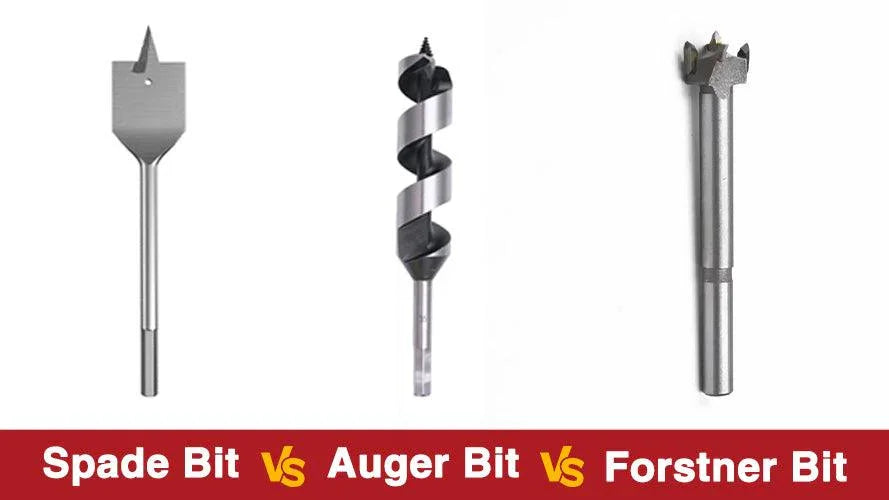
- Forstner Bit: Makes clean, flat-bottomed holes in wood. Great for visible work.
- Hole Saw: For very large holes (over 25mm/1 inch) in wood, plastic, or thin metal.
- Auger Bit: For deep, straight holes in wood, especially for timber framing.
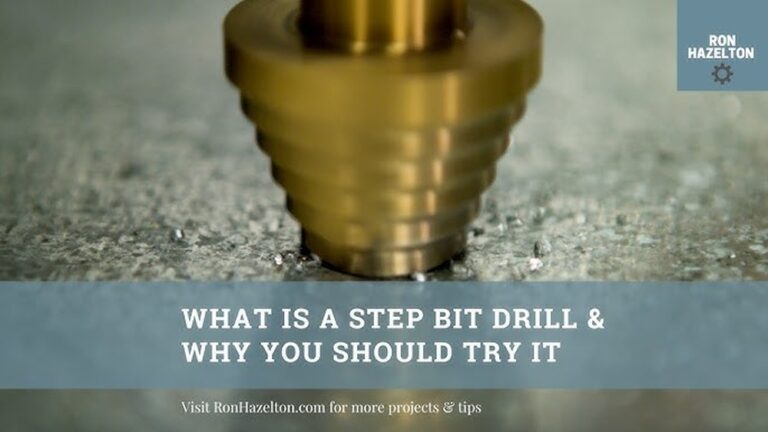
- Step Bit: For drilling multiple hole sizes in thin materials, often sheet metal.
Each has its place, but for most jobs, spade bits and twist drill bits cover 90% of tasks.
Credit: www.findbuytool.com
Spade Bit Vs Drill Bit: Summary Table
Here’s a quick summary for easy decision-making.
| Feature | Spade Bit | Drill Bit (Twist) |
|---|---|---|
| Material | Wood only | Wood, metal, plastic |
| Hole Size Range | 6-38mm (1/4″–1-1/2″) | 1-13mm (1/32″–1/2″) |
| Speed | Very fast | Moderate |
| Finish Quality | Rough, can splinter | Smooth, precise |
| Cost | Low (per size) | Low–high (depends on size and material) |
| Best Use | Fast, large wood holes | Precise, clean holes in many materials |
Frequently Asked Questions
What Is The Main Difference Between A Spade Bit And A Drill Bit?
The main difference is their design and use. A spade bit has a flat, paddle shape for making large, fast holes in wood, but the holes are rough. A drill bit (twist bit) is spiral-shaped, making smaller, cleaner holes in wood, metal, and plastic.
Can I Use A Spade Bit In A Regular Drill?
Yes, you can use a spade bit in any standard power drill with a 3-jaw chuck. However, for large bits, make sure your drill has enough torque and a low-speed setting for best results.
Which Bit Is Better For Drilling Metal?
A twist drill bit is the only safe and effective choice for metal. Spade bits are not made for metal and can break or damage both the bit and the material.
How Do I Make A Spade Bit Hole Cleaner?
To reduce splintering, clamp a scrap piece of wood behind your workpiece or drill halfway from both sides. Using a spade bit with side spurs also helps.
Are Spade Bits Cheaper Than Drill Bits?
Spade bits are usually cheaper per large hole size. Twist bits can be more expensive in large diameters but are more versatile, especially for different materials.
—
Choosing between a spade bit and a drill bit doesn’t have to be confusing. Understand your material, hole size, and finish needs, and you’ll pick the right tool every time. For more on the science of drilling, check out this excellent guide from Wikipedia.
With these insights, you’ll avoid common mistakes and make your work cleaner, safer, and faster—no matter what you’re building.