When you need to drill into hard materials, not every power tool is made equal. Many people wonder about the difference between a rotary hammer and an impact drill. On the outside, both tools might look similar and both can create holes in tough surfaces. But inside, their mechanisms, power, and best uses are very different. If you have ever tried to install shelves on a concrete wall or drill through thick masonry, you may have felt your drill struggle or even fail. Choosing the right tool can save you time, money, and frustration.
In this article, you will learn exactly how rotary hammers and impact drills work, how they compare, and which one you should use for specific tasks. We’ll break down their key features, share practical examples, and reveal important tips that most beginners miss.
By the end, you’ll know how to pick the right tool for your next project with confidence.
What Is A Rotary Hammer?
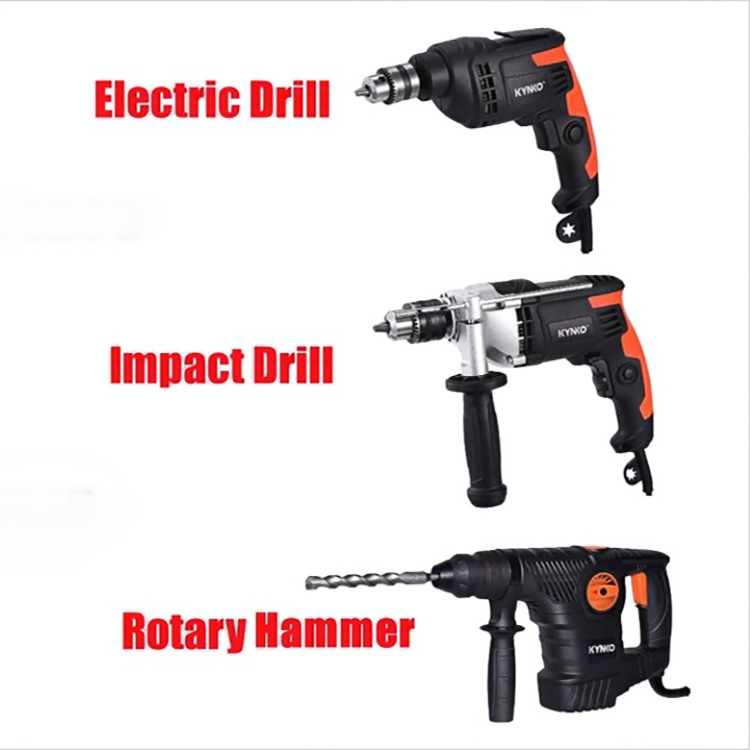
A rotary hammer is a heavy-duty power tool designed for drilling or chiseling hard materials like concrete, stone, and brick. Unlike a simple drill, a rotary hammer uses a piston mechanism that moves back and forth, creating a powerful hammering action. This force breaks up the material in front of the drill bit, making it possible to drill large holes quickly.
Rotary hammers often use SDS (Slotted Drive System) bits, which are designed to handle the constant pounding inside the tool. There are three main types: corded rotary hammers, cordless rotary hammers, and larger demolition hammers (which focus mainly on breaking, not drilling).
What sets a rotary hammer apart is its ability to combine rotation and hammering. Some models even have a “hammer only” mode for chiseling. This makes them ideal for tasks like:
- Drilling holes for rebar in concrete
- Removing tiles
- Breaking up old concrete for renovations
- Installing anchor bolts in masonry
One key insight: Rotary hammers are often overkill for wood or metal, and their size makes them less handy for everyday small jobs. But when you need to work with tough materials, nothing beats their power and speed.
What Is An Impact Drill?
The term impact drill can sometimes be confusing. Most often, people use it to refer to an impact driver or a hammer drill. Here, we focus on the typical impact drill/driver used for driving screws and light drilling.
An impact drill uses a rotational impact mechanism. Instead of pushing forward like a rotary hammer, it twists with extra force when it meets resistance. This helps drive long screws or bolts into wood, metal, or even some masonry, without stripping the screw head or tiring your wrist.
Impact drills are much lighter and smaller than rotary hammers. They are popular for tasks like:
- Driving large screws into wood
- Assembling furniture
- Installing drywall
- Loosening rusty bolts
Some impact drills can drill holes in soft masonry, but they are not built for heavy-duty concrete work. They usually use standard hex-shank bits, which are quick to change but not suited for high-impact hammering in stone.
A crucial insight: Many beginners try to use impact drills for concrete, only to burn out the tool or get poor results. Understanding this limit helps you avoid tool damage and wasted effort.
How Do Rotary Hammers And Impact Drills Work?
Understanding the mechanism inside each tool helps explain why they perform so differently.
Rotary Hammer Mechanism
A rotary hammer uses a pneumatic piston system. The motor moves a piston inside a cylinder, creating air pressure that drives another piston to strike the bit holder. This creates a strong, repeating hammering force forward, while the motor also spins the bit. The combined action smashes and drills at the same time.
This mechanism delivers thousands of blows per minute (BPM), with much more energy per blow than an impact drill. It’s like a mini jackhammer inside your hand.
Impact Drill Mechanism
An impact drill’s main feature is its rotary impact action. Inside, there are two sets of small hammers and anvils. When the tool meets resistance, these hammers slip and then strike each other, creating a quick twisting force. This happens up to 3,500 times per minute, providing bursts of torque that help turn stubborn screws or drill bits.
Unlike a rotary hammer, there is almost no forward hammering action. The force is delivered as a twisting motion, which is why impact drills excel at driving screws but struggle with breaking hard stone.
Comparing Rotary Hammer Vs Impact Drill
Let’s look at the most important differences side by side. The following table makes it clear how these tools compare in real-world use:
| Feature | Rotary Hammer | Impact Drill |
|---|---|---|
| Main Action | Hammering + Rotation | Rotational Impact |
| Best For | Drilling/chiseling concrete, stone, masonry | Driving screws, bolts, light drilling |
| Bit Type | SDS (Slotted Drive System) | Hex shank |
| Power | High (800-1500W typical) | Medium (300-700W typical) |
| Weight | Heavy (3-8kg) | Light (1-2kg) |
| Price Range | $120-$500+ | $50-$200 |
| Common Mistake | Using for wood or light tasks | Trying to drill hard concrete |
Key Insights From The Comparison
- Rotary hammers are far more powerful for hard materials but are overkill for daily tasks.
- Impact drills are best for screw driving and can do some drilling, but not into thick concrete.
When To Use A Rotary Hammer
Rotary hammers are not everyday tools for most people. But when you need one, nothing else will do. Here are some situations where a rotary hammer is the right choice:
- Installing anchors in concrete: Rotary hammers can drill large, deep holes for anchor bolts or rebar quickly, while standard drills would burn out.
- Breaking up old tile or concrete: With a chisel bit, a rotary hammer can remove tiles or break up small sections of concrete for remodeling projects.
- Running cables through thick walls: Electricians use rotary hammers to make pathways through masonry for pipes and wires.
- Heavy-duty renovations: If you need to remove a wall or dig up a section of floor, a rotary hammer’s “hammer only” mode is perfect.
- Outdoor construction: Setting fence posts in rocky ground or drilling into stone foundations is much faster with a rotary hammer.
A non-obvious insight: Rotary hammers are often available for rent at hardware stores. Renting one for a day can save you money and effort if you only need it for a few jobs.
When To Use An Impact Drill
Impact drills are much more common in home toolkits because they are so versatile. Here’s when you should choose an impact drill:
- Building furniture: Driving many screws in quick succession is easy with an impact drill, and it prevents wrist strain.
- Deck construction: Long screws in hardwood can be driven with less effort and less risk of stripping the screw head.
- Automotive repair: Loosening stubborn bolts on cars or bikes is faster and safer with an impact drill.
- Installing drywall: Impact drills make repetitive screw driving much less tiring.
- Light drilling in wood, metal, or plastic: For holes up to 10mm, an impact drill is fast and efficient.
A key tip: Impact drills are not meant for precision drilling. If you need a perfectly round, clean hole in metal or delicate material, use a standard drill instead.
Drilling Performance: Real-world Examples
Let’s look at how these tools perform in practice.
Example 1: Drilling Into Concrete
Suppose you need to drill a 12mm hole, 8cm deep, into a concrete wall for an anchor bolt.
- Rotary hammer: Can complete the hole in about 10-15 seconds, with little effort.
- Impact drill: May take over a minute, might overheat, and could damage the bit or tool.
Example 2: Driving A Long Screw Into Wood
You’re building a deck and need to drive a 100mm screw into hardwood.
- Impact drill: Handles this easily, driving the screw in seconds with minimal wrist strain.
- Rotary hammer: Not recommended; it’s heavy, hard to control, and may damage the screw or wood.
Example 3: Removing Old Tiles
You want to remove old ceramic tiles from a bathroom wall.
- Rotary hammer (with chisel bit): Tiles pop off quickly and cleanly.
- Impact drill: Cannot perform this task.
The takeaway: Matching the tool to the job not only saves time but also protects your investment in tools.
Main Pros And Cons
Every tool has strengths and weaknesses. Here is a clear look at what each one offers.
| Tool | Pros | Cons |
|---|---|---|
| Rotary Hammer |
|
|
| Impact Drill |
|
|
Choosing The Right Tool For Your Needs
Selecting between a rotary hammer and an impact drill depends on what you need to do most often.
- If you work mostly with wood, metal, or drywall: An impact drill will cover almost all your needs. It’s lighter, cheaper, and more comfortable for regular use.
- If you need to drill into concrete, stone, or masonry frequently: Invest in a rotary hammer. It will save you hours of hard work and prevent tool damage.
- If you only need a rotary hammer for one project: Consider renting instead of buying.
Another important tip: If your budget allows, some professionals keep both tools. This way, you always have the right tool for the job.
Bit Systems And Compatibility
One detail many beginners miss is the difference in bit systems.
- Rotary hammers use SDS bits, which slide and lock into place. These bits do not fit standard drills or impact drills. They are designed to handle the powerful hammering action.
- Impact drills use hex shank bits, which are easy to change and widely available. But they are not built for heavy hammering.
Trying to use the wrong bit can damage your tool or lead to dangerous accidents. Always match the bit system to your tool.

Credit: q20.co.za
Power, Battery, And Ergonomics
Power and ease of use matter a lot, especially if you work long hours.
- Rotary hammers draw more power (usually 800-1500W for corded, or high-capacity batteries for cordless). They are heavier, so long use can cause fatigue.
- Impact drills are much lighter (1-2kg typical) and use less power. Cordless models last longer because they use less energy per job.
A practical insight: For overhead work or jobs in tight spaces, an impact drill’s light weight is a big advantage. For floor demolition or wall drilling, the rotary hammer’s extra weight helps with control and efficiency.
Cost Considerations
Tool prices vary widely. On average:
- Rotary hammers cost $120-$500 or more, depending on size and features. High-end models for professionals can be $800+.
- Impact drills start at $50 for basic models, with high-end cordless kits reaching $200.
Also consider the cost of bits. SDS bits are more expensive than standard hex bits.
If you are a homeowner or DIY user, balance your budget against how often you will use each tool. For rare heavy-duty jobs, renting a rotary hammer is smarter than buying.
Safety And Maintenance
Both tools are powerful and require safe handling.
- Rotary hammers can create a lot of vibration and noise. Always wear hearing protection and gloves. Hold the tool firmly with both hands.
- Impact drills are safer for beginners but can still cause injury if the bit slips or the screw breaks.
Keep your tools clean and check bits regularly for wear. Using dull or damaged bits increases the risk of accidents and reduces performance.
A less-known tip: Some rotary hammers have a “clutch” feature that stops the tool if the bit jams. This protects both the user and the tool.
Common Mistakes And How To Avoid Them
- Using the wrong tool for the job: Don’t try to drill into concrete with an impact drill, or drive screws with a rotary hammer.
- Wrong bits: Always use SDS bits with rotary hammers and hex bits with impact drills.
- Not securing the material: Always clamp your workpiece to prevent it from moving.
- Ignoring tool weight: Heavy rotary hammers can cause fatigue quickly. Take breaks and use proper posture.
- Overdriving screws with impact drills: It’s easy to split wood if you drive screws too deep. Use a lower speed setting when finishing.
These mistakes can be avoided with a little planning and the right accessories.
Credit: www.coinchtools.com
Advanced Features To Consider
Modern rotary hammers and impact drills have extra features that can make your life easier:
- Variable speed control: Lets you adjust the tool for different materials.
- Brushless motors: Offer longer life and better efficiency, especially in cordless models.
- Anti-vibration handles: Reduce fatigue for long jobs.
- LED lights: Help you see your work in dark spaces.
- Quick-change chucks: Make swapping bits faster.
If you plan to use your tool often, investing in these features can improve comfort and productivity.
Real User Experiences
Many professionals share that after buying their first rotary hammer, they wondered how they ever worked without one. Drilling into concrete or removing tiles becomes much less of a chore. On the other hand, for most daily home repairs, an impact drill is the tool that gets used again and again.
One contractor reported saving two hours on a renovation by using a rotary hammer for wall anchors instead of a regular drill. Another DIYer found that her impact drill made building garden furniture much faster and less tiring.
The lesson: The right tool makes every project smoother and more enjoyable.
Environmental And Energy Considerations
Cordless models of both tool types are getting more popular. They use lithium-ion batteries, which are lighter and hold more charge. This means less time waiting for batteries to recharge and less need for power cords.
However, rotary hammers use more energy, so you may need extra batteries for big jobs. Proper battery recycling is important—never throw old batteries in the trash.
If you want to learn more about tool batteries and safe recycling, see the Lithium-ion battery Wikipedia page.
Frequently Asked Questions
What Is The Main Difference Between A Rotary Hammer And An Impact Drill?
The main difference is in how they deliver force. Rotary hammers use a forward hammering motion to break up hard materials like concrete. Impact drills use a twisting impact to drive screws and bolts, but not for breaking stone.
Can I Use An Impact Drill To Drill Into Concrete?
You can drill small holes in soft masonry with an impact drill, but for hard concrete, it is slow and can damage your tool. Rotary hammers are designed for this job and work much better.
Are Rotary Hammers Safe For Beginners?
With proper safety gear and careful use, rotary hammers are safe. Always read the manual, use both hands, and wear hearing and eye protection. Start with small jobs to get used to the tool.
Which Tool Is Better For Home Use?
For most home repairs, an impact drill is better because it is versatile, light, and easy to use. If you plan to do a lot of work on concrete or stone, consider buying or renting a rotary hammer.
Can I Use The Same Bits In Both Tools?
No. Rotary hammers require SDS bits, while impact drills use hex shank bits. Using the wrong bit can damage your tool or cause accidents.
Choosing between a rotary hammer and an impact drill isn’t always simple, but understanding their differences makes your projects faster, safer, and more successful. With the right tool in your hand, even tough jobs become easy.

Credit: www.youtube.com