A lush, healthy field does not begin with the seed. It starts with how that seed meets the soil. Many farmers and land managers have learned that the old way—plowing, tilling, and turning the earth—can cause problems over time. Soil can wash away, lose its life, and become hard to farm. But what if there was a way to plant seeds directly into the ground, keeping the earth undisturbed? This is where the no till drill comes in—a modern tool changing how crops are planted and how soil is cared for.
In the world of sustainable farming, a no till drill is not just a piece of equipment. It is a way to protect land, save money, and boost yields. If you are curious about what a no till drill is, how it works, and why it matters, you are in the right place.
This guide will walk you through every detail, from how these machines look to how they can change your approach to farming.
What Is A No Till Drill?
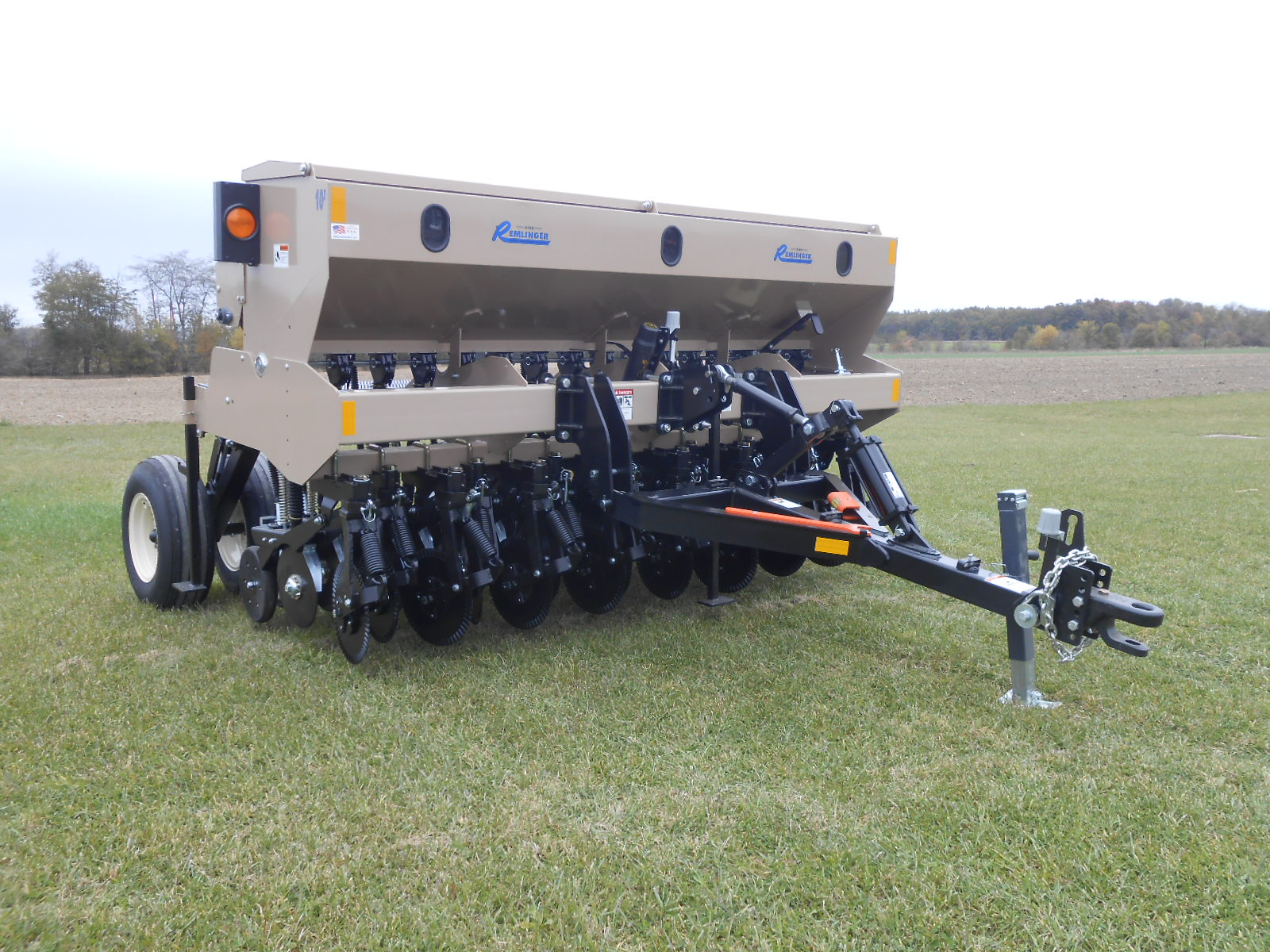
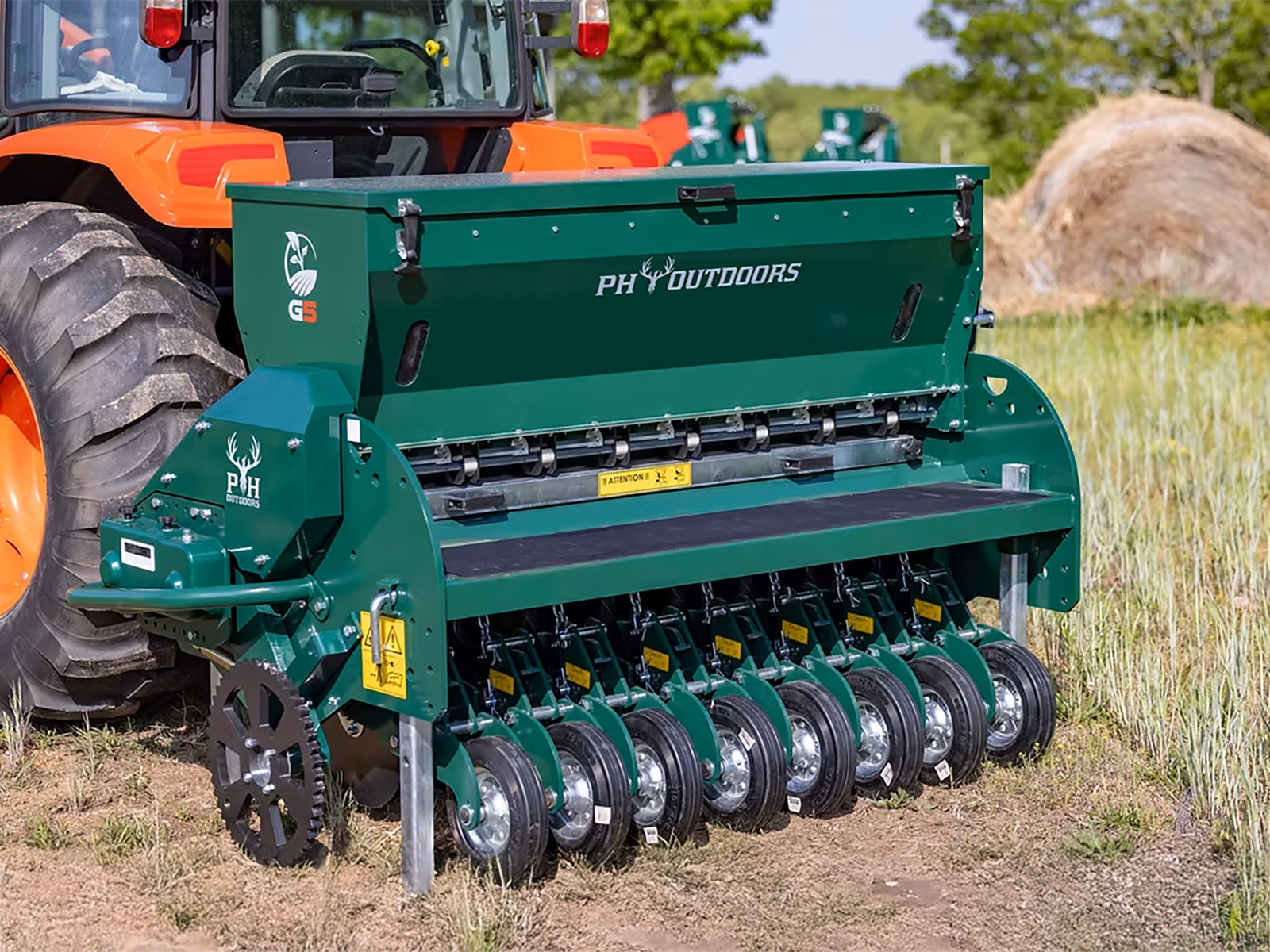
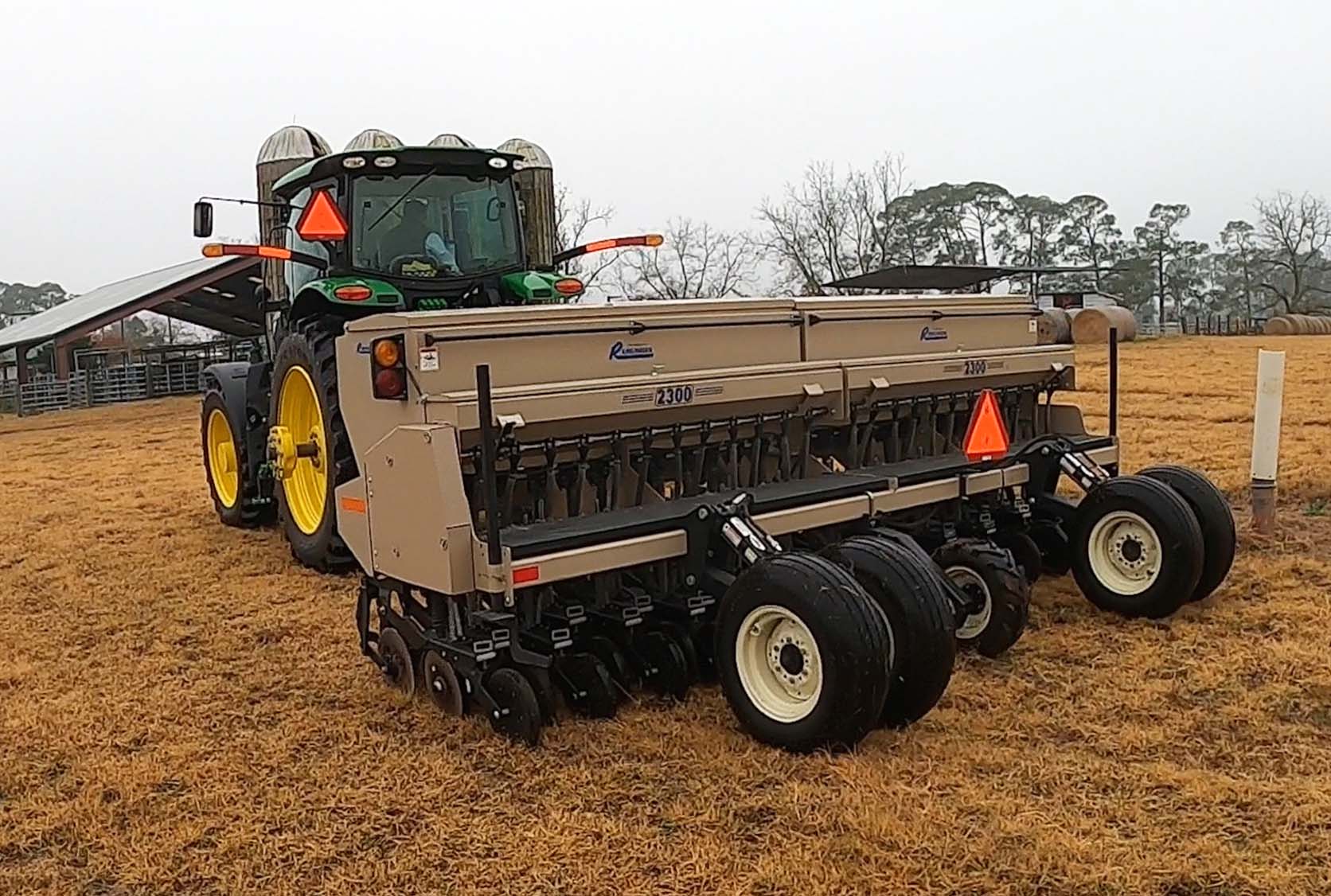
A no till drill is a specialized seeding machine designed to plant seeds directly into undisturbed soil. Unlike traditional seed drills or planters, it does not require the ground to be plowed or tilled before planting. The machine slices a narrow slot in the soil, places the seed at a precise depth, and then covers it—all in a single pass.
No till drills are used on a wide range of crops. From grains like wheat and corn to cover crops and pastures, this tool supports many types of farming. The main idea is simple but powerful: keep the soil structure intact, reduce erosion, and plant efficiently.
The Evolution Of Seeding: From Tillage To No Till
To understand the impact of no till drills, it helps to look at how seeding has changed. Traditional tillage involved turning over the soil with plows, breaking up clods, and smoothing the surface before seeds were planted. While this made planting easier, it exposed soil to the wind and rain, increasing erosion.
Conventional seed drills, invented in the 18th century, allowed for better seed placement but still required tilled soil. Modern no till drills, first developed in the 1960s and 1970s, solved the problem. By planting in undisturbed soil, they helped farmers maintain soil health and reduce their workload.
The move to no till has been especially important in areas where soil erosion and water loss are big problems. For example, in the United States, the use of no till drills has grown steadily. According to the USDA, nearly 37% of U.
S. cropland used some form of no-till farming by 2017.
Credit: www.remlingermfg.com
How A No Till Drill Works
A no till drill is more advanced than it may look. Its secret is a combination of strong parts and careful engineering. Here is how it works, step by step:
- Coulters or openers: These are sharp discs or blades at the front of the machine. They cut through crop residue and slice a narrow slot in the soil.
- Seed tube: As the machine moves, seeds travel down a tube and are placed in the slot at a set depth.
- Press wheels: Right behind the seed tube, wheels press the soil back over the seed, ensuring good soil contact and closing the slot.
- Gauge wheels and controls: These let the operator adjust the depth and pressure, making sure seeds are planted just right for each crop and soil type.
Some no till drills also include fertilizer applicators, row markers, and other features for precise planting.
The Main Parts Of A No Till Drill
Here is a simple look at the main components you will find on most no till drills:
| Part | Function |
|---|---|
| Coulters/Openers | Slice through soil and residue to create seed slot |
| Seed Metering System | Controls seed flow rate and spacing |
| Seed Tubes | Deliver seed into the slot |
| Press Wheels | Firm soil over the seed and close the slot |
| Gauge Wheels | Set planting depth |
| Fertilizer Boxes (optional) | Apply fertilizer at planting |
Each part works together to ensure seeds are placed carefully, even when fields are covered in last season’s crop residue.
The Benefits Of Using A No Till Drill
Switching to a no till drill offers more than just saving time. Here are some of the most important advantages:
1. Soil Health Improvement
By leaving soil undisturbed, a no till drill helps keep natural soil structure and biology alive. Earthworms, fungi, and microbes thrive, making the ground more fertile over time. Healthy soil can hold more water, resist erosion, and provide a better home for plant roots.
2. Erosion Control
When land is tilled, wind and water can easily carry topsoil away. No till drills leave plant residue on the surface, acting like a natural shield. This reduces both wind and water erosion, keeping fields productive year after year.
3. Moisture Conservation
No till fields hold more water because the soil is not broken open and exposed to the sun. Crop residue also slows evaporation. This is especially important in dry areas or during droughts.
4. Reduced Fuel And Labor Costs
Since you do not need to plow, disk, or harrow before planting, you save time and fuel. Most farmers find they spend less money running tractors and less time in the field.
5. Better Weed Management
Crop residue on the field surface helps suppress weeds, reducing the need for herbicides. Many no till drills can also plant cover crops, which further control weeds naturally.
6. Increased Yields Over Time
While yields may be similar or slightly lower in the first year or two, many farmers see bigger harvests after a few seasons of no till. Improved soil and moisture lead to healthier, more productive crops.
7. Environmental Benefits
No till farming reduces greenhouse gas emissions since less fuel is burned and more carbon is stored in the soil. Fields also act as better filters, reducing runoff into rivers and streams.
Credit: www.goodworkstractors.com
Types Of No Till Drills
Not every no till drill is the same. There are several types, designed for different crops, field sizes, and soil conditions.
1. Box Drills
Box drills are simple, rugged machines with a seed box on top. They are pulled by a tractor and can plant many types of seed. Box drills are common for grains, cover crops, and grass seeding.
2. Air Seeders
Air seeders use a fan to blow seeds through tubes to the openers. They can plant large fields quickly and are popular for big farms. Air seeders are more complex and can be expensive, but they handle high volumes and many crop types.
3. Compact No Till Drills
These smaller drills are designed for food plots, pastures, and small fields. They are often pulled by small tractors or ATVs. Compact drills are easy to use and transport, making them ideal for landowners with limited acreage.
4. Single-disc Vs. Double-disc Openers
No till drills may use a single disc to cut the soil or a pair of discs working together. Double-disc systems handle heavy residue better and are more common in tough conditions.
5. Specialized No Till Drills
Some drills are built for special tasks, like planting into hard clay, rocky soils, or steep hillsides. Others are designed to plant two crops at once (interseeding) or handle extra-small or extra-large seeds.
No Till Drill Vs. Conventional Planter
It is easy to confuse a no till drill with a conventional planter, but there are key differences. Here is a comparison to make the distinctions clear:
| Feature | No Till Drill | Conventional Planter |
|---|---|---|
| Soil Preparation Needed | None (plants in undisturbed soil) | Requires plowed and smoothed soil |
| Residue Handling | Handles heavy residue well | Often plugs in heavy residue |
| Seed Placement | Good depth control, even in rough fields | Best in smooth, loose soil |
| Crop Types | Grains, cover crops, forages | Corn, soybeans, some grains |
| Operating Speed | Slower (to cut residue and ensure placement) | Faster in ideal conditions |
| Initial Cost | Higher for heavy-duty models | Variable, often less for simple planters |
The main takeaway: a no till drill is built for tough, undisturbed fields and crop residues. A conventional planter is best for fields already prepared by tillage.
When To Use A No Till Drill
A no till drill is not always the perfect tool for every field or every farmer. Here are the best situations for using one:
- Planting after harvest: When crop residues cover the field and you want to avoid soil disturbance.
- Establishing cover crops: For improving soil health, cover crops are best seeded with minimal disturbance.
- Re-seeding pastures: No till drills can be used to improve existing grass without tearing up the soil.
- Conservation projects: For reforestation or wildlife habitat, no till planting protects the environment.
However, in very wet soils or where compaction is a problem, no till drills may struggle. Some soils may need occasional deep tillage to fix drainage or compaction issues.
Steps For Successful No Till Planting
Switching to no till is not just about buying new equipment. It requires careful planning and management. Here are steps to get the best results with a no till drill:
- Choose the right drill for your crops, field size, and residue conditions.
- Calibrate the seeder carefully. Make sure seed rates and depth are accurate for your crop.
- Check field conditions. Avoid planting when soils are too wet or compacted.
- Manage crop residue. If residue is too thick, consider chopping or spreading it more evenly.
- Monitor seed placement. Stop and check seed depth often, especially as field conditions change.
- Adjust settings as needed. No till drills have many adjustments for depth, pressure, and spacing.
- Scout your fields. Watch for problems like uneven emergence or slug damage, especially in early years.
Common Challenges And How To Overcome Them
While no till drills offer many benefits, beginners often face a few challenges:
1. Dealing With Heavy Residue
Thick layers of crop residue can block seed slots or cause poor seed-to-soil contact. Use drills with strong openers and residue managers to keep slots clear. Make sure residue is spread evenly at harvest.
2. Managing Compaction
In some soils, years of no till can lead to compacted layers. Occasionally, deep tillage (also called “vertical tillage”) may be needed to break up compaction. Avoid working wet soils, which can make compaction worse.
3. Weed Control
Weeds can be a bigger problem in no till systems, especially in the first few years. Use cover crops, crop rotation, and targeted herbicides to keep weeds under control.
4. Learning Curve
No till farming is different. It may take a few seasons to fine-tune your equipment and management. Some farmers see slightly lower yields at first, but most see improvements with practice.
5. Upfront Cost
No till drills, especially heavy-duty models, can be expensive. However, long-term savings in fuel, labor, and soil health often make up for the investment.
How To Choose The Best No Till Drill
Buying a no till drill is a big decision. Here are key factors to consider:
- Field size and type: Large farms may need air seeders; small fields can use box or compact drills.
- Residue levels: Fields with lots of residue need heavy-duty openers and residue managers.
- Crop types: Some drills are better for small grains, while others can handle large seeds or special crops.
- Soil conditions: Hard, rocky, or hilly fields may require specialized drills.
- Ease of adjustment: Look for models that are easy to calibrate and adjust on the go.
- Maintenance needs: Simpler designs are easier and cheaper to maintain.
- Budget: Consider both purchase price and long-term savings.
Key Features To Look For
When comparing models, pay attention to:
- Opener design (single vs. double disc)
- Seed metering accuracy
- Ease of cleaning and maintenance
- Ability to apply fertilizer at seeding
- Parts availability and dealer support
Talk to other farmers, read reviews, and if possible, try out different models before buying. The right drill should match your crops, soil, and farming style.
Practical Tips For First-time Users
- Start small. Try no till on one field before switching your whole farm.
- Keep records. Track planting rates, emergence, and yields to see what works best.
- Network. Join local no till or conservation groups to learn from others.
- Be patient. Soil biology and structure may take several years to improve.
- Work with experts. Many extension services or conservation districts offer advice or equipment rental.
Real-world Examples
Case 1: Midwest Grain Farm
A corn and soybean farmer in Iowa switched to no till drilling. In the first year, yields were similar to conventional tillage. By the third year, soil organic matter had increased, and average yields rose by 8%. Fuel and labor costs dropped by nearly 30%.
Case 2: Pasture Renovation in Kentucky
A livestock producer used a no till drill to over-seed clover into existing grass. Pasture quality improved without tearing up the sod, and animals could graze more days per year. The producer saved money by not reseeding the whole field.
Case 3: Small Vegetable Farm
A market gardener used a compact no till drill to plant cover crops between vegetable beds. This helped control weeds, build soil, and reduce erosion on sloping land.
Comparing Popular No Till Drill Models
To give you a better idea, here is a comparison of three popular no till drill models for small to mid-size farms:
| Model | Working Width | Seed Box Capacity | Type | Best For |
|---|---|---|---|---|
| John Deere 1590 | 10-15 ft | Up to 2.4 bu/ft | Box Drill | Small grains, cover crops |
| Great Plains 606NT | 7.5 ft | 1.44 bu/ft | Compact Drill | Food plots, pastures |
| CrustBuster 4740 | 10-40 ft | Up to 3.5 bu/ft | Box Drill | Large fields, heavy residue |
These models represent different styles and sizes. Always check current specifications and dealer support before purchase.
The Future Of No Till Drills
New technology is making no till drills smarter and easier to use. GPS-guided systems now allow for precise planting and less overlap. Variable-rate seeding lets farmers plant different rates in different field zones. Some drills can even send data back to your computer or smartphone.
Environmental concerns and climate change may push more farmers toward no till systems. As soil health becomes a bigger focus, the no till drill will likely remain a key tool for sustainable agriculture.
For more in-depth research and technical details, you can visit the No-till farming page on Wikipedia.
Credit: www.remlingermfg.com
Frequently Asked Questions
What Is The Main Difference Between A No Till Drill And A Regular Seed Drill?
A no till drill is designed to plant seeds directly into undisturbed soil covered with crop residue. A regular seed drill usually needs the field to be tilled and smoothed before planting.
Can A No Till Drill Plant All Types Of Crops?
Most no till drills are ideal for grains, cover crops, and forages. Some can handle larger seeds like soybeans or small seeds like clover. However, they may not be suitable for very large seeds (like corn) or very small specialty crops without modifications.
Will Using A No Till Drill Increase My Yields Right Away?
Yields may stay the same or dip slightly in the first year or two as your soil adjusts. With good management, most farmers see improved yields after several seasons, thanks to better soil health and moisture retention.
Is A No Till Drill Worth The Investment For Small Farms?
Yes, especially if you want to improve soil health, reduce erosion, or save on fuel. Compact no till drills are available for smaller fields. Many regions also have rental programs or shared equipment options.
How Do I Maintain A No Till Drill?
Regular maintenance includes cleaning openers, checking seed meters, lubricating moving parts, and replacing worn blades or discs. Always follow the manufacturer’s schedule for best results.
Switching to a no till drill is more than just a change in equipment—it’s a step toward healthier soil, lower costs, and a more sustainable future. With the right knowledge and planning, any farmer or land manager can make the most of this powerful tool.