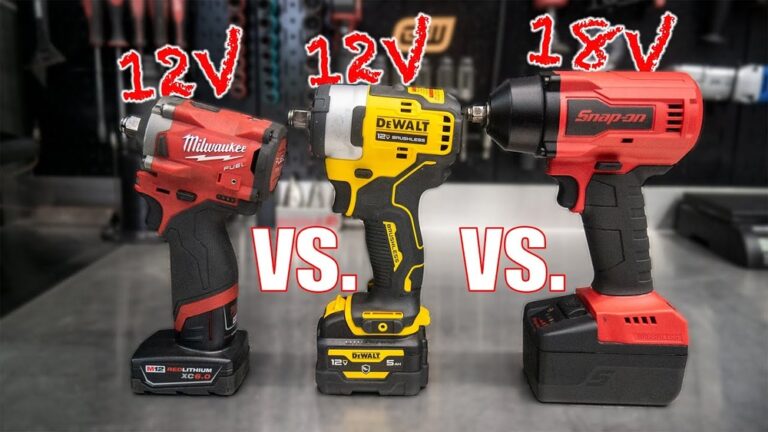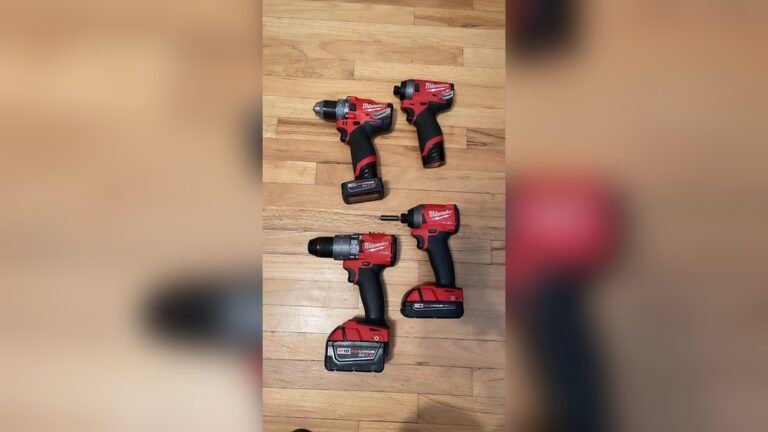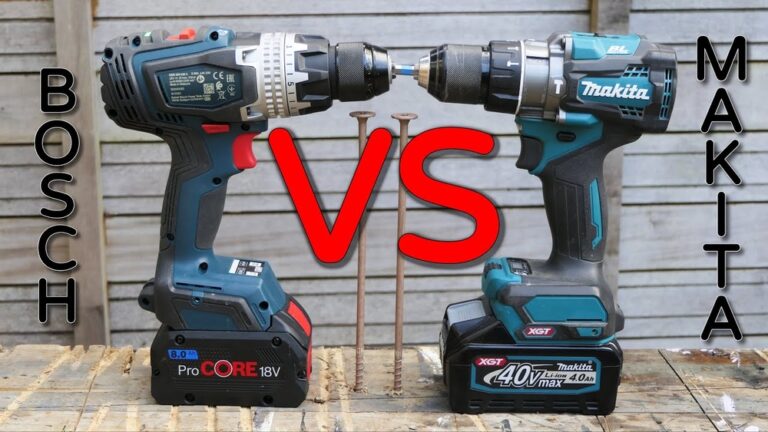
Metabo Drill Vs Milwaukee: Which Power Tool Brand Wins in 2024?
Every craftsman, DIY lover, and professional contractor faces a common question: Which drill is better—Metabo or Milwaukee? Both brands have loyal users, strong reputations, and a wide range of power tools. But when you need a drill that is powerful, reliable, and worth your money, choosing between Metabo and Milwaukee is not easy.
This article gives you a deep, honest comparison of Metabo drills and Milwaukee drills. Whether you want to buy your first cordless drill or upgrade your tool collection, you’ll find answers to every important question. We’ll look at real-world performance, durability, value, user experience, and even the small differences many buyers miss.
By the end, you’ll know which brand matches your needs, work style, and budget—without any confusion.
Metabo And Milwaukee: Brand Backgrounds
To understand the tools, you first need to know the brands behind them.
Metabo was founded in Germany in 1924. The company quickly became known for high-quality, industrial-grade power tools. Metabo’s focus is on innovation, safety, and strong engineering. Many professionals in Europe trust Metabo, especially for metalworking and construction.
Milwaukee, born in the USA in 1924, is famous for its “Nothing but Heavy Duty” slogan. Milwaukee tools are designed for tough jobs—contractors, electricians, plumbers, and carpenters often recommend them. The brand leads in cordless technology, especially with its M18 and M12 battery systems.
Both brands have almost 100 years of experience, but their cultures are different. Metabo is more popular in Europe, while Milwaukee dominates in North America.
Drill Types Compared
Both companies offer many types of drills. To keep things clear, this article compares the most common drill types:
- Cordless drills (18V class, for general use)
- Hammer drills (for concrete and masonry)
- Impact drivers (for driving screws and bolts)
We will focus mainly on cordless 18V (or similar) models, as these are the most popular for both home users and professionals.
Core Features: What Matters Most
When comparing power drills, these core features should guide your choice:
- Power and Torque: How strong is the drill? Can it handle tough tasks?
- Battery Life and System: How long can you work? Are batteries easy to find and swap?
- Build Quality and Durability: Will the tool last for years of hard work?
- Ergonomics and Comfort: Is it easy to hold and control, even for hours?
- Speed and Control: Does it offer enough speed settings and precision?
- Value for Money: Is the drill worth the price?
- Warranty and Support: How does each brand handle problems or repairs?
Let’s dive into each of these areas.
Power And Torque
The main job of any drill is to create holes or drive screws—fast and with enough force. Torque is the force that turns the drill bit; higher torque means more power for tough materials.
Metabo: Real-world Power
Metabo’s 18V cordless drills, like the Metabo BS 18 LTX-3 BL Q I, offer up to 120 Nm (newton-meters) of torque. That’s enough for heavy-duty jobs like drilling into hardwood or thick metal. Their hammer drills can reach up to 4,000 blows per minute (bpm) for fast masonry drilling.
A unique feature: Metabo’s brushless motors. These motors are efficient and don’t wear out as quickly as older designs. Metabo drills often have multiple gear settings, allowing you to switch between high speed and high torque.
Milwaukee: Heavy Duty In Action
Milwaukee’s flagship, the M18 Fuel Drill/Driver, delivers up to 135 Nm of torque. This is slightly higher than most Metabo drills in the same class. Milwaukee’s Powerstate brushless motors are known for raw power and speed, with up to 2,000 RPM (rotations per minute).
Milwaukee’s hammer drills can produce 32,000 bpm—ideal for concrete or brick. This number is among the highest in the cordless category.
Non-obvious Insight
Most buyers focus on maximum torque, but sustained torque matters for long tasks. Milwaukee often maintains high torque during long jobs, thanks to advanced cooling systems. Metabo, however, offers more gear settings, which is useful for delicate drilling or very tough materials.
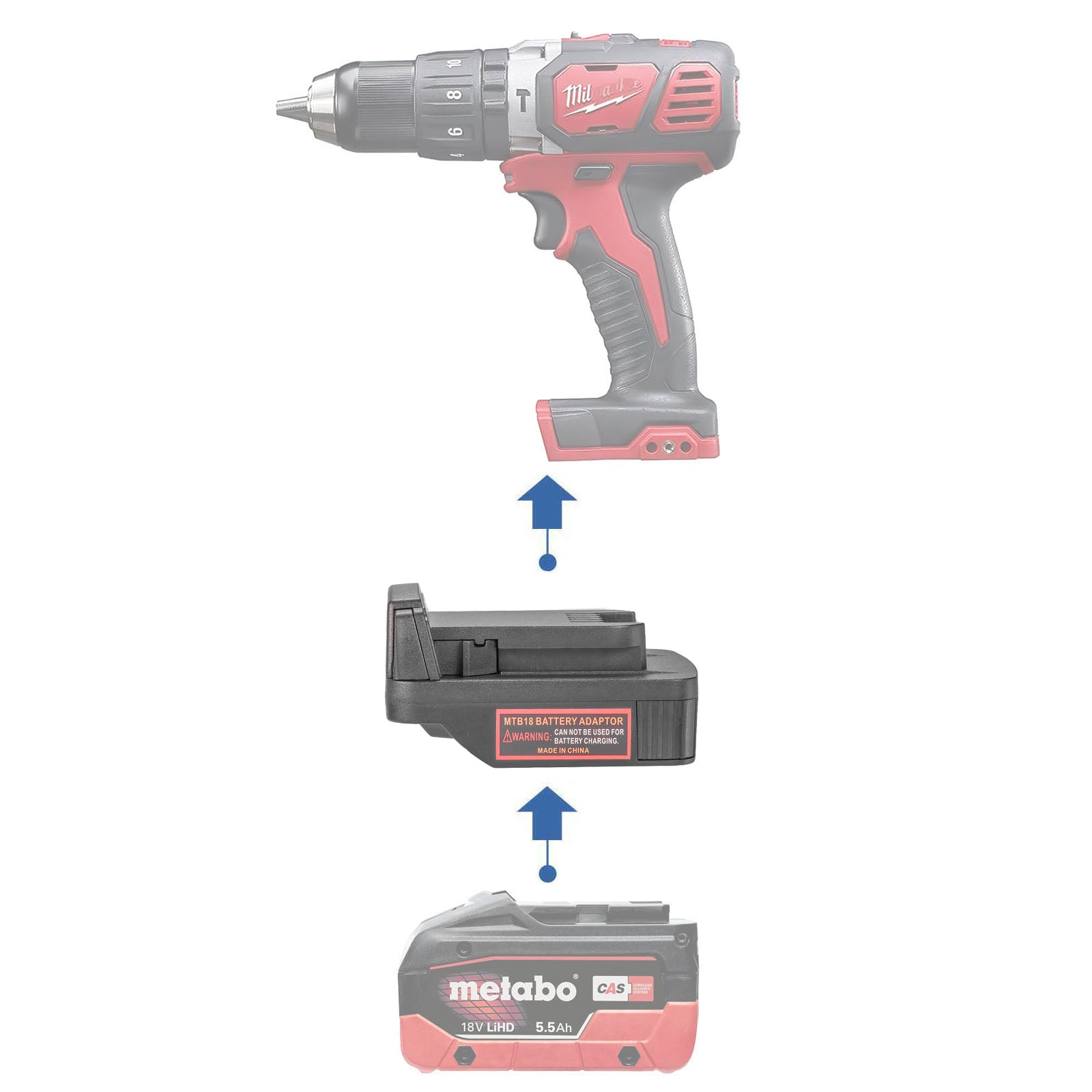
Credit: powertoolsadapters.com
Battery Life And System
Cordless drills are only as good as their batteries. Running out of power in the middle of a job is frustrating.
Metabo: The Lihd Advantage
Metabo’s LiHD battery technology is a key selling point. LiHD stands for “Lithium High Density”—these batteries pack more energy in a small size. For example, a 4.0 Ah (amp-hour) LiHD battery can outperform some 5.0 Ah batteries from other brands, providing longer runtime and faster charging.
Metabo’s batteries are compatible across their 18V tool range. The Ultra-M technology ensures batteries are protected from overheating and overloading. Another plus: Metabo offers a 3-year battery warranty.
Milwaukee: Redlithium Power
Milwaukee’s REDLITHIUM batteries are famous for cold-weather performance and long life. The M18 system includes dozens of tools—one battery fits all. Milwaukee’s batteries have REDLINK intelligence, which protects against overheating, overcharging, and overload.
Milwaukee offers a wide range of battery sizes, from compact 1.5 Ah to massive 12.0 Ah packs. For most users, the 5.0 Ah battery is the sweet spot, providing hours of runtime. Charging is fast: a standard charger can fill a 5.0 Ah battery in about 60 minutes.
Non-obvious Insight
Batteries lose capacity over time. Milwaukee batteries often hold their charge better after hundreds of cycles, while Metabo’s LiHD batteries charge faster and stay cooler under heavy loads. If you work in extreme cold, Milwaukee batteries may give you an edge.
Build Quality And Durability
A drill is an investment. You want it to survive drops, dust, rain, and years of use.
Metabo: German Engineering
Metabo drills use metal gear housings and reinforced plastic bodies. Many models have special dust protection and electronic overload protection. The result? Drills that last for years, even on busy construction sites.
Metabo is known for Metabo Quick—a system that lets you swap chucks or accessories in seconds. This reduces wear on parts and saves time.
Milwaukee: Built For The Jobsite
Milwaukee’s build quality is famous. Their drills use all-metal chucks and sturdy cases. Many Milwaukee tools have rubber over-molds, which protect the tool if dropped.
A unique feature: Milwaukee’s autostop clutch. If the drill bit binds (gets stuck), the drill stops immediately to prevent wrist injuries and tool damage.
Non-obvious Insight
Most buyers check for metal parts, but internal electronic protection is just as important. Both brands use smart systems to prevent overheating, but Milwaukee’s autostop safety is a real lifesaver for professionals drilling in tough materials.
Ergonomics And Comfort
Using a drill for hours can cause hand fatigue or even injury. Good ergonomics make a big difference.
Metabo: Balanced And Customizable
Metabo drills are usually well-balanced, with a comfortable grip and adjustable handles. The weight is often centered, reducing wrist strain. Some models come with vibration reduction features—a big plus if you drill into masonry often.
Metabo also offers left- and right-handed operation, which is rare among power tools.
Milwaukee: Designed For Pros
Milwaukee spends a lot of time on handle design. Their tools often have a slim grip, rubberized surfaces, and easy-to-reach switches. Weight is balanced toward the battery, making the drill feel lighter during use.
For users with smaller hands, Milwaukee’s compact models are easier to control.
Non-obvious Insight
If you have joint pain or use gloves, Milwaukee’s thinner handles can be more comfortable. Metabo’s anti-vibration features help if you drill concrete or brick all day.
Speed And Control
Drill speed is measured in RPM (revolutions per minute), and hammer drills add BPM (blows per minute). Precision matters, especially for delicate work.
Metabo: Flexible Gearing
Metabo often offers three gear settings instead of two. This allows better control over speed and torque. For example, you can drill slowly into tile (to avoid cracks) or quickly into wood.
Clutch settings on Metabo drills are fine-tuned, letting you control screw depth and avoid stripping.
Milwaukee: Fast And Precise
Milwaukee drills usually feature two speeds but can reach higher maximum RPMs. The electronic clutch adjusts automatically, making screw-driving easy. Milwaukee’s drills are quick to switch between modes (drill, drive, hammer).
Milwaukee’s ONE-KEY system (on some models) lets you control speed and torque using a smartphone app—a unique feature for tech lovers.
Non-obvious Insight
Three gear settings (Metabo) are rare and helpful for mixed-material jobs. Milwaukee’s digital controls are best for repeat tasks where you want the same result every time.

Credit: stogagirlssoccer.com
Value For Money
A drill isn’t just about the price tag—it’s about what you get for your money.
Metabo: Premium, But Worth It?
Metabo drills are usually 10–20% more expensive than Milwaukee in the same class. But you get a robust build, fast-charging batteries, and extra features like quick-change chucks.
Long battery warranty and German engineering add to the value, especially for professionals who want a tool that lasts.
Milwaukee: Competitive Pricing
Milwaukee offers good value, especially in combo kits. For the price of one premium drill, you may get a drill, impact driver, batteries, and a charger.
Milwaukee’s wide tool ecosystem means you can add other tools without buying new batteries. Their warranty is solid—usually 5 years on the tool, 2–3 years on batteries.
Non-obvious Insight
Metabo’s higher price pays off if you use specialty accessories or need fast battery swaps. Milwaukee’s combo kits are often cheaper per tool, making them a favorite for budget-conscious buyers.
Warranty And Support
After-sales support can save you money and stress.
- Metabo: 3-year warranty on tools and batteries. Fast service in Europe, but slower in North America.
- Milwaukee: 5-year warranty on tools, 2–3 years on batteries. Strong support network in North America, with quick repairs and easy part replacement.
If you live in the US or Canada, Milwaukee’s service is usually faster. In Europe, Metabo’s network is better.
Side-by-side Comparison: Metabo Vs Milwaukee Drills
Here’s a detailed comparison of two top models: Metabo BS 18 LTX-3 BL Q I and Milwaukee M18 Fuel 2804-20.
| Feature | Metabo BS 18 LTX-3 BL Q I | Milwaukee M18 Fuel 2804-20 |
|---|---|---|
| Max Torque | 120 Nm | 135 Nm |
| Top Speed (RPM) | 0-500 / 0-2050 / 0-4000 | 0-550 / 0-2000 |
| Hammer BPM | 38,000 | 32,000 |
| Battery Type | LiHD 18V | REDLITHIUM 18V |
| Weight (with battery) | 2.5 kg | 2.2 kg |
| Warranty | 3 years | 5 years |
| Special Features | Quick-change chuck, 3 gears | Autostop clutch, ONE-KEY |
Real-world User Experience
Noise And Vibration
Metabo drills are quieter and have less vibration, which reduces fatigue in long jobs. Milwaukee drills are slightly louder but feel more powerful, especially in hammer mode.
Durability In Harsh Environments
Many users report that Milwaukee drills survive more drops and rough handling. Metabo’s dust protection is better, which helps in masonry or metalworking shops.
Battery Swapping And Compatibility
Both brands offer backward-compatible batteries. However, Milwaukee’s battery line is bigger, with more choices. Metabo’s Ultra-M system is better for fast charging.
Example: Drilling Concrete
In a test drilling 10mm holes in concrete, both drills finish the job in about the same time, but Milwaukee’s higher torque helps with larger bits. Metabo stays cooler, even after 20 holes, thanks to its advanced cooling.
Example: Driving Screws
Milwaukee’s electronic clutch prevents overdriving screws—very helpful for delicate work. Metabo’s fine clutch settings give even more control.
Range Of Tools And Ecosystem
Both brands offer full tool ecosystems, but their focus is different.
- Metabo: Excels in metalworking, grinding, and specialty tools. Their 18V system is expanding but not as large as Milwaukee’s.
- Milwaukee: Huge range—over 200 compatible tools. Includes saws, lights, vacuums, and even heated jackets, all on the same battery.
If you want to expand your tool collection, Milwaukee’s system is more flexible.
| Category | Metabo | Milwaukee |
|---|---|---|
| Cordless Drills | 20+ models | 30+ models |
| Impact Drivers | 10+ models | 15+ models |
| Other 18V Tools | 60+ | 200+ |
| Battery Options | 1.5–8.0 Ah | 1.5–12.0 Ah |
When To Choose Metabo
- You need precision and flexibility (3 gears, fine clutch).
- You work in metal shops or need dust protection.
- Fast charging and cool-running batteries are important.
- You value German engineering and don’t mind paying a bit more.
- You’re based in Europe and want strong local support.
When To Choose Milwaukee
- You want maximum torque and power.
- You work on construction sites or do heavy-duty tasks.
- You need a large, flexible tool ecosystem.
- You want advanced features (ONE-KEY, autostop clutch).
- You’re in North America and need fast repairs or support.
- You often work in cold weather.
Common Buyer Mistakes To Avoid
- Ignoring Battery Ecosystem: Don’t buy a drill with a rare or incompatible battery—future tool upgrades will be costly.
- Focusing Only on Torque: High torque is important, but so are speed settings, weight, and safety features.
- Skipping Warranty Details: Some sellers offer shorter warranties—always check the brand’s official site before buying.
- Overlooking Ergonomics: Try holding the drill before you buy. What feels comfortable for one person may not suit another.
- Assuming All Models Are Equal: Each brand has budget and premium lines. Always check the specs for your exact model.

Credit: www.youtube.com
Expert Tips For Buyers
- Test the Drill: If possible, visit a store and hold both brands. Feel the balance, grip, and switch positions.
- Check Combo Kits: Milwaukee kits often save money. Metabo kits may include specialty bits or fast chargers.
- Read Real Reviews: Look for feedback from people with similar jobs to yours. Forums and YouTube reviews can offer honest opinions.
- Future-Proof Your Choice: If you plan to buy more cordless tools, choose a brand with a big ecosystem.
- Don’t Ignore Local Service: Fast repair and easy part replacement can save you time and money.
Summary Table: Metabo Drill Vs Milwaukee
Here’s a quick summary to help you decide.
| Category | Metabo | Milwaukee |
|---|---|---|
| Best For | Precision, metalwork, European users | Power, jobsite use, North American users |
| Max Torque | Up to 120 Nm | Up to 135 Nm |
| Battery Tech | LiHD, fast charging | REDLITHIUM, large range |
| Durability | Dust and overload protection | Autostop, rugged build |
| Warranty | 3 years | 5 years |
| Tool Ecosystem | Medium | Very large |
| Price | Higher | Mid-range |
Frequently Asked Questions
Is Metabo Or Milwaukee Better For Home Use?
Both brands are excellent, but Milwaukee may be easier to find and has more entry-level kits for home users. If you need high precision or already own Metabo tools, Metabo is a great choice.
Are Metabo Drills Compatible With Milwaukee Batteries?
No, Metabo and Milwaukee batteries are not cross-compatible. Each uses its own battery system and design.
Which Brand Has A Longer Warranty?
Milwaukee usually offers a 5-year tool warranty, while Metabo offers 3 years. Battery warranties are similar (2–3 years).
Can I Use Metabo Or Milwaukee Drills For Masonry?
Yes, both brands offer hammer drills suitable for masonry. Milwaukee’s higher BPM is better for heavy-duty concrete, while Metabo’s anti-vibration helps for long jobs.
Where Can I Find More Technical Details?
Visit the official sites for the most accurate specs: Milwaukee Tool and Metabo’s website.
Choosing between Metabo and Milwaukee comes down to your main tasks, tool preferences, and local support. Both brands deliver performance, but one will match your style and needs better. Take your time, compare in person if possible, and you’ll invest in a drill that works as hard as you do.