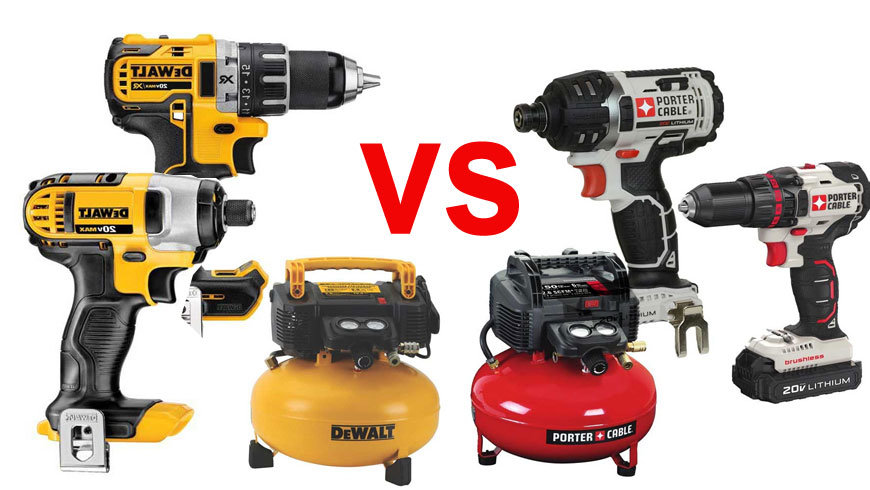
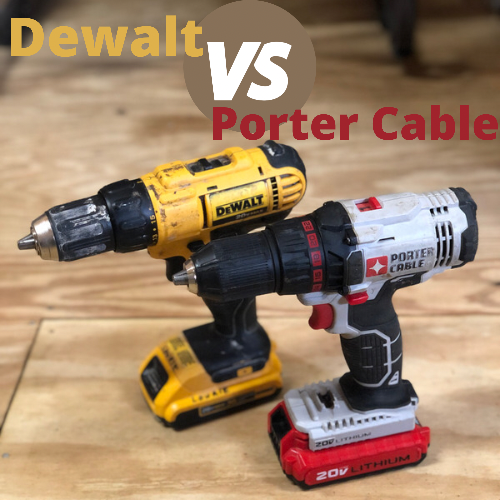
When you’re searching for a new power drill, two brands often stand out: Porter Cable and DeWalt. Both are trusted names in the tool world, but they have different strengths, features, and price points. Choosing the right drill is important for your projects, your budget, and your satisfaction over time. If you’re a homeowner, DIYer, or even a professional, understanding how these brands compare can help you avoid costly mistakes and pick the tool that actually fits your needs.
Let’s look closely at Porter Cable and DeWalt drills—focusing on real-world performance, user experience, price, and what makes each brand unique. You’ll find practical advice, not just technical specs. Whether you’re buying your first drill or thinking of upgrading, this comparison will give you everything you need to make a smart choice.
Brand Backgrounds: Porter Cable And Dewalt
Porter Cable: Accessible Quality
Porter Cable has a long history in the world of power tools. Founded in 1906, the brand became popular for making reliable, affordable tools for homeowners and light professionals. Porter Cable is now owned by Stanley Black & Decker, which also owns DeWalt. Most Porter Cable drills are made in China or Mexico, keeping costs low. Their drills are known for being easy to use, reasonably powerful, and budget-friendly. They are often found in big-box stores and online retailers.
Dewalt: Professional Reputation
DeWalt, founded in 1924, is a brand built for professionals. Their tools are made for heavy use in construction, woodworking, and other demanding jobs. DeWalt is famous for its yellow-and-black design and its reputation for tough, long-lasting products. Many DeWalt drills are made in the USA, using global materials. The brand is often seen as a step up from homeowner-grade tools, offering more power, durability, and advanced features.
Drill Types Offered: What’s Available?
Both brands sell a range of drills, but their focus is slightly different.
- Porter Cable mainly offers cordless drills, especially 20V MAX models. They have a few corded options, but their cordless lineup is larger. Hammer drills and impact drivers are available, but choices are more limited.
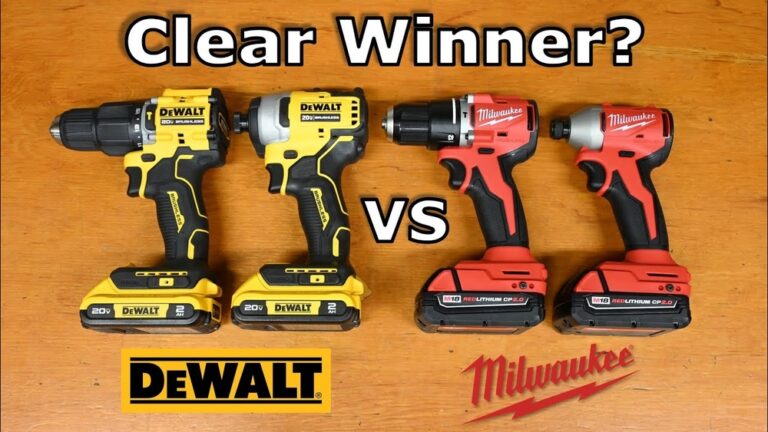
- DeWalt covers a wider range: Cordless and corded drills, hammer drills, right-angle drills, impact drivers, and more. Their cordless system includes 12V, 20V, and even 60V tools, aimed at both pros and advanced DIYers.
A quick comparison:
| Brand | Main Types | Voltage Options | Pro Features |
|---|---|---|---|
| Porter Cable | Cordless, Hammer, Impact | 20V MAX | Basic to Mid-level |
| DeWalt | Cordless, Corded, Hammer, Impact, Right-angle | 12V, 20V MAX, 60V FLEXVOLT | Advanced & Pro |
Insight: Many beginners assume DeWalt and Porter Cable use the same batteries because both have “20V MAX” lines. In reality, their batteries are not interchangeable.
Performance And Power
Motor Types
Most Porter Cable and DeWalt drills now use brushless motors in their mid-range and premium models. Brushless motors last longer, run cooler, and need less maintenance than brushed motors.
- Porter Cable brushless drills are available, but most models remain brushed to keep prices low.
- DeWalt offers more brushless options, even on entry-level models.
Torque And Speed
DeWalt drills generally deliver more torque (twisting force) and higher speeds. For example, a typical DeWalt 20V MAX drill may have up to 530 UWO (Units Watts Out), while a similar Porter Cable model might reach around 370 UWO. This means DeWalt drills can handle tougher materials and larger fasteners.
Porter Cable drills are strong enough for basic woodwork, light metal, and home repairs, but may struggle with thick hardwood, masonry, or long screws.
Here’s a sample comparison of mid-range cordless drills:
| Model | Max Torque | Max RPM | Motor Type |
|---|---|---|---|
| Porter Cable PCC601LB | 283 in-lbs | 1,500 | Brushed |
| DeWalt DCD771C2 | 300 in-lbs | 1,500 | Brushed |
| DeWalt DCD791D2 | 460 in-lbs | 2,000 | Brushless |
Non-obvious insight: Torque numbers aren’t always comparable between brands because each uses different testing methods. Real-world reviews and jobsite tests are more useful than specs alone.
Battery Systems And Runtime
Compatibility
Both Porter Cable and DeWalt have their own 20V MAX battery systems. You can use the same brand’s batteries across most of their 20V tools, but you cannot swap batteries between brands.
- Porter Cable 20V MAX: Simple, affordable batteries, usually 1.3Ah to 4.0Ah.
- DeWalt 20V MAX: Wide range, from 1.5Ah up to 12.0Ah (FLEXVOLT), including fast-charging options.
Common beginner mistake: Buying a drill with only one small battery. For bigger projects, always get an extra battery or a higher Ah (amp-hour) rating.
Runtime And Charging
DeWalt batteries often last longer, especially in high-demand tasks. Their chargers are usually faster, and FLEXVOLT batteries can power larger tools.
Porter Cable batteries are fine for light work, but frequent users might find themselves waiting for a recharge.
Tip: If you plan to expand your tool collection, think about the brand’s battery ecosystem. DeWalt offers more compatible tools (like saws, sanders, and lights) using the same battery.
Durability And Build Quality
Materials And Construction
DeWalt drills are known for their rugged build. They often use metal gearboxes, reinforced housings, and better seals against dust and moisture. Many DeWalt tools pass tough drop and vibration tests used on jobsites.
Porter Cable drills are mostly plastic with some metal parts. They feel lighter but may not survive repeated drops or harsh environments.
Longevity
DeWalt drills have a longer expected lifespan, especially in daily or heavy use. Porter Cable works best for light tasks and occasional DIY.
Practical example: If you’re remodeling a house or work as a contractor, DeWalt will likely last several years. For weekend repairs or assembling furniture, Porter Cable is often enough.
Features And User Experience
Ergonomics
Both brands design comfortable, well-balanced drills. DeWalt handles are usually a bit slimmer and have more rubber overmold for grip. Porter Cable is lightweight, which some users prefer for overhead or long sessions.
Led Lights And Clutch Settings
Most models now include LED work lights and multiple clutch settings (to control screw depth and avoid stripping). DeWalt often adds more clutch options (up to 15 settings), compared to Porter Cable’s 11.
Extra Features
DeWalt may include advanced features like:
- 3-mode LED lights (including spotlight mode)
- Belt hooks
- Bit holders
- All-metal ratcheting chucks
Porter Cable sticks to basics, which keeps price and weight lower.
Insight: Many buyers overlook the value of a good chuck (the part that holds the drill bit). DeWalt’s metal ratcheting chucks grip bits tighter and slip less than Porter Cable’s plastic chucks.
Price And Value
Upfront Cost
Porter Cable drills are much cheaper. Entry-level kits can start under $80, including a battery and charger. Mid-range sets are usually $100–$150.
DeWalt’s entry kits are around $100–$120, but their brushless or higher-end models can reach $200 or more.
Long-term Value
While Porter Cable is budget-friendly, DeWalt often delivers more value over time, due to better durability, higher resale, and a bigger tool ecosystem.
Practical tip: If you’ll only use your drill a few times a year, Porter Cable saves money. If you expect to use it weekly or want to build a collection of tools, DeWalt is a safer investment.
Warranty And Customer Support
Warranty Details
- Porter Cable: 3-year limited warranty, 1-year free service, 90-day money-back guarantee.
- DeWalt: 3-year limited warranty, 1-year free service, 90-day money-back guarantee. Some pro-grade DeWalt tools have even longer warranties.
Service And Parts
DeWalt has a larger service network and more parts availability. It’s easier to repair a DeWalt drill years after purchase. Porter Cable support is good, but parts may be harder to find as models change.
Credit: www.powertoollab.com
Accessories And Compatibility
Drill Bits And Attachments
Both brands use the standard 3/8-inch or 1/2-inch chuck size, which fits most common drill bits and accessories. You can use third-party bits from Bosch, Makita, or others.
Tool Ecosystem
DeWalt’s 20V MAX battery system powers over 200 tools: saws, sanders, lights, blowers, and more. Porter Cable offers about 20 tools in their 20V line, covering basics like drills, saws, and lights.
Non-obvious insight: Many users regret buying into a limited ecosystem—future upgrades may force you to switch brands and buy new batteries/chargers.
Real-world User Reviews
Porter Cable Users
Most owners praise Porter Cable for value and simplicity. Reviews often mention easy handling, good battery life for home use, and low cost. Complaints focus on lower power, slower speed, and durability under heavy use.
Typical review: “Great for furniture assembly and small repairs, but it struggled with deck screws.”
Dewalt Users
DeWalt drills get high marks for power and toughness. Users like the long runtime, quick charging, and strong chucks. Some say DeWalt is overkill for simple jobs, but most see the higher price as worth it for reliability.
Typical review: “Used daily on the jobsite. Never overheats, and the battery lasts all day.”
Credit: mysplitlevel.com
Who Should Choose Porter Cable?
Porter Cable is a smart pick if you:
- Want a reliable drill for occasional home use
- Have a tight budget
- Don’t need to drill into concrete or thick hardwood often
- Prefer a lightweight tool
- Don’t plan to expand into a big battery-powered tool collection
A Porter Cable drill is perfect for assembling furniture, hanging shelves, and most indoor repairs. You get good performance for the price, and the tools are easy to use—even for beginners.
Who Should Choose Dewalt?
DeWalt makes sense if you:
- Need a drill for regular, heavy, or professional use
- Want more power and speed
- Plan to build a collection of battery-powered tools
- Value advanced features and longer lifespan
- Often work with tough materials (masonry, hardwood, heavy-duty screws)
For contractors, woodworkers, and serious DIYers, DeWalt is a tool you can depend on for years. The higher cost pays off in performance, support, and tool compatibility.
Side-by-side Summary
To quickly see the main differences, here’s a direct comparison:
| Feature | Porter Cable | DeWalt |
|---|---|---|
| Price | Low | Medium to High |
| Power & Torque | Good for DIY | Excellent, Pro-level |
| Durability | Light to Moderate Use | Heavy, Daily Use |
| Features | Basic | Advanced |
| Battery Ecosystem | Limited | Extensive |
| Warranty | 3 years | 3+ years |
Common Mistakes When Choosing
- Focusing only on price. Cheaper isn’t always better—think about long-term value and future tool needs.
- Ignoring battery compatibility. Mixing brands means more chargers and fewer tool options.
- Overestimating needs. Some users buy a pro drill for simple tasks, wasting money and carrying extra weight.
- Buying a kit with only one battery. Always get a spare for less downtime.
- Skipping reviews and real-world tests. Specs can be misleading—search for hands-on feedback.
Practical Buying Tips
- Check what’s included in the kit—some have bags, extra batteries, or accessories.
- If you want to grow your tool collection, look at the brand’s full lineup.
- Visit a store and hold both drills. Comfort matters!
- Compare warranty details and service locations in your area.
- Watch for sales, especially around holidays—DeWalt often discounts older models.
Final Thoughts
When it comes to Porter Cable vs DeWalt drills, the best choice depends on your needs, budget, and how often you’ll use your tool. Porter Cable offers great value for occasional users and small projects. DeWalt is the clear winner for professionals, frequent users, or anyone who wants more power, durability, and a large tool ecosystem.
If you’re still unsure, ask yourself: “How often will I use this drill, and what do I want to build in the next few years?” Let that answer guide your choice. Either way, you’re buying a reliable tool from a respected brand.
For more details on drill types and comparisons, check out this Wikipedia article on drills.

Credit: www.youtube.com
Frequently Asked Questions
Is Porter Cable The Same As Dewalt?
No, Porter Cable and DeWalt are separate brands, though both are owned by Stanley Black & Decker. They have different designs, features, and target customers. Porter Cable is more budget-friendly, while DeWalt is made for professionals.
Can I Use Dewalt Batteries On Porter Cable Drills?
No, DeWalt batteries are not compatible with Porter Cable drills, even if both are labeled “20V MAX.” Each brand uses a unique battery shape and connection system.
Which Brand Is Better For Beginners?
If you’re a beginner doing light home repairs, Porter Cable is easier on the wallet and user-friendly. If you want to learn woodworking or plan bigger projects, DeWalt’s extra features and power might be worth the investment.
Do Dewalt Drills Really Last Longer?
Yes, DeWalt drills are built for tougher use and usually last longer under heavy or regular work. Porter Cable is reliable for light tasks but may wear out faster with daily or jobsite use.
Are Porter Cable Drills Still A Good Buy?
Yes, Porter Cable drills are still a solid choice for homeowners, students, and anyone who needs a basic, dependable tool at a low price. Just remember their limitations if you plan on bigger jobs or expanding your tool set.
With this knowledge, you can confidently choose the right drill for your next project—without second-guessing your decision or wasting money.