What Size Is A Number 7 Drill Bit
If you’ve ever looked at a set of drill bits, you might have noticed that some are labeled with numbers instead of sizes in millimeters or inches. Among these, the number 7 drill bit is common in both home workshops and professional settings. But what size is a number 7 drill bit, and why does its size matter? Understanding this will help you choose the right bit for your project, make cleaner holes, and avoid costly mistakes. Whether you’re just starting out with DIY tasks or you’re already familiar with hardware tools, knowing the details behind number 7 drill bits can save you time and trouble.
Many beginners are surprised to learn that drill bit sizing systems are not universal. A number 7 drill bit isn’t 7 millimeters or 7 inches. Its “number” refers to a specific diameter in the numbered drill bit size system, mostly used in the United States. This article breaks down everything you need to know about the number 7 drill bit: its actual size, how it compares to other bits, what materials it can handle, and which projects it’s ideal for. You’ll also learn about seven key points that matter when choosing and using a number 7 drill bit, each covered in detail. By the end, you’ll have the confidence to select the right bit and use it like a pro.
The Actual Size Of A Number 7 Drill Bit
A number 7 drill bit has a diameter of 0.201 inches, which is equal to 5.08 millimeters. This size is neither a simple round number in inches nor a common metric size, which often causes confusion. The number system for drill bits was created to fill the gaps between fractional sizes, allowing for more precise hole sizes.
If you use tools or fasteners that require specific hole diameters, knowing the exact size in both inches and millimeters is important. For example, if you need to make a hole for a tap or a screw, the correct diameter ensures the screw fits tightly and holds securely.
Using a bit that’s even slightly too large or too small can lead to loose connections or damaged materials.
Here’s a simple reference:
- Number 7 Drill Bit Diameter: 0.201 inches (5.08 mm)
Many drill bit sets include number sizes from 1 (the largest) to 80 (the smallest), with number 7 being on the larger side of this range. When buying or replacing bits, check the packaging or the shaft for this number to avoid mix-ups.
Understanding Numbered Drill Bit Sizes
Numbered drill bit sizes are common in the United States and Canada, mostly for metalworking, engineering, and certain construction tasks. This system provides a finer range of sizes than standard fractional inch bits. For example, where a 1/8-inch and a 9/64-inch bit might be too far apart in size, a number drill fills the gap.
How Numbered Drill Bits Differ From Other Systems
There are three main systems for drill bit sizing:
- Fractional Inch Sizes (e.g., 1/8″, 3/16″, 1/4″)
- Numbered Sizes (e.g., #1, #7, #80)
- Lettered Sizes (e.g., A, F, Z)
- Metric Sizes (e.g., 4mm, 6mm, 8mm)
The number system runs from #1 (0. 228″) to #80 (0. 0135″), with each step being a little smaller than the last. Number 7 falls within the common range for tapping holes for screws and bolts.
This system allows you to pick a bit that matches your needs more closely, without being limited to the larger jumps between fractional or metric sizes. For example, if you want a hole that’s slightly bigger than 3/16″ (0. 1875″) but smaller than 13/64″ (0.
2031″), the number 7 bit at 0. 201″ is perfect.
Why Precision Matters
Using the right size bit is critical for several reasons:
- Proper Fit: Fasteners will be secure and less likely to loosen over time.
- Material Integrity: A too-large hole can weaken the material or make connections unreliable.
- Tool Longevity: Using the wrong bit size can damage both the bit and the tool.
For projects that require tapping threads (cutting internal threads for screws or bolts), the recommended size is often given in numbered bits. For example, the number 7 drill bit is commonly used as the tap drill for a 1/4″-20 UNC thread.
Seven Key Points About Number 7 Drill Bits
This section covers the seven most important aspects of number 7 drill bits, each explained in detail to help you make the best decisions in your projects.
1. Actual Dimensions And Tolerances
The number 7 drill bit measures 0.201 inches (5.08 mm) in diameter. However, there’s more to the story than just a number. Drill bits are manufactured to specific tolerances, meaning the true size can vary slightly. High-quality bits, especially those used in professional machining, are manufactured to tight tolerances (as low as ±0.0005 inches). Cheaper bits can have wider tolerances, which may affect the precision of your hole.
If you need exact hole sizes, look for high-speed steel (HSS) bits or bits labeled as precision ground. For most DIY or woodwork, standard bits are fine, but in metalworking or when tapping, precision matters.
2. Common Uses For A Number 7 Drill Bit
The most common use for a number 7 drill bit is as a tap drill for 1/4″-20 UNC threads. This means if you’re planning to tap a hole to accept a 1/4″-20 bolt (the “20” refers to 20 threads per inch), the recommended pilot hole is created with a number 7 bit. Using the right tap drill size allows the threads to cut cleanly and hold the bolt securely.
Other uses include:
- Creating precise clearance holes for certain screws
- Drilling into metal or hard plastics where exact size is important
- Pre-drilling for machine screws in projects requiring strength
3. Material Compatibility
Not all drill bits are made for all materials. Number 7 bits are available in different materials and coatings. The right choice depends on what you’re drilling:
- High-Speed Steel (HSS): Good for wood, plastic, aluminum, and mild steel.
- Cobalt Steel: Better for hard metals like stainless steel.
- Carbide-Tipped: For very tough materials, including some ceramics and hardened steels.
- Titanium or Black Oxide Coating: Increases lifespan and reduces friction.
Using the wrong bit for the material can cause rapid wear, poor holes, or even breakage. For example, drilling stainless steel with a cheap bit meant for wood will likely ruin the bit and the workpiece.
4. How Number 7 Compares To Similar Sizes
It’s easy to confuse a number 7 drill bit with nearby sizes, especially since the difference can be just a few thousandths of an inch. Here’s a comparison of the number 7 drill bit with nearby options:
| Drill Bit | Size (inches) | Size (mm) |
|---|---|---|
| 13/64″ | 0.2031 | 5.16 |
| #7 | 0.2010 | 5.08 |
| 3/16″ | 0.1875 | 4.76 |
| #8 | 0.1990 | 5.05 |
As you can see, the number 7 sits just below 13/64″ and just above number 8. This fine gradation is helpful when you need a hole that’s not quite as large as 13/64″ but bigger than 3/16″.
5. Choosing The Right Bit For Your Project
Selecting a number 7 bit should be based on the specific needs of your project. Ask yourself:
- What material am I drilling?
- Do I need to tap threads? (Is this for a 1/4″-20 bolt?)
- How important is hole accuracy?
- What type of drill do I have?
If you’re drilling metal and plan to tap a 1/4″-20 hole, a number 7 HSS or cobalt bit is ideal. For woodworking, a standard number 7 may be fine, but you might not need this level of precision unless matching specific hardware.
Pro Tip: Always use a center punch on metal before drilling. This gives the bit a starting point and prevents wandering, especially with small-diameter bits.
6. How To Use A Number 7 Drill Bit Effectively
Getting the best results from your number 7 drill bit means following a few best practices:
- Start with a Pilot Hole: For thick or hard materials, use a smaller bit first, then follow with the number 7.
- Use Correct Speed: For metal, use slower speeds to avoid overheating; for wood, higher speeds are fine.
- Apply Cutting Fluid: When drilling metal, a drop of oil or cutting fluid can extend the bit’s life and produce a cleaner hole.
- Secure Your Workpiece: Use clamps or a vise to prevent movement, which can cause the bit to break or the hole to go off-center.
- Check for Sharpness: A dull bit creates heat, tears material, and gives poor results. Sharpen or replace as needed.
7. Maintenance And Storage
Drill bits last longer when they’re stored and maintained correctly. Here’s how to keep your number 7 bit in top shape:
- Clean After Use: Remove chips and dust, especially after drilling metal.
- Oil Lightly: A thin film of oil prevents rust, especially if storing for long periods.
- Store in a Case: Keep bits in their original case or a labeled organizer to avoid mix-ups and damage.
- Inspect Regularly: Look for nicks, dullness, or bent shafts, which can ruin your work.
Many beginners forget to check their bits before starting a project, leading to frustration or mistakes. Keeping your bits organized and maintained saves time and money.
Number 7 Drill Bit In Real-world Projects
The number 7 drill bit is especially useful in metalworking, but it also finds a place in woodworking, plastics, and even some home repairs. Here are some typical uses:
- Tapping for 1/4″-20 bolts: Essential in machinery, automotive, and construction.
- Mounting hardware: When you need a tight, secure fit for machine screws.
- Repairing tools or appliances: Matching existing screw holes.
- Building furniture: When using metal fasteners in wood for extra strength.
Example: Tapping A 1/4″-20 Unc Hole
Let’s say you want to tap a hole in a steel plate for a 1/4″-20 UNC bolt. Here’s how you would use a number 7 drill bit:
- Mark the spot and use a center punch.
- Drill the hole using the number 7 bit at a slow speed, using cutting oil.
- Remove chips from the hole.
- Use a 1/4″-20 tap to cut the threads.
- Test with your bolt to ensure a snug fit.
This process is standard in many workshops and ensures a professional result.
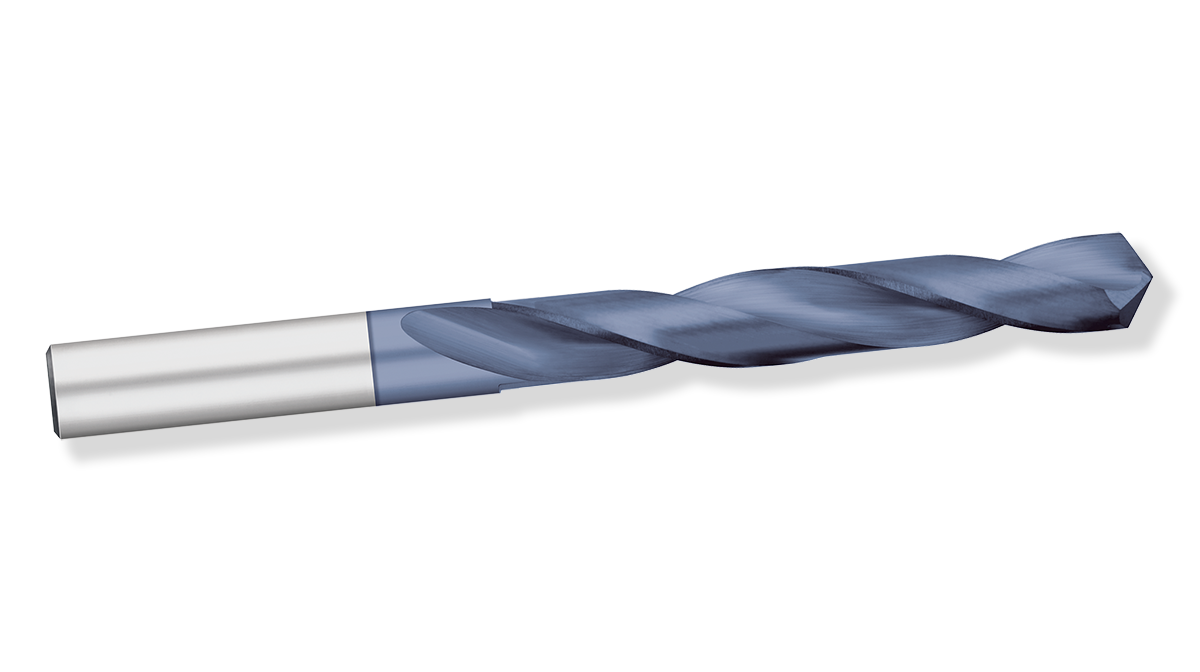
Credit: www.6gtools.com
Number 7 Drill Bit And Tapping Applications
Thread tapping is a process where internal threads are cut into a pre-drilled hole. For a 1/4″-20 UNC tap, the recommended hole size is 0. 201″, which matches the number 7 drill bit. Using this size allows for proper thread depth and strength.
If the hole is too small, the tap can break or the threads may be too tight. If it’s too large, the threads will be weak and may strip. This is why manufacturers and machinists trust the number 7 size for this common tap.
Here’s a quick reference for common tap sizes and their recommended drill bits:
| Thread Size | Tap Drill Size | Decimal (inches) |
|---|---|---|
| 10-24 UNC | #25 | 0.1495 |
| 1/4″-20 UNC | #7 | 0.2010 |
| 5/16″-18 UNC | F | 0.2570 |
| 3/8″-16 UNC | 5/16″ | 0.3125 |
This chart helps ensure you always use the right bit for the tap size.
How To Identify A Number 7 Drill Bit
Drill bits can be hard to identify, especially after heavy use. Manufacturers usually stamp the size on the shaft, but markings can wear off. If you’re unsure, use a caliper or a drill gauge to measure the bit’s diameter. Knowing the number 7 is 0.201″ (5.08 mm) makes checking easy.
It’s a good idea to label your storage case or use color-coded sleeves if you use multiple numbered bits. Many professionals do this to avoid confusion, especially in busy workshops.
Number 7 Drill Bit: Quality, Brands, And Pricing
Not all number 7 drill bits are created equal. Quality affects performance, lifespan, and price. Some factors to consider:
- Material: HSS is standard; cobalt and carbide cost more but last longer.
- Brand: Reputable brands (like DeWalt, Irwin, Bosch) tend to be more consistent in size and durability.
- Price: A single number 7 bit ranges from $2 for basic HSS to $10 or more for premium cobalt or carbide.
Buying quality bits may seem expensive, but they last longer and give better results, especially in tough materials.
For a deeper dive into drill bit sizing and standards, you can visit the official Wikipedia Drill Bit Sizes page.
Number 7 Drill Bit Vs. Metric And Fractional Sizes
Sometimes you may not have access to a number 7 bit or need to use a metric or fractional size instead. How close can you get?
- Closest Fractional Bit: 13/64″ (0.2031″) is slightly larger than number 7 (0.201″).
- Closest Metric Bit: 5.0 mm (0.1968″) is slightly smaller than number 7 (0.201″).
It’s better to err on the smaller side and ream or enlarge the hole if needed, rather than risk a hole that’s too large for your tap or fastener. In precision work, always use the exact recommended size.

Credit: drillsandcutters.com
Common Mistakes When Using Number 7 Drill Bits
Even experienced users sometimes make errors that can ruin a project or shorten the life of a drill bit. Here are a few to watch for:
- Wrong Bit for the Material: Using a wood bit on metal can cause breakage.
- No Lubrication on Metal: Skipping cutting fluid quickly dulls bits.
- Skipping Pilot Holes: Especially in hard materials, this can cause wandering.
- Ignoring Speed Settings: Too fast can burn the bit; too slow can cause jams.
- Mixing Up Sizes: Numbered, lettered, and fractional bits are close in size; always double-check before drilling.
Maintaining And Sharpening Your Number 7 Drill Bit
Over time, even the best bits become dull. Sharpening a number 7 bit is possible with a bench grinder or a specialized drill bit sharpener. Keeping the tip angle and cutting edges correct is key.
If you drill frequently, investing in a sharpener saves money. For occasional users, replacing the bit may be easier.
After sharpening, always measure the diameter and inspect the point to ensure it’s still accurate.
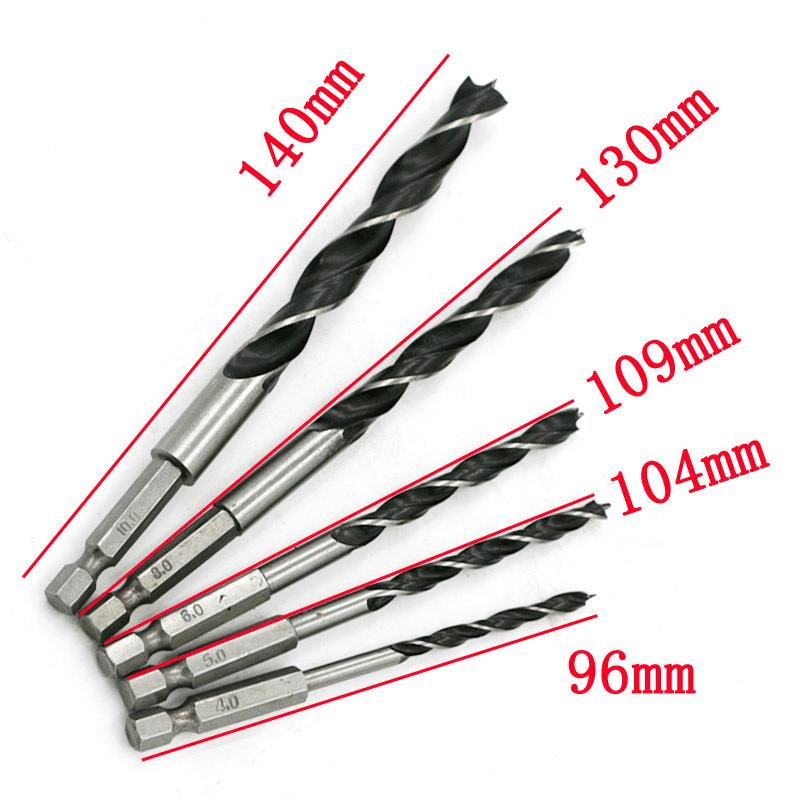
Credit: www.ipqcco.com
Storing Number 7 Drill Bits Safely
Proper storage prevents damage and loss. Many sets have numbered slots, but if yours does not, consider:
- Magnetic strips or blocks
- Labeled containers
- Foam or wooden organizers with drilled holes
- A dedicated small toolbox
Storing bits properly also prevents rust and keeps your workspace organized.
Frequently Asked Questions
What Is The Exact Size Of A Number 7 Drill Bit?
A number 7 drill bit is 0.201 inches in diameter, which equals 5.08 millimeters. This size is part of the numbered drill bit system and is most commonly used as the tap drill for 1/4″-20 UNC threads.
What Is A Number 7 Drill Bit Used For?
The number 7 drill bit is primarily used for tapping holes for 1/4″-20 UNC bolts. It’s also useful for making clearance holes in metal, wood, or plastic where a precise fit is needed.
Can I Use A 5.0 Mm Or 13/64″ Bit Instead Of A Number 7?
A 5. 0 mm bit is slightly smaller, and a 13/64″ bit is slightly larger than a number 7. For best results, especially when tapping threads, use the exact size. If you must substitute, choose the one closer to 0.
201″ and test the fit first.
How Do I Maintain A Number 7 Drill Bit?
Keep your number 7 drill bit clean, dry, and lightly oiled to prevent rust. Sharpen it as needed and store it in a labeled case or organizer. Avoid using it on materials it’s not designed for.
Why Are There Numbered, Lettered, And Fractional Drill Bits?
These systems were developed to offer more precise size options. Numbered bits fill the gaps between common fractional sizes, while lettered bits fill gaps above the number range. This gives professionals and hobbyists a way to make holes that fit their fasteners exactly.
Choosing the right drill bit size, especially a number 7, can make the difference between a project that works perfectly and one that fails. With this knowledge, you can approach your next drilling task with confidence and precision.