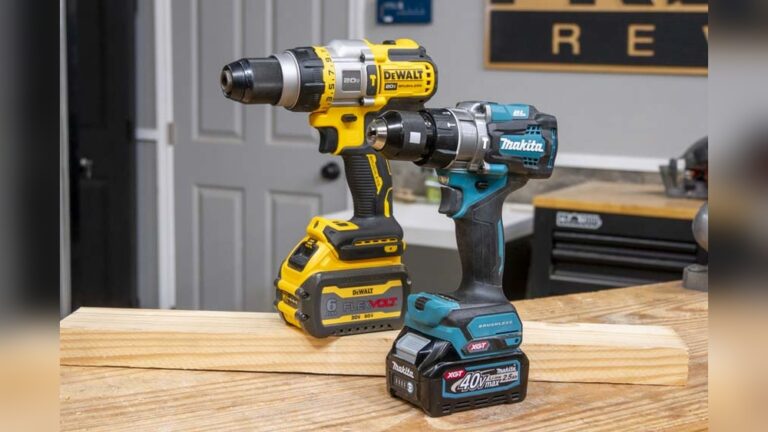
When it comes to picking the right power drill for your toolbox, two brands often stand out: Harbor Freight and DeWalt. Whether you’re a DIY enthusiast, a homeowner, or a professional contractor, choosing between these two can be surprisingly tough. Both companies offer a wide range of drills, but their approach, pricing, features, and reputation are quite different. Understanding what sets them apart can save you money, time, and frustration—and help you get the best results from your projects.
In this guide, you’ll get a detailed, side-by-side look at Harbor Freight drills and DeWalt drills. We’ll explore their quality, price, performance, warranty, user experience, and even how they handle tough jobs. By the end, you’ll know which drill is best for your needs, and you’ll learn a few things most beginners miss when shopping for a power tool.
Brand Overview: Harbor Freight And Dewalt
Harbor Freight: The Value Powerhouse
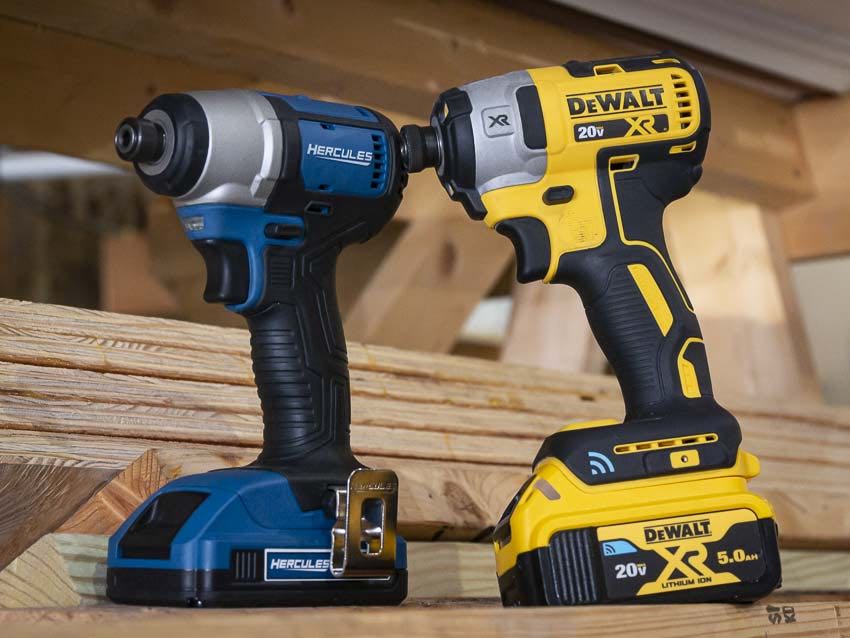
Harbor Freight is known for affordable tools. Their drills are usually much cheaper than big-name brands. Most Harbor Freight drills are sold under their in-house brands, like Bauer, Hercules, and Drillmaster. These tools are designed for homeowners, hobbyists, and anyone who wants to save money.
Harbor Freight’s business model focuses on low prices, frequent discounts, and no-frills service. They have over 1,300 stores across the United States. While they offer some professional-grade tools, most of their drills are aimed at light-to-medium duty work.
Dewalt: The Professional’s Choice
DeWalt is a legendary name in the power tool world. They are known for making durable, high-performance tools for professionals and serious DIYers. DeWalt drills are often found on construction sites and in workshops. They focus on reliability, power, and advanced features.
DeWalt’s history stretches back to 1924. They have a global presence, and their tools are trusted by tradespeople everywhere. DeWalt drills usually cost more than Harbor Freight models, but they come with a strong reputation and better warranties.
Drill Lineups: What’s Available?
Both Harbor Freight and DeWalt offer a wide selection of drills. Here’s an overview of what you can expect.
Harbor Freight Drill Series
- Bauer: Mid-range, good for most home projects.
- Hercules: Higher-end, tries to compete with pro brands.
- Drillmaster: Very low cost, basic features, aimed at light tasks.
Most Harbor Freight drills are available in corded and cordless versions. Cordless drills use lithium-ion batteries, usually 20V or 18V.
Dewalt Drill Series
- 20V MAX: The most popular line, with dozens of models.
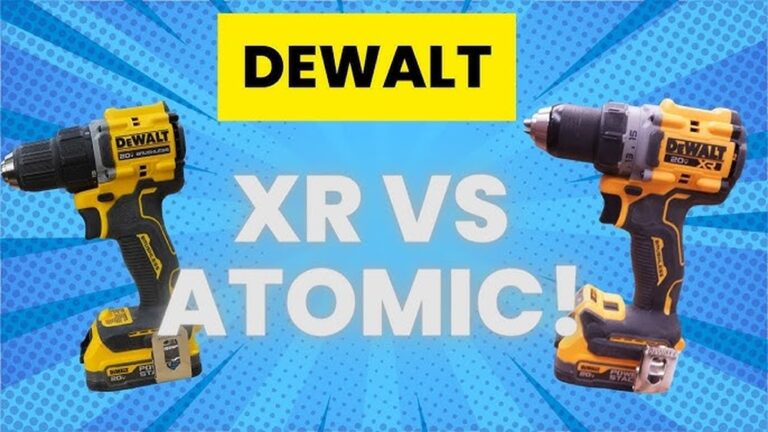
- XR: Extra Runtime, high-end cordless tools.
- Atomic: Compact and lightweight, still powerful.
- FlexVolt: Dual voltage (20V/60V), for heavy-duty jobs.
DeWalt offers both corded and cordless drills, but their focus is on cordless technology. Their 20V MAX and FlexVolt systems are highly rated for power and battery life.
Price Comparison: Harbor Freight Vs Dewalt
Price is often the first thing people look at. Here’s a direct comparison:
| Brand | Series/Model | Type | Typical Price (USD) | Included Accessories |
|---|---|---|---|---|
| Harbor Freight | Bauer 20V Cordless | Cordless Drill/Driver | $35–$60 (tool only) | Bare tool (battery and charger extra) |
| Harbor Freight | Hercules 20V Cordless | Cordless Drill/Driver | $65–$90 (tool only) | Bare tool (battery and charger extra) |
| DeWalt | 20V MAX DCD771C2 | Cordless Drill/Driver | $99–$139 (kit) | 2 batteries, charger, case |
| DeWalt | XR DCD996B | Cordless Hammer Drill | $130–$170 (tool only) | Bare tool |
As you can see, Harbor Freight drills can be less than half the price of a DeWalt. But keep in mind, Harbor Freight often sells the drill “bare” (no battery or charger), while DeWalt kits usually include batteries and a charger. Batteries are a big part of the total cost.
Non-obvious insight: Buying extra batteries for Harbor Freight brands can quickly raise the total price, sometimes closing the gap with DeWalt’s kit prices.
Build Quality And Durability
Materials And Construction
DeWalt drills are famous for their rugged construction. They use high-quality plastics, strong metal gearboxes, and solid chuck mechanisms. Many DeWalt drills feature all-metal chucks, which grip drill bits tightly and last longer.
Harbor Freight drills, especially from the Drillmaster line, use more plastic and lighter materials. Bauer and Hercules series are better built, but they often don’t match DeWalt’s fit and finish. Users sometimes report wobble in the chuck or less precise controls.
Real-world Durability
If you drop a DeWalt drill or use it in a rough environment, it’s likely to survive. These drills are built for heavy use, and many models are designed to resist dust and moisture.
Harbor Freight drills can handle most home jobs, but they may struggle under heavy, regular use. For occasional DIY projects, they hold up fine. But if you plan to use your drill every day or on big jobs, a DeWalt is more likely to last.
Non-obvious insight: The longevity of a drill isn’t just about the motor—it’s often the chuck and gearbox that wear out first. DeWalt invests more in these parts than most Harbor Freight models.
Power And Performance
How much power do you really need? Here’s where the numbers matter.
Torque And Speed
Torque measures the twisting force a drill can produce. Higher torque means the drill can drive larger screws or bore bigger holes.
DeWalt’s 20V MAX drills usually offer up to 530 UWO (Units Watts Out), a measurement of power. Their XR and FlexVolt models go even higher. Harbor Freight’s Bauer 20V cordless drill offers around 450 in-lbs of torque, and the Hercules line pushes up to 576 in-lbs.
Speed is measured in RPM (revolutions per minute). DeWalt drills often have two speed settings, with max speeds of 1,500 to 2,000 RPM. Harbor Freight models are similar but sometimes top out at lower speeds.
Battery Life And Charging
DeWalt’s lithium-ion batteries are well-known for long life and fast charging. Many kits include two batteries, so you can work while one charges. DeWalt also offers battery cross-compatibility across their 20V MAX tools.
Harbor Freight’s battery life is decent, especially in the Hercules line. However, users report that batteries can wear out faster over time, and finding replacements may be harder.
Practical Performance Test
Here’s how the two brands compare in a real-world scenario—drilling 2-inch holes through pressure-treated lumber:
| Model | Holes Drilled Per Battery | Time to Complete (10 holes) |
|---|---|---|
| DeWalt 20V MAX DCD791 | 45–50 | 5 min 10 sec |
| Harbor Freight Hercules 20V | 30–35 | 7 min 40 sec |
| Bauer 20V | 25–30 | 8 min 15 sec |
DeWalt drills finish tough jobs faster and drill more holes per battery, especially under load.
Features And Technology
Key Features Compared
DeWalt packs their drills with advanced features:
- Brushless motors for longer life and more power
- LED work lights for better visibility
- Multiple speed settings
- Precision clutch controls
- Ergonomic grips for comfort
- Belt clips and magnetic bit holders
Harbor Freight’s higher-end models (Hercules and some Bauer) now offer brushless motors and LED lights, but entry-level models skip many extras. Ergonomics and comfort are improving, but DeWalt still leads.
Smart Features
DeWalt’s XR and FlexVolt lines can connect to smart apps for tool tracking, diagnostics, and custom settings. This is rare in Harbor Freight’s lineup.
Accessories And Ecosystem
DeWalt’s 20V MAX system supports dozens of compatible tools—not just drills, but saws, lights, and more. Harbor Freight’s battery systems are improving, but their ecosystem is smaller.
Non-obvious insight: If you plan to buy more cordless tools in the future, staying with one battery system saves money and clutter.

Credit: www.youtube.com
User Experience: Comfort, Ease, And Support
Ergonomics And Handling
DeWalt drills are praised for their balanced weight, soft grips, and trigger response. This matters if you use your drill for hours. Harbor Freight’s higher-end drills are catching up, but some users find them bulkier or less comfortable over time.
Noise And Vibration
DeWalt drills generally run quieter and with less vibration. Harbor Freight drills, especially cheaper ones, can be louder and may vibrate more, leading to fatigue.
Customer Support And Warranty
DeWalt offers a 3-year limited warranty, 1-year free service, and 90-day money-back guarantee. Their support is responsive, and parts are widely available.
Harbor Freight offers a 90-day warranty on most drills, with optional extended plans for extra cost. Service is store-based, and replacement parts can be harder to get.
Non-obvious insight: For professional users, downtime is costly. DeWalt’s longer warranty and better service can pay for itself if something breaks on the job.
Performance In Real Jobs
Light-duty Use (home, Hobby)
For hanging pictures, assembling furniture, or small repairs, Harbor Freight’s Bauer and Drillmaster drills are more than enough. They’re lightweight, easy to use, and inexpensive. For users on a budget, these drills are a smart choice.
Medium-duty Use (renovation, Diy Projects)
Projects like building decks, drilling into studs, or driving hundreds of screws? DeWalt’s extra power and speed make the job faster and less frustrating. Harbor Freight’s Hercules line can handle many of these tasks, but may struggle with very dense materials or extended use.
Heavy-duty And Professional Use
If you’re drilling into concrete, using hole saws, or working all day, DeWalt is the clear winner. Their drills are designed for continuous, demanding work. You’ll notice the difference in speed, battery life, and comfort.
Real-world example: Installing kitchen cabinets requires driving dozens of large screws into hardwood. DeWalt’s clutch and torque settings make it easy to avoid stripping screws or damaging wood, while some Harbor Freight models may lack the finesse or power.

Credit: www.matthewpeech.com
Value For Money
Initial Purchase Vs. Long-term Cost
Harbor Freight wins on initial price, especially if you only need a drill for a few tasks. But if you need to buy extra batteries, or if your drill fails and needs replacement, the savings can disappear.
DeWalt drills cost more upfront, but they can last for years—even decades—with basic care. For professionals and regular DIYers, this long-term value is hard to beat.
Resale Value
DeWalt tools hold their value much better than Harbor Freight. Used DeWalt drills often sell for 50–70% of their new price, while Harbor Freight tools have little resale market.
Non-obvious insight: If you later upgrade, selling your DeWalt drill can offset the cost of a new model—a benefit many beginners overlook.
Battery Compatibility And Upgrade Paths
Dewalt Battery System
DeWalt’s 20V MAX and FlexVolt batteries work across dozens of tools. You can add new tools without buying new batteries and chargers every time.
Harbor Freight Battery System
Harbor Freight has different batteries for Bauer, Hercules, and other brands. They are not interchangeable between brands, which can be confusing. Upgrading often means buying new batteries and chargers.
Common Beginner Mistakes When Choosing
- Ignoring total cost: Batteries and chargers are sometimes sold separately with Harbor Freight.
- Not thinking long-term: Cheaper tools may need replacing sooner.
- Mixing brands: You can’t share batteries between Harbor Freight brands.
- Over- or under-buying: Buying a pro drill for light tasks, or a basic drill for tough jobs, leads to disappointment.
Who Should Buy Harbor Freight Drills?
Harbor Freight drills are ideal if:
- You have a small budget.
- You only need a drill for occasional jobs.
- You’re okay replacing the tool after a few years.
- You want a backup or loaner drill.
They’re also a good choice for students, renters, or anyone setting up a first toolkit.
Credit: www.protoolreviews.com
Who Should Buy Dewalt Drills?
DeWalt drills are the best choice if:
- You work on regular projects or construction.
- You want a tool that will last many years.
- You plan to buy more cordless tools in the future.
- You value comfort, speed, and reliability.
- You need good warranty and service.
Professionals, contractors, and serious DIYers will get better results and fewer headaches with DeWalt.
Which Drill Is Right For You? A Quick Guide
- Light household work: Harbor Freight Bauer or Drillmaster
- Frequent home improvement: DeWalt 20V MAX
- Heavy-duty/professional: DeWalt XR or FlexVolt
- Tight budget or short-term use: Harbor Freight
- Building a tool collection: DeWalt for battery compatibility
Environmental And Sustainability Considerations
DeWalt has made some efforts to reduce environmental impact with recycling programs and longer-lasting tools. Harbor Freight, with its focus on low cost, has fewer sustainability initiatives. Longer-lasting tools naturally create less waste, which is something to consider if you care about the environment.
What The Experts And Reviews Say
Professional reviewers and trade magazines often rate DeWalt drills as “best overall” or “top pick” for performance and reliability. Harbor Freight’s Hercules line sometimes earns “best value” or “budget pick” awards.
Many real-world users on forums and YouTube praise Harbor Freight for affordable tools that “get the job done,” but most agree DeWalt is the better choice for heavy use.
For more in-depth professional tool comparisons, check out this Pro Tool Reviews site.
Frequently Asked Questions
What Is The Biggest Difference Between Harbor Freight And Dewalt Drills?
The biggest difference is quality and durability. DeWalt drills are built for heavy use and last longer, while Harbor Freight drills are more affordable and good for light to medium tasks.
Are Harbor Freight Batteries Compatible With Dewalt Drills?
No, Harbor Freight and DeWalt batteries are not compatible. Even Harbor Freight’s own brands (Bauer, Hercules, etc.) use different batteries, so you can’t mix and match between them.
Can Harbor Freight Drills Handle Professional Work?
Some Harbor Freight drills, like the Hercules line, can handle tougher jobs, but they usually don’t last as long as DeWalt. For daily professional use, DeWalt is a safer bet.
Is It Worth Paying Extra For A Dewalt Drill?
If you need your drill to last, perform well, and work with other tools, paying extra for a DeWalt is usually worth it. For occasional or light use, Harbor Freight might be a better value.
What Should I Look For When Buying A Drill?
Focus on power (torque), battery life, comfort, features, and warranty. Also consider the total cost, including batteries and chargers, and whether you’ll want other tools that use the same battery system.
Choosing between Harbor Freight and DeWalt drills comes down to your needs and budget. For quick fixes or light projects, Harbor Freight offers unbeatable prices. If you need a drill that works hard and lasts long, DeWalt is the better investment.
By thinking about the real cost, the type of projects you do, and your future tool plans, you’ll pick the right drill—and get more done with less hassle.