Drilling through hardened steel is a real challenge for many professionals and DIY enthusiasts. Steel is tough, dense, and quickly dulls ordinary drill bits. If you’ve ever tried boring a hole in hardened steel with a standard bit, you know the frustration—smoke, noise, and barely any progress. Choosing the right drill bit is not just helpful; it’s essential for safety, precision, and efficiency. Whether you’re working on automotive repairs, construction, or metal art, understanding which bits to use can save you time and money, and prevent damage to your tools.
This guide will help you pick the best drill bits for hardened steel, explain what makes them work, and show you how to avoid common mistakes. You’ll find practical advice, key details, and clear comparisons, so you can drill confidently, even through the toughest materials.
Why Hardened Steel Needs Special Drill Bits
Hardened steel is used in machinery, car parts, and tools because it’s strong and durable. Its hardness comes from heat treatment, which changes its structure and makes it much tougher than regular steel. Drilling through hardened steel requires bits with:
- Superior hardness (so they don’t dull quickly)
- Heat resistance (to withstand friction)
- Precise cutting edges (to penetrate the dense surface)
Ordinary bits, like high-speed steel (HSS), struggle because they can’t keep their edge or handle the heat. This is why special bits are necessary.
Key Factors To Consider When Choosing Drill Bits For Hardened Steel
Before you buy, look at these main factors:
1. Material Of The Bit
The bit’s material matters most. The best options are cobalt steel, carbide, and sometimes titanium-coated bits. These materials are much harder than standard HSS.
2. Coating
Coatings like titanium nitride or black oxide help reduce friction and increase durability.
3. Tip Design
A split-point or self-centering tip prevents wandering and makes it easier to start drilling.
4. Size And Shank
Choose the right diameter for your hole. A straight shank is common, but reduced-shank bits allow for larger holes in standard drills.
5. Speed And Feed Rate
Hardened steel needs slower speeds and steady pressure. If you go too fast, you’ll burn out the bit.
6. Price And Longevity
High-quality bits cost more, but they last longer and save money over time.
&w=3840&q=75)
Credit: www.boomandbucket.com
Types Of Drill Bits Suitable For Hardened Steel
Let’s look at the main types and their pros and cons:
| Type | Material | Hardness | Best Use |
|---|---|---|---|
| Cobalt | High-speed steel with cobalt | Very high | General hardened steel, automotive, manufacturing |
| Carbide | Tungsten carbide | Extremely high | Industrial, thick or ultra-hard steel |
| Titanium-coated | HSS with titanium nitride coating | High | Light-duty hardened steel |
| Black oxide | HSS with black oxide coating | Moderate | Soft steel, not ideal for fully hardened steel |
The 10 Best Drill Bits For Hardened Steel
Here are the top options, with details to help you choose:
1. Dewalt Cobalt Drill Bit Set (dwa124)
DEWALT’s cobalt bits are known for their durability and precision. They use 8% cobalt alloy, giving them outstanding hardness and heat resistance. The split-point tip helps prevent walking, making them great for starting holes in tough steel. They’re ideal for automotive repairs, machinery, and heavy-duty jobs.
- Sizes: 1/16″ to 1/2″
- Cobalt content: 8%
- Tip: Split point
- Pros: Long-lasting, resists heat, easy to start holes
- Cons: Higher price
2. Irwin Tools Cobalt M-35 Drill Bit Set
Irwin’s M-35 cobalt bits handle hardened steel very well. The 135-degree split-point tip reduces pressure and prevents slipping. They’re strong, reliable, and often used in industrial settings.
- Sizes: 1/16″ to 1/2″
- Cobalt content: 5%
- Tip: Split point
- Pros: Affordable, strong, good for repeated use
- Cons: Slightly less heat resistance than higher cobalt bits
3. Bosch Cobalt Drill Bit Set (co21)
Bosch’s CO21 set features cobalt-infused bits for extended life and performance. The precision-ground tips make drilling smooth and accurate. They excel in tight spaces and are suitable for professional and home use.
- Sizes: 1/16″ to 1/2″
- Cobalt content: 8%
- Tip: Precision ground
- Pros: Smooth drilling, high quality, fits many drills
- Cons: Limited larger sizes
4. Milwaukee Red Helix Cobalt Drill Bits
Milwaukee Red Helix bits are designed for maximum durability. Their unique flute design removes chips quickly, reducing heat and improving speed. The bits are tough enough for repeated drilling in hardened steel.
- Sizes: 1/16″ to 1/2″
- Cobalt content: 8%
- Tip: Split point
- Pros: Fast, efficient chip removal, strong
- Cons: Higher cost
5. Makita Titanium Nitride Coated Drill Bit Set
Makita’s bits are made from high-speed steel and coated with titanium nitride. This makes them harder and more heat-resistant than plain HSS bits. They’re best for lighter jobs, like drilling through mild hardened steel.
- Sizes: 1/16″ to 1/2″
- Coating: Titanium nitride
- Tip: Standard
- Pros: Affordable, improved hardness
- Cons: Not for extreme hard steel
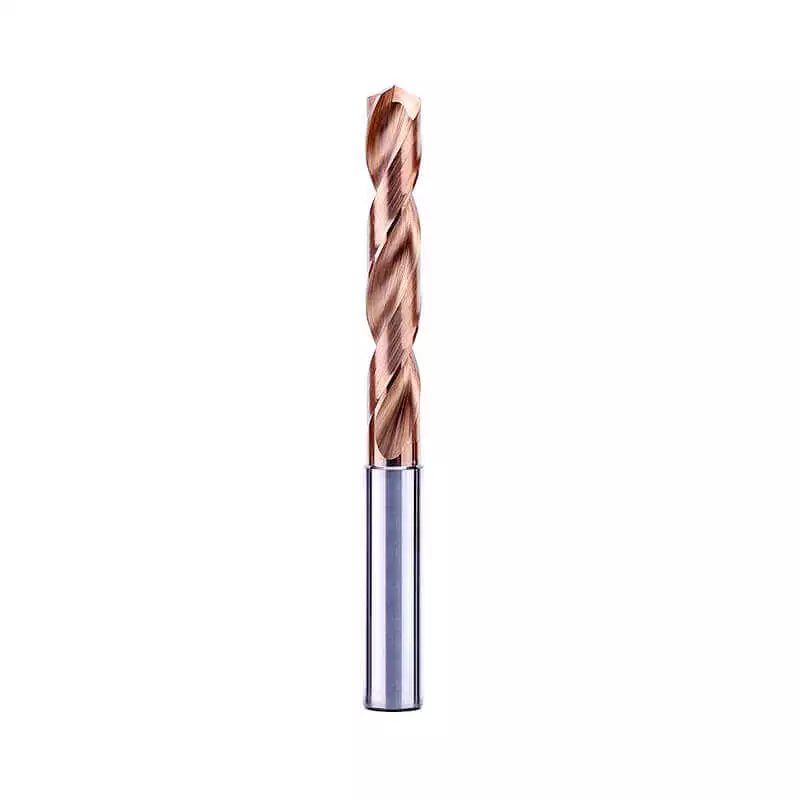
6. Drill America Dwc Series Carbide Bits
Drill America’s carbide bits are extremely hard and can drill through the toughest steel, including stainless and tool steel. Their carbide construction means they’re brittle, so they need careful handling, but their cutting power is unmatched.
- Sizes: Various
- Material: Tungsten carbide
- Tip: Standard or split point
- Pros: Ultra-hard, ideal for thick steel
- Cons: Fragile if misused, expensive
7. Chicago Latrobe Cobalt Drill Bits
These American-made bits are built for precision and strength. They have a 135-degree split-point tip for easy starts and less wandering. Their quality control is excellent, making them a favorite among machinists.
- Sizes: 1/16″ to 1/2″
- Cobalt content: 8%
- Tip: Split point
- Pros: Reliable, precise, professional grade
- Cons: Pricey
8. Viking Drill & Tool Cobalt Bits
Viking’s bits are made from high-grade cobalt steel. Their design allows for deep drilling with minimal heat buildup. They’re robust and good for repeated use, especially in workshops.
- Sizes: 1/16″ to 1/2″
- Cobalt content: 8%
- Tip: Split point
- Pros: Durable, stays sharp longer
- Cons: Slightly thicker shank may not fit all drills
9. Morse Cutting Tools Cobalt Bits
Morse offers industrial-quality cobalt bits that last through tough jobs. Their tips are specially designed for hardened steel, and their build quality is consistent. They’re popular in manufacturing and fabrication.
- Sizes: 1/16″ to 1/2″
- Cobalt content: 8%
- Tip: Split point
- Pros: Consistent, strong, good for bulk use
- Cons: Not widely available in stores
10. Amana Tool Solid Carbide Bits
Amana’s bits are made from solid carbide, offering the highest hardness. They cut through ultra-hard steel, including alloys and tool steel. While expensive and brittle, they’re unmatched for deep, precise holes.
- Sizes: Various
- Material: Solid carbide
- Tip: Standard or split point
- Pros: Extreme hardness, precise, professional use
- Cons: High cost, can break if misused
Comparing Cobalt Vs. Carbide Drill Bits
Choosing between cobalt and carbide can be confusing. Here’s a simple comparison:
| Feature | Cobalt Bits | Carbide Bits |
|---|---|---|
| Hardness | Very high | Extreme |
| Heat resistance | Excellent | Outstanding |
| Brittleness | Low | High |
| Cost | Moderate | High |
| Best for | General hardened steel | Ultra-hard, thick steel |
| Durability | Long-lasting | Longest, with care |
Cobalt bits are best for most jobs—they’re tough and forgiving. Carbide bits are for special tasks where nothing else works, but they need careful handling.
How To Use Drill Bits On Hardened Steel
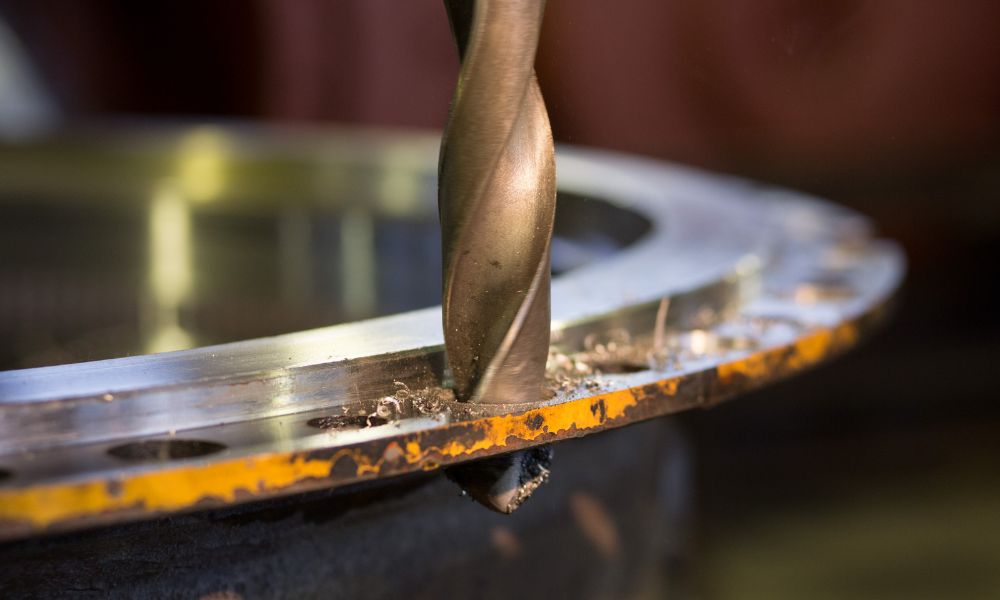
Drilling through hardened steel is not just about the bit; your technique matters too. Here’s how to do it right:
1. Mark The Spot
Use a center punch to make a small dent. This helps the bit stay in place and prevents slipping.
2. Choose The Right Speed
Use a slow speed (around 300–400 RPM for small bits, even slower for larger). High speeds cause overheating.
3. Apply Steady Pressure
Too much force can break the bit; too little won’t cut. Let the bit do the work.
4. Keep It Cool
Use cutting oil or water to keep the bit and steel cool. This stops heat buildup and extends the bit’s life.
5. Drill In Short Bursts
Drill a little, stop, add oil, and clear chips. This prevents overheating and ensures a clean hole.
6. Check Your Progress
If you see smoke, stop and let things cool down. Dull bits make drilling harder.
Non-obvious insight: Many beginners skip the cooling step, thinking it’s optional. This is a major mistake; even the best bits will fail without cooling. Also, always start with a small pilot hole before using a larger bit for better accuracy.
Common Mistakes When Drilling Hardened Steel
Avoid these problems to keep your bits and work safe:
- Using standard HSS bits
Ordinary bits dull quickly and may break.
- Drilling too fast
Overheating ruins the bit’s tip.
- Skipping lubrication
Oil is not just for smooth drilling—it’s vital for heat management.
- Applying uneven pressure
Sudden force can snap carbide bits.
- Failing to punch a starting point
This leads to wandering holes and damaged bits.
- Ignoring bit wear
A dull bit makes drilling harder, increases heat, and causes accidents.
How To Maintain Drill Bits For Hardened Steel
These bits are investments. Protect them by:
- Cleaning after use
Wipe off oil and steel chips.
- Sharpening cobalt bits
Cobalt bits can be resharpened with a bench grinder. Carbide bits need special tools.
- Storing properly
Keep bits in cases or holders to prevent damage.
- Inspecting before use
Check for chips, cracks, or worn edges.
Pro tip: If you use carbide bits, avoid dropping them—they’re hard but fragile.
Credit: www.drillbitwarehouse.com
Real-world Applications And Examples
Hardened steel is everywhere. Here are examples of where these bits shine:
- Automotive repairs
Drilling through car frames, engine parts, or bolts.
- Industrial manufacturing
Creating holes in machine parts or heavy equipment.
- Construction
Installing anchors in steel beams.
- Metal art and fabrication
Making sculptures or custom steel furniture.
- Tool and die making
Precision holes in hardened steel dies.
Non-obvious insight: In tool and die shops, machinists often use cobalt bits for initial drilling and carbide bits for finishing, combining strength and precision.
Price Vs. Performance: Is Expensive Always Better?
You don’t always need the most expensive bit. For occasional drilling in mild hardened steel, titanium-coated or lower-cobalt bits may be enough. However, for frequent or deep drilling in very hard steel, investing in high-cobalt or carbide bits saves money in the long run.
Example:
A DEWALT cobalt bit costs about $5–$10 per piece, while a solid carbide bit can cost $20–$50. If you drill often, carbide may pay off; otherwise, cobalt is a solid choice.
Table: Drill Bit Longevity In Hardened Steel
Here’s a simple view of how long each type lasts (average, based on user reports):
| Bit Type | Number of Holes (average) | Maintenance Required |
|---|---|---|
| Cobalt | 50–80 | Sharpening |
| Carbide | 100–200 | Special sharpening |
| Titanium-coated | 20–40 | None (cannot sharpen) |
Tip: Keep track of how many holes you drill. If performance drops, it’s time to sharpen or replace.
Where To Buy Quality Drill Bits For Hardened Steel
Look for reputable brands and sellers. Online stores like Amazon, tool specialty shops, and hardware chains stock the best options. Always check reviews and ratings before buying.
For professional-grade bits, consider local industrial suppliers—they often carry higher-quality products and give advice.
For more technical details, you can check the official materials engineering page at Wikipedia.
Credit: huanatools.com
Frequently Asked Questions
What Is The Best Drill Bit Material For Hardened Steel?
Cobalt and carbide are the top choices. Cobalt bits offer toughness and can be sharpened, making them great for repeated use. Carbide bits are even harder but more brittle and expensive, ideal for very tough jobs.
Can I Use Titanium-coated Bits For Hardened Steel?
Titanium-coated bits are better than plain HSS, but they’re not ideal for fully hardened steel. They work for lighter jobs or mild hardened steel, but for true hardness, use cobalt or carbide.
How Do I Prevent Drill Bits From Overheating?
Use cutting oil or water to cool the bit and steel. Drill at a slow speed, apply steady pressure, and clear chips regularly. Overheating is the main cause of bit failure.
Are Carbide Bits Worth The Cost?
Carbide bits are expensive but can drill many holes in the hardest steel. They’re best for industrial or frequent use. If you only drill occasionally, cobalt bits may be more cost-effective.
What Size Drill Bit Should I Use For Hardened Steel?
Choose a bit size based on your project. Start with a small pilot hole (about 1/8″ or smaller), then use the final size. This approach improves accuracy and reduces stress on the bit.
Drilling hardened steel doesn’t have to be difficult or expensive. With the right bit, careful technique, and proper maintenance, you can tackle tough jobs easily. Take your time to choose the right tool, work safely, and you’ll get precise, clean holes—no matter how tough the steel.