Choosing the right drill can make home improvement projects smoother and more enjoyable. When you look at the options, you might see both Ryobi drill and hammer drill on the shelf. At first, these tools may look similar, but they serve different purposes. Some people buy a regular Ryobi drill and later realize they need the features of a hammer drill. Others spend extra on a hammer drill, but only use it for basic tasks. Understanding the differences can save you time, effort, and money. In this article, you’ll discover how these drills work, when to use each, and how to pick the best tool for your needs.
What Is A Ryobi Drill?
Ryobi is a popular brand known for making power tools for both beginners and professionals. When people say “Ryobi drill,” they usually mean a Ryobi cordless drill or drill/driver. This type of tool is designed for drilling holes and driving screws in wood, metal, plastic, and other soft materials. Most Ryobi drills are lightweight, easy to use, and have features that help with everyday tasks.
Ryobi drills come in different voltages, like 12V, 18V, or even 40V for heavy-duty work. The higher the voltage, the more power the drill provides. Ryobi’s One+ system means you can use the same battery with many Ryobi tools, making it practical and cost-effective. These drills often have adjustable clutches, two-speed settings, and LED lights to help you work in dark spaces.
Common Uses For Ryobi Drills
- Assembling furniture – Screwing parts together quickly and securely.
- Installing shelves – Drilling holes in wood or drywall for brackets.
- Hanging pictures – Making small holes for hooks or anchors.
- Light repairs – Tightening screws in loose hinges or handles.
Most Ryobi drills handle these tasks with ease. But if you plan to work with concrete or brick, you may face some challenges.
Key Features Of Ryobi Drills
- Variable speed trigger for better control
- Adjustable clutch to prevent stripping screws
- Keyless chuck for quick bit changes
- LED light to see in dim areas
- Compact design for tight spaces
These features make Ryobi drills user-friendly, especially for people who are new to power tools.
What Is A Hammer Drill?
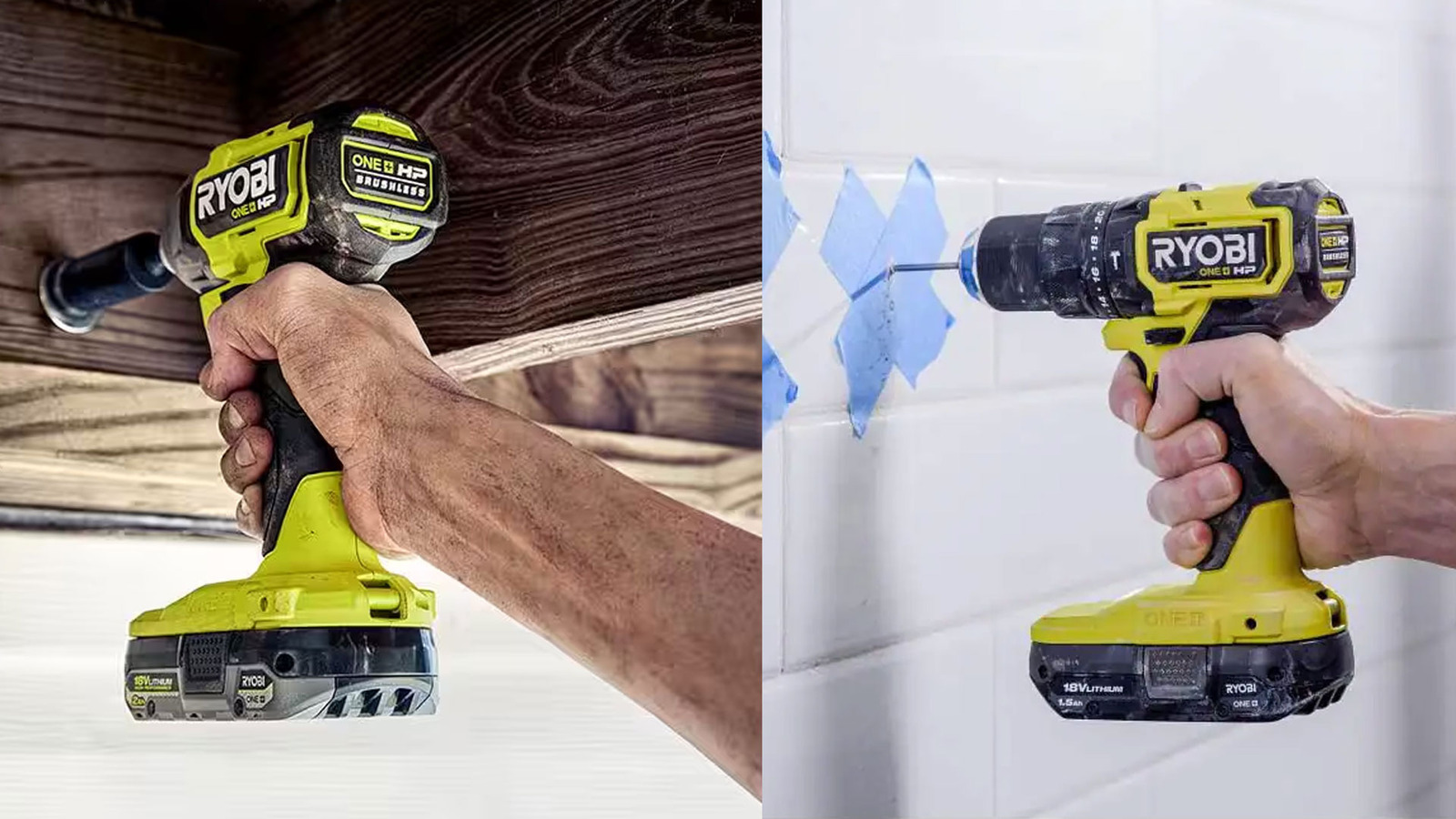
A hammer drill is a powerful tool designed to drill into hard materials like concrete, stone, or brick. It looks similar to a regular drill, but it has a special function: the drill bit moves forward and backward very quickly, as if “hammering” into the material while spinning. This action helps break up tough surfaces, allowing the bit to penetrate much more easily.
Hammer drills can be corded or cordless, and many brands, including Ryobi, make them. The biggest difference from a standard drill is the hammering mechanism. With the hammer function turned off, these drills can also work as regular drill/drivers.
Where Do You Need A Hammer Drill?
- Drilling into concrete walls to hang shelves or TV mounts.
- Making holes in brick for anchors.
- Working with stone or masonry for outdoor projects.
- Renovation jobs where tough materials are common.
If you try to use a regular Ryobi drill for these jobs, you might damage the drill or fail to make a proper hole. Hammer drills are built to handle the stress of hard surfaces.
Key Features Of Hammer Drills
- Hammering action to break up masonry
- Multiple modes (drill only, hammer drill)
- Heavier build for durability
- Side handle for extra control
- Higher torque for tough jobs
Modern hammer drills often let you switch between “hammer” and “normal” drilling. This makes them flexible for different projects.

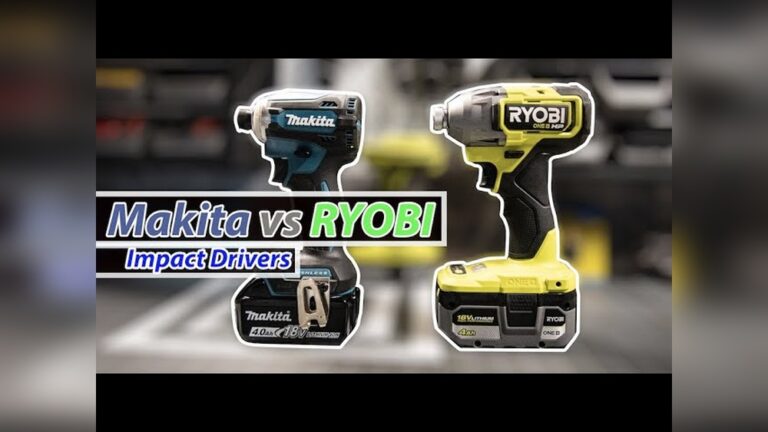
Credit: www.youtube.com
How Does A Ryobi Drill Differ From A Hammer Drill?
At first glance, the two tools may look similar, but their main differences affect how and where you use them. Let’s break down the distinctions.
Function
A Ryobi drill (standard model) is mainly for drilling and driving in soft materials. A hammer drill has an extra hammering motion for hard surfaces.
Power And Torque
Hammer drills are usually more powerful and have higher torque to handle tough materials. Ryobi’s standard drills focus on speed and control for lighter work.
Weight And Size
Hammer drills are heavier and larger due to the added mechanism and stronger build. Ryobi drills are lighter, making them easier to use for long periods.
Cost
Hammer drills cost more because of their advanced features. A standard Ryobi drill is often cheaper and is enough for most household tasks.
Bit Compatibility
Hammer drills can use masonry bits designed for concrete, while Ryobi drills use common twist or spade bits for wood and metal.
Here’s a quick side-by-side comparison:
| Feature | Ryobi Drill | Hammer Drill |
|---|---|---|
| Main Purpose | Wood, metal, plastic | Concrete, brick, stone |
| Hammer Function | No | Yes |
| Weight | Lighter | Heavier |
| Cost | Lower | Higher |
| Bit Type | Standard | Masonry |
When Should You Use A Ryobi Drill?
A Ryobi drill is perfect for most home projects. If you need to:
- Build furniture
- Hang pictures or shelves on drywall or wood
- Tighten or loosen screws
- Drill into thin metal or plastic
A standard Ryobi drill will do the job quickly and safely. It’s lightweight and comfortable for long use. The batteries last long enough for most DIY tasks, and the cost is friendly for beginners.
Practical Example
Suppose you want to hang a curtain rod on a drywall. A Ryobi drill can make pilot holes for anchors and drive the screws. It gives you enough control to avoid damaging the wall.
But if you try to mount the same rod on a concrete wall, you’ll notice the drill struggles or stops. This is where a hammer drill is needed.
When Should You Use A Hammer Drill?
You need a hammer drill when your project involves hard materials like:
- Concrete walls
- Brick facades
- Stone patios or walkways
Hammer drills make these jobs much faster and easier. Without the hammer action, you may spend hours trying to make one hole, and you might burn out your tool.
Practical Example
If you want to install a mailbox on a brick wall, a hammer drill with a masonry bit will punch through the surface in seconds. Using a regular drill will likely fail, and you could break the bit or the drill’s motor.
Pros And Cons Of Ryobi Drills
Choosing a Ryobi drill comes with several benefits, but also some limitations.
Pros
- Lightweight and easy to handle – Good for small hands or long tasks.
- Affordable – Costs less than most hammer drills.
- Battery compatibility – One+ system lets you use the same battery for many tools.
- Great for beginners – Simple controls and safety features.
Cons
- Not for masonry – Struggles with concrete, brick, or stone.
- Lower torque – Can stall in thick or dense material.
- Limited speed – Not as fast as pro-level tools for big jobs.
Pros And Cons Of Hammer Drills
Hammer drills offer power and flexibility, but they’re not for everyone.
Pros
- Handles hard materials – Drills through concrete and brick easily.
- Multiple modes – Can be used as a regular drill too.
- Durable build – Designed for heavy-duty work.
Cons
- Heavier and bulkier – Can be tiring for long use.
- More expensive – Higher cost than standard drills.
- Overkill for simple tasks – Too powerful for basic wood or drywall work.
Comparing Ryobi Drill Models Vs. Hammer Drill Models
Ryobi offers both standard drills and hammer drills. Let’s see how some popular models stack up.
| Model | Type | Max Torque | Weight | Hammer Action |
|---|---|---|---|---|
| Ryobi P215 | Drill/Driver | 340 in-lbs | 2.7 lbs | No |
| Ryobi P251 | Hammer Drill | 750 in-lbs | 3.1 lbs | Yes |
| Ryobi P252 | Hammer Drill | 500 in-lbs | 3.0 lbs | Yes |
| Ryobi P208 | Drill/Driver | 340 in-lbs | 2.5 lbs | No |
From the table, you’ll see hammer drills have much higher torque and are slightly heavier. This extra power is what lets them work on hard materials.
How To Choose: Ryobi Drill Or Hammer Drill?
Picking the right tool depends on the work you plan to do. Here’s how to decide:
- Check your main projects. If most of your work is on wood or drywall, a Ryobi drill is enough.
- Think about future needs. Will you ever need to drill into concrete or brick? If yes, consider a hammer drill.
- Budget. Hammer drills cost more, so only buy one if you need its extra power.
- Comfort. If you have small hands or prefer lightweight tools, a standard Ryobi drill is better.
- Bit compatibility. Make sure you buy the right bits for your tool. Masonry bits for hammer drills, standard bits for Ryobi drills.
Common Mistakes To Avoid
- Using the wrong bit. Don’t use wood bits in concrete, or masonry bits in soft materials.
- Overdriving screws. High torque can strip screws or damage material. Use the clutch to control depth.
- Ignoring battery life. Hammer drills use more power. Always have a spare battery for big jobs.
Non-obvious Insights: What Most Beginners Miss
- Hammer drills can switch modes. Many Ryobi hammer drills have a simple switch to go from “hammer” to “drill” mode. You don’t need two separate tools. Some beginners never realize this and buy extra equipment they don’t need.
- Proper bits matter more than drill power. Even the best hammer drill won’t work well if you use cheap or incorrect bits. Spend a little extra on high-quality masonry bits for hammer work and sharp twist bits for wood or metal. This extends the life of your drill and gives better results.
- Drilling technique is key. With hammer drills, let the tool do the work. Don’t force it—hold steady and apply gentle pressure. For Ryobi drills, pulse the trigger for control when starting, especially on slippery surfaces.
- Depth stops help accuracy. Both Ryobi and hammer drills often have a depth rod. Set it so you don’t drill too deep and damage wires or pipes behind walls.
- Battery choice makes a big difference. High-capacity (Ah) batteries last longer, especially for hammer drilling. Standard batteries may run out quickly during heavy-duty work.
Real-world Scenarios
Scenario 1: Installing A Bookshelf On A Brick Wall
You want to put up a heavy bookshelf in your living room, but the wall is brick. Using a Ryobi drill will likely lead to frustration. The bit will slip, the drill may overheat, and you may get nowhere. A hammer drill with a masonry bit, however, will let you finish the job in minutes, creating clean holes for anchors and screws.
Scenario 2: Building A Wooden Deck
For assembling the wooden parts, a Ryobi drill is perfect—lightweight and efficient for driving many screws. If you need to attach the deck to a concrete slab, though, you’ll need a hammer drill to make anchor holes.
Scenario 3: Hanging Curtains On Drywall
A Ryobi drill is all you need. It’s precise, safe, and won’t damage the wall if used correctly.
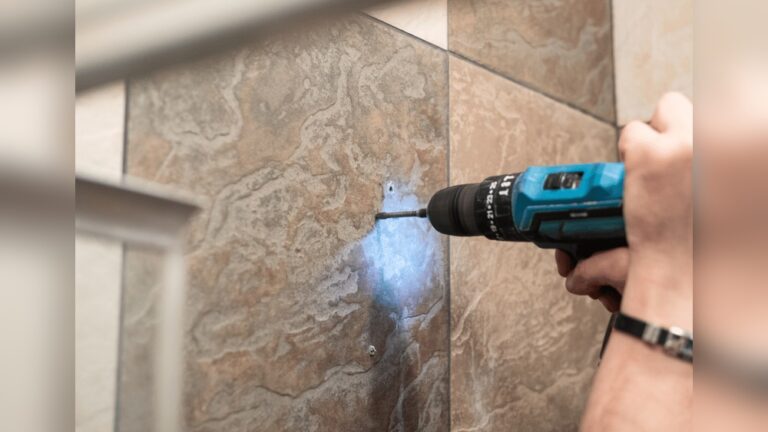
Scenario 4: Renovating A Bathroom With Tile Walls
Tiles are tough. A hammer drill, set to a low speed with a tile bit, can make holes for fixtures. With the hammer action off, it’s gentle enough for delicate surfaces. Beginners often forget to turn off the hammer mode for tiles—this can crack them easily.
Cost And Value: Which Is Worth Your Money?
For most DIY users, a Ryobi drill gives the best value. You get a quality tool for a low price, and it covers 80% of home tasks. If you live in an apartment or only do light repairs, there’s little reason to invest in a hammer drill.
A hammer drill is worth the extra cost if you plan to work on masonry, do home renovations, or need a tool that can handle anything. It’s also a smart choice if you want one tool for all jobs and don’t mind the extra weight.
Here’s a price comparison of typical models:
| Model | Type | Average Price (USD) |
|---|---|---|
| Ryobi P215 | Drill/Driver | $60–$80 (bare tool) |
| Ryobi P251 | Hammer Drill | $90–$120 (bare tool) |
Prices vary by retailer and whether batteries are included.

Credit: www.ryobitools.com
Safety Tips For Using Drills
No matter which drill you choose, follow these safety steps:
- Always wear safety goggles to protect your eyes from debris.
- Use hearing protection with hammer drills—they’re louder.
- Secure your workpiece to prevent slipping or spinning.
- Start slow to avoid bit slipping.
- Keep hands away from the spinning bit.
- Disconnect the battery or unplug the drill when changing bits.
Maintenance And Longevity
To make your drill last longer:
- Clean dust from vents after each use.
- Check and replace worn bits.
- Store batteries in a cool, dry place.
- Lubricate moving parts if recommended by the manual.
- Charge batteries regularly, but don’t overcharge.
Well-maintained tools are safer and more effective.
Environmental Impact
Cordless tools like Ryobi drills use rechargeable batteries. When replacing batteries, recycle them at approved centers. Never throw old batteries in the trash—this helps protect the environment.
Where To Learn More
If you want to read more about drill types and their uses, check out this Wikipedia page on drills for more details.
Credit: www.slashgear.com
Frequently Asked Questions
What Is The Main Difference Between A Ryobi Drill And A Hammer Drill?
The main difference is that a hammer drill adds a rapid hammering action to drill into hard materials like concrete or brick, while a Ryobi drill (standard model) is made for wood, metal, or plastic. Hammer drills are heavier, stronger, and cost more.
Can A Hammer Drill Be Used As A Regular Drill?
Yes. Most hammer drills let you turn off the hammer function, so you can use them as a standard drill/driver. This makes them flexible for different jobs.
Do I Need Special Bits For A Hammer Drill?
Yes. For drilling into concrete, brick, or stone, use masonry bits. Standard bits are for wood or metal. Using the wrong bit can damage your tool and ruin your project.
Are Ryobi Drills Good For Beginners?
Yes. Ryobi drills are easy to use, affordable, and have safety features that help new users. The One+ battery system is also convenient for people starting to build their tool collection.
What Should I Do If My Drill Gets Stuck In The Wall?
Stop drilling immediately. Put the drill in reverse and gently pull it out. If it won’t move, loosen your grip and wiggle the bit side to side. Never force the tool, or you could break the bit or damage the drill.
—
Choosing between a Ryobi drill and a hammer drill depends on your needs. If your projects are mostly wood, plastic, or light metal, the standard Ryobi drill is enough and will save you money. If you’ll face concrete, brick, or stone, invest in a hammer drill—you’ll save time and avoid frustration. Know your projects, pick the right tool, and you’ll enjoy better, faster results every time.