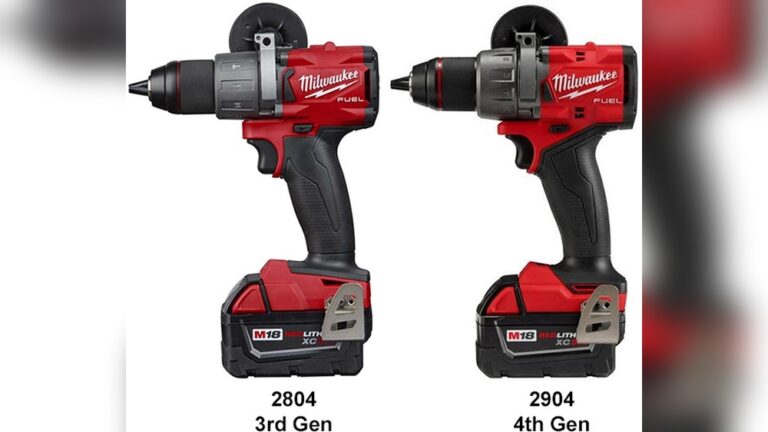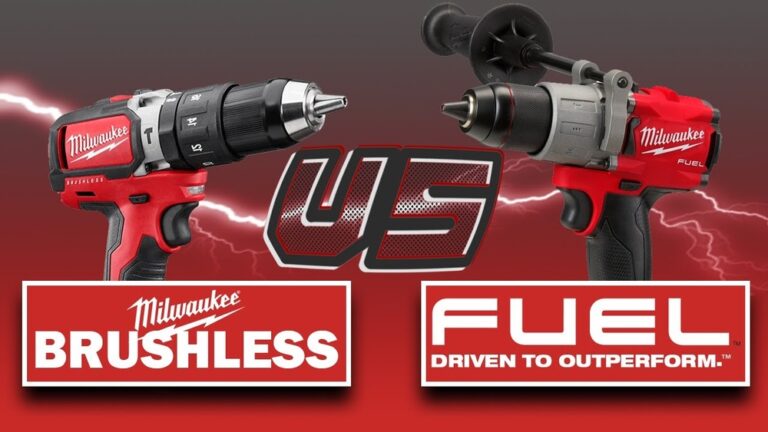
When you need to drill through tough materials, a hammer drill is often your best friend. But choosing between leading brands can be confusing, especially when you see two powerful names: Flex and Milwaukee. Both are well-known, both deliver strong performance, but which one is right for you? Whether you are a professional contractor or a home DIYer, understanding the real differences can help you make a smart choice. This article will explore every aspect of Flex Vs Milwaukee Hammer Drill, including build quality, performance, battery life, user experience, and even the small details that beginners often miss. By the end, you’ll have a clear idea which hammer drill fits your needs.
Brand Background: Flex And Milwaukee
Knowing the brands helps you understand what you’re buying. Milwaukee has been making tools for over 100 years, focusing mainly on professional-grade equipment. Their drills are known for reliability and innovation. Flex is newer in the power tool market but is gaining fast attention. Originally famous for their angle grinders, Flex now offers modern cordless tools with fresh designs and strong performance.
Milwaukee is recognized for their M18 Fuel series—these tools use advanced brushless motors and smart electronics. Flex, on the other hand, has positioned itself as a challenger, offering high-performance tools at competitive prices. Both brands promise durability, but their approach is different: Milwaukee leans on reputation and proven results, Flex aims for fresh technology and value.
Hammer Drill Basics: What Matters Most
A hammer drill is not just a regular drill. It combines rotation with a hammering action, allowing it to drill into concrete, brick, and stone. Key factors to consider include:
- Power output (measured in torque and RPM)
- Hammering rate (beats per minute)
- Battery life (for cordless models)
- Build quality
- Comfort and handling
- Extra features (LED lights, clutch settings, connectivity)
These points are essential. But there are also less obvious things: for example, how easy it is to change bits with gloves on, how balanced the tool feels in your hand, and how long the warranty lasts.
Core Performance Comparison
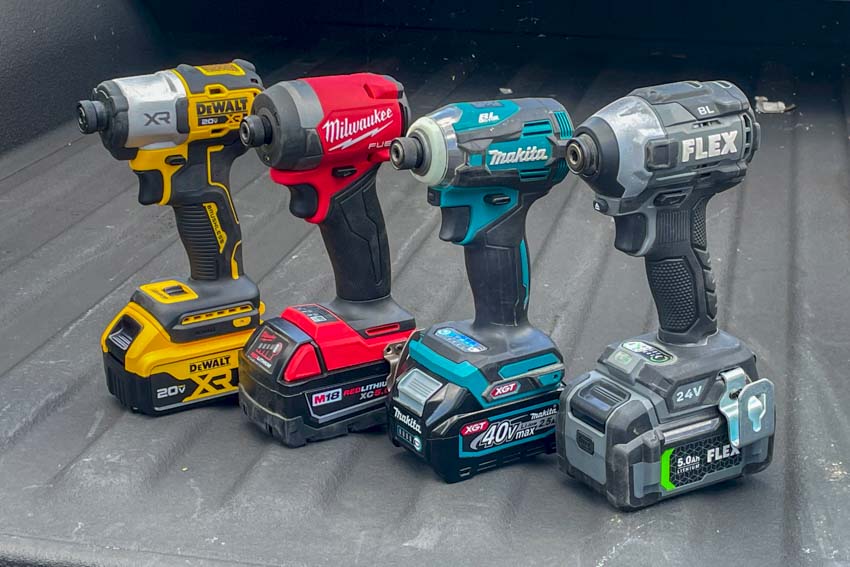
Let’s look closely at two top models: the Flex 24V Hammer Drill and the Milwaukee M18 Fuel Hammer Drill. These are among the most popular in each brand’s lineup.
| Feature | Flex 24V Hammer Drill | Milwaukee M18 Fuel Hammer Drill |
|---|---|---|
| Voltage | 24V | 18V |
| Max Torque | 1,400 in-lbs | 1,200 in-lbs |
| Max RPM | 2,000 | 2,000 |
| Hammering Rate | 32,000 BPM | 32,000 BPM |
| Weight (with battery) | 4.7 lbs | 4.5 lbs |
| Battery Type | 24V Lithium-ion | M18 Lithium-ion |
| Clutch Settings | 22 | 14 |
| LED Light | Yes | Yes |
| Warranty | 5 years | 5 years |
Both drills offer similar RPM and hammering rates, but Flex delivers more torque and has more clutch settings. This means Flex can handle tougher jobs and offers finer control. Milwaukee is slightly lighter, which can matter if you use the drill for long periods.
Battery Technology And Runtime
Cordless tools depend on their batteries. Flex uses a 24V lithium-ion system that can deliver more power per cell. Milwaukee’s M18 platform is very popular and offers many compatible tools.
One non-obvious insight: Flex’s higher voltage means better performance, but Milwaukee’s system is more mature, with more battery sizes and options. If you already own Milwaukee M18 tools, sharing batteries is a big advantage.
To compare battery runtimes, tests show the Flex 24V hammer drill can run about 30-40 minutes on heavy-duty tasks with a 2.5Ah battery. Milwaukee’s M18 Fuel hammer drill gives 25-35 minutes with a similar-sized battery. However, Milwaukee batteries are often easier to find in stores.
| Battery Size | Flex Runtime (minutes) | Milwaukee Runtime (minutes) |
|---|---|---|
| 2.5Ah | 35 | 30 |
| 5.0Ah | 70 | 60 |
Build Quality And Durability
Both brands use strong materials. Flex uses magnesium gear housing and reinforced plastics. Milwaukee is famous for its metal chuck and rugged design. In drop tests, both survive falls from about six feet onto concrete.
But here’s something beginners often overlook: Flex’s grip is slightly thicker, which can be uncomfortable for small hands. Milwaukee’s handle is slimmer, fitting a wider range of users. Also, Milwaukee’s chuck is easier to tighten with one hand.
Flex’s newer models sometimes feel less “broken in” out of the box—meaning the clutch and switches can be stiff for the first few uses. Milwaukee’s controls are smoother from the start.
Speed And Torque Control
Speed and torque control matter when you switch between materials. For example, drilling into wood requires less torque than concrete.
Flex offers 22 clutch settings, giving more precise control. Milwaukee has 14 settings, which are enough for most users but less flexible. Both have two speed ranges (low and high), but Flex’s lower gear delivers more torque. This is useful for large masonry bits or mixing thick materials.
A practical tip: If you often work with delicate screws or softer materials, Flex’s extra clutch settings help prevent over-driving and damage.
Hammering Action And Application
Hammer drills are mainly used for concrete and masonry. Both Flex and Milwaukee offer 32,000 BPM (beats per minute), which is strong enough for most jobs.
One insight: Real-world drilling speed is not just about BPM or torque. It’s also about how efficiently the tool transfers energy. Milwaukee’s hammer mechanism is slightly smoother, causing less vibration. This makes it easier to keep the bit straight and avoid fatigue.
Flex’s hammering feels more aggressive, which can be faster but harder to control for beginners. If you’re new to hammer drills, Milwaukee’s softer action may be more comfortable.
Ergonomics And Comfort
Using a hammer drill for hours can be tiring. Weight, balance, grip, and vibration all affect comfort.
Milwaukee is a bit lighter and has a softer rubber grip. Flex is heavier but offers a bigger trigger and more padding. Milwaukee’s handle shape fits smaller hands better, while Flex’s wider handle is ideal if you wear gloves.
A non-obvious tip: Flex’s LED light is brighter and positioned lower, helping in dark corners. Milwaukee’s light is dimmer but wider, illuminating a larger area.
Both drills are well-balanced, but Milwaukee feels “nimbler” because of its lighter weight. If you plan to work overhead, Milwaukee is easier to hold for long periods.
Extra Features And Technology
Both hammer drills offer modern extras. Common features include:
- LED work lights
- Belt clips
- Keyless chucks
- Brushless motors
- Variable speed triggers
Flex adds Kickback Control in newer models, which stops the drill if it binds in material. Milwaukee offers ONE-KEY™ connectivity in some models, allowing you to track and adjust tool settings with your phone.
If you like smart tools, Milwaukee’s ONE-KEY™ is unique. You can set torque limits, see usage history, and even lock your tool if stolen. Flex’s Kickback Control is very practical for safety, especially when drilling into unknown materials.
Price And Value
Price is a big factor for many buyers. Flex is often cheaper, especially if you buy combo kits. Milwaukee’s price is higher, reflecting its reputation and longer history.
Typical prices (as of mid-2024):
- Flex 24V Hammer Drill (bare tool): $130-$150
- Milwaukee M18 Fuel Hammer Drill (bare tool): $180-$210
Combo kits with batteries and chargers can cost $250-$350 for Flex and $350-$450 for Milwaukee.
However, Milwaukee’s tools hold their value better if you plan to resell. Flex’s warranty matches Milwaukee (5 years), so you are protected either way.
Real User Experience: Professionals Vs Diy
Professionals often choose Milwaukee because of its reliability and battery ecosystem. If you own other M18 tools, sharing batteries saves money and space. Milwaukee’s hammer drill is proven on job sites, with less downtime and fewer repairs.
Flex is popular with homeowners and new contractors. Its higher torque and lower price make it attractive. Some professionals are switching to Flex for its newer features, but most still trust Milwaukee for heavy daily use.
A practical insight: If you drill only occasionally, Flex is a great value. But if you depend on your drill every day, Milwaukee’s proven reliability is worth the extra cost.
Common Mistakes When Choosing
- Ignoring battery compatibility: If you already have Milwaukee batteries, buying a Flex drill means buying new batteries and chargers.
- Focusing only on torque: More torque is not always better. It can lead to stripped screws and harder handling.
- Overlooking grip size: Try holding both drills before buying. Comfort matters for long jobs.
- Not considering extra features: Smart features like ONE-KEY™ or Kickback Control can make a big difference.
- Assuming price equals quality: Flex offers high quality for less money, but Milwaukee’s value comes from proven performance.
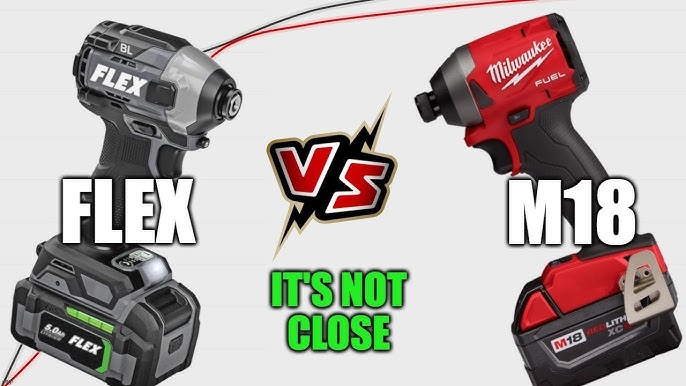
Credit: www.youtube.com
Expert Recommendations: Which Should You Buy?
If you want the latest technology, more torque, and a lower price, Flex is a smart choice. If you value reliability, battery compatibility, and smooth performance, Milwaukee is the safer bet.
Here’s a summary to help you decide:
| Need | Best Choice | Reason |
|---|---|---|
| Highest torque | Flex | More power for tough jobs |
| Best battery platform | Milwaukee | More compatible tools |
| Comfort for small hands | Milwaukee | Slimmer grip |
| Smart features | Milwaukee | ONE-KEY™ connectivity |
| Safety control | Flex | Kickback Control |
| Best resale value | Milwaukee | Strong reputation |
| Lowest price | Flex | More affordable |
Practical Tips For Using Hammer Drills
- Always use the correct drill bit for concrete or masonry.
- Start slow, then increase speed as the bit bites into material.
- Keep the drill perpendicular to the surface to avoid bit breakage.
- Wear safety glasses and gloves.
- Let the tool do the work—don’t force it.
One overlooked tip: Clean the air vents regularly. Hammer drills generate dust, which can clog motors and reduce lifespan.

Credit: www.youtube.com
Maintenance And Longevity
Both Flex and Milwaukee hammer drills are designed to last. But regular maintenance is important:
- Wipe down the tool after each use.
- Check battery contacts for dust.
- Oil the chuck occasionally.
- Store the drill in a dry place.
Flex’s heavier build means it can take more abuse, but Milwaukee’s metal chuck is less likely to wear out. Both brands offer easy-to-find replacement parts.
Environmental Impact And Sustainability
Milwaukee is making efforts to reduce waste with recyclable packaging and battery recycling programs. Flex is newer to the market, so their sustainability efforts are less visible, but their batteries are also recyclable.
If you care about environmental impact, Milwaukee’s wider recycling network is a plus. You can learn more from their official website: Milwaukee Environmental Sustainability.
Credit: www.protoolreviews.com
Final Thoughts
Choosing between Flex and Milwaukee hammer drills is not just about numbers or price. It’s about your needs, your existing tools, and the kind of work you do. Milwaukee offers proven reliability and a mature battery system, making it ideal for professionals and long-term users.
Flex gives you more torque, more settings, and a lower price—perfect for homeowners, new contractors, or anyone trying to get maximum value.
Before buying, consider how often you’ll use the drill, what other tools you have, and whether extra features like smart connectivity or safety controls matter to you. Either way, both brands make strong, reliable hammer drills that can handle tough jobs.
The right choice depends on your priorities.
Frequently Asked Questions
Is The Flex Hammer Drill More Powerful Than Milwaukee?
Yes, the Flex hammer drill usually delivers more torque than the Milwaukee M18 Fuel hammer drill. This means Flex can handle tougher materials and bigger drill bits. However, Milwaukee’s performance is smoother and more consistent, especially during long jobs.
Can I Use Milwaukee Batteries In Flex Tools?
No, Milwaukee batteries are not compatible with Flex tools. Each brand uses its own battery system and connectors. If you already own Milwaukee tools, staying with Milwaukee lets you share batteries between devices.
Which Hammer Drill Is Better For Beginners?
Both are good, but Milwaukee is often easier for beginners due to its lighter weight and softer hammering action. Flex’s higher torque can be harder to control for new users, but it offers more settings for precise work.
Do Both Drills Have Smart Features?
Milwaukee offers ONE-KEY™ smart features in some models, letting you track and adjust tool settings with your phone. Flex has Kickback Control for safety. Smart features are only available in select models, so check before buying.
How Long Do The Batteries Last On Each Drill?
With a standard battery, Flex hammer drills last about 35 minutes under heavy use, while Milwaukee lasts about 30 minutes. Larger batteries provide longer runtime. Real-world battery life depends on the task and drilling speed.
Choosing between Flex and Milwaukee comes down to your priorities. Both offer strong tools, but understanding the details helps you make the best decision for your needs.