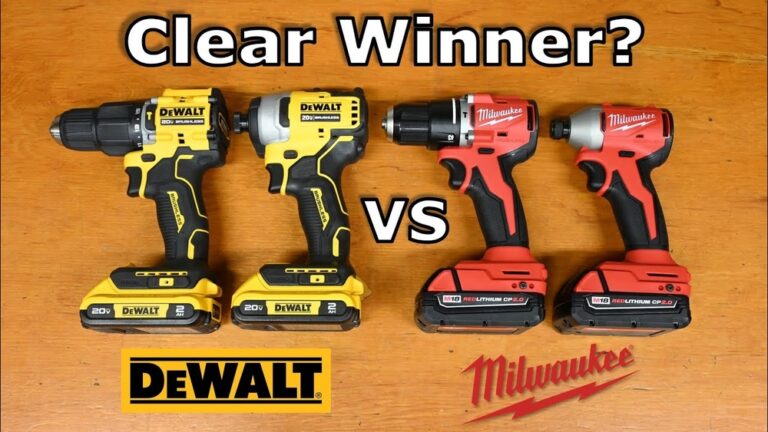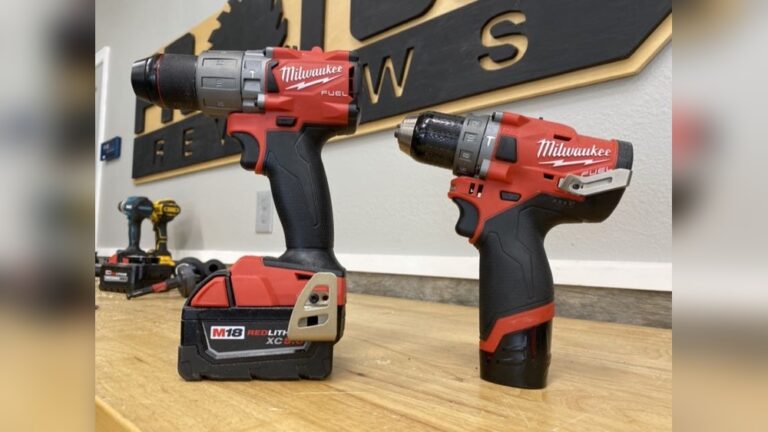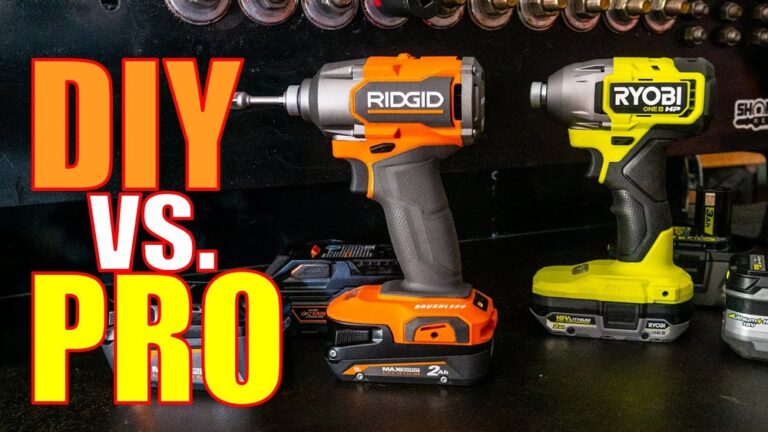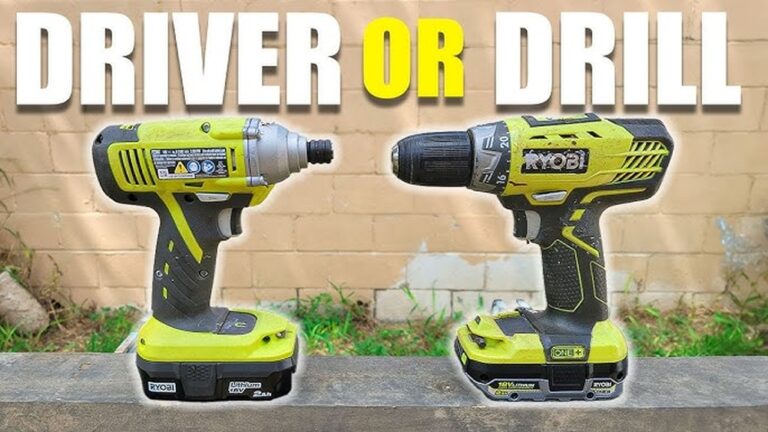
If you have ever shopped for a power drill, you probably noticed there are many types, but two names come up often: Milwaukee drill and hammer drill. These tools might look similar, but they work in different ways and are used for different jobs. Whether you are a DIY enthusiast, a homeowner, or a professional, understanding the differences between these drills can help you choose the right tool. This guide takes a practical approach to compare Milwaukee drills and hammer drills, explains their key features, and helps you decide which one suits your needs best.
Understanding Milwaukee Drills
Milwaukee is a well-known brand in the world of power tools. Their drills are used by both professionals and hobbyists for many reasons. Let’s look at what makes Milwaukee drills unique.
What Is A Milwaukee Drill?
A Milwaukee drill is a general-purpose cordless or corded drill made by Milwaukee Tool. Milwaukee offers many models, but most are known for their reliability, strong motors, and durable build. These drills are often used for:
- Drilling holes in wood, metal, and plastic
- Driving screws
- Light-duty tasks around the home or worksite
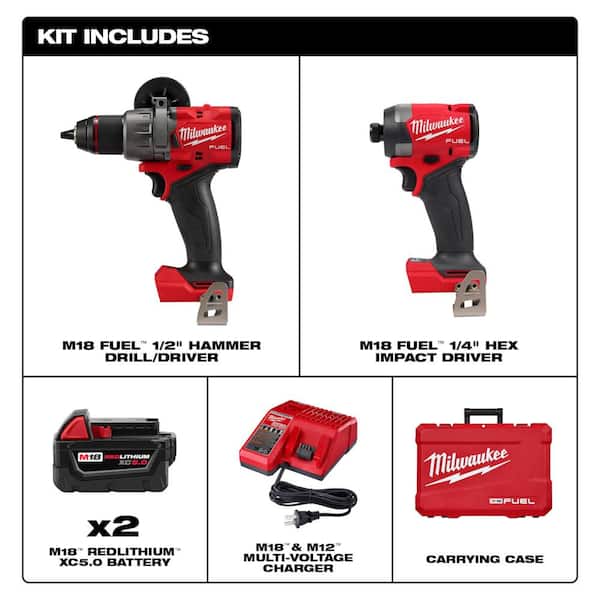
Milwaukee drills are not limited to one type. You will find compact drills, drill/drivers, and impact drills in their lineup.
Key Features Of Milwaukee Drills
- RedLink Plus™ Intelligence – Many Milwaukee drills include advanced electronics that protect the tool from overload and overheating.
- Brushless Motors – Most newer models use brushless motors, which last longer and need less maintenance.
- Battery Technology – Milwaukee’s M18™ and M12™ systems use lithium-ion batteries that charge fast and deliver consistent power.
- Ergonomic Design – The grip and weight balance are designed for comfort, reducing fatigue during long jobs.
- Variable Speed Controls – You can adjust the speed for different materials or tasks.
Common Uses
Milwaukee drills are perfect for:
- Building furniture
- Installing shelves
- DIY repairs
- Professional construction work (light duty)
They are not ideal for heavy masonry or concrete work. If you try to drill into brick or stone with a regular Milwaukee drill, the progress will be slow and the bit may get damaged.
Milwaukee Drill Models
Some of the most popular Milwaukee drill models include:
- Milwaukee M18 Drill/Driver – Good for everyday drilling and screw driving.
- Milwaukee M12 Drill/Driver – Compact for tight spaces and light tasks.
- Milwaukee Fuel Drill – High performance with brushless motor and longer battery life.
Each model has a slightly different purpose, but all are built with Milwaukee’s focus on durability and performance.
What Is A Hammer Drill?
A hammer drill is a special type of power drill designed for tough jobs. It looks similar to a regular drill but adds a hammering action. This action lets you drill into hard materials like concrete, brick, and stone.
How Does A Hammer Drill Work?
While a standard drill turns the bit in a circle, a hammer drill also moves the bit forward and backward rapidly, like a hammer hitting a nail. This “hammering” helps break up hard materials so the bit can dig deeper.
- Rotational movement – Like a regular drill.
- Hammering action – The chuck moves back and forth, delivering thousands of blows per minute.
This dual action makes hammer drills much more powerful for masonry work.
Key Features Of Hammer Drills
- Hammer Mode – Can be switched on or off. In hammer mode, the drill both spins and hammers.
- Higher Power Output – Usually stronger motors to handle tough jobs.
- Sturdy Construction – Built with tougher materials for durability.
- Depth Stop – Lets you control how deep the drill goes.
- Side Handle – Extra handle for better grip and stability.
Common Uses
Hammer drills are ideal for:
- Drilling holes in concrete walls
- Installing anchors in brick
- Working with stone or masonry
- Heavy-duty construction
They are not needed for light tasks like driving screws or drilling into wood.
Hammer Drill Models
Hammer drills come in many brands, but Milwaukee also makes hammer drills. Other popular brands include Bosch, DeWalt, and Makita.
- Milwaukee M18 Hammer Drill – Combines hammer mode with Milwaukee’s battery technology.
- DeWalt 20V Hammer Drill – Good for concrete and masonry.
- Bosch Bulldog Xtreme – Popular rotary hammer for serious jobs.
Milwaukee Drill Vs Hammer Drill: Key Differences
Now that you know what each tool is, let’s compare them directly. This section breaks down their differences in function, design, and uses.
| Feature | Milwaukee Drill | Hammer Drill |
|---|---|---|
| Primary Purpose | General drilling & screw driving | Masonry & concrete drilling |
| Hammering Action | No (except combo models) | Yes (can be switched on/off) |
| Power Output | Medium (good for wood, metal) | High (designed for tough materials) |
| Weight | Light to medium | Medium to heavy |
| Typical Bit Types | Twist, spade, driver bits | Masonry, concrete, SDS bits |
| Cost | $80–$180 (average) | $100–$250 (average) |
| Battery Life | Long (for normal tasks) | Shorter (when hammering) |
| Noise Level | Low to moderate | High (especially in hammer mode) |
Function And Performance
The main difference is the hammering action. Milwaukee drills are great for everyday tasks, but they struggle with masonry. Hammer drills shine when drilling into hard surfaces.
Milwaukee does offer combo models (drill/hammer drill), but pure hammer drills are built for heavy-duty jobs.
Design And Comfort
Milwaukee drills are often lighter and easier to handle. Hammer drills are heavier because they need to withstand tough tasks and have extra parts for hammering.
Hammer drills usually have a side handle for stability, which is rarely seen on standard Milwaukee drills.
Cost And Value
Hammer drills cost more due to their extra features. If you only need to drill wood or metal, a Milwaukee drill is a better value. If you work with concrete or brick, the higher price of a hammer drill is justified.
Battery Life And Noise
Hammer drills drain batteries faster, especially in hammer mode. They are also louder, which can be a problem in quiet environments.
When Should You Use Each Tool?
Choosing between a Milwaukee drill and a hammer drill depends on the job. Here are some common scenarios:
- Home repairs (wood, metal, plastic): Milwaukee drill is ideal. Lightweight and versatile.
- Installing shelves in concrete wall: Hammer drill is necessary. Milwaukee drill won’t penetrate concrete easily.
- Building furniture: Milwaukee drill is perfect. Hammer drill is overkill.
- Mounting outdoor lights on brick: Hammer drill will save time and effort.
- General DIY projects: Milwaukee drill is more comfortable and easier to use.
If you often work with both wood and masonry, consider a Milwaukee hammer drill/driver. This combo tool gives you both options.
Milwaukee Hammer Drill: A Hybrid Solution
Milwaukee has created tools that combine the best of both worlds. Their hammer drill/driver models let you switch between standard drilling and hammer drilling.
Features Of Milwaukee Hammer Drill/driver
- Switchable Modes: Easy to change from drilling to hammer mode.
- Brushless Motor: Longer life and more power.
- Compact Design: Not as bulky as traditional hammer drills.
- M18™ Battery System: Reliable power for tough jobs.
- LED Light: Helps you see in dark areas.
Advantages
- You don’t need two separate tools.
- Good for users who do a mix of tasks.
- Saves space in your toolbox.
Limitations
- Combo models are not as powerful as full-size hammer drills.
- Battery drains faster in hammer mode.
- May not be suitable for heavy commercial use.
Comparing Popular Models
Let’s look at two popular models: Milwaukee M18 Drill/Driver and Milwaukee M18 Hammer Drill/Driver.
| Specification | M18 Drill/Driver | M18 Hammer Drill/Driver |
|---|---|---|
| Max Torque | 500 in-lbs | 725 in-lbs |
| Hammer Function | No | Yes |
| Weight (with battery) | 3.4 lbs | 3.6 lbs |
| Max RPM | 1800 | 2000 |
| Price | $120 | $160 |
The hammer drill is more powerful but slightly heavier and more expensive. For tough jobs, the extra power is worth the cost.
Pros And Cons
Understanding the strengths and weaknesses of each tool helps you make a better decision.
Milwaukee Drill
Pros:
- Lightweight and easy to use
- Great battery life
- Versatile for many tasks
- Lower cost
Cons:
- Not suitable for concrete or brick
- Less powerful for heavy-duty jobs
Hammer Drill
Pros:
- Can drill into masonry and stone
- Stronger motor
- Durable build
Cons:
- Heavier and louder
- Shorter battery life
- Higher price
Choosing The Right Drill For Your Needs
To make the best choice, consider these factors:
1. Type Of Material
Think about what you will drill most often. If it’s wood or metal, a Milwaukee drill is enough. If you need to work with concrete or brick, go for a hammer drill.
2. Frequency Of Use
If you use a drill daily or for tough jobs, invest in a hammer drill. For occasional tasks, a Milwaukee drill is more comfortable.
3. Budget
Hammer drills are more expensive. Don’t pay for features you won’t use. Milwaukee drills offer good value for most homeowners.
4. Portability
Milwaukee drills are smaller and lighter, which is important if you move around a lot.
5. Battery System
If you already own Milwaukee tools, sticking with their battery system saves money and hassle.
6. Noise Sensitivity
Hammer drills are loud. If you work in quiet environments, this matters.
7. Tool Longevity
Hammer drills are built for rough use. If you need a tool that lasts under heavy stress, choose a hammer drill.
Common Mistakes When Choosing
Many buyers make mistakes when selecting their drill:
- Buying too much power: If you don’t need to drill concrete, you don’t need a hammer drill.
- Ignoring weight: Heavy tools cause fatigue. Choose the lightest tool that meets your needs.
- Overlooking battery compatibility: Mixing brands can be costly. Stick with one battery system.
- Misjudging noise: Hammer drills are loud. Consider your environment.
- Skipping research: Check reviews and specs before buying.
Real-world Examples
Let’s see how these tools perform in real situations.
Example 1: Renovating A Kitchen
You need to install cabinets and shelves. Most tasks involve wood and drywall. A Milwaukee drill is perfect. It’s light, reliable, and easy to maneuver.
Example 2: Installing A Fence In Concrete
You must anchor posts into a concrete base. A hammer drill is essential. Without the hammering action, the job will be slow and frustrating.
Example 3: Building A Deck
Most drilling is into wood, but you need to attach some brackets to brick. A Milwaukee hammer drill/driver gives you both options.
Example 4: Professional Masonry Work
You drill into concrete every day. A heavy-duty hammer drill is a must. Milwaukee, DeWalt, or Bosch offer models designed for this work.
Credit: www.homedepot.com
Comparing User Experiences
People often share their experiences online. Here’s what some users say:
- “My Milwaukee drill handles all my home repairs. It’s lightweight and the battery lasts forever.”
- “I tried drilling into brick with my regular Milwaukee drill. It didn’t work. Switched to a hammer drill and finished in minutes.”
- “The Milwaukee hammer drill/driver is the best of both worlds. I use it for wood and masonry. It’s powerful and easy to use.”
These stories show that the right tool makes the job easier and faster.
Technical Specifications: What To Look For
Understanding specs helps you compare models:
- Voltage: Higher voltage means more power. Milwaukee M18 (18V) is stronger than M12 (12V).
- Torque: Important for driving screws and drilling tough materials.
- RPM: Higher RPM means faster drilling.
- BPM (Blows Per Minute): Hammer drills list BPM. More blows means faster drilling in masonry.
- Chuck Size: 1/2” chucks accept larger bits. 3/8” are for smaller jobs.
- Battery Capacity: Measured in Ah (amp-hours). Higher Ah means longer run time.
Check these specs before buying.
| Specification | Milwaukee M18 Drill | Milwaukee M18 Hammer Drill |
|---|---|---|
| Voltage | 18V | 18V |
| Max Torque | 500 in-lbs | 725 in-lbs |
| Chuck Size | 1/2” | 1/2” |
| BPM | N/A | 32,000 |
| Battery | M18 Lithium-Ion | M18 Lithium-Ion |

Credit: www.youtube.com
Maintenance And Safety Tips
Taking care of your drill ensures it lasts longer and works safely.
- Clean the tool after use: Dust and debris can clog vents.
- Check the battery: Store batteries in a cool, dry place.
- Use correct bits: Wrong bits damage the tool and reduce performance.
- Wear safety gear: Always use goggles and hearing protection, especially with hammer drills.
- Let the tool cool: Don’t overheat the motor. Take breaks during tough jobs.
Beginners often forget to check the depth stop or use the wrong bit for masonry. These mistakes cause poor results and damage the tool.
Advanced Insights Beginners Miss
- Hammer drills are not impact drivers: Impact drivers use a twisting force for driving screws. Hammer drills are for drilling, not driving. Don’t confuse the two.
- Use slow speed for masonry: Fast speed heats up the bit. Use slow speed in hammer mode for best results.
- Anchoring in masonry: Always use the correct anchor type. Plastic anchors work for light loads, but use metal for heavy-duty jobs.
Many beginners believe that a hammer drill can replace all other drills. In fact, hammer drills are heavier and less comfortable for light tasks. It’s better to own both if you need versatility.
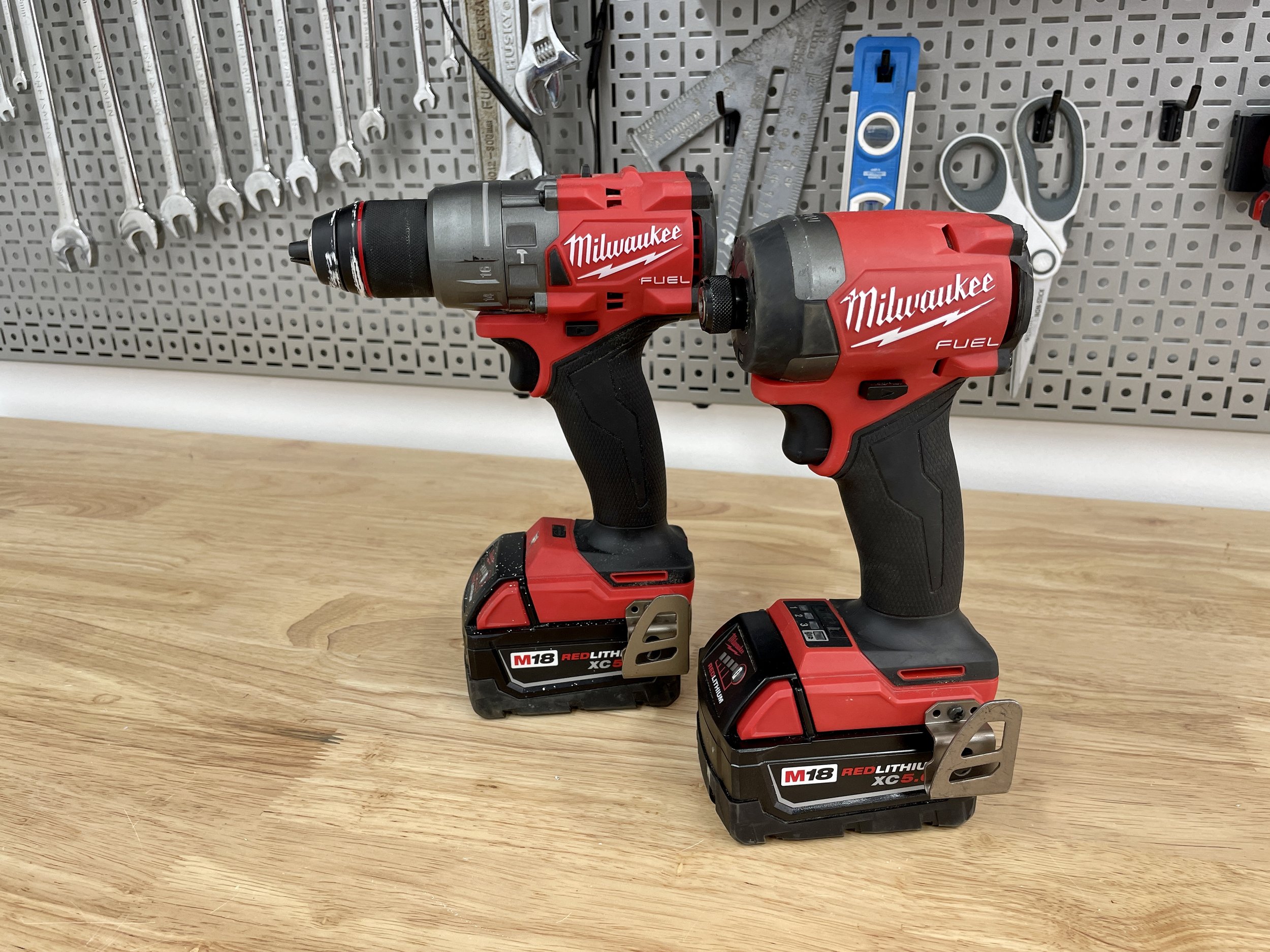
Credit: www.johnbuildsit.com
Environmental And Power Considerations
Cordless models are convenient, but corded hammer drills offer unlimited power for big jobs. If you work far from outlets, cordless is easier. However, corded drills never run out of battery and are cheaper.
Battery recycling is important. Milwaukee offers programs for safe disposal. Always recycle old batteries to protect the environment.
One Reliable Source
For more detailed comparisons and technical information, visit the official Milwaukee Tool website: Milwaukee Tool.
Frequently Asked Questions
What Is The Main Difference Between A Milwaukee Drill And A Hammer Drill?
The main difference is the hammering action. A Milwaukee drill is used for general drilling and screw driving, while a hammer drill adds a rapid hammer motion that lets you drill into hard materials like concrete and brick.
Can I Use A Milwaukee Drill To Drill Into Concrete?
A standard Milwaukee drill is not designed for concrete. You need a hammer drill or a Milwaukee hammer drill/driver for masonry. Without the hammering action, progress will be slow and the bit may get damaged.
Are Milwaukee Hammer Drills As Powerful As Other Brands?
Milwaukee hammer drills are competitive with other brands like DeWalt and Bosch. Their brushless motors and M18 battery system deliver strong performance for most masonry jobs.
How Do I Know Which Drill Bit To Use?
For wood and metal, use twist bits or spade bits. For concrete or brick, use masonry bits. Always check the bit type and size for your tool and material.
Is It Better To Buy A Combo Drill Or Separate Tools?
If you do a mix of tasks, a combo hammer drill/driver is convenient. For heavy masonry work, a dedicated hammer drill is best. For light jobs, a standard Milwaukee drill is more comfortable.
Selecting the right drill depends on your needs, budget, and the materials you work with. Understanding these differences helps you work faster, safer, and more efficiently. Whether you choose a Milwaukee drill, a hammer drill, or a combo tool, the right tool makes all the difference.