Makita Vs Ryobi Cordless Drill: A Complete, Honest Comparison
Choosing the right cordless drill can feel overwhelming, especially when you’re comparing two big names like Makita and Ryobi. Both brands offer a huge range of drills, and each claims to give you power, reliability, and value. But which one is really the better choice for you? Whether you’re a DIY enthusiast, a homeowner, or a professional, knowing the real differences can save you time, money, and frustration.
This guide will break down everything you need to know about Makita vs Ryobi cordless drills. We’ll compare features, performance, price, battery life, user experience, and more. You’ll see clear tables, get practical advice, and discover insights most buyers miss. By the end, you’ll be ready to choose with confidence.
Brand Overview: Makita And Ryobi
Before diving into the details, let’s look at who these brands are and what they stand for.
Makita is a Japanese company known for its professional-grade tools. Founded in 1915, Makita has built a reputation for high-quality engineering, reliability, and innovation. Their products often target tradespeople and contractors who want tools that last under heavy use.
Ryobi is part of Techtronic Industries, a global company that also owns Milwaukee and AEG. Ryobi is famous for making affordable, accessible tools for homeowners and DIYers. Their One+ battery system is especially popular, allowing you to use one battery for dozens of tools.
The key difference is that Makita aims for professional performance and durability, while Ryobi focuses on value and convenience.
Core Differences Between Makita And Ryobi Cordless Drills
If you look beyond marketing, you’ll notice these main differences:
- Target Users: Makita is built for pros; Ryobi is for DIY and light trade.
- Price: Makita drills cost more, but offer better build and power. Ryobi is budget-friendly.
- Battery Platform: Both use lithium-ion batteries, but Makita’s are more advanced.
- Warranty: Ryobi often has longer warranties for consumer tools.
- Design: Makita drills tend to be lighter and more compact.
- Innovation: Makita often brings new tech to market first.
Let’s dig into each of these areas.
Drill Lineups And Popular Models
Both brands offer a wide range of cordless drills. Here are some of the most popular models:
Makita
- Makita XFD131: 18V LXT Lithium-Ion Cordless 1/2″ Driver-Drill Kit
- Makita XPH12Z: 18V LXT Brushless Hammer Driver-Drill
- Makita FD07R1: 12V Max CXT Lithium-Ion Brushless Cordless Driver-Drill Kit
Ryobi
- Ryobi P215: 18V One+ Cordless 1/2″ Drill/Driver
- Ryobi P1813: 18V One+ Hammer Drill/Driver Kit
- Ryobi P252: 18V One+ Brushless Drill/Driver
These models are best-sellers, but Makita’s range is more focused on pros, while Ryobi’s is broader for home users.
Power And Performance
One of the main reasons people choose Makita is power. Their drills often deliver higher torque, faster RPM, and better consistency under load. Ryobi drills are strong enough for most home projects, but they rarely match Makita’s top-end output.
Here’s a direct comparison of two similar models:
| Feature | Makita XFD131 | Ryobi P215 |
|---|---|---|
| Voltage | 18V | 18V |
| Max Torque | 440 in-lbs | 340 in-lbs |
| No-Load Speed | 0-500 / 0-1900 RPM | 0-450 / 0-1750 RPM |
| Clutch Settings | 21 | 24 |
| Weight (with battery) | 3.8 lbs | 3.1 lbs |
Makita drills often have higher torque. This means they can drive bigger screws or drill larger holes without bogging down. For tasks like mixing drywall mud or drilling into hardwood, this extra power matters.
Ryobi drills are strong enough for most wood, plastic, and light metal jobs. For heavy-duty work, though, you may notice them struggling.

Credit: www.popularmechanics.com
Battery Systems And Compatibility
Both brands use lithium-ion batteries, but their systems are quite different.
Makita’s Lxt And Cxt Battery Platforms
- LXT (18V): Used in most Makita cordless tools, including drills, saws, and even outdoor equipment.
- CXT (12V): For compact, lightweight tools.
Makita’s batteries are known for fast charging, long life, and built-in protection against overloading and overheating. They offer batteries from 1.5Ah up to 6.0Ah, giving you options for weight and runtime.
Ryobi’s One+ System
Ryobi’s One+ battery system is unique because it’s backward compatible. You can use an old battery in a new tool, and vice versa. Their 18V batteries power over 260 tools, including fans, lawnmowers, and lights.
Battery capacity ranges from 1.5Ah to 9.0Ah. Ryobi batteries are not quite as advanced as Makita’s, but they are cheaper and widely available.
Insider Tip: Many new users overlook the importance of battery amp hours (Ah). Higher Ah means longer use per charge, but also more weight.
Build Quality And Durability
Makita wins for build quality. Their drills use higher-grade plastics, better rubber overmolds for grip, and all-metal gears in many models. Drop a Makita drill from a ladder, and it often survives with just a scratch.
Ryobi’s build quality is decent, but you’ll notice more plastic in key stress areas. For regular home use, this is fine. If you plan to use your drill every day, Makita’s durability will save you headaches.
Non-Obvious Insight: For jobs in cold or wet conditions, Makita’s weather-resistant designs hold up better. Ryobi’s tools are not rated for harsh environments.
Ergonomics And User Experience
Comfort matters more than people think. A drill that’s too heavy or unbalanced can tire your wrist and slow you down.
Makita Ergonomics
Makita drills are well-balanced, with comfortable grips that fit smaller and larger hands. Their triggers are smooth, and the LED lights are bright but not blinding. Many pros say Makita drills “just feel right” even after hours of use.
Ryobi Ergonomics
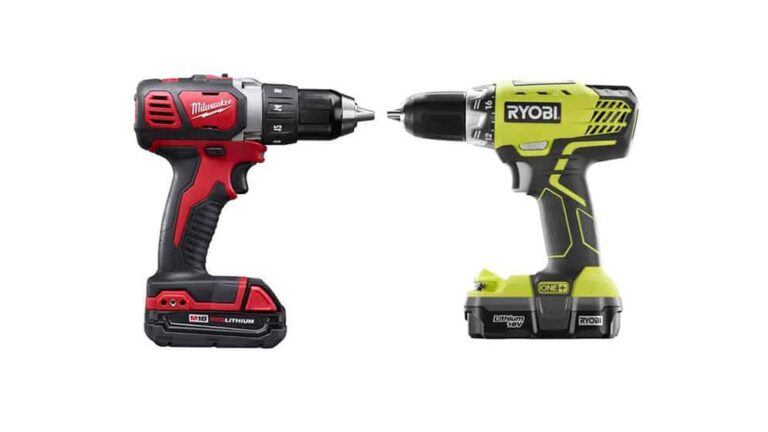
Ryobi drills tend to be a bit bulkier, but they are also lighter in weight. The grip shape is basic but works for most users. One advantage: Ryobi often includes a built-in magnetic tray for holding screws, a feature Makita lacks.
Practical Tip: If you have small hands, try holding both brands in-store. Makita is usually slimmer and easier to control for detailed work.
Features And Technology
Both Makita and Ryobi pack their drills with features, but Makita is usually a step ahead in technology.
Makita Features
- Brushless Motors: More power, less heat, longer life.
- Star Protection Computer Controls: Prevents overload, overheating, and over-discharge.
- Extreme Protection Technology (XPT): Dust and water resistance for tough job sites.
- All-Metal Gears: Smoother operation and longer life.
Ryobi Features
- Brushless Motors: Available on higher-end models.
- LED Worklight: Standard on most models.
- 24 Clutch Settings: More control for different materials.
- Belt Clip and Bit Holder: Handy for DIYers.
Non-Obvious Insight: Makita’s “Star Protection” is not just marketing—it actively communicates between the battery and tool to prevent early failure. Ryobi’s system is simpler, which can mean shorter tool life if abused.
Price And Value
Price is often the deciding factor for buyers.
- Makita drills usually cost $100–$200 for a kit with a battery and charger.
- Ryobi drills are $50–$120 for similar kits.
Why the difference? With Makita, you pay for more power, better materials, and pro-level reliability. With Ryobi, you get great value for home use, plus savings if you already own One+ batteries.
Common Mistake: Some buyers think a cheap drill will last forever. If you plan to use your drill for heavy work or every week, Makita’s higher price pays off in lower repair and replacement costs.
Accessories And Expansion
Both brands offer a huge range of compatible tools. But there are differences:
- Makita’s 18V LXT platform includes over 275 tools, from drills to angle grinders to vacuums.
- Ryobi’s One+ system has over 260 tools, including unique items like glue guns, fans, and even pool vacuums.
If you want to build a full tool collection, both brands are strong. However, Makita focuses more on trade tools, while Ryobi offers more for hobbies and home improvement.
Pro Tip: Check which brand your friends or family use. Sharing batteries and chargers can save money.
Warranty And Customer Support
Warranty coverage can be a deal-breaker, especially for DIYers.
- Makita: 3-year limited warranty on tools and batteries.
- Ryobi: 3-year limited warranty on tools, but some kits (especially Home Depot exclusives) offer longer coverage. Batteries typically have a 2-3 year warranty.
Customer service is solid for both brands, but Ryobi’s partnership with Home Depot means easier access to in-store support and returns.
Non-Obvious Insight: Register your tools online after purchase. This speeds up warranty claims and sometimes unlocks extra coverage.
Real-world User Experiences
What do real users say? Feedback from forums, reviews, and job sites reveals these common themes:
- Makita: “Lasts for years, even with daily use.” “Never bogs down on tough jobs.” “More expensive, but worth it if you use tools often.”
- Ryobi: “Great for home projects.” “Lots of options for the price.” “Don’t expect pro performance, but perfect for DIY.”
One area where Ryobi shines: their wider variety of non-drill tools. If you want a cordless glue gun, fan, or inflator, Ryobi’s One+ system is hard to beat.
Head-to-head: Makita Vs Ryobi Brushless Drill Kits
For a fair, side-by-side look, let’s compare two popular brushless kits:
| Kit | Makita XFD131 | Ryobi P252 |
|---|---|---|
| Motor Type | Brushless | Brushless |
| Battery Included | 3.0Ah | 1.5Ah |
| Max Torque | 440 in-lbs | 370 in-lbs |
| Speed Settings | 2 | 2 |
| LED Light | Yes | Yes |
| Weight | 3.8 lbs | 3.0 lbs |
| Price (approx.) | $130–$160 | $99–$120 |
Makita’s kit offers more torque and a larger battery, but Ryobi is lighter and cheaper. Both are solid for everyday drilling and driving, but Makita handles heavier jobs better.
When To Choose Makita
Makita is the better choice if:
- You use your drill every day or for heavy-duty jobs.
- You want maximum reliability and long tool life.
- You need more power, torque, or advanced features.
- You plan to build a set of pro-grade tools.
Makita’s higher price gives you peace of mind, better resale value, and fewer interruptions on the job.
When To Choose Ryobi
Ryobi is the better choice if:
- You’re a DIYer, homeowner, or casual user.
- You want to get started with a low upfront cost.
- You want a wide range of unique, affordable tools (fans, glue guns, etc. ).
- You already own One+ batteries.
Ryobi makes it easy to expand your tool collection without spending a fortune. For most home repairs and weekend projects, their drills are more than enough.
Common Buyer Mistakes
- Ignoring Battery Compatibility: Mixing brands means buying extra chargers and batteries.
- Overestimating Needs: Many DIYers buy pro tools they’ll never use to full potential.
- Choosing by Price Alone: Saving $50 today can cost more if a cheap drill wears out fast.
- Not Checking Local Support: Warranty service varies by region. Check before buying.
- Skipping Reviews: Real-world feedback can reveal issues that specs don’t show.
Example Projects: Which Brand Wins?
- Building a Deck: Makita’s torque and endurance make the job smoother.
- Assembling Furniture: Ryobi’s light weight and clutch settings are perfect.
- Drilling Into Masonry: Makita’s hammer drills are more powerful and last longer.
- Hanging Curtains or Shelves: Ryobi is light, easy, and affordable.
Environmental And Battery Recycling
Both brands now focus more on battery recycling and eco-friendly manufacturing. Makita has programs for returning old batteries, and Ryobi encourages recycling through major retailers.
Tip: Never throw lithium-ion batteries in regular trash. Ask your local store or recycling center for proper disposal.
Credit: www.protoolreviews.com
Expert Recommendations
- For Pros: Choose Makita if you need tools that perform under pressure and last for years.
- For Homeowners: Ryobi offers unbeatable value, especially if you want to buy multiple tools over time.
- For Beginners: Start with Ryobi unless you have a specific, heavy-duty need.
Where To Buy
Makita and Ryobi are sold at most hardware stores and online. Ryobi is exclusive to Home Depot in the US, while Makita is available everywhere.
For official specifications and more details, visit each brand’s site or check the Consumer Reports Power Drill Guide.

Credit: www.youtube.com
Frequently Asked Questions
Is Makita Really Worth The Higher Price Compared To Ryobi?
If you use your drill a lot or need maximum power, Makita is worth it. The better build quality, longer life, and stronger performance pay off for regular or pro users. For occasional home use, Ryobi is often enough.
Can Makita And Ryobi Batteries Be Used Interchangeably?
No. Makita and Ryobi batteries are not compatible. Each brand uses its own shape, connectors, and electronics. You must use the right batteries and chargers for each brand.
Which Brand Has Better Warranty Service?
Both offer 3-year warranties on tools, but Ryobi’s partnership with Home Depot makes in-store returns and exchanges easier. Makita’s service is also strong, especially if you register your tool online.
Do Both Brands Offer Brushless Drills?
Yes. Both Makita and Ryobi have brushless motor drills. Makita’s brushless models are usually more advanced, but Ryobi’s brushless options are good for the price.
Which Cordless Drill Is Best For Beginners?
Ryobi is usually the best pick for beginners. The lower price, easy-to-use features, and wide battery compatibility make it perfect for learning and basic projects.
Makita and Ryobi both build excellent cordless drills, but the best choice depends on your needs, your budget, and how you plan to use your tools. Take the time to think about what matters most to you, and you’ll make a choice you won’t regret.