What Is An Hss Drill Bit?
Have you ever tried to drill a hole through metal, only to see your drill bit get dull or snap? Or maybe you wondered why some drill bits cost more but seem to last longer? If so, you’ve probably heard about HSS drill bits but might not know what makes them special. Whether you’re a beginner, a DIY enthusiast, or a new professional, understanding HSS drill bits can save you time, money, and a lot of frustration.
HSS stands for High-Speed Steel, a material that changed the world of drilling and cutting tools. Before HSS, drilling into hard materials like steel or iron was slow and difficult. With HSS, everything changed. These drill bits can cut faster, stay sharper, and handle heat better than ordinary carbon steel bits. But there’s much more to know than just the full form of HSS. This article explains what HSS drill bits are, how they are made, why they matter, the different types, how to use them, and how to choose the right one for your projects. You’ll also find real examples, practical tips, and a clear FAQ at the end.
Let’s explore the world of HSS drill bits and see why they are essential in workshops, factories, and even in your toolbox at home.
What Does Hss Mean?
HSS stands for High-Speed Steel. It is a special type of tool steel developed in the early 1900s. The main feature of HSS is its ability to cut materials at much higher speeds than traditional carbon steels. This is possible because HSS can withstand higher temperatures without losing its hardness.
The typical ingredients in HSS include:
- Carbon (usually 0.6–0.8%)
- Tungsten
- Molybdenum
- Chromium
- Vanadium
Each element gives HSS special qualities. For example, tungsten improves hardness and heat resistance, while chromium adds toughness. This unique mix makes HSS drill bits last longer and work better, especially with hard materials.
How Are Hss Drill Bits Made?
The process of making an HSS drill bit is quite complex. It starts with creating the steel itself. The steel is melted in a furnace and mixed with the right amounts of tungsten, molybdenum, chromium, vanadium, and carbon. Once the steel is ready, it is shaped into rods.
The next steps include:
- Forming the bit: The HSS rod is cut and shaped into the basic form of a drill bit.
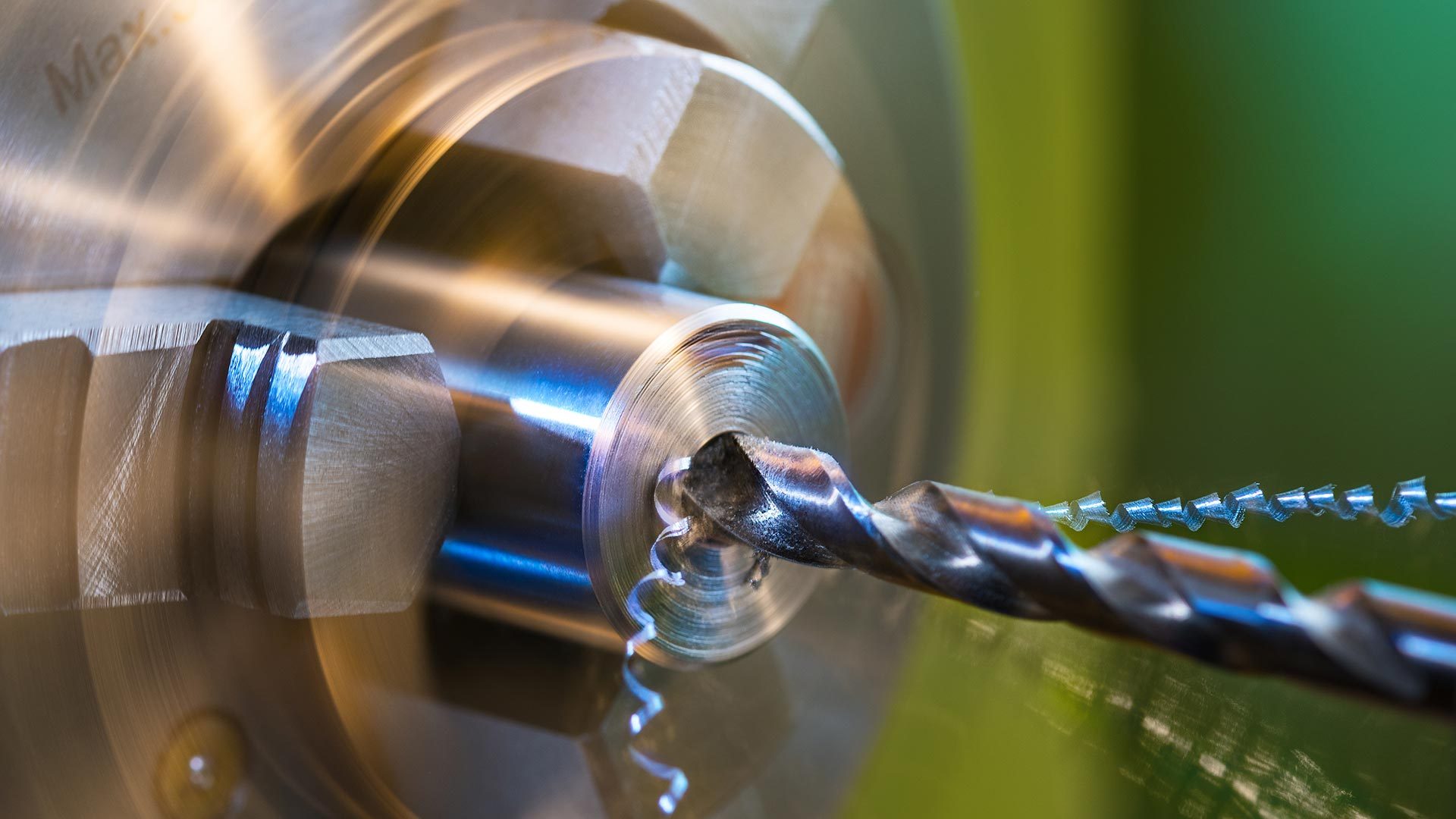
- Fluting: Special machines cut spiral grooves, called flutes, into the bit. These help remove chips and allow coolant to flow.
- Heat treatment: The bit is heated to a very high temperature and then quickly cooled (quenched). This makes it very hard.
- Grinding and finishing: The bit is ground to precise measurements and sharpened.
- Coating (optional): Some HSS bits receive coatings like titanium nitride for extra hardness and longer life.
The result is a tool that’s tough, sharp, and ready to spin at high speed through metal, wood, and plastic.

Credit: drillsandcutters.com
Why Are Hss Drill Bits Important?
Many people don’t realize how much HSS drill bits changed modern industry. Before HSS, drilling into metals was slow, and bits wore out quickly. With HSS, manufacturers could make things faster, cheaper, and more precisely.
Some reasons why HSS drill bits matter:
- Speed: They let you drill at higher speeds, saving time.
- Durability: They last much longer than carbon steel bits, especially on hard materials.
- Versatility: They can cut through a wide range of materials: metal, wood, plastic, and more.
- Heat resistance: They keep their hardness even when they get hot.
In short, HSS drill bits made many modern machines, cars, and devices possible.
Main Features Of Hss Drill Bits
HSS drill bits are popular because they have several key features:
1. High Hardness:
HSS bits can cut through tough materials without getting dull quickly.
2. Heat Resistance:
They work at high speeds and temperatures, making them ideal for drilling metals.
3. Toughness:
They resist breaking or chipping, even under pressure.
4. Versatile Use:
You can use them on steel, aluminum, brass, hardwood, plastic, and more.
5. Sharpenable:
Unlike many coated or carbide bits, HSS bits can be resharpened several times.
6. Affordable Price:
They offer a good balance between performance and cost.
Types Of Hss Drill Bits
Not all HSS drill bits are the same. There are several types, each designed for specific tasks and materials.
1. Standard Hss Drill Bits
These are the most common type. They have a simple, silver-grey finish and are good for general-purpose drilling in wood, plastic, and soft metals.
2. Hss-r (rolled) Drill Bits
Made by rolling the steel into shape, these bits are less expensive. They are flexible and less likely to break, but not as precise or sharp as ground bits. Ideal for DIY projects and light-duty use.
3. Hss-g (ground) Drill Bits
These are made by grinding the bit from a solid piece of HSS. They are sharper, more accurate, and have a smoother finish than rolled bits. Best for professionals or when you need a clean, precise hole.
4. Coated Hss Drill Bits
Some HSS bits are coated to improve performance. Common coatings include:
- Titanium Nitride (TiN): Gold color, increases hardness and lifespan.
- Titanium Carbonitride (TiCN): Blue-gray color, even tougher than TiN.
- Black Oxide: Increases corrosion resistance and helps reduce friction.
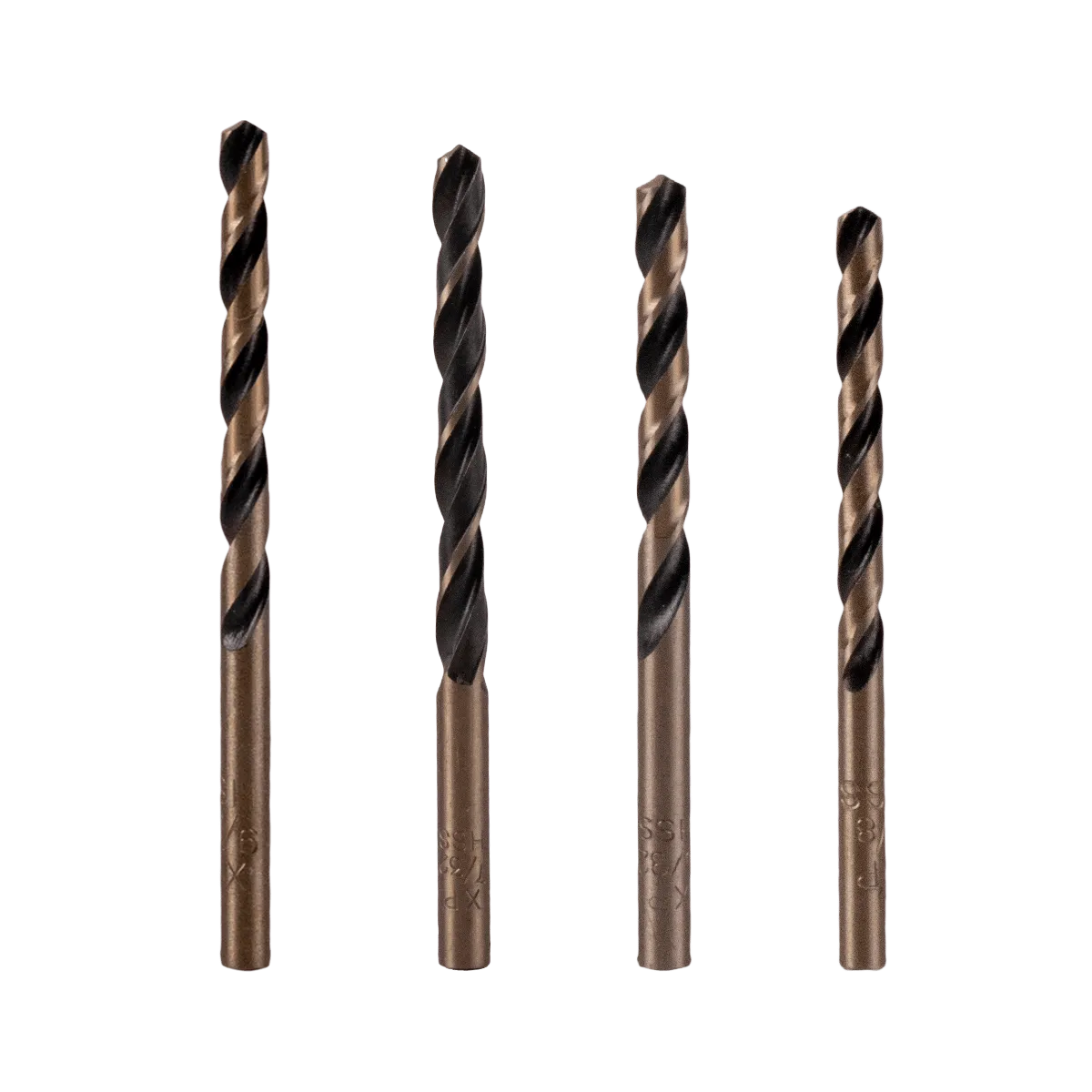
- Cobalt HSS: Not a coating, but an alloy with extra cobalt for higher heat resistance.
Coated bits are ideal for drilling hard metals like stainless steel.
5. Hss Cobalt Drill Bits
These contain 5–8% cobalt, which makes them even tougher and able to withstand higher heat. They are perfect for drilling stainless steel and other hard alloys.
6. Step Drill Bits
Made from HSS, these have a stepped profile and can drill holes of different sizes. Used for sheet metal and thin materials.
7. Countersink Hss Drill Bits
Designed to create a conical hole so a screw can sit flush with the material surface. Often used in woodworking and metalworking.
8. Hss Twist Drill Bits
The most common shape, with a spiral (twist) design for removing chips. Used in hand drills and drill presses.
9. Hss Reduced Shank Drill Bits
These have a smaller shank than the cutting diameter, so you can use large bits in standard chucks.
10. Hss Jobber Drill Bits
A general term for bits with a length 9–14 times their diameter. They are the standard choice for most drilling jobs.
How Do Hss Drill Bits Compare To Other Drill Bits?
It’s easy to get confused by all the different types of drill bits. How does HSS stack up against other popular options?
Here’s a simple comparison:
| Type | Material | Best For | Price | Sharpenable? |
|---|---|---|---|---|
| HSS | High-Speed Steel | Metal, wood, plastic | Medium | Yes |
| Carbon Steel | Carbon Steel | Wood, plastic | Low | Yes |
| Cobalt (HSS-Co) | HSS + Cobalt | Stainless steel, hard alloys | High | Yes |
| Carbide | Tungsten Carbide | Ceramics, hardened steel | Very High | No |
Key insight: For most home and professional uses, HSS drill bits are the best balance of price, performance, and flexibility. Carbide bits are harder but much more brittle and costly. Cobalt bits are for the toughest jobs. Carbon steel bits are cheap but wear out fast.
Credit: xtrapowertools.com
Common Uses Of Hss Drill Bits
HSS drill bits are everywhere. Here are some typical applications:
1. Metalworking:
Drilling holes in steel beams, pipes, and sheet metal.
2. Woodworking:
Used for making clean holes in hardwood and softwood.
3. Plastic Fabrication:
Create holes in acrylics, PVC, and other plastics.
4. Construction:
Electricians, plumbers, and builders use HSS bits for installing wiring, pipes, and fixtures.
5. Automotive:
Mechanics use HSS bits for repairs and modifications in cars and trucks.
6. Diy Projects:
Perfect for home repairs, furniture assembly, and hobby work.
Pro tip: Always match your drill bit to the material. An HSS bit can handle many jobs, but for very hard or abrasive materials (like ceramics or glass), you need a specialized bit.
How To Choose The Right Hss Drill Bit
Choosing the right HSS drill bit is not just about size. Here’s what matters most:
1. Material To Be Drilled
- Soft metals (aluminum, copper): Standard HSS is fine.
- Hard metals (stainless steel): Use HSS cobalt or coated bits.
- Wood or plastic: Standard or rolled HSS bits work well.
2. Bit Size And Length
- Short bits: Less likely to bend or break, more accurate.
- Long bits: Reach deeper but are easier to bend.
3. Bit Type
- Twist bits: Most common for round holes.
- Step bits: For enlarging existing holes in thin materials.
- Countersink bits: For flush screw holes.
4. Shank Type
- Straight shank: Fits most drills.
- Reduced shank: Allows use of larger diameter bits in standard chucks.
- Hex shank: Less likely to slip in cordless drills.
5. Coating
- Titanium or cobalt: Needed for tough metals.
- Black oxide: Good for corrosion resistance.
6. Brand And Quality
Look for trusted brands with good reviews. Cheap, low-quality bits wear out fast and may break, risking injury.
7. Set Or Single Bit
- Bit sets: Good value for money, cover many sizes.
- Single bits: Buy only the sizes you need, but check compatibility with your drill.
Non-obvious insight: Many beginners buy sets with lots of sizes, but end up using only a few. Consider your projects and buy accordingly.
How To Use Hss Drill Bits Safely And Effectively
Using an HSS drill bit is simple, but a few tips can make a big difference in results and safety.
Step-by-step Guide
- Select the right bit: Match the bit to the material and size needed.
- Check the drill: Make sure your drill is set to the correct speed for the material.
- Secure the workpiece: Clamp down your material so it doesn’t move.
- Mark the hole: Use a center punch for metal to avoid wandering.
- Insert the bit: Tighten it securely in the drill chuck.
- Apply steady pressure: Let the bit do the work; don’t force it.
- Use cutting fluid: For metal, a drop of oil helps reduce heat and wear.
- Withdraw the bit: Every few seconds, pull out the bit to clear chips.
- Check for overheating: If the bit gets blue or smokes, stop and let it cool.
Common Mistakes To Avoid
- Using too high speed: Can cause overheating and dull the bit.
- Skipping lubrication: Leads to rapid wear in metal drilling.
- Forcing the bit: Increases the risk of breakage.
- Not clearing chips: Can jam the bit and overheat.
- Wrong bit for material: Results in poor performance and damage.
Extra Practical Tips
- Sharpen dull bits: HSS bits can be resharpened with a bench grinder.
- Store bits properly: Keep them dry and organized to avoid rust and damage.
- Check for wear: A worn tip won’t cut well and may wander.
Non-obvious insight: Sometimes a bit looks fine but still struggles to cut. Often, the cutting edge is slightly rounded. Even a small loss of sharpness can double drilling time, so sharpen or replace as needed.
Hss Drill Bit Sizes And Standards
HSS drill bits come in a wide range of sizes. The most common size systems are:
- Metric (mm): Popular in Europe and Asia. Sizes like 3mm, 6mm, etc.
- Imperial (inch/fractional): Common in the USA and UK. Sizes like 1/8″, 1/4″, etc.
- Numbered and letter sizes: Used for very small or precision holes.
Here’s a quick comparison of popular HSS drill bit sizes:
| Metric Size (mm) | Imperial Size (inches) | Common Uses |
|---|---|---|
| 3.0 | 1/8″ | Small pilot holes, electronics |
| 6.0 | 1/4″ | General purpose, dowels |
| 10.0 | 3/8″ | Pipes, larger bolts |
| 13.0 | 1/2″ | Heavy-duty holes, large fasteners |
For most home workshops, a set covering 1–13mm or 1/16″–1/2″ covers most tasks.
How To Maintain And Store Hss Drill Bits
Good drill bits are an investment. Proper care will extend their life:
- Clean after use: Wipe off oil, chips, and dust.
- Sharpen when dull: Use a sharpening tool or bench grinder.
- Store in a dry place: Moisture causes rust.
- Organize by size: Use a bit index or case.
- Check for damage: Replace any that are bent, chipped, or very worn.
Pro tip: If a bit gets rusty, soak it in vinegar, scrub gently, and dry well before storing.
Environmental And Cost Benefits
Using HSS drill bits is not just good for your work—it can be good for your wallet and the environment.
- Longer lifespan: Fewer replacements mean less waste.
- Sharpenable: Extends the bit’s life, reduces buying new tools.
- Lower cost per hole: Even if an HSS bit costs more upfront, it drills many more holes than cheaper bits.
In industrial use, this adds up to less metal waste and lower costs. For home users, it means fewer trips to the store and more successful projects.
Credit: rdbarrett.co.uk
Recent Advances In Hss Drill Bits
Technology never stands still. In recent years, several improvements have made HSS drill bits even better:
- Advanced coatings: New coatings reduce friction and heat, extending life.
- Improved grinding: CNC machines make bits sharper and more consistent.
- Precision tips: Split-point and pilot-point tips start holes faster and reduce wandering.
- Hybrid alloys: Mixing HSS with other metals increases toughness or heat resistance.
These innovations help both professionals and hobbyists get better results, faster.
Where To Buy Hss Drill Bits
You can find HSS drill bits at:
- Hardware stores
- Online retailers
- Tool suppliers
Popular brands include Bosch, DeWalt, Makita, Irwin, and Milwaukee. Always check the packaging for the type of HSS, coating, and recommended use. Avoid very cheap, unbranded bits, as they may be made of poor-quality steel.
For more technical details on HSS, check the Wikipedia entry on High-Speed Steel.
Frequently Asked Questions
What Does Hss Stand For In Drill Bits?
HSS stands for High-Speed Steel. It’s a special type of steel used in drill bits that allows them to cut faster and handle higher temperatures than regular carbon steel.
Can Hss Drill Bits Be Used On Stainless Steel?
Yes, but for best results, use HSS cobalt or titanium-coated bits. These are designed to handle the extra hardness and heat generated when drilling stainless steel.
How Do I Sharpen An Hss Drill Bit?
Use a bench grinder or a special drill bit sharpener. Hold the bit at the correct angle and grind lightly until the cutting edges are sharp. Always wear eye protection and check for symmetry.
Are Hss Drill Bits Better Than Titanium Drill Bits?
Titanium bits are actually HSS bits with a titanium coating. The coating helps reduce friction and improve lifespan, but once it wears off, the bit will perform like standard HSS. So, titanium is an upgrade, but not a completely different material.
What’s The Difference Between Hss-r And Hss-g Drill Bits?
HSS-R bits are made by rolling the steel, making them flexible and less likely to snap. HSS-G bits are ground from solid steel, making them sharper, more precise, and better for professional use.
A good HSS drill bit can mean the difference between a smooth project and a frustrating, time-wasting task. Knowing what HSS means, how to choose the right bit, and how to care for it will help you work faster, safer, and with better results.
Whether you’re drilling one hole or one thousand, choosing the right HSS drill bit is a smart investment for every toolbox.