When you want to add a drill press to your workshop, you’ll find two names everywhere: Wen and Craftsman. Both brands have loyal fans, long histories, and a full range of drill presses for home and professional use. But which one really fits your needs? Making the right choice means looking beyond just the price or a famous logo. You want a tool that’s powerful, dependable, safe, and comfortable for your projects.
Let’s look closely at how Wen and Craftsman drill presses compare. This in-depth guide will help you understand the differences, spot the hidden details, and confidently pick the drill press that works best for you.
Brand Backgrounds: Wen And Craftsman
Understanding the story behind each brand helps you judge what kind of product you’re buying.
Wen started in 1951 and became famous for affordable, well-designed power tools. The company focuses on making tools that are simple to use and fit for people with different skill levels. Their drill presses are known for offering a solid mix of features at a price that’s friendly to hobbyists and small workshops.
Craftsman is a classic American brand, launched in 1927. For decades, Craftsman tools were found in almost every garage and were sold with a legendary warranty. Today, Craftsman is owned by Stanley Black & Decker, but the brand’s reputation for reliability and value continues. Their drill presses are designed for everyone from beginners to serious craftsmen.
Both brands have strong reputations, but Wen aims for budget-friendly innovation, while Craftsman leans on tradition and proven design.
Drill Press Models: A Direct Comparison
To keep things clear, let’s focus on some of the most popular drill press models from each brand. Most buyers look at the Wen 4214 and the Craftsman 10-Inch Drill Press.
Here’s how they stack up on paper:
| Feature | Wen 4214 | Craftsman 10-Inch |
|---|---|---|
| Motor Power | 2/3 HP (5-amp) | 1/2 HP (5-amp) |
| Max Speed | 3,200 RPM | 3,100 RPM |
| Speed Settings | Variable (Digital) | 5 (Manual) |
| Chuck Size | 5/8″ | 1/2″ |
| Table Tilt | 45° Left & Right | 45° Left & Right |
| Laser Guide | Yes | Yes |
| Built-in Light | Yes | Yes |
| Digital Readout | Yes | No |
| Weight | 89 lbs | 60 lbs |
This table gives you a quick look, but there’s more to choosing a drill press than specs alone. Let’s break down what really matters.
Performance And Power
For most users, drill press power is key. More power means you can drill through harder materials with less strain on the motor.
- Wen 4214: Offers a stronger 2/3 HP motor. This lets you work on thicker hardwoods, plastics, and even some metals without bogging down. The extra power can also mean smoother holes and less burning.
- Craftsman 10-Inch: With a 1/2 HP motor, it’s good for most wood, softer metals, and plastics. However, you might notice some slowdown with thick or tough materials.
One detail beginners miss: Power isn’t just about the motor. The build quality (weight, stability, and spindle accuracy) also affects how well that power turns into neat, clean holes.
Speed Control And Adjustment
Speed control matters for safety and for matching the drill press to your project. Some materials need slow speeds (like metal), while soft woods want faster speeds.
- Wen 4214: Features a variable speed system, adjustable from 580 to 3,200 RPM, with a digital readout. This means you can dial in the exact speed you need without stopping to move belts.
- Craftsman 10-Inch: Uses a traditional 5-speed pulley system, letting you pick between fixed speeds (usually 620, 1,100, 1,720, 2,340, and 3,100 RPM). Changing speeds means opening the cover and moving the belt.
Why does this matter? With variable speed, you spend less time adjusting and more time drilling. For beginners, the digital display on Wen also removes the guesswork, while Craftsman’s system is reliable but slower to adjust.

Credit: www.ebay.com
Build Quality And Durability
Both brands use cast iron for their main parts (base, table, and head), but there are differences in feel and stability.
- Wen drill presses are heavier, especially the 4214. This means less vibration when drilling, which leads to more accurate holes and a better feel.
- Craftsman models are lighter, which makes them easier to move, but sometimes less steady during tough jobs.
Another detail is the fit and finish. Craftsman is often praised for smooth operation and tight tolerances. Wen’s newer models have improved a lot, but you might need to check that bolts and moving parts are tight before use.
Features For Accuracy And Usability
Both Wen and Craftsman give you features to help with accuracy, but Wen often includes more at the same price.
- Laser Guide: Both brands offer a laser to show where the bit will land. Wen’s laser is generally brighter and easier to adjust.
- Work Light: A built-in light is a big help for seeing your work. Both brands include this, but Wen’s light can be easier to aim.
- Depth Stop: This lets you drill holes to the same depth every time. Both offer adjustable stops, but Wen’s has a clearer scale.
- Table Tilt: Both tilt 45° left and right, so you can drill at an angle.
One Wen detail beginners miss: The digital speed readout makes it simple to know what speed you’re using, which prevents mistakes—especially helpful if you’re drilling metal or plastic, where speed matters.
Ease Of Use
A drill press should make your projects easier, not harder. Here’s how Wen and Craftsman compare for setup, adjustments, and comfort.
- Wen: Variable speed and digital controls mean less stopping and starting. The heavier base keeps things steady. Assembly is simple, but the weight means you’ll need a friend to help set it up.
- Craftsman: Lighter and easier to move, but speed changes take longer. Setup instructions are usually clearer, and there’s a long history of reliable customer support.
A practical tip: Beginners often forget to check the chuck size. Wen’s 5/8″ chuck fits larger bits than Craftsman’s 1/2″, giving you more flexibility for bigger projects.
Price And Value
Money matters. Here’s how both brands stack up for cost and what you get.
- Wen 4214: Usually priced between $250–$350 (as of early 2024). For that, you get a powerful motor, variable speed, and lots of features.
- Craftsman 10-Inch: Typically $210–$300. You get a sturdy tool with fewer features, but a trusted name and long tradition.
Wen often gives you more features for the money. Craftsman focuses on solid basics and a strong support network.
Accessories And Expandability
Adding the right accessories can turn a basic drill press into a workshop powerhouse.
- Wen: Offers a wide range of extra parts and accessories, like mortising attachments, extra clamps, and bigger tables. Replacement parts are easy to find online.
- Craftsman: Also has plenty of add-ons, but some older accessories may not fit newer models, since Craftsman has changed owners and designs over the years.
A hidden detail: With Wen, many accessories are cross-compatible with other brands, since Wen uses common sizes and designs. That’s a big plus if you want to upgrade later.
Maintenance And Warranty
Taking care of your tool means it lasts longer. Here’s what to expect.
- Wen: Offers a 2-year limited warranty on most drill presses. Customer service is responsive, and parts are easy to order.
- Craftsman: Known for good warranties, usually 1–3 years depending on the model. Craftsman’s support is easy to reach, and repairs can sometimes be done at local stores.
One common mistake: Not keeping the drill press lubricated or checking bolts can lead to problems. Both brands are low-maintenance, but you should always read the manual and do regular checks.
Real-world User Experiences
Specs and features are important, but what do real users say? Reviews and feedback from buyers often reveal details you won’t find in ads.
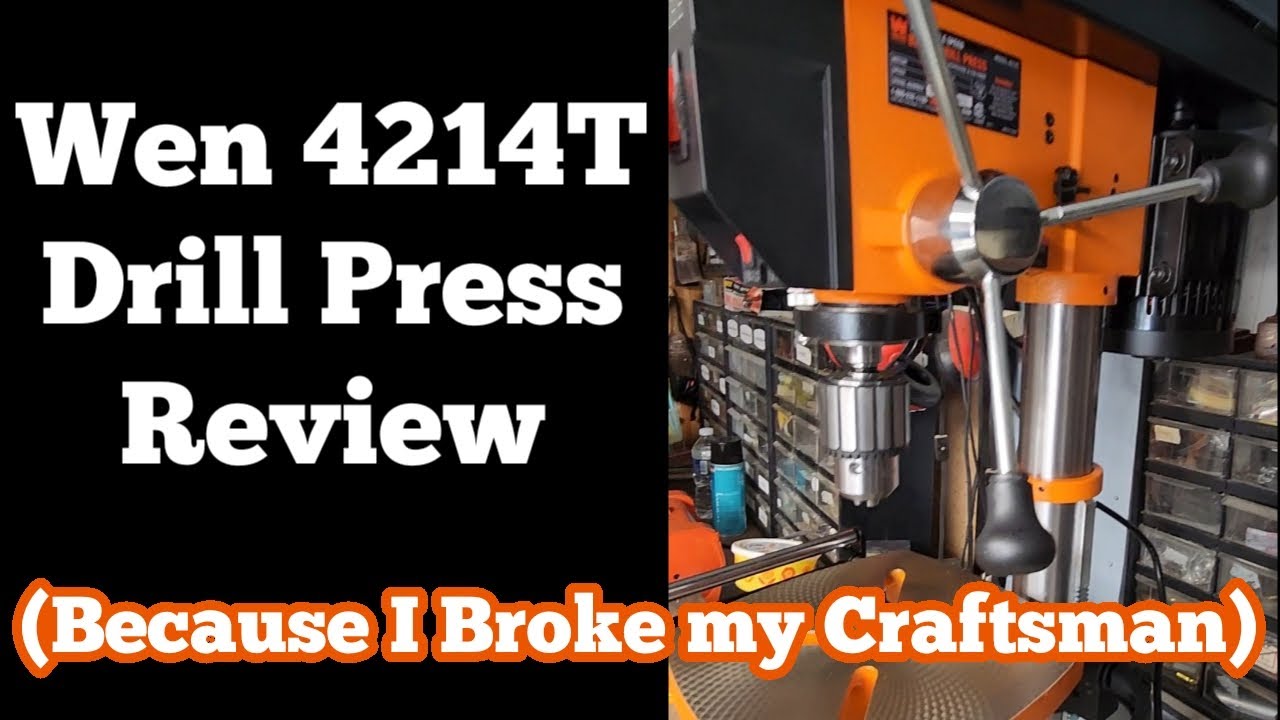
- Wen 4214: Most owners praise the power, ease of speed changes, and value for money. Some report the laser needs occasional adjusting, and the unit is heavy to move.
- Craftsman 10-Inch: Users like the smooth operation, reliability, and customer support. The main complaint is the slower speed changes and limited chuck size.
Example: One woodworking hobbyist shared that her Wen 4214 drilled through 2-inch oak with no trouble, something her old Craftsman struggled with. Another user said his Craftsman has worked for 10 years with only minor maintenance.
Pros And Cons: Wen Drill Press
Here’s a clear look at Wen’s main strengths and weaknesses.
Pros
- More powerful motor for the price.
- Variable speed with digital readout.
- Larger chuck fits bigger bits.
- Heavy base means less vibration.
- Lots of features (laser, light, adjustable table).
Cons
- Heavier and harder to move.
- Some models have minor quality control issues (e.g., loose bolts on arrival).
- Laser sometimes requires realignment.
Credit: www.youtube.com
Pros And Cons: Craftsman Drill Press
And here’s what stands out for Craftsman.
Pros
- Trusted brand with a long history.
- Smooth, reliable operation.
- Easy to assemble and set up.
- Good customer support.
- Lighter and easier to move.
Cons
- Fewer features at the same price as Wen.
- Fixed speeds are slower to adjust.
- Smaller chuck limits some projects.
Which One Is Right For You?
Choosing between Wen and Craftsman depends on your needs, budget, and project style.
Wen Is Best If:
- You want maximum features and the latest controls for your money.
- You need variable speed for working with many materials.
- You often drill larger holes and need a bigger chuck.
- You don’t mind a heavier tool that’s harder to move.
Craftsman Is Best If:
- You value reliability and a long-standing brand.
- You want a drill press that’s simple, sturdy, and time-tested.
- You prefer a lighter machine that’s easier to move around your shop.
- You’re okay with fewer features but want solid basics.
Advanced Features Breakdown
Some advanced features are easy to miss but can make a big difference in your workshop.
Laser Alignment
Both brands offer a laser guide, but Wen’s is more adjustable. This means you can fine-tune it for perfect accuracy, which is important if you’re drilling many holes in a row.
Digital Speed Display
Wen’s digital speed display is a big plus for beginners and pros. You can see exactly what speed you’re using, which helps avoid burning your workpiece or breaking bits.
Table Adjustments
Both offer tilt tables, but Wen’s scale markings are clearer and easier to read. If you do angled drilling, this saves time and prevents mistakes.
Spindle Travel
How deep can you drill? Wen’s 4214 offers 3-1/8″ spindle travel, while Craftsman’s is usually around 2-1/2″. That extra depth means you can drill deeper holes without stopping.
Noise And Vibration
Drill presses aren’t silent, but there are differences.
- Wen: Heavier build means less vibration, which makes it quieter and more comfortable for long use.
- Craftsman: Slightly more vibration due to lighter weight, but the difference is small for most home users.
A non-obvious insight: Less vibration not only means quieter operation, but also more accurate holes and less fatigue over time.
Safety Considerations
Both brands include basic safety features: a safety switch, clear chuck guard, and overload protection.
- Wen: The heavier weight means the drill press is less likely to tip over accidentally.
- Craftsman: Lighter, so make sure it’s on a solid surface and bolted down if possible.
Common mistake: Not using the depth stop or laser guide can lead to drilling too deep, damaging your workpiece, or even injuring yourself.
Long-term Reliability
Wen’s newer models have improved in quality over the years. Craftsman’s reputation for long life is based on decades of use in home and professional shops.
A user tip: If you plan to use your drill press heavily (daily or for tough metals), Craftsman’s traditional design may last longer with less maintenance. For lighter or hobby use, Wen’s features will give you more flexibility and fun.
Environmental Impact
Both brands manufacture their tools in Asia, mainly China. Wen is known for efficient production and smaller packaging. Craftsman’s global supply chain sometimes means more shipping and repackaging.
If you care about recycling, both brands use mostly recyclable materials (cast iron, steel, plastic), but Wen’s packaging is easier to recycle.
Availability And Customer Support
- Wen: Sold online, through major hardware stores, and directly from Wen’s website. Customer service is often praised for speed and clarity.
- Craftsman: Available at Lowe’s, Ace Hardware, and many online sellers. Craftsman’s phone support and service centers make it easy to get help or parts.
One detail: Craftsman’s long history means you can often find replacement parts for older models, which is a huge plus if you’re using a hand-me-down or buying used.
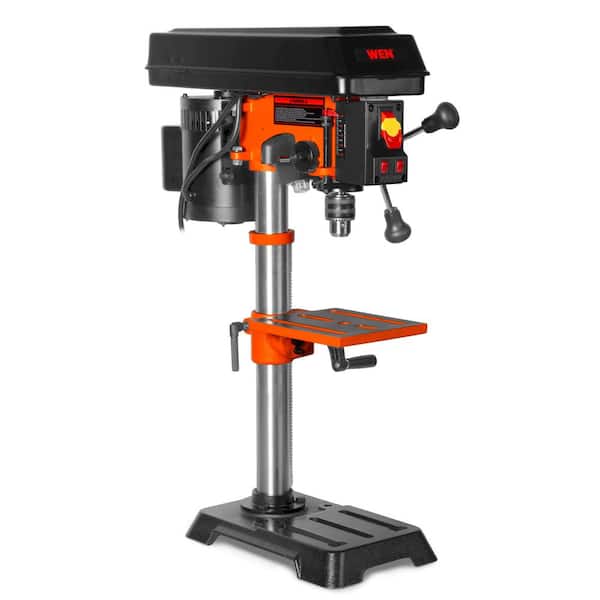
Credit: www.homedepot.com
Wen Vs Craftsman Drill Press: Summary Table
For a final side-by-side look, here’s a summary of the most important points:
| Criteria | Wen 4214 | Craftsman 10-Inch |
|---|---|---|
| Power | 2/3 HP | 1/2 HP |
| Speed Adjustment | Variable (Digital) | 5 Fixed |
| Chuck Size | 5/8″ | 1/2″ |
| Weight | Heavy (89 lbs) | Lighter (60 lbs) |
| Features | Laser, Light, Digital | Laser, Light |
| Warranty | 2 years | 1-3 years |
| Price Range | $250–$350 | $210–$300 |
Making The Final Choice
There’s no single “best” drill press for everyone. If you want the most features, variable speed, and a bigger chuck, Wen is usually the winner. If you care most about reliability, smooth operation, and easy support, Craftsman is a strong choice.
Before buying, always:
- Check your workspace size and power needs.
- List the materials you’ll drill most often.
- Think about how often you’ll change speeds or bits.
- Decide if you need extra features like a digital readout.
If you’re still unsure, try to test each model in a store. Hands-on experience often reveals which feels right.
For more on the history of these brands and their products, see the official Drill Press Wikipedia page.
Frequently Asked Questions
Is Wen Or Craftsman Better For Beginners?
Both are good, but Wen offers more beginner-friendly features like variable speed and a digital display. These make learning and adjusting easier. Craftsman is simpler, which some beginners may prefer if they want basic controls with less to learn.
Can I Use A Wen Or Craftsman Drill Press For Metalworking?
Yes, both can drill metal if you use the right drill bits and set the proper speed. Wen’s variable speed system makes it easier to match the speed to your metal, reducing the risk of damage or injury. Always use cutting oil and go slow with thick metals.
Which Brand Is Quieter?
Wen is usually quieter because it’s heavier and absorbs more vibration. However, both brands produce noise, especially at higher speeds. Always wear hearing protection if you’re drilling for long periods.
Are Replacement Parts Easy To Find?
Yes for both brands. Wen sells parts directly online, and many are cross-compatible with other brands. Craftsman has a large network of parts suppliers, especially for newer models. For very old Craftsman drill presses, check with specialty tool shops.
What’s The Main Mistake Buyers Make When Choosing A Drill Press?
Many buyers focus only on motor size or price and forget to check the chuck size, speed range, and actual stability. These details matter more for getting clean, accurate holes and a tool that feels good to use.
Choosing between Wen vs Craftsman drill press isn’t about brand loyalty—it’s about matching the tool to your real needs. With careful comparison and attention to detail, you’ll find a drill press that serves you well for years.