Drilling into aluminium is a common task for many DIYers, makers, and professionals. Whether you’re building a custom computer case, fixing a bicycle, or working on an aircraft part, knowing how to drill holes in aluminium the right way is crucial. It’s a skill that looks simple, but doing it wrong can lead to poor results, broken tools, or even ruined workpieces. This guide will show you exactly how to drill aluminium holes with confidence and safety, even if you’re new to working with metals.
Why Aluminium Needs Special Attention
Aluminium is a soft, lightweight metal, but it’s not as forgiving as wood or plastic. It can grab drill bits, clog flutes with chips, and even weld itself to the tool if you go too fast or use the wrong technique.
Unlike harder metals, aluminium’s low melting point means friction builds up quickly. This is why beginners often make mistakes like melting the metal or producing rough, oversized holes. By understanding aluminium’s unique properties, you can avoid these problems and achieve clean, precise holes every time.
Choosing The Right Tools For Drilling Aluminium
Having the correct tools is the foundation for success. Here’s what you need to consider:
Drill Type
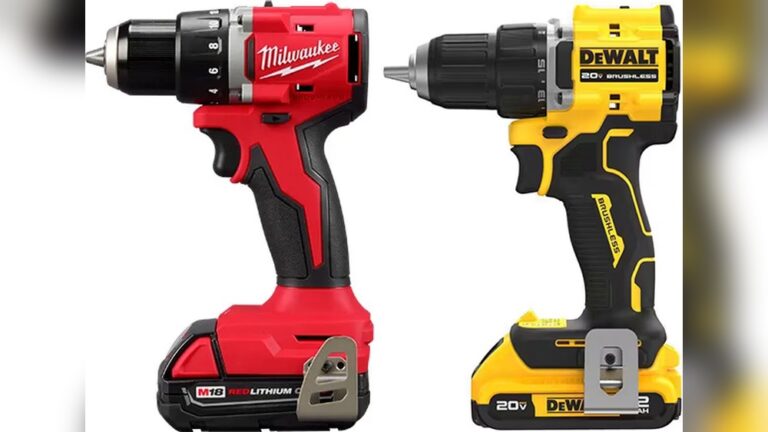
For most aluminium drilling jobs, a regular corded or cordless power drill works well. If you need maximum control, especially for small holes, a drill press is even better. Drill presses offer stable, accurate drilling and are safer for repetitive work.
Drill Bit Selection
Not all drill bits are equal when it comes to aluminium. The best options are:
- High-Speed Steel (HSS) bits – These are affordable and work well for most aluminium projects.
- Cobalt bits – More expensive, but they stay sharper longer and handle heat better. Useful for thick or hard aluminium alloys.
- Carbide bits – The hardest and most durable, but often overkill for home projects.
- Brad-point bits – Good for very precise holes, but only in thin sheet aluminium.
- Step drill bits – Useful for enlarging holes or drilling in thin sheets without tearing.
Avoid wood or masonry bits; they won’t work properly.
Bit Coatings
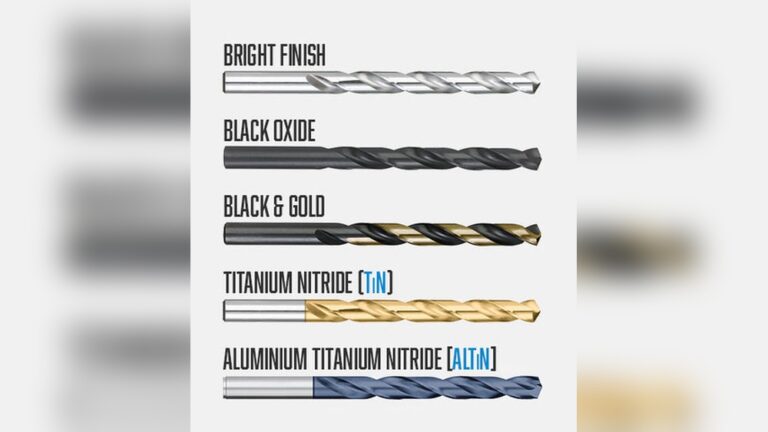
Some bits have coatings like titanium nitride (gold color) that reduce friction and heat. These help the bit last longer and give a cleaner cut. For frequent drilling, coated bits are worth the small extra cost.
Drill Bit Size Chart
To get the right fit for screws or bolts, use a drill size chart. Here’s a quick reference for common aluminium drilling tasks:
| Hole Size (mm) | Drill Bit (mm) | Common Use |
|---|---|---|
| 2.5 | 2.5 | Small machine screws (M3) |
| 5 | 5 | M5 bolts, pop rivets |
| 8 | 8 | M8 bolts |
Choosing the right bit size is important for secure fasteners and clean results.
Preparing The Aluminium Workpiece
Preparation is where many people go wrong. Skipping these steps can lead to crooked holes, slipping bits, or even injuries.
Marking The Hole Location
Use a center punch to create a small dimple at the exact spot you want to drill. This prevents the drill bit from wandering and gives you a precise starting point. For accurate layouts, use a ruler, square, or calipers to measure, then mark with a fine-tip marker before punching.
Securing The Workpiece
Aluminium is slippery. Always clamp your workpiece securely to a solid surface. Use at least two clamps to prevent rotation or movement. If possible, drill over a scrap piece of wood to protect your work surface and avoid burrs on the exit side.
Lubrication
Unlike wood, drilling aluminium needs lubrication. Light oils like WD-40, 3-in-One oil, or even kerosene help reduce friction, keep the bit cool, and prevent clogging. Apply a few drops to the drilling area before you start and add more for deep holes.
Lubricant Comparison
| Lubricant | Effectiveness | Common Use |
|---|---|---|
| WD-40 | Good | General drilling |
| Cutting oil | Excellent | Professional/industrial |
| Kerosene | Very Good | Sheet aluminium |
| Vegetable oil | Fair | Emergency use |
Setting Up Your Drill
Now that your material and tools are ready, it’s time to set up the drill for aluminium. Here’s what matters:
Speed Settings
Aluminium likes moderate to high drill speeds, but not too fast. For most jobs, set your drill to 2,000–3,000 RPM for bits under 6mm. For larger bits, reduce speed to avoid overheating.
If your drill has variable speed, start slow to position the bit, then increase to the target speed. If using a drill press, refer to the speed chart provided by the manufacturer.
Bit Angle
A standard 118° point angle works well for most aluminium. For large holes or thick aluminium, a 135° split point bit reduces wandering and heat.
Securing The Bit
Insert the bit fully into the chuck and tighten firmly. Loose bits can wobble, overheat, and make imprecise holes.
Personal Safety
Wear safety glasses. Aluminium chips are sharp and can fly unpredictably. Gloves are optional, but avoid loose clothing or jewelry that could get caught.
Step-by-step Guide: How To Drill Aluminium Holes
Let’s go through the full drilling process, step by step:
1. Mark The Spot
Use a marker and center punch to dimple the drilling location.
2. Clamp The Workpiece
Secure your aluminium piece with clamps to prevent movement.
3. Lubricate The Surface
Add a few drops of oil or lubricant at the drilling spot.
4. Align The Drill
Position the drill bit in the punched dimple. Hold the drill perpendicular to the surface.
5. Start Drilling
Begin at low speed to prevent the bit from skating. Once the bit bites into the aluminium, gradually increase speed.
6. Apply Moderate Pressure
Press steadily, but not too hard. Let the bit do the work. Too much force can snap the bit or deform the hole.
7. Clear Chips Regularly
Pull the bit out occasionally to clear chips, especially for deeper holes. Add more lubricant if needed.
8. Finish The Hole
As you break through the other side, reduce pressure to avoid tearing or burring the exit.
9. Deburr The Edges
Use a deburring tool, countersink bit, or fine sandpaper to smooth both sides of the hole.
10. Clean Up
Wipe away any leftover oil and chips. Inspect the hole for size and quality.
Typical Mistakes And How To Avoid Them
- Skipping center punching: Leads to off-center holes and bit wandering.
- Drilling too fast: Causes overheating, dull bits, and rough holes.
- No lubrication: Results in clogged bits, heat build-up, and jagged holes.
- Using dull or wrong bits: Increases friction and can damage the workpiece.
Working With Different Types Of Aluminium
Not all aluminium is the same. There are various alloys and thicknesses. Here’s what you should know:
Thin Sheet Aluminium (under 3mm)
Thin sheets can tear or bend easily. Use a backer board (wood scrap) underneath to support the material. Step drill bits or brad-point bits reduce the risk of tearing.
Thick Aluminium Plate
For plates over 5mm, take your time. Drill a small pilot hole first (about 1/3 the final size), then switch to the larger bit. This reduces strain on the drill and ensures accuracy.
Aluminium Extrusions
Common in window frames or machine parts, extrusions are tricky because of their irregular shapes. Clamp them tightly and use a drill press if possible for straight, accurate holes.
Cast Aluminium
This material is harder and sometimes brittle. Go slow, use plenty of lubrication, and avoid excessive pressure to prevent cracks.
Advanced Techniques For Clean, Accurate Aluminium Holes
Once you master the basics, try these advanced tips for even better results:
Step Drilling
For large holes, start with a small bit and gradually increase size with larger bits or a step drill. This reduces the risk of grabbing, overheating, or ruining the workpiece.
Countersinking
If you need flat-head screws to sit flush, use a countersink bit after drilling. This creates a beveled edge for the screw head.
Tapping
Drilled holes can be threaded to accept screws or bolts. After drilling, use a tap of the correct size and plenty of oil. Aluminium is soft, so tapping is quick but requires steady, straight motion.
Using A Drill Press
A drill press is ideal for precise holes. Adjust the speed, clamp the workpiece, and set a depth stop for repeatable results.
Cooling And Chip Evacuation
For deep holes or large diameter bits, stop regularly to let the bit cool and clear chips. Blow chips away with compressed air or brush them aside carefully.
Comparing Aluminium Drilling To Other Metals
Drilling aluminium is different from steel, brass, or copper. Here’s a quick comparison:
| Metal | Drilling Speed | Lubrication Needed? | Common Issues |
|---|---|---|---|
| Aluminium | High | Yes | Clogging, melting |
| Steel | Low | Yes | Hardness, dull bits |
| Brass | Medium | Optional | Bit grabbing |
| Copper | Medium | Yes | Gummy chips |
This highlights why drilling aluminium requires a blend of high speed and good lubrication for best results.

Credit: www.youtube.com
Safety Tips For Drilling Aluminium
Safety is often overlooked, but sharp chips and spinning tools can cause injury. Here are some key points:
- Wear eye protection at all times.
- Clamp workpieces securely; loose parts can spin dangerously.
- Keep hands away from the drill bit.
- Avoid wearing gloves near spinning drills, as they can catch.
- Unplug or remove the battery from your drill when changing bits.
- Clean up chips promptly; aluminium shavings are sharp and can cut skin.
Non-obvious Insights For Success
- Let the tool do the work. Many beginners press too hard, thinking more pressure makes faster progress. In reality, this overheats the bit and makes holes rougher. Use steady, light pressure and let the bit cut at its own pace.
- Pay attention to chip color and size. Bright, curly aluminium chips mean your speed and pressure are good. Tiny, powdery chips or blackened chips mean you’re going too slow or the bit is dull.
- Use painter’s tape for marking. If you’re drilling on a visible surface, place painter’s tape over the area before marking and drilling. This prevents scratches and makes layout lines easier to see.
- Replace dull bits immediately. Dull bits can create more heat, smear the aluminium, and ruin your hole. If you notice increased resistance or squealing, switch to a sharp bit.
- Check hole size with the actual fastener. Aluminium can expand slightly when drilled, so always test fit your screw or bolt before moving on.

Credit: www.canadianmetalworking.com
Troubleshooting Common Problems
Even with good technique, things can go wrong. Here’s how to handle them:
- Bit gets stuck: Reverse the drill gently and clear chips. Avoid forcing it.
- Ragged hole edges: Deburr with a countersink or sandpaper. Next time, reduce speed and use more lubricant.
- Off-center holes: Always start with a center punch and steady hand. If the hole is critical, use a drill press.
- Aluminium melts onto the bit: Reduce speed, use more lubricant, and ensure the bit is sharp.
When To Replace Drill Bits
A sharp bit is the secret to clean holes. Here’s when to replace:
- If the bit squeaks or chatters.
- If you see smoke or smell burning.
- If the bit struggles to cut or leaves rough edges.
- After every 100–200 holes in aluminium, inspect and sharpen or replace.
Investing in quality bits saves time and produces better results, especially if you drill aluminium often.

Credit: www.reddit.com
Environmental Considerations
Dispose of aluminium chips responsibly. They are fully recyclable, so collect them and bring to a recycling center. Avoid washing lubricant down the drain; wipe up excess with paper towels and dispose in regular waste.
For more on aluminium recycling and sustainability, see the Aluminium Recycling entry on Wikipedia.
Frequently Asked Questions
What Speed Should I Drill Aluminium At?
Aluminium drills best at high speeds—around 2,000–3,000 RPM for bits under 6mm. Reduce speed for larger bits to avoid overheating and melting.
Do I Need To Use Oil When Drilling Aluminium?
Yes, using a light lubricating oil like WD-40 or cutting oil helps reduce friction, keeps the bit cool, and prevents chips from clogging the flutes.
How Can I Prevent The Drill Bit From Wandering On Aluminium?
Use a center punch to make a small dimple at the drilling spot. This gives the drill bit a place to start and keeps it from slipping.
Can I Use Regular Steel Drill Bits For Aluminium?
High-Speed Steel (HSS) bits are ideal for aluminium. Avoid using wood or masonry bits, as they won’t cut cleanly or can damage the workpiece.
How Do I Remove Burrs After Drilling Aluminium?
Use a deburring tool, countersink bit, or fine sandpaper to smooth the edges of the hole. This gives a clean finish and makes assembly easier.
Drilling aluminium holes is not just about making a hole—it’s about precision, safety, and understanding your tools and material. With the right approach, anyone can achieve professional-quality results, even on their first try.