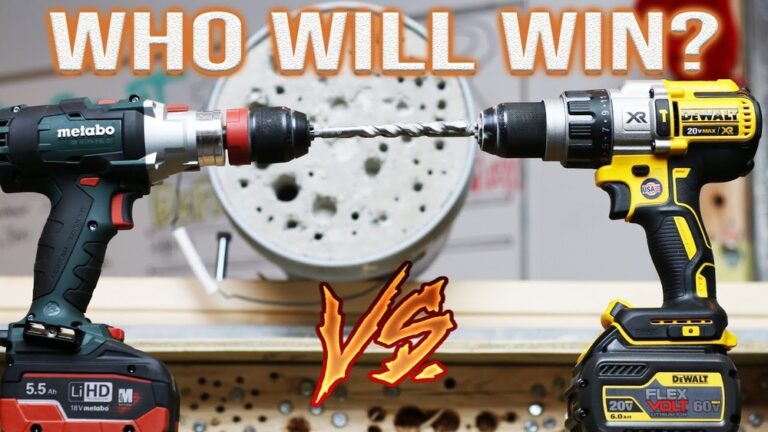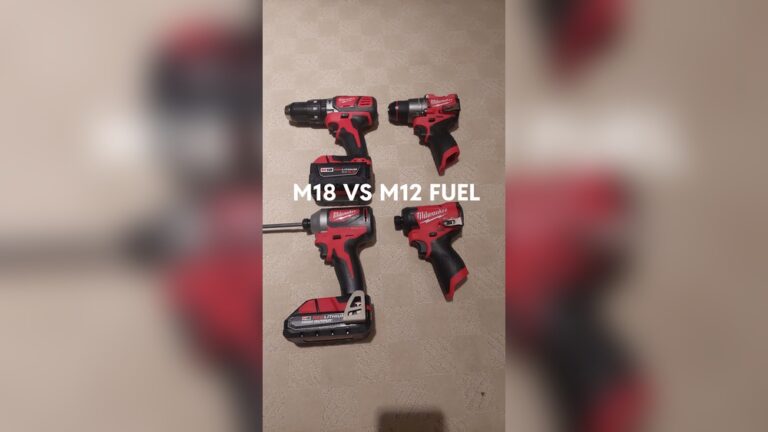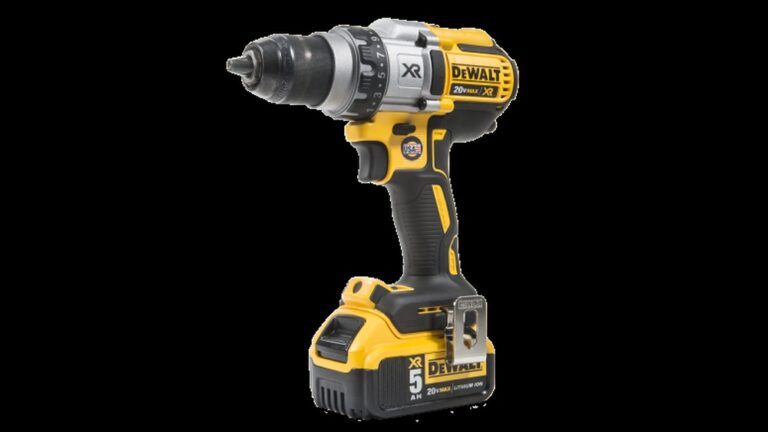
When you’re standing in the tool aisle, comparing the Dewalt 12V vs 20V drill, it’s easy to feel a little lost. Both look tough. Both have yellow and black branding. But the differences between these two lines affect everything from how much work you can do, to how your hand feels after a long day. Whether you’re a weekend DIYer or a professional tradesperson, choosing the right drill can save you time, money, and frustration. Let’s break down what really matters so you can pick the perfect Dewalt drill for your needs.
Understanding Dewalt’s 12v And 20v Drill Lines
Dewalt makes two main lines of cordless drills: 12V Max and 20V Max. These numbers refer to the maximum battery voltage. But it’s not just about power—each line is built with a different type of user in mind.
The 12V line is compact, lightweight, and made for smaller tasks. The 20V line is larger, more powerful, and built for heavy-duty work. Both lines use lithium-ion batteries, but their size, weight, and capabilities are different.
Non-obvious insight: The “Max” in each name means the voltage right after charging, not the average working voltage. The nominal (average) voltage is actually 10.8V for the 12V Max and 18V for the 20V Max. This is an industry-wide naming convention, so Dewalt is not “cheating”—but it’s good to know if you see similar numbers on other brands.
Key Differences: Dewalt 12v Vs 20v Drill
Let’s look closer at how these two drill types compare in the most important areas.
Power And Performance
A 20V Dewalt drill is stronger than a 12V. More voltage means more torque (turning power) and faster speeds. If you often drill into hard materials like concrete, metal, or thick wood, the 20V drill will make the job much easier.
However, for lighter tasks—like hanging shelves, assembling furniture, or working with drywall—a 12V drill is usually enough. It can handle most household projects. In fact, many professionals use 12V drills for overhead work or tight spaces because of their lighter weight.
Practical tip: If you’re not sure which you need, think about the toughest job you expect to do. If you plan to drill large holes or drive long screws into hard wood, go with the 20V. For light-duty or frequent one-handed use, 12V is often better.
Size And Weight
One of the most noticeable differences is in size and weight. The 12V models are smaller and lighter. This means less fatigue, especially if you’re working overhead or in awkward positions.
On average:
- A 12V Dewalt drill weighs about 2.4 lbs (1.1 kg) with battery.
- A 20V Dewalt drill usually weighs 3.4 lbs (1.5 kg) or more with battery.
That extra pound might not seem like much at first, but after a few hours, your wrist will notice!
Battery Life And Runtime
Bigger batteries usually mean longer runtime, and the 20V line has larger battery packs. However, 12V drills use less power, so their smaller batteries can last surprisingly long for basic jobs.
Non-obvious insight: The runtime you get depends on both the battery’s amp-hour (Ah) rating and how hard you push the tool. For example, a 2.0Ah 12V battery may last longer for light work than a 1.5Ah 20V battery used for heavy drilling.
Also, Dewalt’s batteries are interchangeable within their voltage families. All 12V Max batteries fit all 12V Max tools, and the same goes for the 20V line.
Torque And Speed
Torque is the twisting force a drill produces. The 20V drills have higher torque, often around 500–600 in-lbs (inch-pounds), while 12V drills usually max out around 250–300 in-lbs. This matters for heavy-duty drilling or driving large screws.
Speed is measured in rotations per minute (RPM). 20V drills often have a higher max speed, letting you drill faster in wood and other soft materials.
Versatility And Accessories
20V Dewalt drills have a wider range of models and features. You’ll find everything from basic drills to hammer drills, impact drivers, and combination kits. There are also more accessories and attachments for the 20V system.
12V drills are simpler, but Dewalt does offer several options, including compact hammer drills and drivers. If you want to expand your tool collection in the future, the 20V system gives you more choices.
Price
12V drills are usually less expensive. A basic 12V Dewalt drill kit (with battery and charger) can start around $80–$120. A similar 20V kit often starts at $120–$180, and goes up with more powerful models.
However, price should not be your only factor. Consider what you need the drill to do, and how often you’ll use it.

Credit: www.youtube.com
Comparing Dewalt 12v And 20v Drills: Side-by-side
To make things easier, here’s a direct comparison of typical models from each line.
| Feature | Dewalt 12V Max Drill | Dewalt 20V Max Drill |
|---|---|---|
| Voltage | 12V (10.8V nominal) | 20V (18V nominal) |
| Weight (with battery) | 2.4 lbs (1.1 kg) | 3.4 lbs (1.5 kg) or more |
| Max Torque | 250–300 in-lbs | 500–600+ in-lbs |
| Speed (max RPM) | 1,500 RPM | 1,800–2,000 RPM |
| Battery Options | 1.3Ah, 2.0Ah | 1.5Ah, 2.0Ah, 4.0Ah, 5.0Ah, more |
| Price (kit) | $80–$120 | $120–$250+ |
| Best For | Light-duty, compact use | Heavy-duty, versatile use |
Real-world Examples: When To Choose 12v Vs 20v
It helps to look at real situations where one drill is better than the other.
- Apartment renter or light DIY: You just need to hang pictures, assemble furniture, or drill into drywall. The 12V drill is perfect—easy to carry, fits in a kitchen drawer, and won’t wear you out.
- Kitchen or bathroom remodel: You’ll be drilling into studs, installing cabinets, or working with tile. The 20V drill’s power makes a big difference. You’ll finish faster and avoid burning out the tool.
- Professional electrician or HVAC tech: You work in tight spaces, often overhead. A lightweight 12V drill reduces fatigue and fits where bigger tools won’t.
- Construction worker or contractor: You need a drill that can do everything from framing to deck building. The 20V drill is the right choice—it’s built for job site abuse and repeated heavy use.

Credit: www.reddit.com
Dewalt 12v Drill: In-depth Breakdown
Let’s take a closer look at what you get with Dewalt’s 12V Max drill line.
Main Features
- Compact design: The 12V drill is one of the smallest in Dewalt’s lineup. It fits easily into tight spaces, making it good for cabinet work, electrical boxes, and vehicles.
- Lightweight: At just over 2 lbs, it’s easy to use for long periods or with one hand.
- LED work light: Built-in light helps in dark corners.
- Battery gauge: Shows how much charge is left so you don’t get caught off guard.
Typical Use Cases
- Assembling furniture
- Hanging curtain rods or pictures
- Drilling small holes in wood or plastic
- Installing light fixtures
Strengths
- Less strain on your hand and wrist
- Very portable—fits in tool belts, drawers, or glove boxes
- Quiet operation
Limitations
- Not enough power for large lag bolts, thick hardwoods, or masonry
- Fewer tool options in the 12V Max system
Popular 12v Model Example
Dewalt DCD701F2 12V Max Brushless Drill/Driver
- Max torque: 250 in-lbs
- No-load speed: Up to 1,500 RPM
- Weight: 2.4 lbs with battery
- Battery: 2.0Ah included in kit
- Special feature: Brushless motor for longer life
This model is praised for its balance and precision in small jobs. It can handle most household tasks, but it’s not made for construction-level work.
Dewalt 20v Drill: In-depth Breakdown
Now, let’s see what makes the Dewalt 20V Max drill line stand out.
Main Features
- High power: Easily drills into tough materials like thick wood, metal, and even masonry (with hammer models).
- Wide range of models: Includes drill/drivers, hammer drills, impact drivers, and specialty tools.
- Advanced features: Many 20V drills have adjustable clutches, multi-speed settings, and brushless motors.
- Longer battery life: More Ah options, including 4.0Ah and 5.0Ah packs, for extended use.
Typical Use Cases
- Building decks or fences
- Drilling into concrete or brick (hammer models)
- Framing, remodeling, and professional construction
- Driving long screws or lag bolts
Strengths
- Can handle heavy-duty tasks with ease
- More versatile—one battery fits many tools in the 20V line
- Good investment if you plan to grow your tool collection
Limitations
- Heavier and larger—can cause fatigue over long periods
- More expensive upfront
Popular 20v Model Example
Dewalt DCD791D2 20V Max XR Brushless Drill/Driver
- Max torque: 530 in-lbs
- No-load speed: Up to 2,000 RPM
- Weight: 3.4 lbs with battery
- Battery: 2.0Ah included in kit (compatible up to 5.0Ah+)
- Special feature: XR brushless motor for improved efficiency
This model is a favorite among contractors for its power and durability. It’s well-suited for heavy-duty projects and regular use.
Performance In Different Applications
Let’s compare how each drill performs in specific tasks:
| Task | 12V Drill | 20V Drill |
|---|---|---|
| Drilling into soft wood | Excellent | Excellent |
| Drilling into hardwood | Struggles with large bits | Handles with ease |
| Driving small screws | Excellent | Excellent |
| Driving large screws or lag bolts | May stall or slow | Excellent |
| Drilling into metal | OK for small holes | Excellent |
| Drilling into masonry (with hammer) | Not recommended | Good (with hammer drill model) |
| Working overhead or in tight spaces | Excellent | Possible, but heavier |
Battery Technology: What You Need To Know
Both Dewalt 12V Max and 20V Max lines use lithium-ion batteries. These are lighter, hold more energy, and last longer than old nickel-cadmium (NiCd) packs.
Some useful facts:
- Charge cycles: Both lines can handle hundreds of charges before losing capacity.
- Self-discharge: Lithium-ion batteries lose very little charge when not in use, so your drill is ready even after weeks in storage.
- No “memory effect”: You don’t need to fully drain lithium batteries before recharging.
Pro tip: For best battery life, avoid leaving batteries in extreme heat or cold, and don’t store them fully discharged.
Credit: www.reddit.com
Ergonomics And User Experience
Comfort is a big deal, especially if you use your drill often. Dewalt designs its tools with balanced weight and rubber grips. The 12V drills are especially easy to use for long periods or in awkward positions. The smaller handle fits smaller hands well.
The 20V drills are bulkier, which can be tiring if you work overhead a lot. However, they often have better vibration control and more options for speed and torque settings.
Non-obvious insight: Many users forget to consider balance. Pick up the drill with the battery attached before you buy—if the head feels too heavy, it may cause wrist strain over time.
Expanding Your Tool System
Both the 12V and 20V battery systems power more than just drills. Dewalt makes many other cordless tools that use the same batteries.
Here are some examples:
| Tool Type | 12V Max | 20V Max |
|---|---|---|
| Impact Driver | Yes | Yes |
| Oscillating Tool | Limited | Yes |
| Reciprocating Saw | Limited | Yes |
| Circular Saw | No | Yes |
| Grinder | No | Yes |
| Flashlight | Yes | Yes |
| Vacuum | Limited | Yes |
If you plan to grow your tool collection, the 20V Max system gives you more options.
Durability And Build Quality
Both Dewalt 12V and 20V drills are made with tough plastic and metal gearboxes. However, the 20V models are often built for rougher use. They may have thicker casings, better protection against dust and moisture, and more advanced electronics.
If your tools are likely to get dropped, banged around, or exposed to the elements, the 20V drills are a better choice for long life.
Cost Of Ownership And Long-term Value
While 20V drills cost more upfront, the price difference can make sense if you use your drill often or plan to buy more tools in the system. Dewalt’s 20V Max line is one of the most popular on the market, so batteries and accessories are easy to find.
If you only need a drill for simple jobs and don’t plan to expand, the 12V drill saves you money and still gives great performance.
Common mistake: Some buyers choose a cheaper 12V kit thinking it will “do everything.” If you ever need to do heavy-duty work, you might end up buying a 20V drill later anyway. Think about your future needs before you buy.
Who Should Choose The Dewalt 12v Drill?
- Homeowners who do basic repairs and assembly
- DIYers who value light weight and portability
- Professionals who need a small drill for tight spots or overhead work
- Anyone with hand or wrist strength concerns
Not ideal for: Major construction, drilling large holes, or driving big fasteners into tough materials.
Who Should Choose The Dewalt 20v Drill?
- Contractors and serious DIYers
- Anyone doing remodeling, deck building, or regular heavy drilling
- People who want to build a collection of cordless tools on one battery system
- Those who need maximum power and runtime
Not ideal for: Occasional users who want the lightest, easiest-to-carry tool.
Environmental And Safety Considerations
Both the 12V and 20V Dewalt drills are cordless, reducing tripping hazards. Lithium-ion batteries are safer and more environmentally friendly than older types, but they should still be recycled properly when worn out.
Always follow Dewalt’s safety tips: wear eye protection, use the right bit for the job, and check that your battery is locked in place before starting.
What The Reviews And Pros Say
According to experts and user reviews:
- The 12V Max line is praised for compact size and ease of use.
- The 20V Max line is highly rated for power, durability, and long battery life.
- Many professionals own both—a 12V for light, quick tasks and a 20V for demanding work.
If you want more details on battery technology and performance, check out this Wikipedia article on lithium-ion batteries.
Frequently Asked Questions
What Is The Main Difference Between Dewalt 12v And 20v Drills?
The main difference is power. The 20V drill is stronger and better for heavy-duty jobs, while the 12V is lighter and easier to handle for light tasks. The 20V line also has more tool options and accessories.
Can I Use 20v Batteries In A 12v Dewalt Drill?
No, you can’t mix 12V and 20V batteries. Each drill line has its own battery shape and voltage. Only use batteries made for your tool’s voltage.
Is The 12v Drill Powerful Enough For Home Use?
For most household tasks, the 12V Dewalt drill is powerful enough. It can handle drilling into wood, drywall, and plastic. For large holes or heavy-duty work, the 20V drill is better.
Are Dewalt 12v And 20v Drills Durable?
Yes, both are known for durability. The 20V drills are built tougher for job site use, but the 12V models are also well-made for regular home or light professional use.
What Should I Consider Before Choosing A Drill?
Think about the type of work you’ll do, how often you’ll use it, and whether you want to expand your tool collection in the future. If you want light weight and portability, choose the 12V. If you need more power and versatility, go with the 20V.
Choosing between the Dewalt 12V and 20V drill lines is about matching the tool to your needs. Both are excellent in their own way. By focusing on the type of work you do most, you’ll end up with a drill that feels just right—saving you effort, money, and maybe even a few sore muscles.