The sound of a power tool biting into wood or driving a screw into dense metal is familiar to anyone who’s tackled a DIY project or worked on a professional job site. Yet among the many tools available, the impact drill-driver stands out for its unique combination of speed, torque, and versatility. Whether you’re a homeowner aiming to assemble furniture, a mechanic working on automotive repairs, or a contractor building structures, understanding this powerful tool can make a significant difference in both efficiency and results.
But what exactly is an impact drill-driver? How does it differ from standard drills and drivers, and when should you use one over the other? This guide will dissect the design, technology, and practical applications of impact drill-drivers, providing clear answers backed by real-world examples, authoritative data, and actionable recommendations. Let’s explore the mechanics, strengths, and smart usage of this essential tool, so you can choose, operate, and maintain it with confidence.
Key Takeaways
- Impact drill-drivers combine rotational motion with concussive impacts, delivering high torque for driving screws and bolts into tough materials.
- They differ fundamentally from standard drills and hammer drills, excelling at driving fasteners rather than drilling precision holes.
- Key buying considerations include torque, speed, battery type, ergonomics, and intended applications.
- Proper use and maintenance extend tool life and improve safety.
- Real-world examples show impact drivers’ effectiveness in construction, automotive, and home improvement projects.
- Choosing the right model depends on your specific needs, occasional DIY, regular professional use, or heavy-duty construction.

Credit: www.hikoki-powertools.com
What Is An Impact Drill-driver? Core Technology And Function
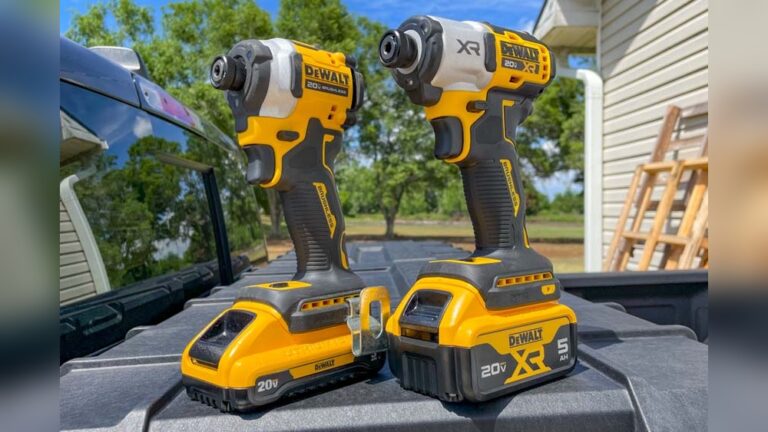
An impact drill-driver is a power tool designed to drive screws, bolts, and other fasteners into a variety of materials by combining rotational force with rapid, percussive impacts. This unique action distinguishes it from traditional drills and screwdrivers, making it especially effective for tough fastening jobs.
Mechanical Action: How It Works
At its core, the impact drill-driver utilizes a spring-loaded hammer and anvil mechanism. When resistance is encountered (such as a stubborn screw or dense material), the tool’s motor rotates a mass (the hammer) that strikes the anvil, producing a series of rapid, high-torque impacts. This action delivers bursts of torque far beyond what the motor alone could provide.
- Rotational torque is delivered to spin the bit.
- Percussive impacts occur tangentially (rotational impacts), not axially (straight-ahead blows as in hammer drills).
- The result: Fasteners are driven with less effort and reduced risk of cam-out (slipping out of the screw head).
Key Design Features
Modern impact drill-drivers typically feature:
- Hexagonal 1/4-inch quick-change chuck for rapid bit swaps.
- Compact, lightweight construction for ease of handling in tight spaces.
- Variable speed triggers and electronic controls for precision.
- Brushless motors in high-end models for increased efficiency and lifespan.
When And Why To Use An Impact Drill-driver
Impact drill-drivers are ideal for:
- Driving long screws or lag bolts into wood, metal, or masonry.
- Assembly and disassembly of heavy machinery.
- Construction framing, deck building, and fence installation.
- Automotive repairs requiring high torque for bolts.
Pro Tip: Impact drivers are NOT designed for drilling precision holes in wood or metal. For that, a standard drill or hammer drill is better suited.

Credit: ronixtools.com
Impact Drill-driver Vs. Other Power Tools: A Detailed Comparison
Understanding the specific advantages of an impact drill-driver requires comparing it to other common power tools. The following sections outline key differences and use cases.
Impact Drill-driver Vs. Standard Drill
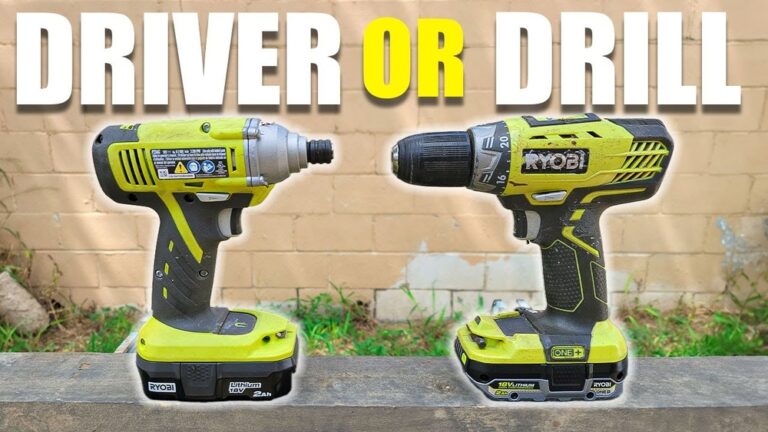
A standard drill uses a continuous rotational motion to drive drill bits or screwdriver bits. While versatile, it struggles with long or large fasteners, especially in dense materials. By contrast, the impact driver’s percussive action delivers much greater torque.
| Feature | Impact Drill-Driver | Standard Drill |
|---|---|---|
| Primary Function | Driving screws & bolts | Drilling holes & light driving |
| Torque Output | High (up to 2,000 in-lbs) | Moderate (350, 600 in-lbs) |
| Chuck Type | 1/4″ Hex Quick-Change | 3/8″ or 1/2″ Keyless |
| Ideal Materials | Wood, metal, masonry | Wood, metal, plastics |
| Precision Drilling | Poor | Excellent |
Impact Drill-driver Vs. Hammer Drill
A hammer drill combines rotation with axial blows to pulverize hard materials, mainly for drilling into concrete or masonry. In contrast, an impact driver’s impacts are rotational, making it ill-suited for masonry drilling but excellent for driving fasteners.
- Hammer drills: Best for drilling holes in concrete, brick, and stone.
- Impact drivers: Best for driving screws and bolts, especially in wood or metal.
Impact Drill-driver Vs. Impact Wrench
Both tools use impact mechanisms, but:
- Impact drivers: Smaller, designed for screws and small-to-medium bolts.
- Impact wrenches: Larger, use 1/2″ or 3/4″ square drives, intended for lug nuts and heavy bolts.
Summary Table: Tool Use Cases
| Tool Type | Best For | Not Suited For |
|---|---|---|
| Impact Drill-Driver | Driving screws, lag bolts | Precision drilling, masonry holes |
| Standard Drill | Drilling holes | Heavy screw driving |
| Hammer Drill | Masonry drilling | Driving screws |
| Impact Wrench | Automotive, heavy bolts | Light screw driving |
Key Features And Specifications: What To Look For In An Impact Drill-driver
Selecting the right impact drill-driver involves understanding several critical specifications and features that influence performance and usability.
Torque And Speed
- Torque (measured in inch-pounds, in-lbs): Indicates the tool’s turning force. Typical ranges are 1,000, 2,000 in-lbs for consumer and professional models.
- No-load speed (measured in RPM): Higher RPMs enable faster driving but may reduce control. Variable speed triggers are ideal for precision.
Battery Type And Voltage
Most modern impact drill-drivers are cordless, powered by lithium-ion batteries. Battery voltage directly affects power output:
- 12V models: Lightweight, suitable for light-duty tasks.
- 18V/20V models: Standard for professionals, offer a balance of power and portability.
- 36V+ models: Heavy-duty, used for construction or industrial work.
Pro Tip: Always check amp-hour (Ah) rating for battery longevity, a higher Ah means longer runtime.
Chuck And Bit Compatibility
Impact drill-drivers use a 1/4-inch hex chuck, requiring hex-shank bits. Some models offer tool-free bit changes for convenience.
- Use only impact-rated bits to avoid breakage.
- Magnetic bit holders can enhance efficiency for repetitive tasks.
Ergonomics And Build Quality
- Weight and balance: Lighter tools reduce fatigue, especially for overhead work.
- Grip comfort: Soft, contoured grips are preferable for long sessions.
- LED work lights: Illuminate dark areas for better precision.
- Durability: Reinforced housings and brushless motors increase lifespan.
Additional Features
- Brushless motor technology: Offers increased efficiency, longer life, and less heat.
- Electronic controls: Prevent overdriving or stripping screws.
- Belt clips and storage cases: Useful for job site mobility.
Comparison Table: Sample Specifications
| Model | Voltage | Max Torque (in-lbs) | Weight (lbs) | Brushless Motor | LED Light |
|---|---|---|---|---|---|
| Model A | 18V | 1,600 | 3.1 | Yes | Yes |
| Model B | 20V | 1,800 | 2.9 | Yes | Yes |
| Model C | 12V | 1,100 | 2.3 | No | No |
Credit: www.bosch-professional.com
Practical Applications And Real-world Examples
The versatility of impact drill-drivers shines in a wide range of scenarios, from construction sites to home workshops. Here are some real-world applications and short case studies.
Construction: Deck Building
A team of contractors used a set of 18V impact drill-drivers to assemble a 500-square-foot pressure-treated wood deck. The driver’s high torque allowed them to drive 4-inch lag screws into dense lumber without pre-drilling, reducing assembly time by 30% compared to standard drills.
Automotive: Mechanic’s Shop
In an automotive repair shop, mechanics utilize impact drill-drivers to quickly remove and install screws and small bolts on engine covers and body panels. The compact size makes it easy to work in tight engine bays, while the controlled impacts prevent thread stripping.
Home Improvement: Cabinet Installation
A homeowner installing kitchen cabinets benefited from an impact drill-driver’s precision and power. The tool’s variable speed and electronic clutch prevented overdriving screws, ensuring clean, flush finishes without splitting the wood.
Industrial Assembly
Manufacturing technicians frequently rely on impact drill-drivers for repetitive assembly of metal frames and machinery. The tool’s durability and consistent torque output translate into fewer wrist injuries and less downtime.
Advantages And Disadvantages Of Impact Drill-drivers
Understanding both strengths and limitations helps users choose the right tool for their needs.
Advantages
- High torque output: Drives long screws and bolts effortlessly.
- Reduces user fatigue: Percussive action absorbs the reaction force.
- Compact size: Fits into tight or awkward spaces.
- Quick bit changes: Saves time during repetitive tasks.
- Minimizes cam-out and screw stripping: Especially with Phillips and Torx fasteners.
Disadvantages
- Not ideal for drilling holes: Lacks the precision and chuck compatibility of standard drills.
- Loud operation: The impact mechanism produces noticeable noise.
- Requires impact-rated bits: Standard bits may snap under repeated impacts.
- Less control for delicate tasks: High torque can overdrive small fasteners.
- No clutch: Unlike many drills, impact drivers rarely have adjustable torque clutches.
When To Choose A Standard Drill Instead
- When drilling precise holes in wood, metal, or plastic.
- For delicate assembly tasks requiring low torque.
- If you need to use specialty drill bits with round shanks.
How To Use An Impact Drill-driver Safely And Effectively
Proper operation and safety practices are essential for getting the most from your impact drill-driver.
Preparation And Setup
- Select the correct bit: Always use impact-rated bits for durability and safety.
- Insert bit into hex chuck: Ensure it clicks securely into place.
- Check battery charge: A fully charged battery ensures consistent power.
- Adjust speed setting: Use variable speed triggers for better control.
Safe Operating Practices
- Wear safety glasses: Protect eyes from flying debris.
- Secure your workpiece: Use clamps or vices to prevent movement.
- Grip firmly: Maintain a steady hold to manage torque and impacts.
- Avoid over-tightening: Stop when the screw or bolt is flush.
Warning: Never use an impact drill-driver on fragile materials (e.g., thin plastics or softwoods) at full power, as the high torque can cause splitting or damage.
Maintenance Tips
- Regularly inspect bits and chuck: Replace worn or damaged bits.
- Clean vents and housing: Prevent dust buildup that can overheat the tool.
- Charge batteries properly: Store batteries in a cool, dry place and avoid overcharging.
- Lubricate moving parts: Consult manufacturer guidelines for lubrication intervals.
Troubleshooting Common Issues
- Bit slipping or falling out: Replace worn hex bits or check for debris in the chuck.
- Unusual noises or vibrations: Inspect internal components for wear; consult a technician if necessary.
- Reduced power or runtime: Test with a fully charged battery; replace old batteries if performance drops.
Buying Guide: Choosing The Right Impact Drill-driver For Your Needs
With dozens of models on the market, selecting the best impact drill-driver requires evaluating your specific requirements and comparing features.
Assess Your Needs
- DIY/Home Use: Occasional projects, light repairs, or furniture assembly? A 12V or 18V model with basic features may suffice.
- Professional/Contractor: Frequent, heavy-duty use? Opt for 18V/20V brushless models with high torque and long battery life.
- Automotive/Industrial: Focus on compactness and torque; consider models with adjustable speed and ergonomic design.
Brand And Warranty Considerations
Leading brands, such as DeWalt, Makita, Milwaukee, and Bosch, offer reliable tools and extensive warranty coverage. Always check for:
- Warranty length: At least 1, 3 years for tool and batteries.
- Service network: Availability of local repair centers.
Must-have Accessories
- Bit sets: Invest in a variety of impact-rated bits (Phillips, Torx, hex, nut drivers).
- Spare batteries: Ensure continuous operation.
- Carrying case: Protects the tool and organizes accessories.
Price Range And Value
Impact drill-drivers range from $60 for entry-level models to $250+ for high-end kits with multiple batteries and accessories. Compare specifications and reviews before purchasing.
For detailed specifications and reviews, consult trusted sources like Consumer Reports.
Maintenance, Safety, And Longevity: Getting The Most From Your Tool
A well-maintained impact drill-driver can provide years of reliable service. Follow these best practices to maximize performance and safety.
Routine Cleaning And Inspection
- After each use: Wipe down housing, clear vents, and remove debris from chuck.
- Monthly: Inspect battery contacts for corrosion and lubricate moving parts if recommended.
Battery Care
- Avoid deep discharges: Recharge batteries before fully draining.
- Store properly: Cool, dry environments extend battery life.
- Replace aging batteries: When runtime drops significantly, invest in new batteries.
Storage Tips
- Keep dry: Moisture can damage electronics and cause rust.
- Organize accessories: Store bits and batteries together to prevent loss.
Safety Reminders
- Use personal protective equipment: Always wear eye protection and hearing protection if working in confined spaces.
- Follow manufacturer guidelines: Adhere to recommended duty cycles and usage limits.
Frequently Asked Questions
What’s The Difference Between An Impact Drill-driver And A Hammer Drill?
An impact drill-driver uses rotational impacts to deliver high torque for driving screws and bolts, making it ideal for fastening. A hammer drill delivers rapid axial blows to the drill bit, which helps it bore holes into hard materials like concrete and masonry. Hammer drills are not optimal for driving screws, while impact drivers are not designed for masonry drilling.
Can I Use An Impact Drill-driver For Drilling Holes?
While it is possible to drill holes with an impact drill-driver using hex-shank drill bits, the tool is not optimized for precision drilling. Its high torque and concussive action can lead to less accurate holes and possible damage to delicate materials.
For clean, accurate drilling, a standard drill is recommended.
Do I Need Special Bits For An Impact Drill-driver?
Yes. Impact drill-drivers require impact-rated bits, which are engineered to withstand the high torque and repeated impacts. Standard drill or driver bits may break or wear out quickly if used in an impact driver. Impact-rated bits are often marked as such and are readily available at hardware stores.
How Do I Prevent Overdriving Screws With An Impact Drill-driver?
To avoid overdriving or stripping screws, use the tool’s variable speed trigger to start slowly and increase speed as needed. Some advanced models offer electronic controls to limit torque. Practicing on scrap material can help you learn the right amount of force and trigger control for your application.
What Maintenance Does An Impact Drill-driver Require?
Regular maintenance includes cleaning the tool after use, checking the chuck and bits for wear, keeping the battery charged and stored in optimal conditions, and inspecting for any signs of damage. Lubricate moving parts as recommended by the manufacturer. If you notice unusual noises, power loss, or excessive heat, have the tool inspected by a professional.
An impact drill-driver brings professional-grade fastening power to projects of all sizes, from home repairs to industrial assembly. Understanding its core technology, ideal use cases, and key features empowers users to select and operate the tool safely and efficiently. In my experience, investing in a quality impact drill-driver not only speeds up projects but also delivers consistent results with less effort. For more on tool technology and safety, visit the authoritative Wikipedia Impact Driver page. Whether you’re a weekend DIY enthusiast or a seasoned contractor, the right impact drill-driver is an indispensable asset for your toolkit.