A left hand drill bit is an uncommon but essential tool for machinists, mechanics, and engineers who frequently tackle challenging extraction jobs. While standard drill bits rotate clockwise, left hand drill bits turn counterclockwise, offering a unique set of advantages. Whether you’re dealing with broken bolts, damaged fasteners, or specialized fabrication requirements, understanding how left hand drill bits work, and when to use them, can save time, reduce frustration, and prevent costly damage.
For professionals and DIY enthusiasts alike, the right drill bit isn’t just about material or size; it’s about function. Left hand drill bits serve a dual purpose: they can drill new holes and remove broken screws or bolts, often without the need for additional extractors. This versatility makes them a staple in automotive shops, industrial settings, and home garages. This article explores the mechanics, advantages, and practical uses of left hand drill bits, backed by real-world examples and expert insights.
Key Takeaways
- Left hand drill bits rotate counterclockwise, making them ideal for removing broken or seized fasteners.
- They minimize the risk of further tightening or damaging stuck bolts during extraction.
- These bits are widely used in automotive repair, metalworking, and maintenance industries.
- Selecting the right material and size is crucial for success and safety.
- Proper technique and speed are essential to maximize effectiveness and tool life.
- Left hand drill bits can reduce the need for separate screw extractors in many cases.
What Is A Left Hand Drill Bit?
A left hand drill bit is a specialized twist drill bit designed to cut when rotated counterclockwise (leftward), opposite to the standard right hand (clockwise) drill bits. The spiral flutes and cutting edges are reversed, which changes both the direction of chip removal and the rotational force applied during drilling.
How Left Hand Drill Bits Are Made
Manufacturers produce left hand drill bits using the same high-speed steels, cobalt alloys, or carbide materials as standard bits. The primary distinction is in the flute geometry:
- Spiral direction: Flutes spiral to the left.
- Cutting edge: Sharpened to cut efficiently during counterclockwise rotation.
- Shank: Typically identical to right hand bits, ensuring compatibility with standard chucks.
The production process involves CNC grinding to precise tolerances, ensuring clean cutting action and durability.
How Left Hand Drill Bits Work
When a left hand drill bit is placed in a reversible drill set to rotate counterclockwise, it drills into the material while simultaneously applying a loosening force. This is particularly effective when the bit is used on a broken fastener:
- As drilling progresses, the bit tries to spin the fastener out in the direction that would normally loosen it.
- This dual action can often free a bolt without additional extraction tools.
Key Differences From Right Hand Drill Bits
While visually similar to the untrained eye, left hand drill bits differ in three critical ways:
- Cutting Direction: Left hand bits cut while rotating counterclockwise; right hand bits cut clockwise.
- Chip Evacuation: Chips move up and out in the opposite direction, reducing clogging in certain situations.
- Application: Left hand bits are specialized for extraction tasks, while right hand bits are general-purpose.
| Feature | Left Hand Drill Bit | Right Hand Drill Bit |
|---|---|---|
| Rotation Direction | Counterclockwise (reverse) | Clockwise (forward) |
| Main Use | Drilling, fastener removal | General drilling |
| Flute Spiral | Leftward | Rightward |
| Loosens Fasteners? | Yes | No |
| Commonality | Specialty | Standard |
Common Sizes And Standards
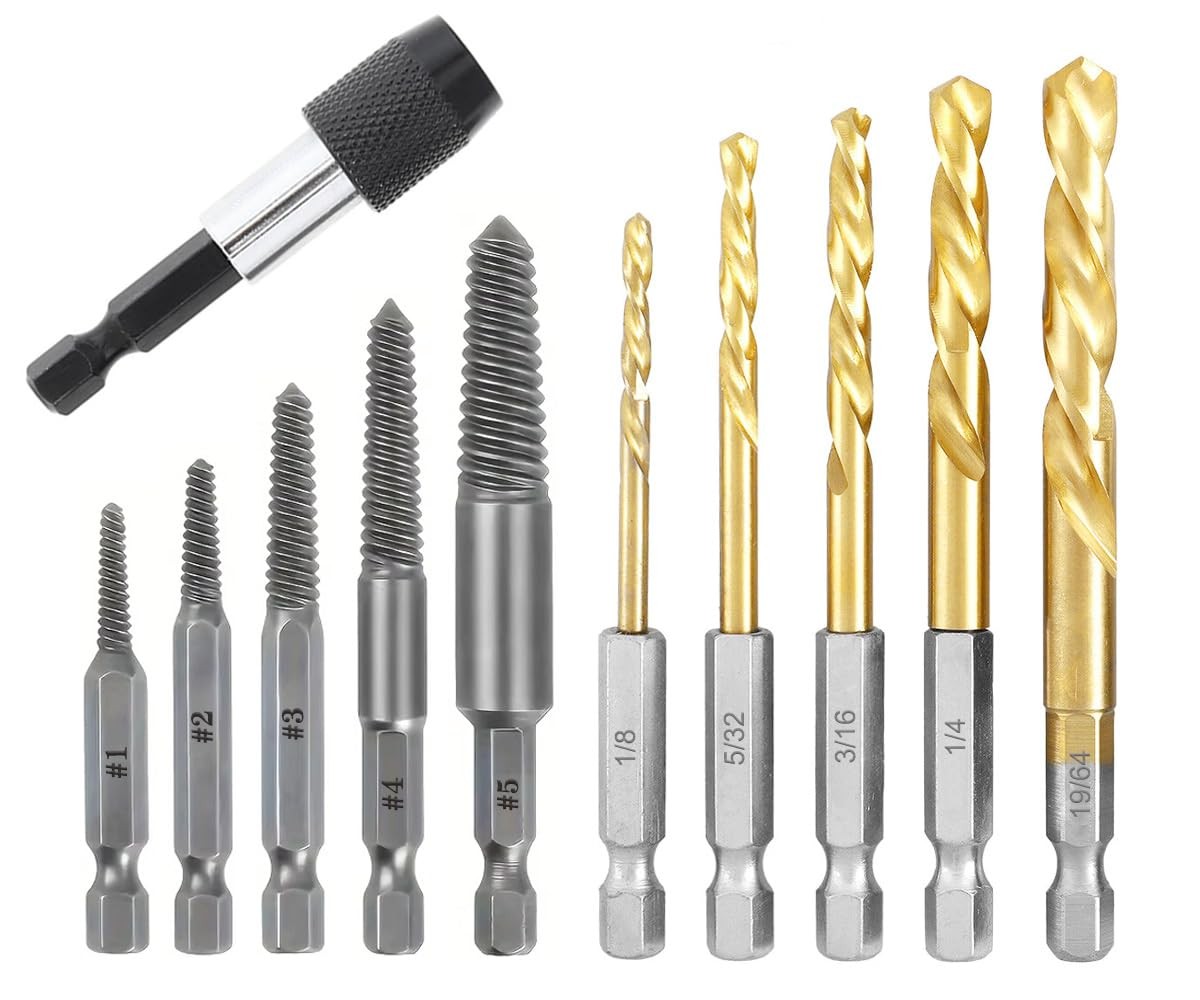
Left hand drill bits are manufactured in standard fractional, wire gauge, letter sizes, and metric dimensions. Popular sizes range from 1/16 inch to 1/2 inch, matching common fastener diameters. Industry standards such as ANSI B94. 11M and DIN 338 ensure consistency and interchangeability.
Credit: www.ebay.com
When And Why To Use A Left Hand Drill Bit
Understanding when a left hand drill bit is appropriate maximizes efficiency and minimizes risk. These tools excel in specific scenarios where conventional bits or extractors fall short.
Removing Broken Or Seized Fasteners
The primary application is extracting broken bolts, screws, or studs. When a fastener head shears off or the threads seize due to rust or over-torque, a left hand drill bit can:
- Drill into the center of the fastener.
- Apply reverse torque, potentially unscrewing the remnant without additional tools.
- Reduce the risk of driving the fastener deeper or expanding it against the hole.
Avoiding Further Damage
Standard right hand bits can inadvertently tighten a stuck fastener, making removal even harder. A left hand bit counters this:
- Minimizes the chance of the fastener binding.
- Prevents workpiece deformation, especially in softer metals.
Drilling Out Left-handed Fasteners
Some specialized machinery uses left-handed threaded fasteners. Only a left hand drill bit can safely drill these out without risking further tightening.
Examples From The Field
Example 1: Automotive Repair
A mechanic working on an engine block encounters a rusted exhaust manifold bolt with a snapped head. Using a left hand drill bit, he drills into the center. Midway through, the remaining bolt backs out, saving hours and avoiding damage to the threaded hole.
Example 2: Industrial Maintenance
During routine equipment servicing, a maintenance technician finds a seized set screw in a shaft coupling. With a left hand drill bit, the screw loosens before the hole is fully drilled, eliminating the need for a costly extractor set.
When Not To Use A Left Hand Drill Bit
While versatile, left hand drill bits aren’t always the best option:
- Soft materials (wood, plastic): Standard bits suffice; extraction not needed.
- Non-removal tasks: For simple hole creation with no fastener present, right hand bits are more common.
- Fragile workpieces: Extra care is needed, as reverse drilling can cause chipping in brittle materials.

Credit: www.youtube.com
Types Of Left Hand Drill Bits
Left hand drill bits are available in several variations, each suited to different materials, applications, and budgets.
High-speed Steel (hss) Left Hand Bits
High-speed steel left hand bits are the most common. They offer a balance of toughness, heat resistance, and affordability. Ideal for:
- Carbon steels
- Mild alloys
- Aluminum
Pro Tip: For most automotive and maintenance jobs, HSS left hand bits provide a reliable first-choice option.
Cobalt Left Hand Drill Bits
Cobalt alloy left hand drill bits (typically M35 or M42 grades) are engineered for high performance on hardened steels and stainless alloys. Their advantages include:
- Superior red hardness (maintains sharpness at high temperatures)
- Extended tool life in tough applications
Best suited for:
- Alloyed steels
- Stainless steel
- Heat-treated fasteners
Carbide-tipped Left Hand Drill Bits
For extreme-duty or precision applications, carbide-tipped left hand bits offer maximum hardness and wear resistance. These are used for:
- Abrasive materials (cast iron, composites)
- High-volume production
Warning: Carbide bits are brittle and expensive. Use only in rigid setups and avoid side loads.
Left Hand Step Drill Bits
Step drill bits with a left hand spiral are less common but available for specific sheet metal and thin material drilling, especially when paired with extraction tasks.
Coatings And Special Features
Many left hand drill bits feature advanced coatings for improved performance:
- Titanium nitride (TiN): Increases hardness and lubricity.
- Black oxide: Improves corrosion resistance and chip flow.
- Parabolic flutes: Enhance chip evacuation during deep drilling.
Size And Set Options
Left hand drill bits are sold individually or in sets. Extraction sets typically contain:
- Multiple bit sizes tailored to common fastener diameters.
- Matching screw extractors for cases where the bit alone does not remove the fastener.
| Material | Best For | Durability | Cost |
|---|---|---|---|
| High-Speed Steel | General metals | Good | Low |
| Cobalt Alloy | Stainless steel, hard alloys | Very good | Medium |
| Carbide-Tipped | Cast iron, abrasive materials | Excellent | High |
How To Use A Left Hand Drill Bit Effectively
Proper technique is critical for safety, efficiency, and tool longevity. In my experience, following a systematic approach greatly increases the chances of successful extraction.
Preparation And Safety
Before starting:
- Wear eye protection and gloves; metal chips can be sharp.
- Ensure the workpiece is securely clamped or supported.
- Select a left hand drill bit slightly smaller than the fastener core.
- Use a center punch to mark the drilling location for accuracy.
Drill Setup
- Insert the left hand drill bit into a reversible drill or drill press.
- Set the drill to reverse (counterclockwise) rotation.
- Adjust speed: Use a slow to medium RPM to prevent overheating and maximize control.
Drilling Technique
- Apply steady, moderate pressure, do not force the bit.
- Start with a pilot hole for large fasteners.
- Periodically clear chips to avoid clogging.
- If the fastener begins to turn, pause to see if it can be unscrewed by hand.
Example: A technician drilling out a broken 8mm bolt uses a 3mm left hand bit, then steps up to 5mm after the pilot hole. The bolt backs out after the second pass, avoiding the need for a tap.
Extraction And Aftercare
If the bolt doesn’t loosen:
- Continue drilling until there’s enough cavity for a screw extractor.
- Switch to a matching left hand screw extractor if needed.
After removal:
- Inspect and clean the hole.
- Chase threads with a tap if necessary to remove debris or correct minor damage.
Common Mistakes To Avoid
- Forgetting to set the drill in reverse, can break the bit or worsen the jam.
- Using excessive speed, leads to overheating and dulling.
- Applying too much pressure, risks snapping the bit.
Benefits And Limitations Of Left Hand Drill Bits
While left hand drill bits offer distinct advantages, they are not without drawbacks. Weighing both sides helps determine the best tool for each job.
Key Benefits
- Dual functionality: Drill and extract in one step.
- Reduced risk: Less likely to further tighten broken fasteners.
- Time savings: Can eliminate the need for separate extractors.
- Precision: Allows centered drilling, minimizing damage to threads.
Limitations
- Specialty tool: Not as widely available as standard bits.
- Skill requirement: Requires proper technique and experience for best results.
- Limited use cases: Primarily for extraction; not always needed for new hole creation.
- Fragility: Can break if misused, especially in hard or uneven materials.
Cost Considerations
Left hand drill bits are generally more expensive than equivalent right hand bits due to lower production volumes and specialized use. However, the cost is often justified by time and labor savings on difficult extractions.
Example: A maintenance department spends $50 on a left hand drill bit set but saves several hours of technician time each month, quickly offsetting the initial investment.
Comparison To Screw Extractors
Left hand drill bits are sometimes used alongside or in place of screw extractors. The table below highlights their respective strengths:
| Feature | Left Hand Drill Bit | Screw Extractor |
|---|---|---|
| Removes fastener while drilling | Yes | No |
| Requires pre-drilled hole? | No (sometimes) | Yes |
| Risk of further tightening | Low | Medium |
| Thread damage risk | Low | Medium |
| Ease of use | Moderate | Moderate to difficult |
Choosing The Right Left Hand Drill Bit
Selecting the ideal left hand drill bit depends on the application, material, and desired outcome.
Consider The Material
- Steel/alloy bolts: Opt for cobalt or HSS left hand bits.
- Stainless steel: Choose high-cobalt content for hardness.
- Cast iron: Carbide-tipped bits perform best.
Match The Size
- Use a bit 1/64″ to 1/32″ smaller than the fastener’s core diameter for pilot holes.
- For extraction, start small and increase size as needed to avoid damaging threads.
Evaluate Coatings
- TiN or black oxide: Reduces friction, increases bit life.
- Uncoated bits: Sufficient for occasional use.
Buy Quality Brands
Reliable brands include:
- Irwin
- Drill America
- Viking
- Dormer
Check for compliance with ANSI or DIN standards for guaranteed quality.
Single Bits Vs. Sets
- Individual bits: Good for one-off repairs.
- Extraction sets: Offer multiple sizes and extractors for versatility.
Pro Tip: For professionals, investing in a set saves money and ensures readiness for any extraction scenario.
Where To Buy
Left hand drill bits are available at:
- Industrial supply stores
- Automotive tool retailers
- Major online marketplaces
For more information on sourcing, see the Wikipedia article on drill bits.
Maintenance, Care, And Safety Tips
Proper maintenance and safe handling prolong the life of your left hand drill bits and ensure optimal performance.
Cleaning And Storage
- Wipe bits clean after use to remove chips and lubricants.
- Store in a labeled case or rack to prevent mix-ups with right hand bits.
- Periodically check for signs of wear, nicks, or dullness.
Sharpening
- Use a specialized drill bit sharpener with settings for left hand flutes.
- Maintain correct angles (typically 118° or 135° point) for effective cutting.
- Replace bits that are chipped or excessively worn.
Lubrication
- Use appropriate cutting fluids for metal drilling (e.g., oil for steel, water-based for aluminum).
- Lubrication reduces heat, prevents sticking, and extends bit life.
Safety Precautions
- Always wear eye and hand protection.
- Secure workpieces to prevent movement.
- Never force a jammed bit, stop, clear chips, and reset.
- Inspect bits before use for cracks or defects.
Handling Broken Bits
- If a left hand bit breaks inside a fastener, use a carbide burr or EDM (electrical discharge machining) for removal.
- Avoid using excessive leverage or mismatched tools.
Training And Skill Development
- Practice on scrap material before tackling critical jobs.
- Review manufacturer safety guidelines and technical datasheets.
For more detailed safety recommendations, refer to the OSHA guidelines on hand and power tools.
Real-world Applications And Case Studies
Understanding how left hand drill bits solve real problems provides valuable context for their importance.
Automotive Engine Repair
An engine technician encounters a snapped exhaust bolt flush with the cylinder head. Traditional extractors fail to bite due to hardened steel. Switching to a cobalt left hand drill bit, the technician drills a pilot hole and, halfway through, the bolt thread begins to unwind.
The bit’s reverse torque enables complete removal without damaging the aluminum head.
Manufacturing Equipment Maintenance
A food processing plant faces downtime when a stainless steel set screw shears inside a conveyor assembly. A carbide-tipped left hand bit is used to drill out the screw. The bit’s hardness and reverse spiral prevent further tightening. The set screw backs out, and the plant resumes operation with minimal delay.
Construction And Heavy Equipment
A field service mechanic must remove a rusted, broken fastener from a bulldozer. Conditions are harsh, and time is critical. Using a left hand drill bit, the mechanic extracts the bolt in one step, avoiding the need for heat or chemical penetrants that could damage paint and seals.
First-person Experience: Home Workshop
When I tested a left hand drill bit on a broken M6 bolt in a cast iron vice, I found the bit started to “bite” and rotate the bolt core after only 5 seconds of drilling. The fastener loosened and was removed without thread damage, proving the tool’s effectiveness for DIY repairs.
Aerospace Applications
In aircraft maintenance, titanium fasteners sometimes seize due to galvanic corrosion. Certified mechanics use left hand cobalt drill bits to safely start extraction, minimizing risk to surrounding components and maintaining structural integrity.
Frequently Asked Questions
What Is The Primary Advantage Of Using A Left Hand Drill Bit For Bolt Extraction?
The main advantage is that left hand drill bits rotate in the loosening direction, so they can actually unscrew a broken or seized fastener while drilling into it. This reduces the risk of the fastener tightening further, which often happens with standard right hand bits. In many cases, the fastener will back out before you need to use a separate extractor.
Can Left Hand Drill Bits Be Used For Standard Drilling Tasks?
Yes, left hand drill bits can drill holes in a variety of materials, but their primary benefit is for extraction. For general drilling, standard right hand bits are usually more convenient. However, if you’re working on a workpiece with left hand threaded components, a left hand drill bit is essential to avoid accidental tightening.
How Do I Know If My Drill Bit Is Left Handed?
You can identify a left hand drill bit by examining the spiral direction of the flutes, they twist to the left rather than the right. When held vertically, the cutting edge should spiral upward to the left. Also, the packaging or shank is usually labeled as “LH” or “Left Hand.
“
Are Left Hand Drill Bits Available In All The Same Sizes As Right Hand Bits?
Left hand drill bits are manufactured in most common sizes, including fractional, wire gauge, letter, and metric dimensions. However, the selection may be more limited compared to right hand bits, especially in specialty materials like carbide or in very large diameters.
Extraction sets typically cover the most-used sizes for fastener removal.
Is It Possible To Sharpen A Left Hand Drill Bit At Home?
Sharpening left hand drill bits is possible with the right equipment. You need a drill bit sharpener or a bench grinder capable of handling reverse spiral flutes and maintaining the correct cutting angles. It’s important to label or separate left hand bits to avoid confusion, as their geometry differs from standard bits.
A left hand drill bit is an invaluable addition to the toolkit of anyone who regularly faces stubborn fasteners or works with specialized machinery. By understanding their unique design, best practices, and limitations, you can save time, protect your equipment, and achieve professional-quality results.
Invest in a quality set, practice safe techniques, and you’ll be prepared to tackle even the most challenging extraction tasks with confidence.