Choosing the right drill bit size for tapping threads is a critical aspect of metalworking, engineering, and DIY fabrication. For those working with a 12-24 tap, selecting the optimal drill bit is the difference between a smooth, strong thread and a stripped, unusable hole. With the growing popularity of custom fabrication and repair projects, the demand for precise threading has soared. Yet, confusion often arises around which drill size matches the 12-24 tap, especially given the array of materials and application scenarios.
From experienced machinists to weekend hobbyists, many have faced the frustration of ruined parts or weak threads due to improper drill sizing. There’s more to this process than simply matching numbers, a true understanding involves thread geometry, material properties, and the nuances of different drilling and tapping methods.
This article offers a comprehensive, data-driven guide to the 12-24 tap, spotlighting the 12 most important factors you need to consider. Whether you’re equipping a professional machine shop or setting up a home garage, this guide brings clarity, actionable advice, and confidence to every tapping job.
Key Takeaways
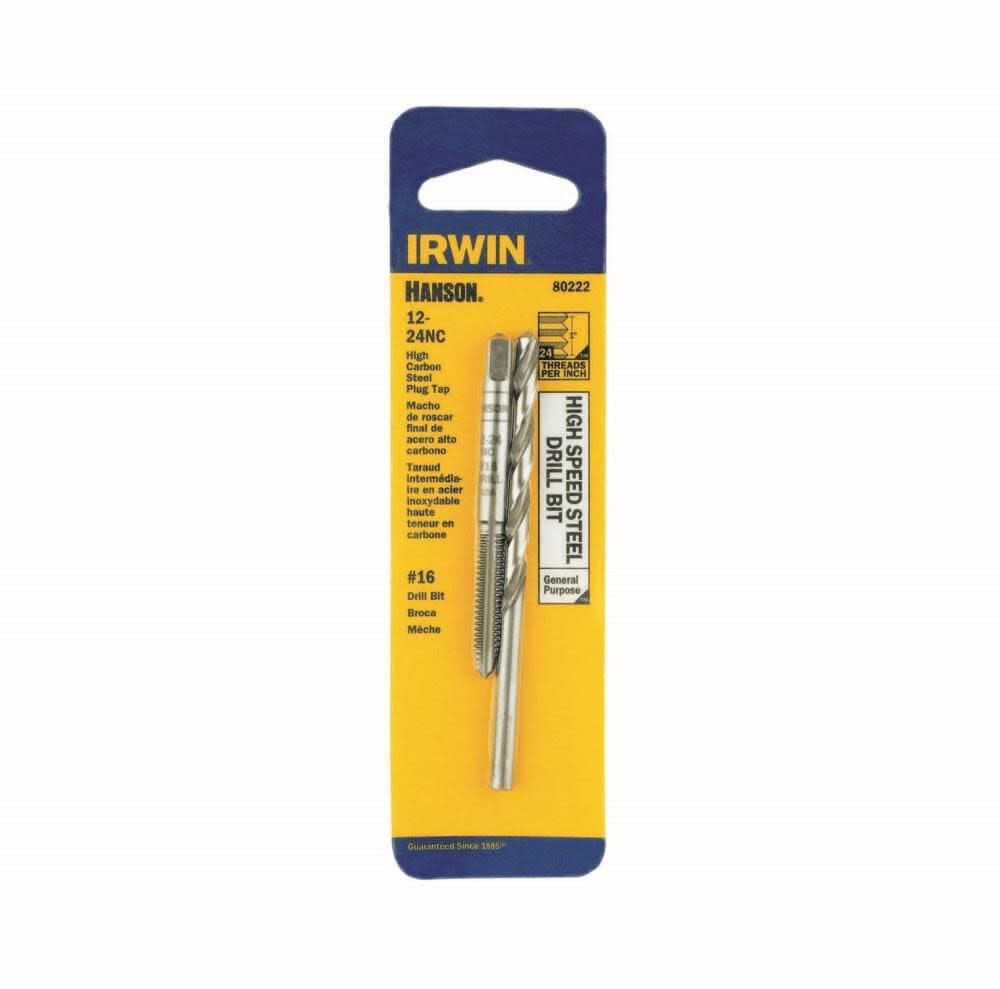
- The correct drill bit size for a 12-24 tap is typically #16 (0.1770″), but variations depend on material and thread engagement needs.
- There are 12 crucial considerations when selecting a drill bit for a 12-24 tap, each impacting thread quality and durability.
- Material type, hole depth, and tap style can require adjustments to the recommended drill bit size.
- Proper technique, including lubrication and alignment, is as important as drill bit selection for successful tapping.
- Understanding thread percentage and engagement ensures both strength and ease of assembly.
- Common mistakes, such as using the wrong drill bit or skipping pilot holes, can compromise the final result.
Credit: www.amazon.com
Understanding The 12-24 Tap And Drill Bit Sizing
The 12-24 tap is a widely used thread size in the Unified Thread Standard (UTS) system, common for fasteners in machinery, automotive, electronics, and aerospace industries. Knowing its specifications and the logic behind drill bit matching is foundational for achieving precise, reliable threads.
What Does “12-24” Mean?
The “12” refers to the screw size, which is an arbitrary number in the Unified system corresponding to a specific major diameter (in this case, approximately 0.216″). The “24” indicates there are 24 threads per inch (TPI). This combination delivers a fine thread suitable for applications requiring higher strength and better resistance to vibration.
The Science Of Tap Drill Sizes
Selecting a drill bit for any tap involves calculating the correct hole diameter to allow the tap’s cutting edges to form threads without excessive force, which could break the tap or create weak threads. The industry-standard formula for tap drill size is:
Tap Drill Size = Major Diameter – (1/TPI)
For a 12-24 tap:
- Major Diameter = 0.2160″
- 1/24 = 0.0417″
- Tap Drill Size = 0.2160 – 0.0417 = 0.1743″
The closest standard drill bit size is #16 (0.1770″), which is widely recommended for a 12-24 tap.
Why Drill Bit Size Matters
An undersized hole increases the risk of tap breakage and excessive torque, while an oversized hole produces weak threads that may fail under load. The right drill bit size also affects thread engagement, the proportion of the thread that actually supports the load.
Example: A technician using a slightly larger bit for aluminum to reduce the risk of tap breakage, while using the standard #16 for steel to maximize thread strength.
Comparison Table: 12-24 Tap Dimensions
| Specification | Value | Notes |
|---|---|---|
| Major Diameter | 0.2160″ | Screw external diameter |
| Threads Per Inch (TPI) | 24 | Fine thread |
| Recommended Drill Size | #16 (0.1770″) | Standard for 75% thread engagement |
| Alternate Drill Size | #17 (0.1730″) | Higher engagement, riskier in hard materials |
| Common Material Applications | Steel, aluminum, plastics | Adjust for material hardness |
The 12 Essential Factors For Choosing A 12-24 Tap Drill Bit
To ensure optimal results, these 12 factors should each be weighed carefully. Each factor has a dedicated subsection below, providing actionable insights for both novices and professionals.
1. Standard Drill Bit Size: 16 (0.1770″)
The #16 drill bit is the industry standard for a 12-24 tap. This size offers approximately 75% thread engagement, balancing strength with ease of tapping. It is widely available and referenced in most tap and drill charts.
- Best for: General-purpose applications in steel, aluminum, and most metals.
- Availability: Easily found in hardware stores and online.
2. Thread Engagement Percentage
Thread engagement refers to how much of the screw’s threads actually grip the material. The standard aim is 70-75%, which provides optimal strength without excessive tapping force. Higher engagement increases holding power but also makes tapping more difficult and increases the risk of tap breakage.
- Pro Tip: For non-critical assemblies, 60-65% may suffice, especially in softer materials.
3. Material Type
Different materials require different drilling strategies:
- Hard metals (stainless steel, titanium): Consider slightly increasing hole size (e.g., #15 or #14 bit) to reduce tap breakage risk.
- Soft metals (aluminum, brass): Stick with standard #16 for best thread strength.
- Plastics/composites: May tolerate a slightly larger hole to avoid thread stripping.
Example: When tapping threads in 304 stainless steel, using a #15 (0.1800″) bit can make the process safer and easier, sacrificing a small amount of thread engagement.
4. Tap Type: Hand Vs. Machine
Hand taps are typically used manually and benefit from standard hole sizes, while machine taps, used in drill presses or CNC machines, can handle slightly higher engagement due to more consistent force application.
- Hand tapping: Use #16 or even #15 for harder materials.
- Machine tapping: Standard #16, or #17 for maximum engagement in softer materials.
5. Hole Depth And Blind Vs. Through Holes
Blind holes (holes that do not go all the way through the material) require careful depth control and may benefit from a slightly larger hole to avoid tap jamming at the bottom.
- Through holes: Standard #16 bit is ideal.
- Blind holes: Consider #15 for deep blind holes in hard materials.
6. Pilot Holes And Multi-step Drilling
Using a pilot hole, a smaller initial hole before the final drill size, improves accuracy and reduces the risk of wandering, especially in hard materials. Multi-step drilling is recommended for thick or layered materials.
- Pilot drill size: Start with a bit 25-50% smaller than #16.
- Multi-step: Gradually increase to final size.
7. Drill Bit Material And Quality
High-speed steel (HSS) bits are suitable for most applications. For harder materials or production environments, cobalt or carbide bits offer longer life and better performance.
| Drill Bit Material | Advantages | Best For |
|---|---|---|
| HSS | Affordable, versatile | General metalwork, DIY |
| Cobalt | High heat resistance, durable | Stainless steel, hard alloys |
| Carbide | Extreme hardness, long life | Production, abrasive materials |
8. Lubrication And Coolant Use
Lubrication is essential for both drilling and tapping, especially in metals. It reduces friction, heat, and tool wear, resulting in cleaner holes and longer tap life.
- Best lubricants: Cutting oil for steel, light oil for aluminum, specialized tap fluids for stainless.
- Pro Tip: For plastics, use air or water as a coolant to prevent melting.
9. Drill Speed And Feed Rate
Drill speed (RPM) and feed rate impact hole quality and tool life. Too high a speed causes overheating and dulls bits; too low can cause chatter.
- Steel: 600-900 RPM for #16 bit.
- Aluminum: 1000-1500 RPM.
- Plastics: 1000-2000 RPM, but monitor for melting.
10. Drill Bit Runout And Alignment
Runout refers to the wobble or eccentricity of the bit during drilling. Excessive runout leads to oversized holes, poor thread engagement, and increased tap breakage.
- Check alignment: Use a drill press for best accuracy.
- Minimize runout: Use quality chucks and check bits for straightness.
11. Clearance And Countersinking
After drilling the tap hole, countersinking the entry slightly helps the tap start straight and prevents thread burrs. Clearance holes (slightly larger than the screw) are used in non-threaded parts for bolt passage.
- Countersink size: Use a 90° countersink tool, just enough to break the edge.
12. Common Mistakes And Troubleshooting
Even experienced technicians can make errors:
- Using the wrong drill size (too large or small).
- Skipping pilot holes, causing drill wander.
- Forgetting lubrication, leading to broken taps.
- Not checking hole depth in blind holes.
- Using dull or worn drill bits.
Example: In my experience, a #17 drill bit was mistakenly used for a 12-24 tap in steel; the resulting threads were too loose and stripped under moderate torque, requiring a costly rework.
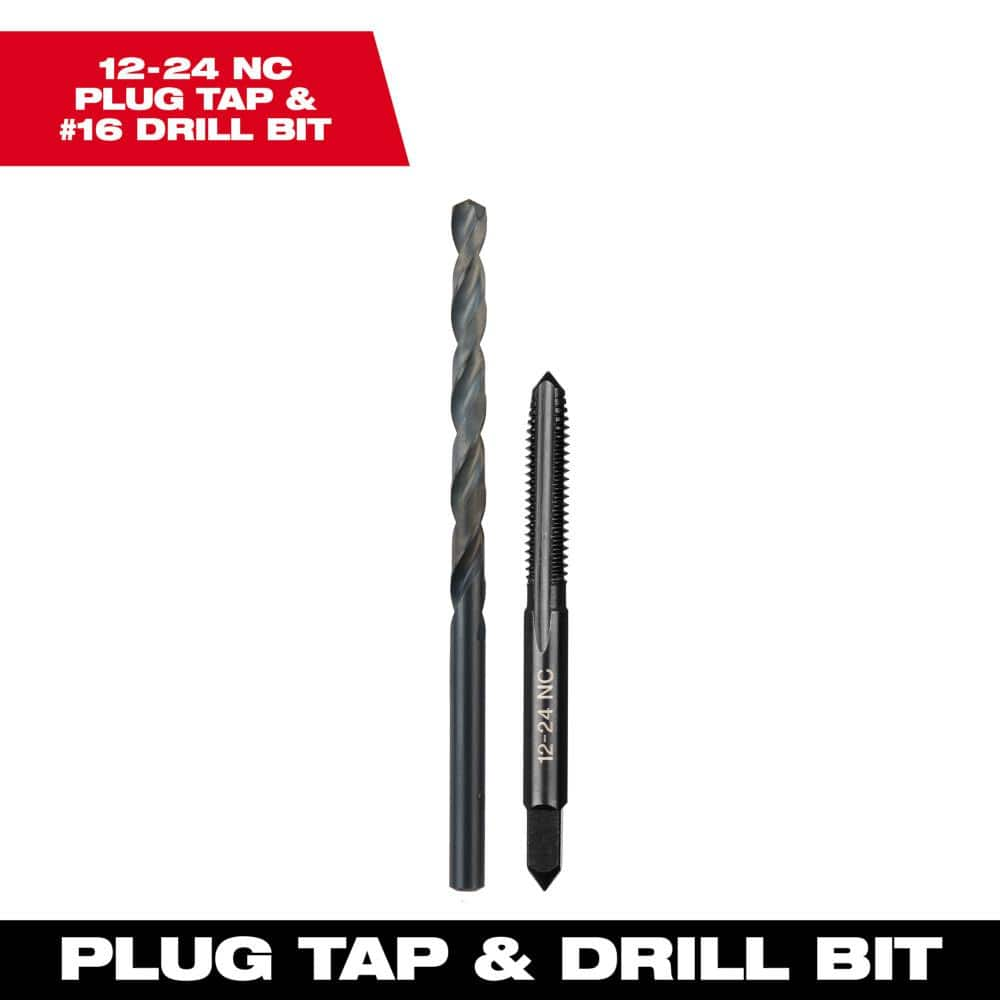
Credit: www.homedepot.com
Best Practices For Tapping With A 12-24 Tap
Ensuring successful, reliable threads involves more than just choosing the right bit. Here, we break down proven techniques and tips for each stage of the process.
Proper Marking And Center Punching
Before drilling, precisely mark the hole location and use a center punch to prevent the bit from wandering. This is especially critical in hard or slippery materials.
Drilling Technique
- Drill at a steady, moderate speed.
- Clear chips frequently to avoid clogging.
- For deep holes, back the bit out regularly to prevent overheating.
Tapping Process
- Use the correct tap for the material (taper, plug, or bottoming).
- Turn the tap slowly, backing out every half turn to clear chips.
- Apply steady, even pressure to avoid side loading and breakage.
Inspection And Quality Control
- Check thread fit with a thread gauge or sample bolt.
- Inspect for burrs or incomplete threads.
- Measure depth to ensure full engagement.

Credit: drillsandcutters.com
Real-world Examples And Case Studies
Example 1: Automotive Repair Shop
An automotive repair shop needed to tap 12-24 threads in a steel engine bracket. Initially, technicians used a #17 bit, resulting in weak threads that failed during engine vibration tests. Switching to the recommended #16 bit improved thread engagement and durability, passing all quality checks.
Example 2: Electronics Assembly
A small electronics manufacturer tapped 12-24 holes in aluminum chassis plates. To prevent tap breakage, they used a #15 drill bit, sacrificing some thread engagement for ease of assembly. The approach worked due to the low mechanical stress in this application.
Example 3: Home Workshop Diy
A DIY enthusiast, unsure of the correct drill size, started with a 5mm (~0. 197″) bit for a 12-24 tap in plastic. The threads were too loose. After consulting a chart, the user switched to a #16 bit, resulting in a tight, strong fit for the mounting screws.
Data-driven Comparison: 12-24 Tap Drill Sizes By Material
Selecting the optimal drill bit size sometimes depends on the type of material being tapped. The table below shows recommended drill sizes and thread engagement levels for common materials:
| Material | Recommended Drill Size | Approx. Thread Engagement (%) | Notes |
|---|---|---|---|
| Steel | #16 (0.1770″) | 75 | Best strength-to-effort ratio |
| Stainless Steel | #15 (0.1800″) | 65 | Reduces tap breakage |
| Aluminum | #16 (0.1770″) | 75 | Standard practice |
| Brass | #16 (0.1770″) | 70 | Good balance |
| Plastic | #15 (0.1800″) | 60 | Prevents splitting/stripping |
Tips For Extending Tap And Drill Bit Life
Prolonging the life of your tools saves money and enhances results. Here are key strategies:
- Always use sharp, undamaged drill bits and taps.
- Store bits and taps in protective cases to prevent nicks and corrosion.
- Clean chips from the hole and the tool frequently during use.
- For high-volume work, consider specialized coatings (TiN, TiCN) for taps and bits.
Sourcing Quality Drill Bits And Taps
Investing in high-quality tools makes a noticeable difference. Reputable brands such as Irwin, Dormer, and Vermont American offer precision-ground bits and taps designed for longevity and accuracy. For technical charts, standards, and additional guidance, resources like the Engineers Edge Tap Drill Chart are invaluable.
Pro Tip: Always verify that the drill bit you buy matches the stated size, some imported bits may be slightly off spec.
Safety Considerations When Drilling And Tapping
Safety should never be overlooked. Important precautions include:
- Wear safety glasses to protect against flying chips.
- Secure the workpiece firmly using a vise or clamp.
- Keep hands clear of rotating tools.
- Use cutting fluids in well-ventilated areas.
A mishap with a small tap or drill can cause serious injury, especially with hand tools that may slip unexpectedly.
Frequently Asked Questions
What If I Don’t Have A 16 Drill Bit For A 12-24 Tap?
If a #16 drill bit isn’t available, you can substitute with a 4.5mm (0.1772″) metric bit, which is nearly identical. Alternatively, a #15 (0.1800″) bit will slightly reduce thread engagement but is acceptable for softer materials or less critical applications.
How Deep Should I Drill For A 12-24 Tap?
The hole should be at least the length of the threaded fastener plus 1. 5 times the diameter (about 0. 33″ extra) to ensure full thread engagement and prevent bottoming out the tap. For blind holes, use a depth stop and account for the tap’s tapered lead.
Can I Use A Cordless Drill For Tapping A 12-24 Thread?
While you can use a cordless drill for drilling the hole, it’s not recommended for the tapping process unless the drill has a very slow speed and good torque control. Tapping by hand provides better feel and reduces the risk of breaking the tap.
Is Thread Lubricant Always Necessary For 12-24 Tapping?
Lubrication is highly recommended for metals as it eases cutting, reduces friction, and extends tool life. For plastics, lubricants can sometimes degrade the material, so air or water cooling may be preferable.
What’s The Risk Of Using A Slightly Larger Or Smaller Drill Bit Than Recommended?
Using a slightly larger bit decreases thread engagement, possibly leading to weak threads that can strip under load. A smaller bit increases engagement but makes tapping harder and raises the chance of tap breakage, especially in tough materials. Always aim for the recommended size for your material.
Selecting the right drill bit size for a 12-24 tap is a nuanced task that rewards careful planning and execution. By understanding the interplay between bit size, thread engagement, material properties, and tapping technique, you can achieve robust, reliable threads in any application. Whether you’re outfitting a professional shop or working on a garage project, following the 12 critical considerations outlined here will ensure your tapping jobs are a success. For further technical details, consult authoritative sources such as the Wikipedia Tap and Die article and always use the best practices for tool care and safety. In my experience, these details make the difference between a frustrating repair and a job well done.