Drilling is a foundational task in woodworking, construction, and countless DIY projects, but using the wrong bit can mean the difference between a clean, precise hole and a ruined workpiece or damaged tool. Among the most common drilling dilemmas is choosing between masonry drill bits and wood drill bits. Each is engineered for very different materials and tasks, but confusion persists, especially among beginners and even seasoned professionals venturing outside their usual trades. This comprehensive guide will demystify the differences, applications, and best practices for each type, equipping you to make informed, efficient, and safe choices on the job site or in your workshop.
Understanding the nuances between these two bit types is crucial not only for tool longevity but also for achieving the best possible results in your work. Whether you’re installing shelves in drywall, anchoring hardware into concrete, or crafting fine furniture, selecting the proper drill bit is as important as the drill itself.
In my experience, even experienced tradespeople sometimes underestimate how dramatically bit selection affects speed, finish quality, and even safety. Let’s break down everything you need to know, backed by expert insights, real-world examples, and actionable tips.
Key Takeaways
- Masonry drill bits are optimized for hard, abrasive materials like concrete, brick, and stone, while wood drill bits are specialized for clean, precise holes in wood and softer materials.
- Using the wrong bit type can lead to poor results, rapid tool wear, and even safety hazards.
- Key differences include tip design, material composition, and intended drilling speed.
- Each bit type has unique maintenance needs, cost considerations, and optimal use cases.
- Real-world case studies demonstrate how bit selection impacts efficiency and project outcomes.
- Proper storage, cleaning, and sharpening are essential for maximizing the lifespan of your drill bits.
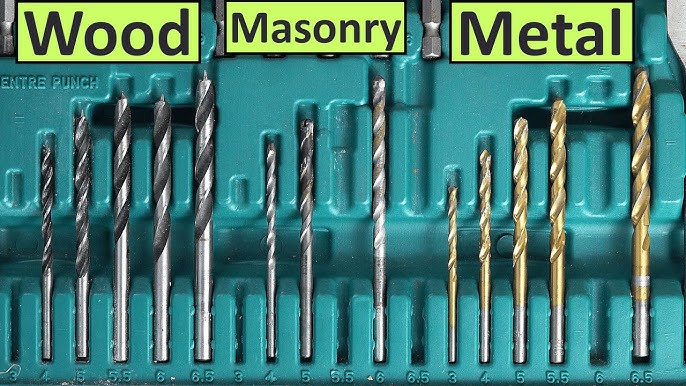
Credit: www.youtube.com
Understanding Drill Bits: The Basics
What Is A Masonry Drill Bit?
A masonry drill bit is designed to bore holes into hard, brittle surfaces such as concrete, brick, stone, and mortar. It is typically constructed with a hardened steel shaft and a tungsten carbide tip, which provides the necessary hardness to penetrate dense materials without excessive wear.
Key features of masonry drill bits include:
- Blunt, chisel-shaped tip: The flat, wide tip grinds rather than cuts, reducing the risk of cracking brittle substrates.
- Spiral flutes: Designed to remove dust and debris efficiently from the drilled hole.
- Carbide or industrial diamond tip: Ensures longevity and effectiveness in abrasive environments.
Masonry bits are commonly used with hammer drills or rotary hammers, which combine rotational force with percussive impacts to efficiently break through tough materials.
What Is A Wood Drill Bit?
A wood drill bit is engineered for drilling into soft, fibrous materials like hardwood, softwood, plywood, and certain plastics. Unlike masonry bits, wood bits are typically made of high-speed steel (HSS) or carbon steel and feature a sharp, pointed tip for precision entry.
Core design characteristics include:
- Brad point or spur tip: Center point engages the wood precisely, preventing wandering and ensuring clean entry.
- Wide, deep flutes: Clear chips and shavings quickly, reducing friction and heat buildup.
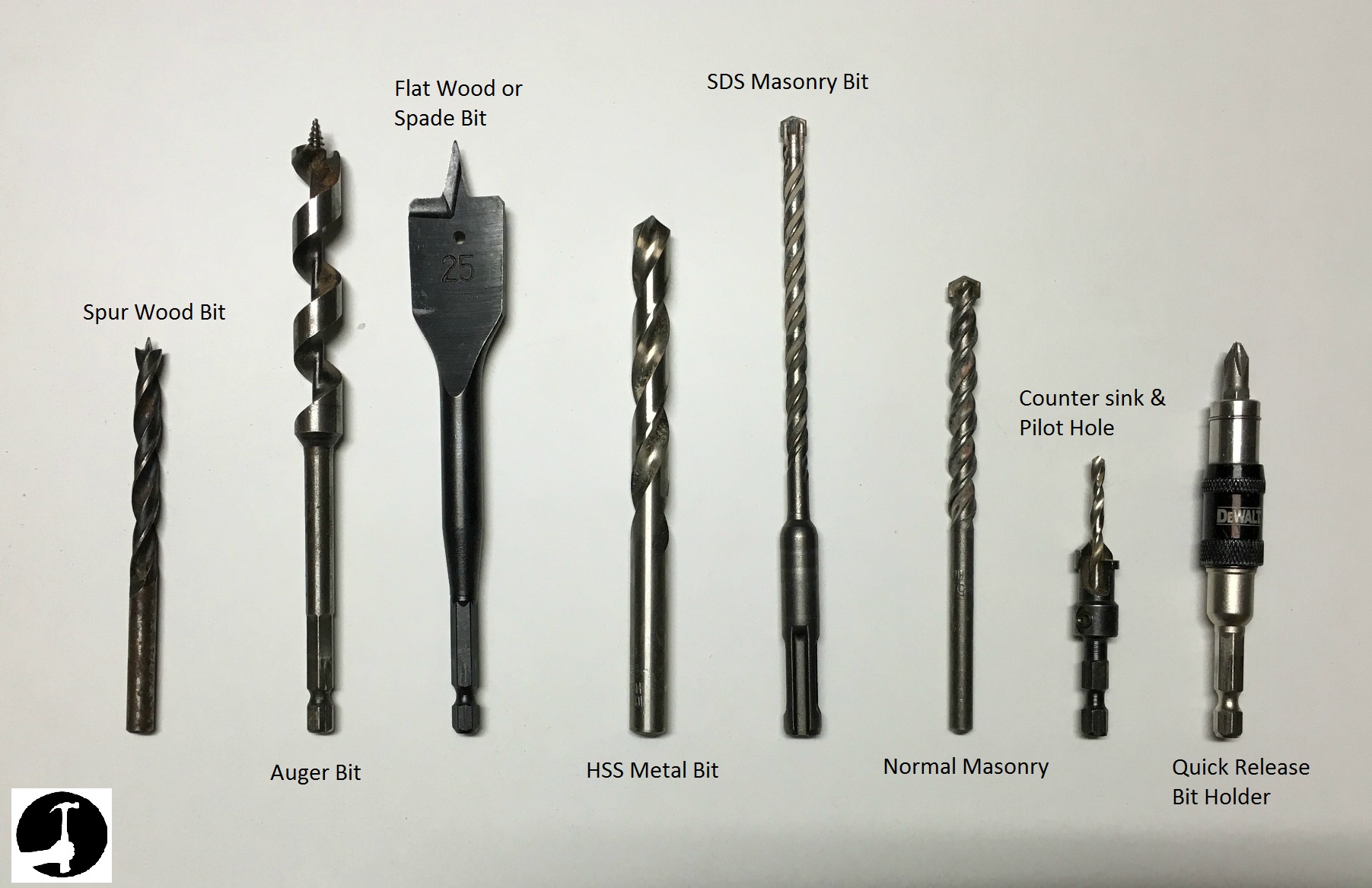
- Various geometries: Includes spade bits, auger bits, and Forstner bits, each suited for specific hole shapes and sizes.
Wood bits are meant for use with standard drills or drill presses and are optimized for lower speeds compared to masonry bits, ensuring a smooth, splinter-free finish.
Why Bit Selection Matters
The material compatibility of your drill bit directly impacts the quality of your work, tool lifespan, and even workplace safety. Using the wrong bit can lead to:
- Burned or splintered wood
- Cracked masonry
- Premature bit dulling
- Increased risk of injury
Pro Tip: Always match your bit to the task and material. Even the best drill can’t compensate for the wrong bit!

Credit: www.wikihow.com
Key Differences Between Masonry And Wood Drill Bits
Materials And Construction
Masonry drill bits are built to withstand the abrasiveness of stone and concrete. The most common material for the tip is tungsten carbide, which is second only to diamond in hardness. The shaft is usually made from hardened steel, designed to absorb the shock and wear from hammering action.
Wood drill bits, on the other hand, are generally made from high-speed steel or carbon steel. This allows for sharper edges, which are essential for clean cutting through fibrous wood. Some higher-end wood bits may feature a titanium or black oxide coating for added durability, but the tip material is always optimized for cutting, not grinding.
Tip Design
The tip geometry is one of the most obvious differences:
- Masonry Bit: Flat or gently pointed chisel tip, often with a wider cutting surface. This design grinds away the substrate rather than slicing it.
- Wood Bit: Sharp, often spear-pointed or brad-pointed. The central spur ensures precise placement and clean entry, with outer cutting spurs scoring the wood fibers before the hole is bored.
Flute And Body Profile
- Masonry bits: Flutes are typically shallower and less aggressive, designed primarily to move stone dust out of the hole.
- Wood bits: Flutes are deeper and more open to clear large wood shavings quickly, preventing binding and overheating.
Application And Drill Compatibility
Wood bits are best used with standard electric or cordless drills and drill presses. Masonry bits are often paired with hammer drills, which provide percussive action to aid penetration.
Performance Table: Masonry Vs Wood Drill Bits
| Feature | Masonry Drill Bit | Wood Drill Bit |
|---|---|---|
| Tip Material | Tungsten Carbide | High-Speed Steel/Carbon Steel |
| Tip Shape | Chisel/Blunt | Brad Point/Spur |
| Best For | Concrete, Brick, Stone | Hardwood, Softwood, Ply |
| Tool Compatibility | Hammer Drill/Rotary Hammer | Standard Drill/Drill Press |
| Flute Design | Shallow, Dust Removal | Deep, Chip Removal |
| Drilling Action | Grinding & Percussion | Cutting & Slicing |
When To Use Masonry Drill Bits
Drilling Into Concrete And Stone
The primary use of masonry drill bits is for boring holes in hard, abrasive materials. Concrete, stone, and brick are much too tough for standard wood bits, which would quickly dull or break. Masonry bits, especially when paired with a hammer drill, make this task efficient and safe.
Example: When mounting heavy shelves or cabinets to a brick wall, a masonry bit allows you to create precise anchor holes without damaging the wall or the bit.
Tile, Mortar, And Plaster Applications
Masonry bits also excel in softer masonry materials like ceramic tile, mortar, and plaster. However, care must be taken with glazed surfaces to avoid cracking. Specialized tile bits, which are a subtype of masonry bits, feature even harder tips or diamond coatings.
Use With Hammer Drills
A key strength of masonry bits is their compatibility with hammer drills. The combined rotary and percussive action rapidly chips away at dense materials, a task for which wood bits are wholly unsuited.
Pro Tip: Always set your drill to the hammer function when using masonry bits in concrete for best results.
Fastening And Anchor Installation
From expansion anchors to concrete screws, masonry bits are essential for any application requiring secure fastening in stone or concrete substrates.
Credit: gal-door.co.il
When To Use Wood Drill Bits
Fine Woodworking And Carpentry
Wood drill bits are the professional’s choice for all woodworking applications, from furniture making to cabinetry and framing. Their sharp points ensure accurate placement and clean holes, essential for joinery and doweling.
Example: In precision joinery, such as dowel joints, using a brad-point wood bit prevents tear-out and ensures a snug fit for dowels, resulting in strong, invisible joints.
Drilling Large Holes In Wood
Specialized wood bits like spade bits or auger bits are used for boring large, deep holes for wiring, plumbing, or dowels in beams and studs. These bits are engineered to clear wood chips efficiently, preventing jamming and overheating.
Soft Plastics And Laminates
Wood bits are also suitable for drilling through soft plastics and laminated boards, where a sharp edge is needed for a clean finish.
Use With Drill Presses
In production settings, wood bits are often used with drill presses for repetitive, precision drilling. The stability and controlled speed of a drill press, combined with the correct wood bit, yield consistently accurate results.
Pros And Cons: Masonry Vs Wood Drill Bits
Masonry Drill Bits
Pros:
- Designed for tough, abrasive materials
- Durable carbide tips resist wear
- Effective dust evacuation
- Compatible with hammer action
Cons:
- Poor performance in wood, can burn or splinter
- More expensive per bit due to carbide tips
- Not suitable for precision drilling in soft materials
Wood Drill Bits
Pros:
- Sharp tips for precise, clean holes
- Multiple geometries available for specialized tasks
- Lower cost per bit
- Ideal for woodworking and soft materials
Cons:
- Rapid dulling or breakage in masonry
- Not compatible with hammer drills
- Less effective in removing stone or concrete dust
Cost And Longevity Comparison Table
| Drill Bit Type | Average Cost (per bit) | Expected Lifespan (proper use) | Maintenance |
|---|---|---|---|
| Masonry | $5, $20 | Hundreds of holes in concrete | Occasional sharpening, avoid overheating |
| Wood | $2, $10 | Thousands of holes in wood | Frequent sharpening, keep clean |
Common Mistakes And How To Avoid Them
Using The Wrong Bit For The Material
One of the most frequent errors is using a masonry bit on wood, or vice versa. Masonry bits in wood tend to burn the material and create oversized, rough holes, while wood bits in concrete will dull almost immediately and risk breakage.
Pro Tip: Always inspect both the bit and the material before starting. If in doubt, look for the bit’s tip geometry and material markings.
Incorrect Drill Settings
Using hammer action with a wood bit is a common mistake that can ruin both the bit and the workpiece. Similarly, using a masonry bit without hammer mode in concrete will dramatically slow progress and increase wear.
Overheating And Bit Damage
Running a masonry bit continuously without allowing it to cool, or drilling too quickly in hardwood with a wood bit, can generate excess heat, dulling the cutting edges and reducing lifespan.
Ways to avoid overheating:
- Use lower speeds for wood bits.
- Allow bits to cool between uses.
- Apply light pressure, let the bit do the work.
Insufficient Chip Or Dust Removal
Failing to clear chips (with wood bits) or dust (with masonry bits) can cause binding, overheating, and poor-quality holes.
Best practices:
- Withdraw the bit periodically to clear debris.
- Use a vacuum or compressed air when drilling deep holes.
Real-world Examples And Case Studies
Case Study 1: Homeowner Installs Wall Anchors
A DIY enthusiast attempts to install heavy wall anchors in a concrete basement wall using a standard wood bit. The bit quickly dulls, heats up, and fails to penetrate the concrete beyond a few millimeters. After switching to a masonry bit and enabling hammer mode, the holes are drilled efficiently and cleanly.
Lesson: The right bit dramatically improves both speed and outcome.
Case Study 2: Cabinetmaker’s Precision Joinery
A professional cabinetmaker uses brad-point wood bits to create dowel holes for a set of custom kitchen cabinets. The sharp tips prevent wood fibers from tearing, resulting in invisible joints and a smooth, professional finish.
Lesson: Bit geometry and sharpness are critical for fine woodworking.
Case Study 3: Plumber Boring Holes In Studs
A plumber must run new piping through several wall studs. Using a spade wood bit, they bore clean, fast holes without splintering the surrounding wood. Attempting the same with a masonry bit previously resulted in burned wood and excessive effort.
Lesson: Specialized wood bits are far more efficient for large holes in wood.
Choosing The Right Bit For Your Project
Assess The Material
- Concrete, brick, stone, mortar: Always choose a masonry bit.
- Wood, plywood, MDF, soft plastics: Select the appropriate wood bit.
If drilling through a composite wall (e. g. , tile over wood), start with a masonry bit for the tile, then switch to a wood bit for the substrate.
Match The Bit To The Drill
- Hammer drills: Pair with masonry bits for best results.
- Standard drills or drill presses: Use wood bits for optimal control and finish.
Consider Hole Size And Finish
- For large-diameter holes, choose auger or spade bits for wood, and specialized core bits for masonry.
- For clean, splinter-free holes in wood, use brad-point or Forstner bits.
Think About Bit Longevity
Invest in higher quality bits for frequent use, especially for masonry work, where carbide tips last significantly longer.
Maintenance, Storage, And Bit Longevity
Cleaning And Storage
Proper cleaning and storage of drill bits extend their working life and ensure consistent performance.
- After use, wipe bits clean of dust, resin, or debris.
- Store bits in a dedicated case or rack to prevent dulling and accidental damage.
Sharpening Techniques
- Wood bits: Can be sharpened with a file or specialized bit sharpener.
- Masonry bits: Sharpening requires a diamond file or grinding wheel and should be done sparingly.
Pro Tip: Always follow manufacturer guidelines for sharpening to avoid altering the bit’s geometry.
Inspect For Wear
Regularly inspect your bits for:
- Chipped or blunt tips
- Bent shafts
- Excessive rust or corrosion
Replace worn bits to maintain safety and quality.
Environmental And Safety Considerations
Dust Control
Drilling into masonry creates fine silica dust, which is hazardous if inhaled. Always use a dust extraction system or wear a NIOSH-approved respirator when drilling concrete or stone.
Eye And Hand Protection
Safety glasses and gloves are essential. Masonry bits can chip and eject debris, while splinters are a risk with wood bits.
Noise Levels
Hammer drills with masonry bits generate significant noise, wear hearing protection as needed.
Bit Disposal
Old or broken bits should be recycled as scrap metal where possible, not discarded in general waste.
Sourcing And Choosing Quality Drill Bits
Reputable Brands
Choosing bits from established brands like Bosch, DeWalt, Makita, or Irwin ensures consistent quality and performance. These brands invest in superior materials and quality control.
Reading Product Specifications
Look for:
- Material composition (e.g., HSS, carbide-tipped)
- Intended use (wood, masonry, multi-purpose)
- Tip design (brad-point, chisel, etc.)
- Manufacturer’s speed and usage recommendations
Where To Buy
Quality bits can be sourced from hardware stores, tool suppliers, or online retailers. For professional-grade applications, consider specialized tool suppliers for a broader range and expert advice.
For further reading on drill bit types and applications, visit the Wikipedia page on drill bits.
Comparison Table: Masonry Vs Wood Drill Bit Performance
| Test Material | Masonry Bit Result | Wood Bit Result |
|---|---|---|
| Concrete Block | Quick, clean hole with minimal wear | Dulled tip, unable to penetrate |
| 2×4 Pine Stud | Burned wood, rough hole | Clean, precise hole |
| Brick Wall | Efficient dust removal, minimal effort | Tip damage, little progress |
| Plywood | Splintering, imprecise entry | Sharp, splinter-free entry/exit |
Frequently Asked Questions
What Happens If I Use A Masonry Drill Bit On Wood?
While a masonry bit will technically bore a hole in wood, the results are typically poor. The blunt tip tends to burn and tear the wood, creating a rough, oversized hole. Additionally, the bit will quickly dull, reducing its effectiveness for future masonry work.
For best results and bit longevity, always use a wood bit for wood materials.
Can I Use A Wood Drill Bit On Concrete Or Brick?
Wood bits are not engineered for hard, abrasive materials like concrete or brick. The sharp cutting edges dull almost instantly, and the bit may bend or break under the increased load. Attempting this can also damage your drill. Always use a carbide-tipped masonry bit for concrete or masonry drilling.
How Can I Tell If A Drill Bit Is For Masonry Or Wood?
Look at the tip and flutes. Masonry bits have a wider, chisel-shaped or slightly rounded carbide tip, and their flutes are generally shallower. Wood bits feature a sharp, pointed tip (often a brad point or spur) and deep, wide flutes for chip removal.
Many bits are also marked with the intended material or use.
Are There Multi-purpose Drill Bits For Both Wood And Masonry?
Some manufacturers offer so-called “multi-purpose” or “universal” drill bits, which feature a hybrid tip design. While these can handle light-duty drilling in both wood and softer masonry (like brick), they are a compromise and do not match the efficiency or finish of material-specific bits. For most serious projects, dedicated bits for each material yield better results. For more details on bit types, see Bosch’s guide to drill bits.
How Should I Store And Maintain My Drill Bits For Maximum Lifespan?
Clean your bits after each use to remove debris and moisture, which cause rust. Store them in a dedicated case, rack, or organizer to prevent dulling or accidental damage. Sharpen wood bits regularly with a file, and masonry bits with a diamond file if needed.
Inspect bits for damage before use, and discard or recycle any that are bent, cracked, or excessively worn.
Whether you’re a seasoned professional or a weekend DIYer, matching your drill bit to the material is a small step that pays massive dividends in speed, safety, and finish quality. In my experience, investing in the right bits, and maintaining them properly, can save hours of frustration and hundreds of dollars in tool replacements.
Choose wisely, and your projects will reflect the precision and confidence of a true craftsperson.