Carbide Vs Cobalt Drill Bits: Which Is Best for Your Project?
Choosing the right drill bit can feel confusing, especially when you see words like carbide and cobalt. These are not just brand names—they describe the materials used to make drill bits. Each has its own strengths and weaknesses. Picking the wrong one can waste money, damage your tools, and make your job harder. If you want clear answers and practical advice, this guide will help you decide which drill bit is best for your needs.
You will learn how carbide and cobalt drill bits are made, their differences, what materials they can handle, and even some tips that most beginners miss. Whether you are a hobbyist, a DIY enthusiast, or a professional, this article will make the choice easier for you.
What Are Carbide Drill Bits?
Carbide drill bits are made from a mixture of tungsten carbide and cobalt powder. Tungsten carbide is a very hard material, almost as hard as diamond. These bits are usually gray or silver in color and have a solid, heavy feel.
Carbide bits are known for their extreme hardness and ability to hold a sharp edge even after drilling tough materials. They are used in industrial settings, machine shops, and by professionals who need precision and durability.
Manufacturing Process
The process starts by mixing tungsten carbide and cobalt powders. These are pressed into shape and heated at high temperatures (over 1400°C) to make a solid, strong drill bit. The result is a bit that can cut through hard materials like stainless steel, cast iron, and even ceramics.
Key Features
- Very hard and wear-resistant
- Can keep sharpness for a long time
- Suitable for high-speed drilling
- Usually more expensive than other types
Common Uses
Carbide drill bits are best for:
- Drilling through hard metals (stainless steel, cast iron)
- Cutting ceramics and glass
- Working with composite materials
- Jobs that require precision and minimal wear
What Are Cobalt Drill Bits?
Cobalt drill bits are made from high-speed steel (HSS) mixed with 5-8% cobalt. Cobalt is not a coating; it is part of the metal itself. This makes cobalt bits tougher and more heat-resistant than standard HSS drill bits.
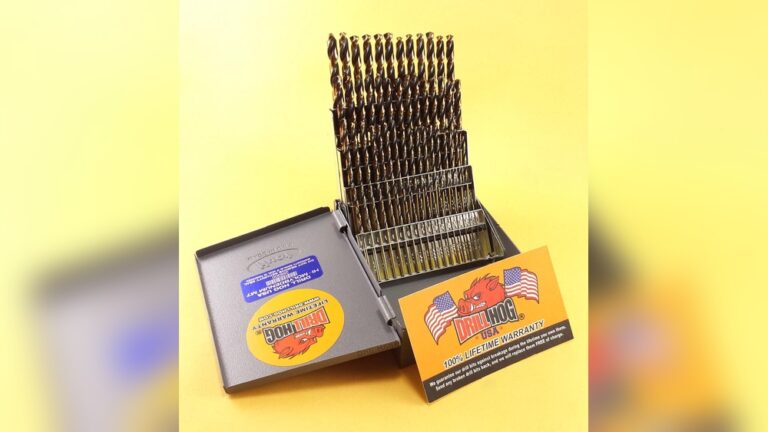
Cobalt bits are usually gold or bronze in color. They are easier to sharpen than carbide bits and can handle heat better during drilling.
Manufacturing Process
Cobalt is added to HSS, then forged and ground into shape. This gives the drill bit a tough structure that can resist heat and wear. Cobalt bits are not as hard as carbide, but they are much tougher and less likely to break.
Key Features
- Tough and heat-resistant
- Can be sharpened easily
- Less brittle than carbide
- Affordable for most users
Common Uses
Cobalt drill bits are ideal for:
- Drilling hard metals (stainless steel, titanium)
- Working on steel alloys
- Jobs where bits might get hot
- People who want to sharpen their bits often

Credit: eldoradotools.com
Carbide Vs Cobalt: The Key Differences
Understanding the differences helps you avoid mistakes and buy the right tool. Here is a clear comparison:
| Feature | Carbide Drill Bits | Cobalt Drill Bits |
|---|---|---|
| Material | Tungsten carbide + cobalt | High-speed steel + 5-8% cobalt |
| Hardness | Very hard (up to 9 Mohs) | Hard (up to 7.5 Mohs) |
| Brittleness | Brittle, can break easily | Tough, less likely to break |
| Heat Resistance | Excellent | Very good |
| Sharpening | Difficult | Easy |
| Price | Expensive | Moderate |
| Best For | Hard materials, precision jobs | Hard metals, frequent use |
Which Drill Bit Is Best For Your Material?
Choosing between carbide and cobalt depends on what you are drilling. Let’s look at some common materials:
Drilling Stainless Steel
Stainless steel is hard and can cause bits to overheat. Both carbide and cobalt work well, but cobalt is usually preferred by professionals. It can handle the heat and is less likely to snap if the bit binds. Carbide is better if you need perfect holes or work on thick steel.
Drilling Cast Iron
Cast iron is brittle but not as hard as stainless steel. Carbide bits last longer and make cleaner holes. Cobalt bits also work well, but you may need to sharpen them more often.
Drilling Ceramics And Glass
Ceramics and glass are very hard and can crack easily. Only carbide drill bits are recommended. Cobalt bits will wear out fast and may not even penetrate these materials.
Drilling Titanium
Titanium is tough and generates heat during drilling. Cobalt bits are a good choice because they resist heat and are easy to sharpen. Carbide bits can be used for precision jobs but may break if not handled carefully.
Working With Composites
Composite materials (like fiberglass or carbon fiber) need sharp bits. Carbide bits stay sharp longer and make smooth holes. Cobalt is a backup option if carbide is not available.
How Long Do Carbide And Cobalt Drill Bits Last?
Durability depends on the material, speed, and care. Here are some numbers:
- Carbide drill bits can last 2–5 times longer than cobalt bits when used on hard materials.
- Cobalt drill bits last longer than standard HSS bits but wear out faster than carbide.
If you use the right speed and coolant, carbide bits can drill hundreds of holes before dulling. Cobalt bits may need sharpening after 50–100 holes in tough metal.
Real-world Example
A machinist drilling stainless steel might use a carbide bit for 200 holes before replacing it. A cobalt bit may need sharpening after 60 holes but can be reused many times.
How Much Do Carbide And Cobalt Drill Bits Cost?
Price varies by size and brand. Here is a general comparison:
| Size | Carbide Drill Bit | Cobalt Drill Bit |
|---|---|---|
| 1/8 inch | $8–$15 | $2–$6 |
| 1/4 inch | $20–$40 | $6–$15 |
| 1/2 inch | $50–$120 | $18–$40 |
Carbide bits are more expensive because they last longer and can handle tougher jobs. Cobalt bits are affordable and a good value for most users.

Credit: www.reddit.com
Common Mistakes When Choosing Drill Bits
Many beginners make mistakes that cost time and money. Here are the most common:
- Using carbide bits for soft wood or plastic – Carbide is overkill for soft materials and can break easily.
- Choosing cobalt for glass or ceramics – Cobalt cannot handle these materials and will dull quickly.
- Ignoring speed and cooling – Both carbide and cobalt need the right drilling speed and cooling (oil or water). Going too fast or dry can damage the bit.
- Not sharpening cobalt bits – Cobalt bits can be sharpened many times. If you throw them away after they dull, you waste money.
- Buying cheap bits – Low-quality carbide or cobalt bits may not use real materials. Always check the brand and reviews.
How To Use Carbide Drill Bits Safely
Carbide bits are brittle. Use them with care:
- Clamp your workpiece. Movement can cause carbide to break.
- Use steady pressure. Avoid pushing too hard.
- Keep speed low for hard materials.
- Use coolant. Water or oil keeps the bit cool.
- Do not drop the bit. Even a small fall can crack it.
How To Use Cobalt Drill Bits Safely
Cobalt bits are tough but get hot:
- Keep speed moderate. Too fast will heat the bit.
- Use cutting oil to reduce heat.
- Sharpen regularly. Dull bits wear faster.
- Do not force the bit. Let it cut naturally.
- Store in a dry place. Cobalt can rust.
Sharpening Drill Bits: Carbide Vs Cobalt
Sharpening keeps your bits working longer.
- Carbide bits need diamond grinding wheels. Most home tools cannot sharpen carbide. Professional shops use special machines.
- Cobalt bits can be sharpened with standard bench grinders. This saves money and lets you reuse the bit many times.
Environmental Impact: Carbide Vs Cobalt
Both materials require mining and energy to produce.
- Carbide uses tungsten, which is rare and mined in China, Russia, and other countries. Production is energy-intensive.
- Cobalt is mined mostly in Africa. Mining has environmental and social issues (child labor, pollution).
- Choosing durable bits means less waste. Carbide lasts longer, but cobalt is easier to recycle and reuse.
Tips For Buying Drill Bits
Here are practical tips to avoid mistakes:
- Check the material – Look for “solid carbide” or “M35/M42 cobalt steel.” Avoid bits that just have a coating.
- Read reviews – Good brands offer reliable bits.
- Buy the right size – Larger bits cost more. Buy only what you need.
- Look for sets – Sets can save money and offer different sizes.
- Ask for advice – Hardware store staff can help if you describe your job.
Credit: benchmarkabrasives.com
Advanced Insights Most Beginners Miss
- Carbide bits are not always better. Their extreme hardness is great for tough jobs, but they can break on uneven surfaces. For hand drilling or rough setups, cobalt is safer.
- Cobalt bits are graded. M35 has 5% cobalt, M42 has 8%. M42 bits are tougher and last longer. Always check which grade you are buying.
- Coolant matters more than speed. Many people focus only on drill speed. Proper coolant (cutting oil or water) is the real secret to long-lasting bits.
- Bit geometry affects performance. Carbide bits often have a sharper point and thinner web. This helps in precision work but makes them more brittle.
Comparing Carbide And Cobalt Drill Bits In Real Projects
Let’s look at two example projects:
Example 1: Making Holes In Stainless Steel Sink
A homeowner wants to add a soap dispenser to a stainless steel sink. Using a cobalt drill bit is best. It resists heat and will not break if the sink moves a bit. Carbide is risky because the sink may flex and crack the bit.
Example 2: Drilling Glass Tiles For Bathroom Renovation
A contractor needs to drill holes in glass tiles. Carbide drill bits are the only safe choice. Cobalt bits will slip and dull quickly. Carbide cuts cleanly and reduces breakage.
Maintenance And Storage Tips
Good care extends the life of your drill bits:
- Clean after use. Wipe bits with a cloth to remove metal shavings.
- Store in a case. Avoid mixing bits; carbide can chip if it hits other metal.
- Oil cobalt bits. Prevents rust and keeps them sharp.
- Label your bits. Helps you avoid mistakes and pick the right one.
Choosing The Right Drill Bit For Your Budget
If you drill often or work with very hard materials, invest in carbide. For general metalwork, cobalt is best. If your budget is tight, cobalt gives good performance at a lower price. But do not buy cheap bits—quality matters more than price.
Industry Statistics
According to the International Tungsten Industry Association, about 60% of tungsten carbide produced is used for cutting tools. Cobalt drill bits are the most popular choice for home and small shop users. In 2023, global sales of cobalt drill bits were estimated at over $600 million, while carbide bits reached $1.2 billion in value.
Innovations And Future Trends
Manufacturers are improving both carbide and cobalt bits. New coatings (like titanium nitride) make bits last longer and cut faster. Some brands offer hybrid bits with carbide tips and cobalt bodies. Smart drill presses can adjust speed and coolant automatically.
For more technical details, see Wikipedia: Drill Bit.
Frequently Asked Questions
What Is The Main Difference Between Carbide And Cobalt Drill Bits?
The main difference is the material. Carbide drill bits are made from tungsten carbide, which is extremely hard but brittle. Cobalt drill bits are made from high-speed steel mixed with cobalt, making them tough and heat-resistant but not as hard as carbide.
Can Carbide Drill Bits Be Used For Wood Or Plastic?
It is not recommended. Carbide bits are overkill for soft materials like wood or plastic. They can break if the material flexes. For wood or plastic, use standard HSS or wood drill bits.
How Do I Sharpen Cobalt Drill Bits?
You can use a bench grinder to sharpen cobalt bits. Make sure to keep the angle correct and avoid overheating. Sharpening extends the life and saves money.
Why Are Carbide Drill Bits More Expensive?
Carbide is harder to produce, requires special equipment, and lasts longer. The extra cost comes from the material and manufacturing process. But carbide bits can save money over time if you drill tough materials.
Which Drill Bit Is Best For Stainless Steel?
Cobalt drill bits are usually best for stainless steel. They resist heat, can be sharpened, and are less likely to break. Carbide is better for thick or precision jobs, but cobalt is safer for most users.
Choosing between carbide and cobalt drill bits is not just about price or hardness. It depends on your material, project, and skill level. If you need extreme durability and precision, go for carbide. If you want toughness, easy sharpening, and lower cost, cobalt is your best choice.
With the right information and careful selection, you will get perfect holes and longer tool life—every time.