Renting an apartment offers flexibility and convenience, but it also comes with a unique set of limitations, especially when it comes to modifying your living space. One of the most common questions among renters is: Can you drill holes in apartment walls? Whether you want to hang artwork, mount a TV, or install shelving, the answer isn’t always straightforward. Landlords, property managers, and lease agreements often have specific rules, and violating them could cost you your security deposit, or even lead to legal disputes.
This guide demystifies the process, outlining what you need to know before reaching for your drill. From understanding lease clauses to exploring alternative mounting solutions, we’ll help you make informed decisions that respect both your personal style and your rental obligations.
Drawing on real-world examples, expert opinions, and actionable tips, this article is your comprehensive resource for navigating the dos and don’ts of drilling holes in apartment walls.
Key Takeaways
- Check your lease agreement and communicate with your landlord before drilling any holes; rules vary widely.
- Minor holes are often allowed for hanging pictures, but larger modifications may require written permission.
- Alternatives to drilling, like adhesive hooks, tension rods, and freestanding shelves, can help you avoid damage.
- Proper patching and repair techniques can minimize the risk of losing your security deposit.
- Local laws may offer renter protections, but these rarely override lease terms regarding modifications.
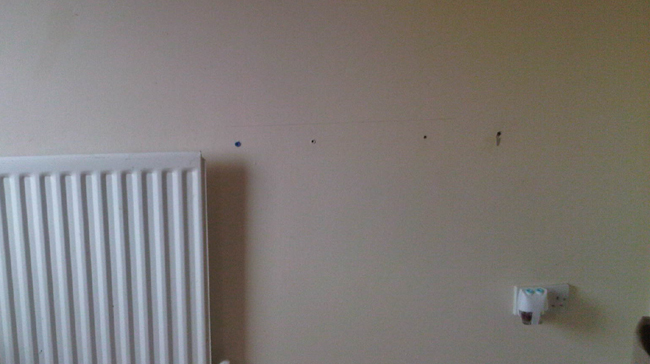
Credit: www.propertyinvestmentproject.co.uk
Understanding Lease Agreements And Landlord Policies
Before making any modifications to your apartment, it’s crucial to understand the legal and contractual context. Lease agreements and landlord policies set the boundaries for what renters can and cannot do.
Lease Agreement Clauses: What To Look For
The majority of residential leases include sections on alterations and repairs. Clauses may specify:
- No modifications: Some leases strictly prohibit any changes, including drilling holes.
- Minor alterations allowed: Others permit small holes for hanging art or curtains, as long as you repair them before moving out.
- Written consent required: Larger installations (like shelving or TV mounts) typically require written landlord approval.
Example: A standard lease from the National Apartment Association states, “Tenant shall not make any alterations to the premises without the prior written consent of Landlord.”
Common Landlord Expectations
Landlords’ policies often reflect concerns about property value and future tenant appeal. Common expectations include:
- Repairing all holes before move-out
- Using appropriate hardware for wall type (e.g., drywall anchors)
- Avoiding excessive or structural damage
Warning: Failing to comply with these terms may result in deductions from your security deposit or additional repair fees.
Communicating With Your Landlord
When in doubt, ask your landlord in writing. Be specific about what you want to do, include photos or diagrams, and request written permission. This protects you from misunderstandings and provides documentation if disputes arise later.
Real-world Example: Lease Violation Consequences
In one case, a tenant in Chicago drilled large holes to install floating shelves without permission. Upon move-out, the landlord charged $350 for drywall repair, deducting it from the security deposit. The tenant challenged the charge, but because the lease required written consent for alterations, the landlord’s deduction stood.
The Risks And Consequences Of Drilling Holes
Drilling holes in apartment walls isn’t just about convenience, it can have legal, financial, and practical consequences. Understanding these risks helps you make informed choices.
Potential Security Deposit Deductions
According to a survey by RentCafe, over 40% of renters lose part of their security deposit due to property damage, with wall repairs among the top reasons cited (RentCafe). Most leases classify unapproved holes or poor repairs as damage beyond normal wear and tear.
Legal And Contractual Liabilities
Altering your apartment without permission may constitute a lease violation. Consequences can include:
- Repair fees beyond your deposit if damage is extensive
- Early lease termination in severe cases
- Negative rental references impacting your ability to secure future housing
Structural And Safety Risks
Drilling into the wrong spot can cause structural damage, for example, puncturing electrical wiring, plumbing, or support studs. This can create safety hazards and incur costly professional repairs.
Insurance Implications
Renters insurance typically covers accidental damage caused by events like fire or theft, but deliberate modifications (such as drilling holes) are usually excluded from coverage.
Example: Minor Vs. Major Damage
- Minor holes (e.g., nail holes for picture frames): Typically considered normal wear and tear if properly patched.
- Major holes (e.g., for TV mounts or shelves): Often classified as damage if not pre-approved.

Credit: rentalhousingjournal.com
Allowed Modifications Vs. Prohibited Actions
Not all holes are created equal. The type, size, and purpose of a hole, and the wall material, affect whether drilling is permissible.
Typical Permitted Uses
Many landlords allow small holes for:
- Hanging framed artwork or posters
- Mounting curtain rods
- Installing small wall hooks
Pro Tip: Use finishing nails or picture hangers designed for minimal wall impact.
Commonly Prohibited Actions
The following typically require written landlord approval:
- Drilling large holes for wall-mounted TVs, shelves, or cabinets
- Making holes in concrete, brick, or tile walls
- Penetrating shared or exterior walls
Comparison Table: Allowed Vs. Prohibited Wall Alterations
| Modification | Typically Allowed | Requires Permission | Usually Prohibited |
|---|---|---|---|
| Small nail holes (pictures) | ✔️ | ||
| Anchors for curtain rods | ✔️ | ||
| Wall-mounted shelves | ✔️ | ||
| TV wall mounts | ✔️ | ||
| Drilling into tile/concrete | ✔️ | ||
| Altering exterior walls | ✔️ |
Wall Material Considerations
The type of wall affects both ease of repair and risk of damage:
- Drywall: Most common, easiest to patch
- Plaster: Can crack or crumble, requiring specialized repair
- Brick, concrete, tile: Difficult to drill, repairs are labor-intensive
Example: City-specific Rules
Some cities, like San Francisco, have local ordinances that define “normal wear and tear” to include small nail holes, provided they are properly filled before move-out. However, these rules do not override specific lease terms.
Landlord-approved Modifications
If your landlord allows drilling, ask for recommended contractors or repair guidelines. Some property managers may even offer installation services or specify acceptable hardware to reduce liability.

Credit: www.realestate-tokyo.com
Alternatives To Drilling Holes
For renters who want to avoid the risks associated with drilling, there are numerous alternatives that offer flexibility and protect your deposit.
Adhesive Hooks And Strips
Command Strips and similar adhesive products are designed to hold light to moderate weight items without damaging walls. They’re ideal for:
- Picture frames (up to 16 lbs, depending on the product)
- Small mirrors
- Wall organizers
Example: In my experience, using heavy-duty adhesive strips to hang a 10-lb framed photo left no residue or marks after removal.
Tension Rods And Pressure-mounted Fixtures
Tension rods fit between two walls, providing a sturdy base for curtains or shelving without the need for holes. They work well for:
- Window treatments
- Closet organizers
- Temporary dividers
Freestanding Furniture And Shelving
Instead of wall-mounted shelves, consider:
- Bookcases or storage units that rest on the floor
- Ladder shelves for plants or decor
- Modular cube organizers that can be stacked
Over-the-door And Hanging Organizers
These solutions use the top of a door or closet rod to hang storage:
- Shoe racks
- Towel bars
- Coat hooks
Comparison Table: Drilling Vs. No-drill Mounting Solutions
| Method | Max Weight (approx.) | Wall Damage | Ease of Removal | Best For |
|---|---|---|---|---|
| Drilled Anchors | 50+ lbs | High | Difficult | TVs, Shelves |
| Adhesive Strips | 16 lbs | Low | Easy | Pictures, Small Decor |
| Tension Rods | 20 lbs | None | Easy | Curtains, Dividers |
| Freestanding Furniture | Varies | None | Easy | Books, Storage |
Pro Tip:
Test adhesive products on a hidden section of your wall before committing. Some paints and finishes may peel when strips are removed.
How To Drill Holes Responsibly
If you receive permission to drill, or your lease allows minor holes, follow best practices to minimize damage and ensure easy repairs later.
Choosing The Right Tools And Hardware
- Use a stud finder to locate support beams for heavy items.
- Select anchors appropriate for wall type and weight.
- Use the correct drill bit (masonry bit for concrete, standard for drywall).
Planning Your Layout
- Map out your design with painter’s tape before drilling.
- Avoid drilling above electrical outlets or near plumbing lines.
Minimizing Mess And Damage
- Place a dust catcher or a folded sticky note below the drilling spot to catch debris.
- Drill slowly and steadily to prevent cracking.
Documenting Your Modifications
Take clear photos before and after your installation. This documentation can be invaluable if your landlord questions repairs during move-out.
Example: Properly Mounting A Tv
When mounting a 40-inch TV, use heavy-duty anchors rated for at least 50 lbs. Ensure the bracket is attached to at least one stud, and patch all holes with spackle and touch-up paint before vacating.
Repairing And Patching Holes Before Move-out
Leaving your apartment in good condition is essential for getting your full security deposit back. Repairing holes, large and small, requires attention to detail.
Patching Small Holes
- Fill holes with spackle or lightweight wall filler.
- Smooth with a putty knife; let dry.
- Sand lightly and paint over with matching color.
Repairing Larger Holes
- For holes larger than a quarter, use a wall repair patch.
- Apply joint compound, smooth, and allow to dry fully.
- Sand and repaint for an invisible repair.
Matching Paint
Bring a paint chip to a hardware store for a custom color match, or ask your landlord for the original paint color.
Professional Repairs
If you’re unsure about your patching skills, consider hiring a handyman. Professional repairs can cost $20, $50 per hole, but may be less expensive than losing your deposit.
Pro Tip:
Check local hardware stores for small paint sample pots; these are cost-effective for touch-ups without purchasing a full gallon.
Legal Rights And Renter Protections
Understanding your rights as a tenant can help you negotiate or contest unreasonable repair charges. While lease terms are paramount, some state and local laws offer additional protections.
“normal Wear And Tear” Vs. Damage
Normal wear and tear generally includes minor nail holes, while damage refers to larger holes or unapproved modifications. Definitions vary by jurisdiction.
State And Local Regulations
For example, California Civil Code §1950.5 allows landlords to deduct from the security deposit only for “damage beyond normal wear and tear.” However, leases can still require repairs for holes of any size.
Security Deposit Disputes
If you believe a deduction is unfair:
- Request an itemized list of damages and repair costs.
- Provide photos of the apartment’s condition at move-out.
- Consider mediation or small claims court if necessary.
Example: Successful Deposit Dispute
A renter in New York City successfully challenged a $200 deduction for patched nail holes by presenting before-and-after photos and a receipt for professional repair, demonstrating that the apartment was left in “broom clean” condition.
Additional Renter Resources
For more information on tenant rights, consult organizations like the U.S. Department of Housing and Urban Development or your local tenants’ union. The website Nolo also provides detailed state-by-state guides.
Frequently Asked Questions
Can My Landlord Charge Me For Patching Small Nail Holes?
In most cases, landlords can only charge for repairs that exceed “normal wear and tear. ” Small nail holes typically fall within this category if they are patched before move-out. However, if your lease specifies that all holes must be repaired, your landlord may still deduct repair costs from your security deposit.
Always clarify expectations at the start of your tenancy and retain proof of any repairs you make.
Is It Legal To Drill Holes In Apartment Walls For Safety Devices, Like Smoke Detectors Or Grab Bars?
Federal and state laws often require landlords to provide basic safety features, but renters may need to request installation of additional devices. If you have a medical need for modifications, such as grab bars under the Fair Housing Act’s reasonable accommodation rules, landlords may be required to permit installations, though you could be responsible for restoring the unit before leaving. Always request permission in writing.
What Happens If I Accidentally Drill Into Wiring Or Plumbing?
Accidentally damaging electrical or plumbing systems is a serious issue. You should immediately inform your landlord or property manager and arrange for professional repairs. Costs for these repairs are typically the tenant’s responsibility if the damage was due to unauthorized drilling.
Avoiding these hazards is a strong argument for consulting your landlord and using stud finders or professional installers for any complex projects.
Can I Use Wall Decals Or Wallpaper Instead Of Drilling Holes?
Many landlords allow removable wall decals or peel-and-stick wallpaper as alternatives to drilling. However, some adhesive products can damage paint or drywall upon removal. Always test a small, inconspicuous area first, and review your lease or ask your landlord before making large-scale decorative changes.
How Can I Securely Hang Heavy Items Without Drilling?
For hanging heavy items, consider using tension poles, freestanding racks, or specialty adhesive anchors designed for higher weight limits. Some modern products can hold up to 20 lbs without drilling, but always check the manufacturer’s specifications and your lease terms. When in doubt, opt for professional installation or alternative solutions that don’t require wall damage.
Renting an apartment doesn’t mean you have to sacrifice personal style or functionality, but it does require smart planning and respect for your lease terms. Whether you choose to drill with permission or explore creative no-drill alternatives, understanding the rules and best practices will help you enjoy your space without risking your deposit or legal standing.
Before making any modifications, always read your lease, communicate with your landlord, and document your changes. With the right approach, you can make your apartment feel like home while staying on the right side of the rules.