Power tools have changed the way people work on construction, renovation, and DIY projects. Among these, hammer drills stand out for their ability to break through tough materials like concrete, masonry, and stone. Two brands often compared in this space are Flex and Dewalt. Both have a strong reputation for quality, but each brings different features, technology, and value to the table. Whether you are a contractor, hobbyist, or homeowner, knowing the differences between Flex hammer drills and Dewalt can help you make a smarter investment.
This article examines the design, performance, price, usability, and support of both brands. You’ll find side-by-side comparisons, practical examples, and non-obvious insights to help you avoid common mistakes. If you are thinking about buying a hammer drill, or just want to know how Flex and Dewalt stack up, you’re in the right place.
What Is A Hammer Drill?
A hammer drill is a power tool that combines rotary drilling with a hammering action. This means it not only spins the drill bit but also moves it in and out rapidly. The result: it can drill into hard materials that regular drills struggle with. Hammer drills are often used for:
- Making holes in concrete walls for anchors
- Drilling into brick or stone for installations
- Light chiseling tasks
Not all hammer drills are the same. The motor power, battery system, ergonomics, and durability can make a big difference in real-world use.
Overview: Flex And Dewalt Brands
Flex
Flex is a German brand that’s been around for almost a century. It’s well known in Europe and recently expanded its reach to North America. Flex tools are often praised for their innovative battery technology, powerful motors, and solid build quality. In recent years, Flex has aimed at professionals who want both performance and value.
Dewalt
Dewalt is an American brand with roots going back to 1924. Dewalt is famous worldwide, and its yellow-and-black tools are common on job sites everywhere. Dewalt focuses on durability, broad product lines, and wide availability. Many contractors trust Dewalt because of its service network and long track record.

Credit: www.youtube.com
Head-to-head: Flex Hammer Drill Vs Dewalt
Let’s look at how these brands compare across the most important factors.
1. Power And Performance
Motor Strength And Drilling Speed
Both Flex and Dewalt offer brushless motors in their newer hammer drills. Brushless motors are more efficient, create less heat, and last longer than older brushed designs.
- Flex’s 24V Hammer Drill delivers up to 1400 in-lbs of torque and up to 2,500 RPM (rotations per minute).
- Dewalt’s 20V MAX XR Hammer Drill delivers up to 820 UWO (unit watts out) and up to 2,000 RPM.
Torque is the force the drill uses to spin the bit, while RPM measures how fast the bit turns. Higher torque helps with tough materials, while higher RPM is better for quick drilling in softer materials.
Impact Rate
The impact rate measures how many times per minute the hammer mechanism strikes the bit.
- Flex: Up to 40,000 BPM (blows per minute)
- Dewalt: Up to 38,250 BPM
Flex edges out slightly in both RPM and BPM, which means it can be a little faster and more aggressive on hard concrete.
Practical Example
If you need to drill multiple 1/2-inch holes in a concrete wall, the higher torque and BPM of Flex can save you a few seconds on each hole. Over a large job, that adds up.
2. Battery System And Runtime
Voltage And Battery Options
- Flex uses a 24V lithium-ion battery system, which generally provides more power and runtime than 20V systems.
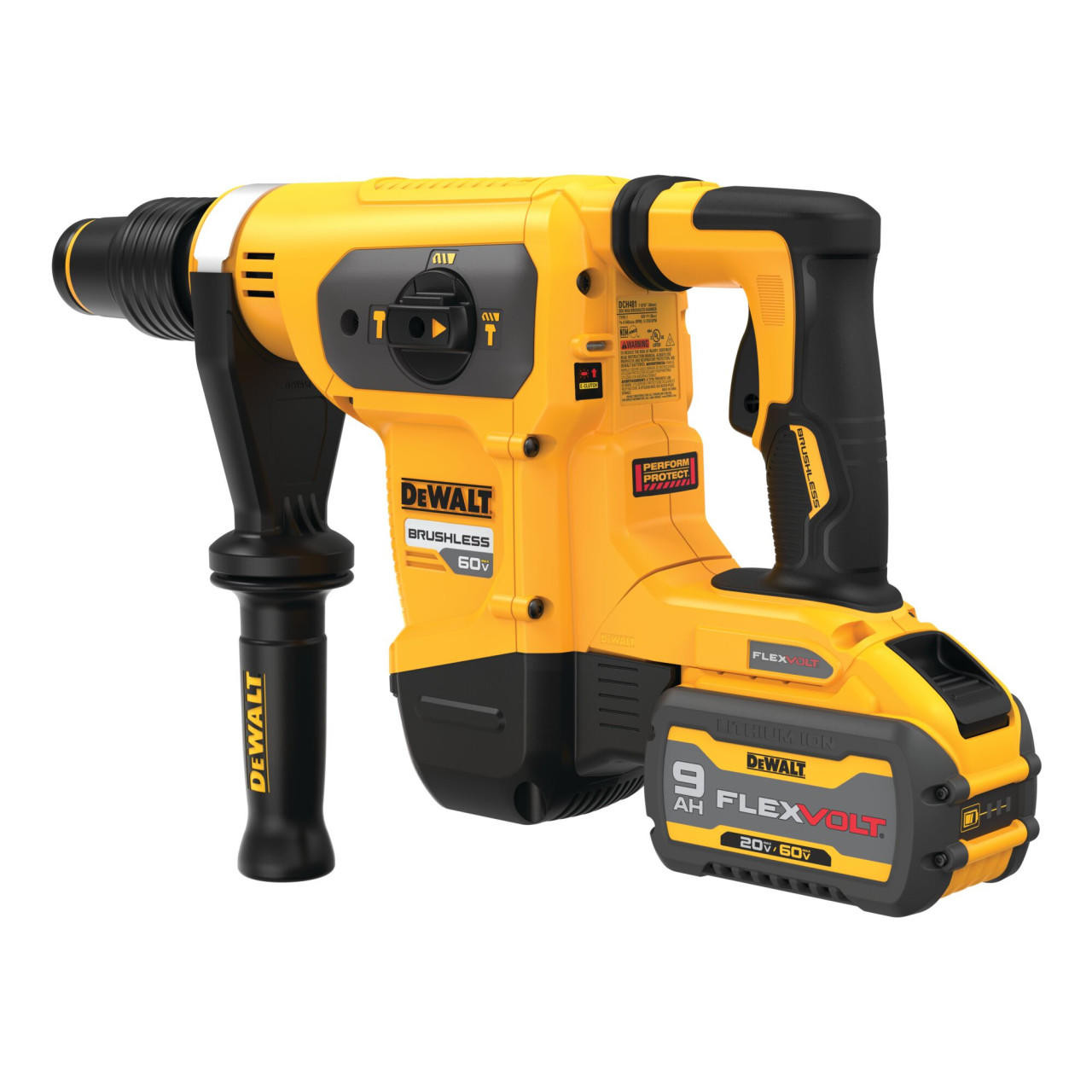
- Dewalt uses the 20V MAX system, but also offers FlexVolt batteries that switch between 20V and 60V for different tools.
Runtime And Charging
With similar battery capacities, Flex’s 24V system often delivers slightly longer runtime, especially under heavy loads.
- Flex’s 2.5Ah battery can drill about 60 holes (1/4-inch in concrete) on a single charge.
- Dewalt’s 2.0Ah battery can drill around 45-50 holes under similar conditions.
Both brands offer fast chargers, but Flex’s Turbo Charge can charge a 2.5Ah battery in about 30 minutes, while Dewalt’s rapid charger takes roughly 35-40 minutes for a 2.0Ah battery.
Compatibility
Dewalt’s battery system is famous for its backward compatibility. If you own other Dewalt 20V or 60V tools, you can swap batteries across them. Flex’s ecosystem is newer, so it’s less likely you already have Flex batteries.
3. Ergonomics And Build Quality
Tool Weight And Balance
- Flex’s hammer drills usually weigh about 3.8 lbs (tool only)
- Dewalt’s comparable models weigh about 3.5 lbs
Both are comfortable for overhead drilling, but Dewalt’s slightly lower weight can reduce fatigue for all-day use.
Grip And Vibration
Flex tools feature a rubberized grip with anti-vibration technology. This is helpful when drilling into concrete, as it reduces hand strain.
Dewalt also uses ergonomic grips, but some users notice slightly more vibration compared to Flex. This difference is most felt during extended use.
Durability
Both brands use reinforced housings and all-metal chucks for long life. Dewalt has a longer history of surviving tough job site conditions, but Flex is quickly earning a reputation for toughness.
4. Features And Technology
Led Worklights
Both Flex and Dewalt include built-in LED lights near the chuck. Flex’s light is slightly brighter and wider, which helps in dark corners.
Clutch And Speed Settings
Flex and Dewalt both offer:
- Multiple clutch settings for precise screw driving
- Two or three speed settings for different materials
Flex’s clutch ring has more positive clicks, making it easier to adjust with gloves.
Additional Features
- Flex includes Kickback Control, which stops the motor if the bit binds, protecting your wrist.
- Dewalt offers a Precision Drive mode for screws, which prevents overdriving.
Not all Flex or Dewalt models have every feature, so check the specific model you’re considering.
5. Price And Value
Tool Only Vs. Kits
- Flex 24V Hammer Drill (tool only): Around $120–$150
- Dewalt 20V MAX XR Hammer Drill (tool only): Around $130–$170
Kits with batteries and chargers cost $50–$100 more.
Warranty
- Flex: Lifetime warranty on the tool (with registration), 5 years on batteries
- Dewalt: 3-year limited warranty, 1-year free service
Flex’s lifetime warranty is a strong selling point, but only applies if you register the tool soon after purchase.
Value For Money
If you want maximum power and a strong warranty, Flex gives a slight edge. If you value a huge tool ecosystem and easier battery sharing, Dewalt’s system is hard to beat.
6. Availability And Support
Retail And Service Network
- Dewalt is available at nearly every hardware store, both online and offline. Service centers are common in most countries.
- Flex is newer to North America, so you’ll find it mostly at select retailers or online.
Replacement Parts
Dewalt has an advantage in replacement parts and third-party accessories due to its long history and market reach.
User Community
Dewalt has a large user community, so you’ll find more tutorials, troubleshooting videos, and forum advice. Flex is growing, but its community is smaller.
7. Noise And Heat Management
Noise Levels
Both Flex and Dewalt hammer drills produce about 90–95 decibels of noise when drilling into concrete. This is loud enough to require hearing protection.
Heat Dissipation
Flex uses a smart cooling system to keep the tool running cooler during heavy use. Dewalt uses metal components to draw heat away, but Flex’s active cooling can make a difference in long, continuous jobs.
8. Real-world Testing: Flex Vs Dewalt
Let’s compare popular models: Flex FX1271T vs Dewalt DCD996B.
| Feature | Flex FX1271T | Dewalt DCD996B |
|---|---|---|
| Voltage | 24V | 20V MAX |
| Max Torque | 1400 in-lbs | 820 UWO |
| Max RPM | 2,500 | 2,000 |
| Max BPM | 40,000 | 38,250 |
| Weight | 3.8 lbs | 3.5 lbs |
| LED Light | Yes (brighter, wider) | Yes |
| Warranty | Lifetime (tool), 5 years (battery) | 3 years (tool), 1 year (service) |
Insight: Flex’s higher torque and BPM mean faster, easier drilling in hard materials, but Dewalt’s lighter weight and massive ecosystem can be more practical for users who already own other Dewalt tools.
9. Pros And Cons
Flex Hammer Drill
Pros
- Higher voltage and torque
- Longer runtime on heavy jobs
- Lifetime warranty (with registration)
- Advanced anti-vibration and cooling
Cons
- Fewer compatible tools (smaller battery ecosystem)
- Harder to find in some regions
- Fewer third-party accessories
Dewalt Hammer Drill
Pros
- Huge battery and tool ecosystem
- Reliable, proven durability
- Easy to find parts and service
- Lighter weight for all-day use
Cons
- Slightly lower torque and runtime
- Shorter warranty period
- Slightly more vibration
10. Common Mistakes When Choosing
- Ignoring Battery Ecosystem: Buying a Flex drill is less practical if you already have several Dewalt batteries and tools, and vice versa.
- Not Registering for Warranty: Flex’s lifetime tool warranty only applies if you register your purchase. Many buyers forget and lose out.
- Choosing Based Only on Specs: Real performance depends on the whole package, not just torque or voltage. Ergonomics, service, and available accessories all matter.
- Overlooking Weight: A heavier tool can be tiring, especially if you drill overhead or for long periods.
- Skipping Hearing Protection: Both drills are loud. Don’t ignore safety.
11. Non-obvious Insights
- Charger Heat: Flex’s fast chargers can get hot. If you keep your batteries in a hot garage, let them cool before charging to extend battery life.
- Aftermarket Bit Compatibility: Dewalt’s chuck holds up better with off-brand bits. Flex’s chuck is tighter, which can sometimes make swapping bits slower.
- Resale Value: Dewalt tools tend to have higher resale value because of brand recognition and battery compatibility.
User Experience And Feedback
Flex users often praise the power and runtime, especially for heavy-duty jobs. Many report being surprised at how much faster Flex drills into concrete compared to their older tools. However, some users dislike the smaller battery ecosystem and fewer accessory options.
Dewalt users highlight reliability and the convenience of swapping batteries between tools. Service centers are often nearby, and customer support is strong. Some users wish Dewalt would catch up to Flex in terms of raw power for heavy drilling.
Credit: ahturf.com
Who Should Choose Flex?
- Contractors who need maximum power for concrete or masonry
- DIYers starting a new tool collection (not already invested in another brand)
- Anyone who values a long warranty and plans to register their tool
Who Should Choose Dewalt?
- Existing Dewalt owners who want to share batteries and chargers
- Professionals who need easy access to parts, service, and accessories
- People who work long days and want a lighter tool

Credit: www.youtube.com
Summary Table: Key Differences
To help with quick decisions, here’s another direct summary.
| Area | Flex Hammer Drill | Dewalt Hammer Drill |
|---|---|---|
| Power | More torque & BPM | Good, but less than Flex |
| Battery | 24V, longer runtime | 20V, but bigger ecosystem |
| Weight | Heavier | Lighter |
| Features | Kickback control, better cooling | Precision Drive, more accessories |
| Warranty | Lifetime (with registration) | 3 years (tool) |
| Support | Fewer service centers | Wide service network |
| Price | Similar or slightly less | Similar or slightly more |
Making Your Decision
Both Flex and Dewalt make excellent hammer drills. The “better” choice depends on your needs. If you want maximum power, longer warranty, and advanced features, Flex stands out. If you want a lighter tool, broad compatibility, and strong support, Dewalt is the safer choice. Always consider the whole system, not just the tool, before buying.
For more information on power tool standards and comparisons, the Wikipedia entry on hammer drills provides helpful background.
Frequently Asked Questions
What’s The Main Difference Between Flex And Dewalt Hammer Drills?
The main differences are in power output, battery system, and ecosystem. Flex offers higher torque and BPM, while Dewalt is lighter and has a larger tool and battery ecosystem.
Are Flex Batteries Compatible With Dewalt Tools?
No, Flex batteries are not compatible with Dewalt tools. Each brand uses a unique battery design, so you must use the correct batteries for each brand.
Which Drill Is Better For Concrete?
Flex’s higher torque and BPM give it an edge for concrete drilling. Dewalt can handle most home and professional jobs, but Flex is faster for heavy-duty work.
Does Flex Really Offer A Lifetime Warranty?
Yes, Flex offers a lifetime warranty on tools if you register your purchase within a short window (usually 30 days). Batteries have a 5-year warranty. Always read the terms to be sure.
Is Dewalt Easier To Repair Than Flex?
Yes, Dewalt has a wider service network and more available parts, making repairs and maintenance easier in most locations.
In the end, both Flex and Dewalt offer high-quality hammer drills. Focus on your real needs, tool ecosystem, and support options to make the best choice for your projects.