When it comes to drilling through metal, wood, or composites, the type of drill bit you choose can make the difference between a smooth, efficient job and a frustrating, tool-damaging experience. Among professionals and serious DIYers, two materials stand out for their toughness and performance: cobalt and tungsten. Both are prized for their unique properties, but they excel in different scenarios and offer distinctive advantages and drawbacks. Choosing between them is not always straightforward, it requires a careful look at your specific needs, the materials you work with, and your expectations for tool longevity and cost.
In this comprehensive guide, we’ll break down the metallurgy, performance, durability, and value of cobalt vs tungsten drill bits. You’ll find real-world examples, side-by-side data tables, expert insights, and actionable advice to help you make an informed decision. Whether you are drilling stainless steel in a fabrication shop or tackling hard alloys in aerospace manufacturing, understanding these two drill bit types will save you time, money, and frustration.
Key Takeaways
- Cobalt drill bits are alloyed with 5-8% cobalt, offering excellent heat resistance and edge retention, making them ideal for tough metals like stainless steel.
- Tungsten carbide drill bits are extremely hard and maintain their sharpness longer, but are more brittle and expensive, best for high-volume industrial use on hard materials.
- Cobalt bits are easier to sharpen and more forgiving for general users; tungsten bits demand careful handling and are harder to resharpen.
- Price, longevity, and application specificity differ significantly between the two, choosing the right bit can dramatically impact efficiency and tool life.
- Real-world testing and expert recommendations highlight when to use each type for optimal results.

Credit: www.reddit.com
Understanding Cobalt Drill Bits
Cobalt drill bits are renowned for their ability to handle tough materials that would quickly dull or destroy standard high-speed steel (HSS) bits. But what exactly sets them apart, and where do they shine?
Composition And Metallurgy
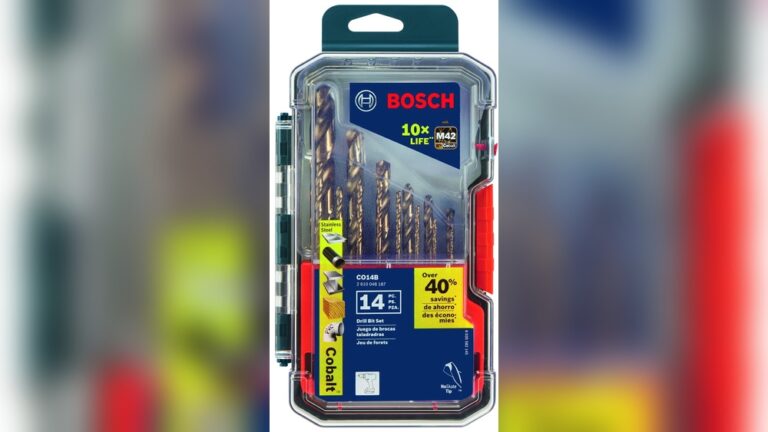
Cobalt drill bits are crafted from high-speed steel (HSS) alloyed with 5-8% cobalt, most commonly M35 (5% cobalt) or M42 (8% cobalt). The addition of cobalt is not a coating but is integrated throughout the bit, resulting in:
- Increased hardness (Rockwell Hardness 65+)
- Superior heat resistance (up to 1100°F/593°C)
- Better wear resistance than standard HSS
This metallurgy enables cobalt bits to maintain their edge at higher temperatures, making them ideal for drilling hard metals such as stainless steel, cast iron, and titanium alloys.
Performance In Real-world Applications
Cobalt drill bits excel when:
- Drilling through stainless steel or high-tensile alloys
- Working with hardened steel or cast iron
- Sustained drilling produces significant heat
Example: In a fabrication shop I visited, fabricators relied almost exclusively on cobalt bits for stainless steel tubing. Their bits lasted multiple jobs before requiring resharpening, outperforming standard HSS bits by a factor of 3-4.
Durability And Sharpening
Cobalt bits maintain their sharpness longer than basic HSS and can be resharpened multiple times without losing effectiveness. They are less brittle than tungsten carbide, making them more forgiving if mishandled or if the drill binds in the workpiece.
Key points:
- Long service life if cooled properly
- Easily resharpened with standard grinding tools
- Less risk of breakage compared to carbide bits
Cost And Value
Cobalt bits are generally more expensive than HSS, but less costly than tungsten carbide options. For most users, the investment pays off through reduced bit changes and longer lifespan.
Pro Tip: Use cutting fluid with cobalt bits to maximize tool life and maintain cool cutting temperatures.
Understanding Tungsten Drill Bits
Tungsten drill bits, often referred to as tungsten carbide drill bits, are the gold standard in industrial applications where hardness, speed, and wear resistance are paramount. But they are not without their limitations.
Composition And Metallurgy
Tungsten carbide bits are produced by sintering fine powders of tungsten carbide (WC) with a metallic binder, typically cobalt, under intense pressure and heat. The result:
- Exceptional hardness (Rockwell Hardness 75-80+)
- Extreme wear resistance
- Superior edge retention at high temperatures (up to 1400°F/760°C)
- Much greater density than steel
Tungsten carbide is nearly twice as stiff as steel and four times as hard, making these bits capable of cutting the hardest materials.
Industrial And Specialized Applications
Tungsten bits are the tool of choice for:
- Drilling abrasive materials: Ceramics, tile, masonry, composites
- Production-line drilling of hardened steel and cast iron
- High-speed CNC machining and automated systems
Example: In aerospace manufacturing, tungsten carbide bits are used for drilling titanium and nickel alloys in automated setups, where tool changes are costly and downtime must be minimized.
Brittleness And Handling
Despite their hardness, tungsten carbide bits are notoriously brittle. They can shatter if dropped or mishandled and are less suited to handheld drills or variable feed rates.
- High risk of breakage under side load or misalignment
- Difficult to resharpen without specialized equipment
- Best for stationary machines and precise setups
Cost And Lifespan
Tungsten carbide bits are the most expensive option but deliver unmatched performance in high-volume or demanding settings. Their longevity can exceed cobalt bits by 5-10x in abrasive environments, but improper use can quickly ruin them.
Pro Tip: Only use tungsten carbide bits in stable, vibration-free machines and avoid handheld power drills.

Credit: www.tenyutool.com
Cobalt Vs Tungsten Drill Bits: Head-to-head Comparison
To help you quickly evaluate the differences between cobalt and tungsten drill bits, here’s a detailed comparison across key factors:
| Feature | Cobalt Drill Bits | Tungsten Carbide Drill Bits |
|---|---|---|
| Material | HSS alloyed with 5-8% cobalt (M35, M42) | Tungsten carbide with cobalt binder |
| Hardness (Rockwell) | 65-67 HRC | 75-80+ HRC |
| Heat Resistance | Up to 1100°F (593°C) | Up to 1400°F (760°C) |
| Wear Resistance | High | Very High |
| Brittleness | Moderate; forgiving | High; can shatter |
| Sharpenability | Easy with standard tools | Difficult; needs diamond wheels |
| Cost | Moderate | High |
| Best For | Stainless steel, cast iron, hard metals | Abrasives, hard alloys, industrial use |
Performance Summary Table
Here’s a quick snapshot of how each bit type performs on common materials:
| Material | Cobalt Drill Bit | Tungsten Carbide Drill Bit |
|---|---|---|
| Mild Steel | Excellent | Excellent |
| Stainless Steel | Excellent | Very Good |
| Cast Iron | Very Good | Excellent |
| Titanium | Good | Excellent |
| Masonry/Tile | Not recommended | Excellent |
| Wood/Plastic | Good | Not recommended |

Credit: www.reddit.com
Real-world Use Cases And Case Studies
The differences between cobalt and tungsten drill bits become most apparent in real-world scenarios. Here are three concrete examples from different industries:
Automotive Repair Shop
A mechanic routinely drills out broken bolts embedded in engine blocks. They initially used standard HSS bits but found them dulling after just a few holes. Switching to cobalt bits, they could drill multiple hardened steel bolts before sharpening was needed. The bits’ resilience to heat and ability to be resharpened proved crucial for productivity.
Aerospace Manufacturing
A production line fabricates titanium components for aircraft. Here, tungsten carbide bits are indispensable. The extreme hardness of the material and the need for precision holes mean that only carbide bits can handle the workload without frequent replacements. The higher initial investment is offset by reduced downtime and tool changes.
Home Renovation Contractor
A contractor specializing in bathroom remodels frequently drills through tile and porcelain. Tungsten carbide-tipped bits make quick work of these abrasive surfaces, where even cobalt bits would fail or dull rapidly. However, for tasks involving metal framing, the contractor keeps a set of cobalt bits on hand for versatility.
Detailed Pros And Cons
Every tool comes with trade-offs. Here is a nuanced look at the upsides and downsides of cobalt and tungsten drill bits.
Cobalt Drill Bits
Pros:
- Excellent heat resistance for drilling hard metals
- Maintains sharpness longer than HSS
- Less brittle than carbide, handles occasional misuse
- Can be resharpened easily
- Moderate cost and widely available
Cons:
- Not suited for abrasive materials like tile or masonry
- Can discolor or lose hardness if overheated
- Slightly less hard than tungsten carbide
Tungsten Carbide Drill Bits
Pros:
- Unmatched hardness and wear resistance
- Handles the hardest metals, abrasives, and composites
- Retains sharpness in high-speed or high-heat conditions
- Essential for precision, automated, or production-line work
Cons:
- Brittle and prone to chipping or shattering if mishandled
- Expensive initial investment
- Requires specialized equipment for sharpening
- Not ideal for general-purpose or hand drilling
Cost Analysis And Value Over Time
While the sticker price is important, the total cost of ownership, including tool lifespan, sharpening, and replacement frequency, should inform your decision.
Initial Purchase Price
- Cobalt bits: Typically priced 2-3x higher than HSS, but affordable for most professionals and advanced DIYers.
- Tungsten carbide bits: Can cost 5-10x more than HSS, making them a significant investment for specialized use.
Longevity And Replacement Frequency
In my experience, cobalt bits last several times longer than HSS in demanding tasks, especially if used with coolant and proper feed rates. Tungsten carbide bits, when used correctly, can outlast cobalt bits by a wide margin in abrasive or extremely hard materials.
Sharpening And Maintenance
- Cobalt bits can be resharpened at a workbench grinder, extending usable life considerably.
- Tungsten carbide bits require diamond wheels or professional sharpening services, adding to long-term costs.
Value For Specific Users
- Professional metalworkers: Cobalt bits offer the best balance of cost, durability, and ease of maintenance.
- High-volume industrial users: Tungsten carbide is worth the premium for reduced downtime and superior edge retention.
- DIYers: Cobalt bits usually provide the most practical value, unless regularly drilling abrasive materials.
Choosing The Right Bit For Your Needs
Selecting between cobalt and tungsten carbide drill bits is not about picking the “best” but about choosing the right tool for your specific application.
When To Choose Cobalt Drill Bits
- Frequently drilling stainless steel, cast iron, or other tough metals
- Need for easy resharpening and lower overall cost
- Working with handheld drills or in variable conditions
- Occasional drilling in wood or plastics
When To Choose Tungsten Carbide Drill Bits
- High-volume, repetitive drilling in abrasive or ultra-hard materials
- CNC machining or industrial production lines
- Drilling tile, masonry, ceramics, or composites
- Maximum tool longevity is worth a premium price
Key Questions To Ask
- What materials will you be drilling most often?
- Will you use stationary machines or handheld tools?
- How much can you invest upfront for longer tool life?
- Do you have access to professional sharpening equipment?
Pro Tip: If you only occasionally need to drill very hard or abrasive materials, consider buying a single tungsten carbide bit for those special cases and use cobalt bits for everyday tasks.
Maintenance And Best Practices
To maximize the performance and lifespan of either drill bit type, proper maintenance and technique are essential.
Cooling And Lubrication
- Always use cutting fluid or oil when drilling metal, especially with cobalt bits.
- For tungsten carbide, coolant is vital to avoid thermal shock and extend life.
Proper Drilling Technique
- Use the correct speed and feed rate: Too fast can overheat bits, too slow can cause chipping.
- Avoid side loading or prying, particularly with tungsten carbide bits.
Storage And Handling
- Store bits in a dry, organized case to prevent corrosion and accidental drops.
- Handle tungsten carbide bits with care, avoid knocking or dropping.
Sharpening And Resurfacing
- Sharpen cobalt bits with a bench grinder; maintain original angles for best performance.
- For tungsten carbide, seek professional sharpening or use a diamond wheel if equipped.
Example: A machinist in a small workshop extended the lifespan of their cobalt bits by 40% simply by implementing a strict sharpening and lubrication routine.
Environmental And Safety Considerations
The environmental and safety impacts of drill bit choice are often overlooked, but they deserve attention, especially in professional settings.
Material Sourcing And Recycling
- Cobalt is a strategic metal, with mining concentrated in a few countries. Ethical sourcing and recycling of used bits is increasingly important.
- Tungsten carbide can be recycled, and many industrial suppliers offer buy-back or recycling programs for spent bits.
For more on responsible sourcing, see Wikipedia: Cobalt.
Operator Safety
- Always wear eye protection and use clamps to secure workpieces.
- Be aware that shattered carbide bits can produce dangerous fragments, use guards and shields when possible.
Dust And Coolant Use
- Drilling certain materials (e.g., composites) can produce hazardous dust; use vacuum extraction or masks.
- Proper handling and disposal of cutting fluids is necessary to prevent environmental contamination.
Frequently Asked Questions
What Is The Difference Between Cobalt-coated And Solid Cobalt Drill Bits?
Cobalt-coated drill bits have only a thin surface layer of cobalt, typically applied to standard HSS bits. This coating can wear off quickly, especially during heavy use or resharpening. Solid cobalt drill bits (more accurately, cobalt-alloyed HSS) contain cobalt throughout the material, offering much greater durability and heat resistance. For demanding tasks, always choose solid cobalt alloy bits over coated versions.
Can Tungsten Carbide Drill Bits Be Used In Hand Drills?
While it is technically possible to use tungsten carbide bits in handheld drills, it is not recommended. Their extreme hardness comes with high brittleness, making them prone to chipping or shattering if the drill wobbles or binds in the material.
Tungsten carbide bits perform best in stable, precision-controlled machines like drill presses or CNC equipment.
How Do I Tell If My Drill Bit Is Cobalt Or Tungsten Carbide?
Cobalt bits are usually metallic silver or gold in color and are magnetic due to their steel content. They often have markings such as “M35” or “M42” on the shank. Tungsten carbide bits are heavier, non-magnetic, and tend to have a dull gray appearance.
In many cases, carbide bits are identified by their “carbide-tipped” design, especially for masonry or tile bits.
Are There Environmental Concerns With Using Cobalt Or Tungsten Carbide Drill Bits?
Yes, both cobalt and tungsten are considered strategic materials with environmental and ethical sourcing concerns. Cobalt mining, in particular, has raised issues of environmental degradation and labor practices. Tungsten carbide, while recyclable, requires energy-intensive processing. Users and businesses should seek suppliers with responsible sourcing policies and participate in recycling programs when possible. For more information, visit USGS: National Minerals Information Center.
What’s The Best Way To Store And Maintain These Drill Bits For Maximum Lifespan?
Store all drill bits in a dry, organized case to prevent rust and physical damage. For cobalt bits, occasional light oiling can prevent corrosion. Tungsten carbide bits should be cushioned to avoid chipping. Clean all bits after use, and sharpen cobalt bits regularly.
For carbide, use only diamond abrasives or seek professional sharpening services.
The choice between cobalt and tungsten carbide drill bits is ultimately about matching the right tool to your specific drilling challenges. By understanding the unique properties, strengths, and limitations of each, you can boost productivity, extend tool life, and achieve cleaner, more precise results.
Whether you’re a professional machinist, contractor, or dedicated DIYer, making the right selection will pay dividends in both performance and cost savings.