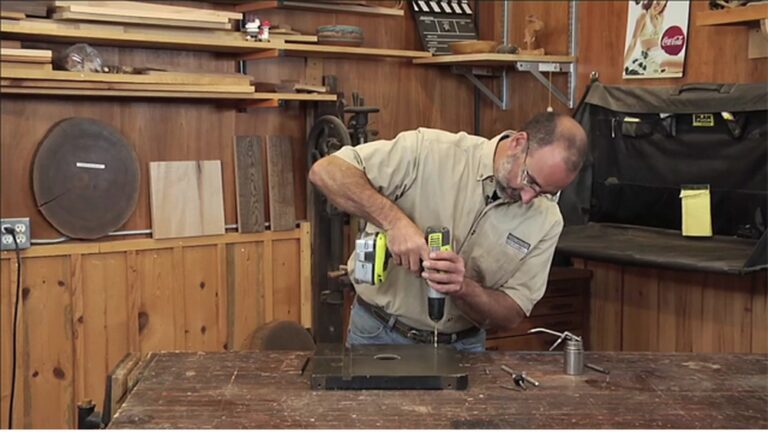
Drilling and tapping are essential tasks in metalworking and engineering. Getting the right drill bit size for a specific tap is one of the most important steps. If you choose the wrong size, the threads may not hold, or the tap can break. Today, let’s focus on one common question: What size drill bit for a 1 2 13 tap? This guide will answer that fully, going beyond basics, and will help you avoid common mistakes. Whether you are a beginner or have some experience, you’ll find practical advice and real-world examples.
Understanding Tap Sizes And Threads
Taps are tools used to cut threads inside holes so screws or bolts can fit. The 1/2-13 tap is a standard type in the United States. The “1/2” means the hole will accept a half-inch bolt. The “13” is the number of threads per inch (TPI).
Choosing the right drill bit is not just about matching sizes. You need to understand how threads work, how much material is removed, and how strong the threads will be. If the hole is too small, the tap can break.
If it’s too big, the threads will be weak.
Why The 1/2-13 Tap Is Popular
The 1/2-13 tap is used in construction, automotive, and machinery repair. It’s large enough for strength, but not too big for most standard bolts. If you look at machines or furniture, many use this size for structural support.
Thread Pitch Explained
Thread pitch is the distance between threads. For a 1/2-13 tap, there are 13 threads in one inch. This gives a coarse thread, which is less likely to strip and can be used in softer materials like aluminum.
How Drill Bit Size Is Calculated For Taps
To find the correct drill bit size, you need to know the major diameter (the largest outside diameter of the thread) and the thread pitch. There’s a simple formula used by machinists:
Drill Size = Major Diameter – (1 / Threads Per Inch)
For a 1/2-13 tap:
- Major Diameter = 0.5 inches
- Threads Per Inch (TPI) = 13
So:
- Drill Size = 0.5 – (1/13)
- Drill Size ≈ 0.5 – 0.077
- Drill Size ≈ 0.423 inches
This calculation gives you the correct hole size before tapping.
Why Not Just Use Any Drill Bit?
If you use a drill bit that’s too small, the tap won’t fit, or you will damage the tap. If you use a drill bit that’s too large, the threads will not be deep enough, and the bolt will not hold properly.
This is why precision matters.
Recommended Drill Bit Size For A 1/2-13 Tap
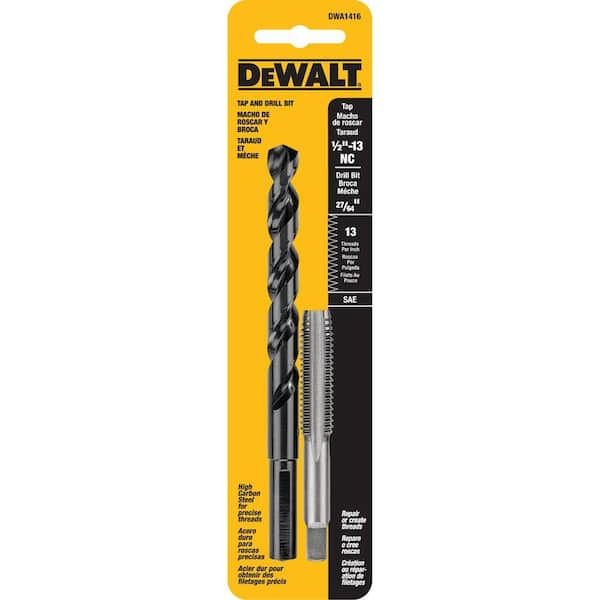
According to industry standards, the correct drill bit size for a 1/2-13 tap is 27/64 inch.
This matches the calculated value above and is commonly used in shops and factories. In decimal, 27/64 inch equals 0. 4219 inches, which is very close to 0. 423 inches.
Decimal And Metric Equivalents
Sometimes you may only have metric bits or decimal bits available. Here’s how they compare:
| Drill Bit Size | Inches | Millimeters | Decimal |
|---|---|---|---|
| 27/64″ | 0.4219 | 10.72 | 0.4219 |
| 0.423″ | 0.423 | 10.75 | 0.423 |
| 10.5 mm | 0.4134 | 10.5 | 0.4134 |
| 11 mm | 0.4331 | 11 | 0.4331 |
If you don’t have the exact 27/64″ drill bit, 10. 75 mm or 0. 423″ is a close substitute. However, going too much below or above this size will affect thread quality.
Step-by-step Guide: Drilling And Tapping For 1/2-13
Let’s break down the process so you can do it confidently.
1. Mark And Center Punch
Use a marker or scribe to mark where you want the hole. Then, use a center punch and hammer to create a small dent. This prevents the drill bit from wandering.
2. Choose The Correct Drill Bit
Select the 27/64 inch drill bit for your 1/2-13 tap. Make sure the bit is sharp and not worn out.
3. Secure The Workpiece
Clamp your material firmly. Movement during drilling can cause uneven holes.
4. Drill The Hole
Set your drill to a moderate speed. Apply steady pressure and keep the bit straight. Use cutting fluid for metal—this reduces heat and wear.
5. Deburr The Hole
After drilling, use a deburring tool or a larger drill bit to remove sharp edges from the hole.
6. Tap The Hole
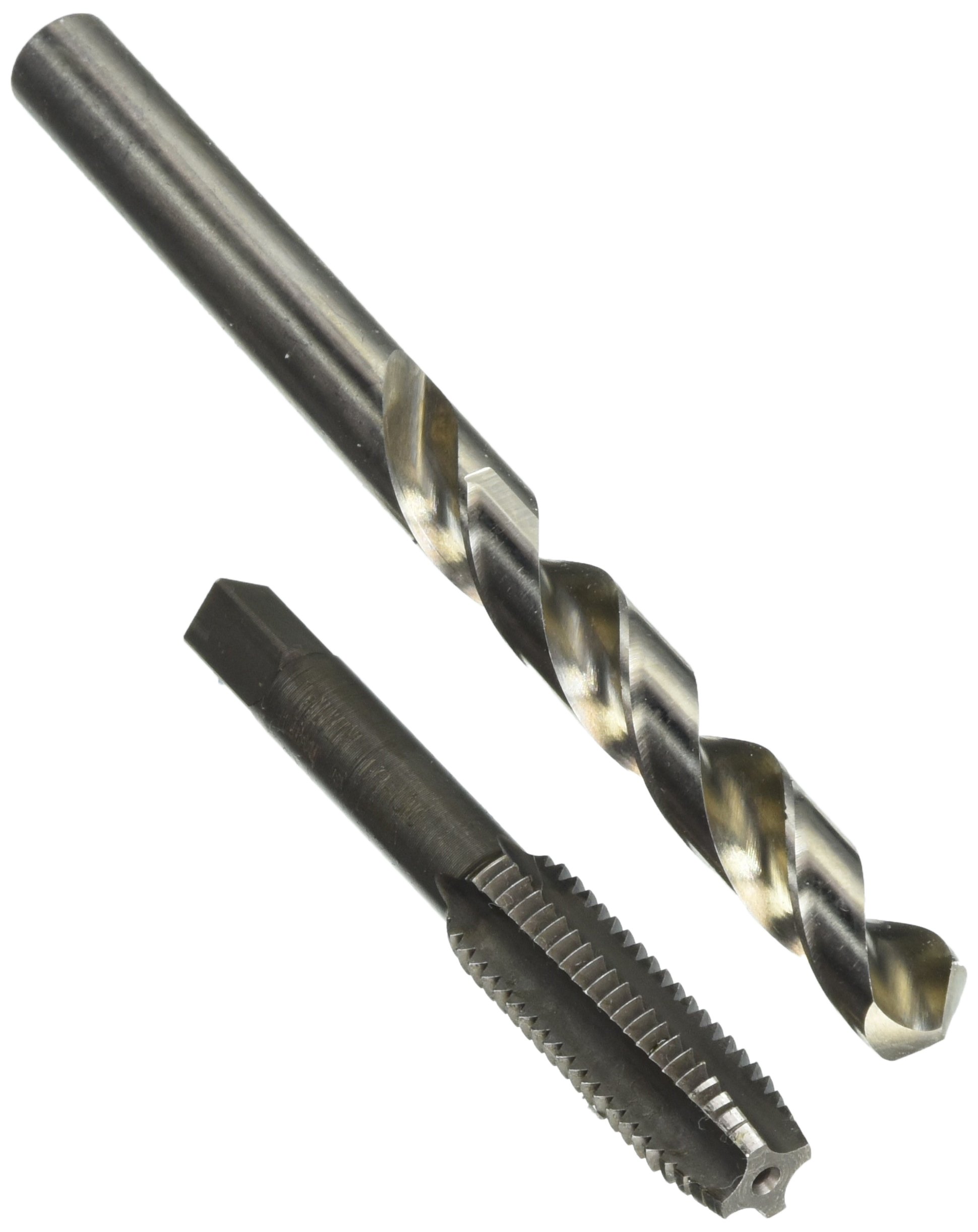
Place the 1/2-13 tap into the hole. Turn gently, keeping it straight. For every half turn forward, go a quarter turn back. This clears chips and prevents jamming.
7. Clean And Inspect
After tapping, clean out metal chips. Check the threads for smoothness and depth.
Common Mistakes When Choosing Drill Bit Sizes
Many beginners make errors that can ruin the job. Here are a few:
- Using the wrong size drill bit: Even a small difference can affect thread strength.
- Ignoring decimal and metric conversions: Always check charts if you don’t have imperial sizes.
- Skipping cutting fluid: Dry drilling increases heat and dulls the bit quickly.
- Not deburring: Rough edges can damage the tap.
- Forgetting to check tap alignment: Crooked taps cause uneven threads.
Real-world Example
A mechanic used a 7/16″ drill bit for a 1/2-13 tap, thinking it was close enough. The hole was too large, and the threads were shallow. The bolt pulled out under pressure, causing a machine failure. Always use the recommended size.
Drill Bit Materials And Quality
Not all drill bits are equal. The material and quality matter, especially for harder metals.
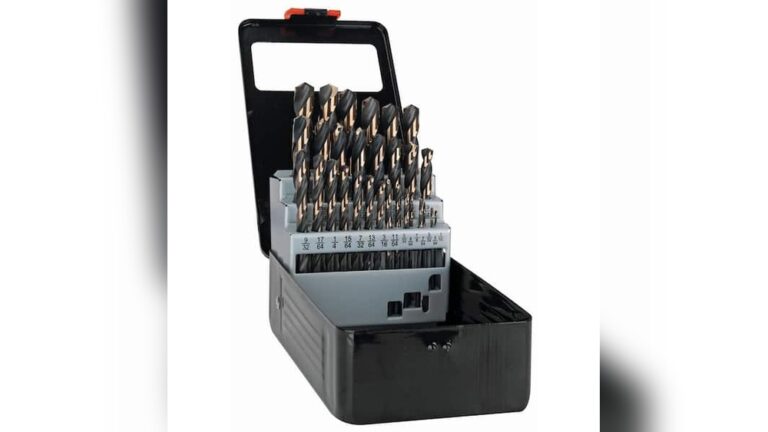
- High-Speed Steel (HSS): Good for most metals, affordable.
- Cobalt Steel: Better for stainless steel and tough alloys.
- Carbide: Used for production drilling; expensive but lasts longer.
Choose the right bit for your material. Using a low-quality bit can make the hole uneven or damage the tap.
| Material | Recommended Drill Bit | Notes |
|---|---|---|
| Aluminum | HSS | Low cutting fluid needed |
| Steel | Cobalt | Use cutting fluid |
| Stainless Steel | Cobalt or Carbide | Extra lubrication |
| Brass | HSS | Easy to drill |
Alternative Drill Bit Sizes: When Exact Size Is Not Available
Sometimes, you don’t have a 27/64 inch drill bit. Here’s what you can do:
- Use a 10.75 mm bit if you have metric sizes.
- If you only have 11 mm, the hole will be slightly larger, so threads will be less deep. This is not ideal but may work for light-duty applications.
- If you use a smaller size (like 10.5 mm), the tap will be harder to turn, and you risk breaking it.
Tip: It’s better to err on the side of a slightly smaller hole than a larger one, but only by a tiny margin. If the hole is too tight, stop and get the right bit.
Tapping Blind Holes Vs. Through Holes
Not all holes are the same. There are two main types:
- Blind holes: Do not go all the way through the material.
- Through holes: Go from one side to the other.
When tapping blind holes, you need to be careful not to bottom out the tap. Use a bottoming tap for the last threads. For through holes, a standard tap works fine.
Adjusting Drill Bit Size For Blind Holes
For blind holes, some machinists recommend making the hole slightly deeper and sometimes a tiny bit larger to help chips escape. However, do not oversize the hole, or threads will be weak.
Thread Percentage: What It Means And Why It Matters
When you drill for tapping, you aim for a certain percentage of thread engagement. This affects strength.
- 50% thread: Easier to tap, less strength.
- 75% thread: Standard for most work, strong threads.
- 100% thread: Difficult to tap, not necessary for most jobs.
For a 1/2-13 tap, using a 27/64″ drill bit gives about 75% thread, which is ideal. If you use a bigger bit, you reduce thread percentage and strength. If you use a smaller bit, the tap is harder to turn and may break.
Tap Drill Charts: Why They Matter
Tap drill charts are reference tools found in most machine shops. They show the recommended drill bit sizes for every tap. Here’s a snippet for common sizes:
| Tap Size | Threads Per Inch | Recommended Drill Bit |
|---|---|---|
| 1/4-20 | 20 | #7 (0.201″) |
| 3/8-16 | 16 | 5/16″ (0.3125″) |
| 1/2-13 | 13 | 27/64″ (0.4219″) |
| 5/8-11 | 11 | 17/32″ (0.5313″) |
Always check these charts before starting your project.

Credit: www.amazon.com
Using Tapping Fluid: Why It’s Important
Tapping fluid or oil is not just for lubrication. It helps clear chips, prevents overheating, and makes threads smoother. Some beginners skip this step, but it’s critical, especially with harder metals.
Tip: If you don’t have tapping fluid, use light machine oil. Do not use water.
Practical Tips For Beginners
If you’re new to drilling and tapping, these tips will help you avoid common problems:
- Always start with a center punch.
- Use the exact drill bit size recommended.
- Keep the drill bit perpendicular to the work surface.
- Apply cutting fluid before and during tapping.
- Turn the tap slowly and back out often to clear chips.
- Clean the hole and threads before inserting a bolt.
- Check tap drill charts for unusual sizes.
Advanced Advice: Dealing With Hard Materials
When working with stainless steel or hardened steel, tapping becomes harder. Use these steps:
- Use a cobalt or carbide drill bit.
- Drill at a slower speed to avoid overheating.
- Apply extra tapping fluid.
- Use a tap wrench for better control.
- If the tap binds, stop and back it out—never force it.
Non-obvious insight: For tough materials, pre-tap the hole with a spiral point tap. This helps clear chips and avoids breakage.
Thread Quality: Inspecting Your Work
After tapping, check your threads:
- Run a bolt through the hole. It should go smoothly, but not be loose.
- Inspect for burrs or metal chips.
- If threads look uneven, check your drill bit and tap for wear.
If threads are too shallow, the hole was likely too large. If the tap broke, the hole was too small.
Repairing Mistakes
Mistakes happen. Here’s what you can do:
- Hole too big: Use a thread insert like Helicoil. This restores thread size.
- Hole too small: Carefully re-drill with the correct bit and re-tap.
- Tap broke in hole: Try removing with pliers. If stuck, use a tap extractor.
Always double-check your sizes before drilling.
Safety Precautions
Drilling and tapping can be dangerous if not done properly:
- Wear safety goggles.
- Secure your workpiece.
- Keep hands away from spinning tools.
- Use cutting fluid to reduce risk of burns.
- Dispose of metal shavings properly.
Credit: www.homedepot.com
When To Use Power Tapping
Power tapping uses machines to tap holes quickly. This is useful for production, but not recommended for beginners. Hand tapping gives better control and reduces risk of mistakes.
Tapping In Different Materials
Different materials need different approaches:
- Aluminum: Easy to tap, minimal fluid needed.
- Steel: Needs cutting fluid and sharp bits.
- Stainless steel: Use high-quality tools and extra fluid.
- Plastic: Use slower speeds and no fluid.
Non-obvious insight: Plastics can melt if drilled too fast. Use slow speed and keep the drill bit cool.
Credit: www.amazon.com
Real-life Scenarios: Choosing The Right Drill Bit
Imagine you’re building a metal frame for a machine. You need strong threads for bolts. If you use a 27/64″ drill bit for a 1/2-13 tap, the bolts will hold securely. If you use the wrong size, the frame may fail under stress.
In automotive repair, threaded holes are common. Using the right drill bit prevents stripped bolts and expensive repairs.
Comparing Tap Types: Plug, Bottoming, Spiral
There are several tap types:
- Plug tap: Most common, used for through holes.
- Bottoming tap: Used to finish threads in blind holes.
- Spiral point tap: Pushes chips forward, good for deep holes.
Choose the right tap for your hole type.
How To Read Tap Drill Charts
Tap drill charts may seem confusing. Here’s how to read them:
- Find your tap size (e.g., 1/2-13).
- Look for the TPI (threads per inch).
- Find the recommended drill bit size.
- Use the closest available bit.
If you’re unsure, ask a machinist or check online resources. For example, you can find reliable charts at Wikipedia.
How Thread Strength Is Affected By Drill Bit Size
Strong threads depend on correct hole size. If you use a drill bit that’s too large, the threads are shallow and weak. If too small, the tap can break or jam.
- For maximum strength, aim for 75% thread engagement.
- For softer materials, you can use a slightly larger drill bit.
- For hard materials, stick to the recommended size.
Troubleshooting Tapping Problems
If you run into trouble:
- Tap won’t fit: Hole too small. Re-drill.
- Tap breaks: Too much force or wrong drill size.
- Threads are loose: Hole too large.
- Threads are rough: Use more cutting fluid and deburr the hole.
Frequently Asked Questions
What Is The Exact Drill Bit Size For A 1/2-13 Tap?
The recommended size is 27/64 inch. This gives the best thread strength and fits standard bolts.
Can I Use A Metric Drill Bit For A 1/2-13 Tap?
Yes, but the closest size is 10.75 mm. Make sure it’s not too far off from 0.4219 inches.
What Happens If I Use The Wrong Drill Bit Size?
If you use a drill bit that’s too large, the threads will be weak and may strip. If too small, the tap can break or jam.
How Can I Fix A Hole That Was Drilled Too Large For A Tap?
You can use a thread insert like Helicoil to restore the thread size and strength.
Do I Need To Use Cutting Fluid When Drilling And Tapping?
Yes. Cutting fluid reduces heat, makes tapping easier, and improves thread quality. Always use it for metals.
Final Thoughts
Drilling and tapping for a 1/2-13 tap is a common job, but getting the right drill bit size is essential. The recommended size is 27/64 inch, which matches industry standards and provides strong threads. Always check charts, use sharp tools, and apply cutting fluid. Avoid shortcuts—precision matters. With these steps, you can confidently drill and tap for strong, reliable threads. Remember, mistakes can be fixed, but prevention saves time and effort. Use this guide whenever you need to tap a hole, and your results will be professional every time.