Screws are the backbone of modern construction, woodworking, and DIY projects. Yet, one persistent question plagues both professionals and hobbyists: Which screws don’t require pre-drilling? The answer can mean the difference between a seamless installation and frustrating, time-consuming errors. Knowing when you can skip the pilot hole doesn’t just save time, it can also enhance the structural integrity of your work and prevent costly material damage.
This article is your authoritative guide to screws that don’t require pre-drilling. We’ll explore the science behind self-drilling and self-tapping screws, explain when and why to use them, compare their performance across materials, and arm you with real-world examples. Whether you’re a contractor, cabinetmaker, or weekend warrior, understanding this topic will help you work smarter, boost productivity, and ensure your projects stand the test of time.
Key Takeaways
- Self-drilling and self-tapping screws can often be used without pre-drilling, depending on material and application.
- The choice depends on screw design, material hardness, and the desired holding strength.
- Not all materials or situations are suitable for skipping pre-drilling; knowing exceptions prevents splitting and fastener failure.
- Comparison tables and real-world examples help you select the right screw for wood, metal, plastic, or composite.
- Using the correct screw reduces installation time and increases joint reliability.
Understanding Screw Types That Don’t Require Pre-drilling
Not all screws are created equal, especially when it comes to whether you need to pre-drill a pilot hole. The primary categories that allow for direct installation are self-tapping, self-drilling, and certain specialty wood screws. Here’s how each one works.
Self-tapping Screws
Self-tapping screws feature sharp, cutting threads designed to cut into the material as you drive them in. They create their own mating thread, often eliminating the need for a pilot hole, especially in softer materials.
- Best for: Thin sheet metal, softwoods, plastics.
- How they work: The screw’s tip cuts into the material, forming threads as it advances.
- Limitations: In very hard materials, a starter hole may still be necessary to prevent breakage.
Self-drilling Screws
Self-drilling screws take the concept further by incorporating a mini drill bit tip that removes material as it advances.
- Best for: Metal-to-metal, wood-to-metal, and composite installations.
- How they work: The drill-like tip creates a hole and the threads follow, tapping the material in one motion.
- Limitations: Not ideal for brittle materials; may cause splitting in thin woods.
Specialty Wood Screws
Some modern wood screws are engineered with aggressive threads and sharp points specifically to avoid pre-drilling in most soft and medium-density woods.
- Features: Often have a “Type 17” point, which includes a small cutting flute to remove wood fibers.
- Brands: Spax, GRK, and similar performance screw brands.
- Warning: Hardwoods may still require a pilot hole to avoid splitting.
Application-specific Screws
Manufacturers have introduced screws tailored for specific materials or tasks, such as composite decking screws or drywall screws, designed to minimize or eliminate pre-drilling.
- Composite screws: Often have a self-clearing thread to reduce mushrooming.
- Drywall screws: Meant for rapid installation into studs without pilot holes.
The Science Behind No-pre-drill Screws
To understand why certain screws don’t require pre-drilling, you need to examine their geometry, material, and thread design.
Thread Geometry And Point Design
- Self-tapping threads are spaced and angled to cut into the host material with minimal force.
- Self-drilling tips mimic the function of a drill bit, clearing a path for the threads.
- Type 17 points have a notch or flute at the tip that removes chips and prevents splitting.
Material Compatibility
Screws are optimized for different substrates:
- Softwood: Most self-tapping wood screws work without pre-drilling.
- Hardwood: Aggressive threads may work, but pilot holes are safer to avoid splits.
- Sheet metal: Self-drilling screws excel, especially in gauges up to 12.
- Plastic: Self-tapping screws are commonly used, but brittle plastics may crack without a pilot hole.
Holding Power And Joint Strength
Skipping pre-drilling can increase friction and holding power in soft materials, but may decrease it in brittle or dense substrates. The right screw preserves the material’s integrity while providing maximum joint strength.
Pro Tip:
Always check the screw manufacturer’s recommendations for material compatibility and maximum recommended thickness for self-drilling or self-tapping screws.
Comparing Screw Types: Performance Without Pre-drilling
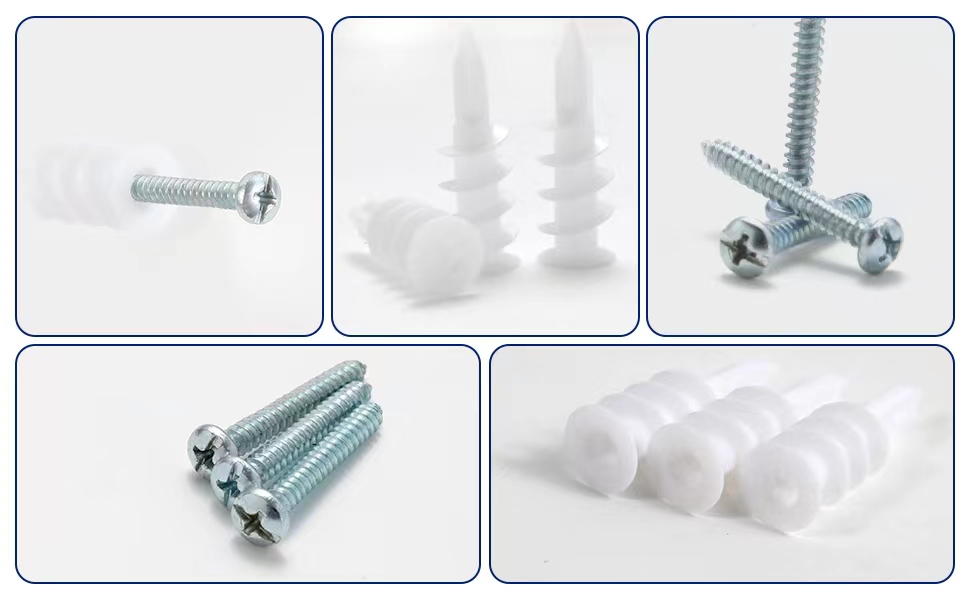
Selecting the ideal screw depends on your material, project requirements, and desired finish. The following table compares popular screw types for applications where pre-drilling is not needed.
| Screw Type | Typical Materials | Max Thickness (No Pre-Drill) | Risk of Splitting | Recommended Applications |
|---|---|---|---|---|
| Self-Tapping | Sheet Metal, Softwood, Plastic | 3 mm (Metal), 25 mm (Wood) | Low (Softwood), Medium (Hardwood) | Metal Framing, Cabinet Hardware |
| Self-Drilling | Metal, Wood-to-Metal | 6 mm (Metal), 38 mm (Wood) | Low (Metal), Medium (Wood) | Steel Studs, Deck Ledger Boards |
| Type 17 Wood Screw | Softwood, MDF, Plywood | 38 mm | Very Low | Framing, Trim Installation |
| Composite Deck Screw | Composite, PVC Decking | Varies | Very Low | Decking, Outdoor Projects |
| Drywall Screw | Drywall to Wood/Metal | Up to 5/8″ Drywall | Very Low | Wallboard Installation |
Credit: www.terredialtamura.it
When (and Why) You Can Skip Pre-drilling
The ability to skip pre-drilling depends on a combination of screw design, material characteristics, and installation technique. Here’s when you can confidently drive screws without a pilot hole.
Softwoods And Engineered Woods
Pine, spruce, and fir accept self-tapping and modern wood screws with minimal risk of splitting. Engineered woods like MDF or plywood also work well, provided the screw is sharp and the threads are deep.
- Example: Installing cabinet hinges into pine face frames with Type 17 screws requires no pilot hole and results in a strong hold.
- Caveat: Edge installations in MDF can still split; consider pre-drilling in these cases.
Thin Sheet Metals
Self-drilling screws are designed for thin gauge steel or aluminum (typically up to 12 gauge). The drill tip clears a hole, and the threads follow, eliminating the need for a separate drilling operation.
- Example: Attaching HVAC ductwork with self-drilling screws allows for rapid installation and strong joints.
Drywall To Studs
Drywall screws are made for direct installation into wood or metal studs, simplifying wallboard hanging and reducing labor time.
- Example: Professional drywall installers rarely pre-drill, relying on the fine, sharp point of drywall screws.
Plastics And Composites
Self-tapping screws can often be driven directly into soft or medium-density plastics and composite materials.
- Pro Tip: For acrylics or brittle plastics, test on a scrap piece first, some plastics crack easily without a pilot hole.
Case Study: Deck Installation
A contractor building a composite deck used specialty composite screws with a self-clearing thread and a Type 17 point. Over 1,500 screws were installed without a single pre-drilled hole or material split. The project was completed 30% faster than similar projects using traditional screws and pilot holes.
When Pre-drilling Is Still Necessary (and Why)
While self-tapping and self-drilling screws promise convenience, there are critical scenarios where pre-drilling remains essential.
Dense Hardwoods
Woods like oak, maple, and hickory are dense and prone to splitting. Even the best self-tapping screws can cause cracks near the edge or in thin stock.
- Warning: Always pre-drill near edges or ends in hardwood to avoid costly mistakes.
Thick Or Hardened Metals
Self-drilling screws have limited drilling capacity, usually up to 1/4″ (6 mm) in mild steel. For thicker or hardened metals, a pilot hole is necessary.
- Pro Tip: Check manufacturer specs for maximum thickness; exceeding it risks breaking the screw or damaging the substrate.
Brittle Or Delicate Materials
Certain plastics, glass-filled composites, and stone require pilot holes to prevent cracking.
- Example: Fastening into PVC window frames may require a pilot hole, especially in cold weather.
Structural Or Load-bearing Joints
Where maximum holding power and safety are critical, pilot holes ensure the screw seats fully and achieves the rated strength.
- Example: Ledger boards for decks should always be pre-drilled, regardless of screw type.
Real-world Examples: Direct-drive Screws In Action
The following examples illustrate the practical advantages of using screws that don’t require pre-drilling.
Example 1: Metal Framing In Commercial Construction
A steel stud contractor uses self-drilling screws to assemble non-load-bearing walls. With the right screws, workers achieve installation rates of up to 400 screws per hour, compared to about 250 per hour when pre-drilling. This efficiency reduces labor costs and speeds up project timelines.
Example 2: Cabinet Making With Modern Wood Screws
In my experience as a cabinetmaker, switching to Type 17 wood screws for assembling face frames eliminated the need for pre-drilling in softwoods. This not only cut assembly time by 40% but also reduced the risk of splitting delicate frame pieces.
Example 3: Decking With Composite Screws
A DIYer building a backyard deck selected composite decking screws with self-clearing threads. With no pre-drilling, the boards stayed flat, and the screw heads sat flush, preventing mushrooming and ensuring a clean, professional look.
Example 4: Sheet Metal Hvac Installation
An HVAC technician fastens metal ductwork using self-drilling screws. The integrated drill tip eliminates the need for separate tools, reducing installation time and ensuring airtight joints.
Choosing The Right Screw For Each Material
Selecting the correct screw isn’t just about avoiding pilot holes, it’s about long-term durability and aesthetics. Here’s a material-by-material guide.
Wood
- Softwoods: Self-tapping or Type 17 screws are ideal.
- Hardwoods: Pre-drilling is recommended unless screws are specifically rated for hardwood.
- Engineered woods: Use self-tapping screws, but drill pilots near edges.
Metal
- Thin sheet metal: Self-drilling screws perform best.
- Thick or hardened steel: Drill a pilot hole and consider using a tapping screw.
Plastic
- Soft/malleable plastics: Self-tapping screws often work without a pilot hole.
- Brittle plastics: Always test first; pre-drilling may be necessary.
Composites
- Composite decking: Use screws designed for composites, typically self-clearing and with special coatings.
- Fiberglass: Self-tapping screws work, but pilot holes avoid stress cracking.
Table: Screw Selection Guide By Material
| Material | Recommended Screw Type | Pre-Drilling Needed? | Notes |
|---|---|---|---|
| Softwood | Type 17 Wood Screw | No | Edge installations may still require a pilot hole |
| Hardwood | Self-Tapping Wood Screw | Yes (recommended) | Reduces risk of splitting |
| Sheet Metal | Self-Drilling Screw | No (up to 1/4″ thick) | Check screw length and metal gauge |
| Plastic (soft) | Self-Tapping Screw | No (test first) | May need pilot for brittle plastic |
| Composite Decking | Composite Deck Screw | No | Special design prevents mushrooming |
| Drywall to Stud | Drywall Screw | No | Works with wood or metal studs |
Manufacturer Innovations: How Modern Screws Are Designed
Screw manufacturers have invested heavily in R&D to produce fasteners that reduce or eliminate the need for pre-drilling. Here’s how modern technology improves the process.
Advanced Point Designs
- Type 17 points add a cutting flute to wood screws, reducing driving torque and material splitting.
- Self-drilling points use a hardened mini drill tip, allowing penetration of metals up to 6 mm thick.
Coatings And Lubrication
- Zinc, phosphate, or ceramic coatings reduce friction and improve corrosion resistance.
- Pre-applied waxes (on some wood screws) make driving smoother, even without a pilot hole.
Thread Geometry
- Variable pitch threads allow for rapid engagement with the material, further reducing drive time.
- High-low threads (alternating deep and shallow threads) increase holding power in soft or composite materials.
Head Styles
- Bugle heads on drywall screws seat flush without crushing the material.
- Wafer heads on metal screws distribute load and prevent pull-through.
Pro Tip:
Premium screws like GRK, Spax, and FastenMaster feature these innovations and are widely available at building supply centers.
Installation Best Practices For No-pre-drill Screws
Skipping the pilot hole doesn’t mean you should ignore proper technique. Here’s how to achieve the best results.
Use The Right Driver Bit
The wrong bit can strip screw heads or cause cam-out. Match the bit to the screw type (e. g. , Phillips, Square, Torx).
Maintain Proper Speed And Pressure
Drive at a moderate speed and steady pressure. Too much force can overheat the screw, burn the wood, or strip threads.
Start Square And Steady
Align the screw perpendicular to the surface before driving. Angled entry increases the risk of splitting or stripping.
Monitor For Splitting
Even with self-tapping or self-drilling screws, watch for signs of material splitting, especially near edges or in thin stock.
Pre-drive Test
On unfamiliar materials, drive a test screw to verify performance before proceeding with the entire project.
Common Mistakes And How To Avoid Them
Even experienced professionals can make errors when using screws that don’t require pre-drilling. Here are the most frequent pitfalls.
Using The Wrong Screw For The Material
Self-drilling screws in hardwood or brittle plastic can cause damage. Always match the screw to the substrate.
Ignoring Edge Distance
Driving screws too close to the edge of wood, MDF, or composite can cause splitting, even with self-tapping designs.
Over-tightening
Powerful drills can overdrive screws, stripping threads or crushing the substrate. Use clutch settings or impact drivers with care.
Skipping Manufacturer Guidelines
Always check the screw packaging or manufacturer’s website for maximum material thickness and installation tips.
Pro Tip:
If in doubt, drill a small pilot hole, especially on expensive or irreplaceable materials.
Environmental Considerations And Corrosion Resistance
The choice of screw also affects the longevity and safety of your project, especially in outdoor or corrosive environments.
Coated Screws For Exterior Use
- Hot-dip galvanized and stainless steel screws are essential for decks, fences, and outdoor furniture.
- Composite deck screws usually have a polymer coating to resist staining and corrosion.
Chemical Compatibility
Some treated woods (e. g. , ACQ lumber) require specially coated screws to prevent chemical reaction and corrosion.
Indoor Vs. Outdoor Applications
- Drywall and wood screws for interior use may rust quickly outdoors.
- Marine-grade stainless screws are best for saltwater environments.
Table: Corrosion Resistance Of Common Screw Types
| Screw Material/Coating | Indoor Use | Outdoor Use | Marine Use | Notes |
|---|---|---|---|---|
| Uncoated Steel | Yes | No | No | Prone to rust |
| Zinc-Plated | Yes | Limited | No | Short-term outdoor use |
| Hot-Dip Galvanized | Yes | Yes | No | For pressure-treated lumber |
| Stainless Steel | Yes | Yes | Yes | Best for corrosive environments |
| Polymer-Coated | Yes | Yes | No | Used for composite decking |
For more on corrosion and material compatibility, consult the Simpson Strong-Tie Corrosion Information.
Summary Of Major Brands And Their Offerings
Leading fastener manufacturers offer a range of screws designed to eliminate pre-drilling. Here’s a quick overview of major brands and their flagship products.
Spax
Offers a full line of multi-material screws with patented thread and point designs for wood, masonry, and metal.
Grk Fasteners
Known for their R4 Multi-Purpose Screw, featuring a Type 17 point and self-countersinking head.
Fastenmaster
Specializes in composite deck and structural screws with coatings for outdoor use.
Simpson Strong-tie
Industry leader in structural screws, offering both self-tapping and self-drilling options.
Deckmate
Popular for exterior wood and composite deck screws, featuring proprietary coatings and thread designs.
For a comprehensive list of screw types and manufacturer recommendations, see the Wikipedia Screw Article.
Frequently Asked Questions
What Is The Difference Between Self-tapping And Self-drilling Screws?
Self-tapping screws are designed to cut threads into the material as they are driven in, but they may not create a hole large enough for the screw’s shaft if the substrate is very hard or thick. Self-drilling screws, on the other hand, have a drill-like tip that creates both the hole and the threads in one step, making them suitable for direct installation into metal and some dense woods.
Can I Use Self-tapping Screws In Hardwood Without Pre-drilling?
While self-tapping screws can sometimes be driven into softer hardwoods, it’s risky in dense varieties like oak or maple. The density can cause splitting or excessive driving torque. For best results and to avoid damaging the material, a small pilot hole is recommended in hardwoods, even with self-tapping screws.
Are There Any Risks To Not Pre-drilling When Using The Right Screws?
Yes, even when using screws designed for direct installation, there are some risks. These include material splitting (especially near edges), stripped threads, or difficulty achieving a flush finish. Testing on a scrap piece or using a pilot hole in critical joints can mitigate these risks.
How Do I Know If A Screw Is Suitable For Use Without A Pilot Hole?
Check the manufacturer’s specifications on the packaging or product datasheet. Look for terms like “self-tapping,” “self-drilling,” or “Type 17 point. ” Also, pay attention to the recommended material and maximum thickness for direct installation. If in doubt, consult technical support or reference guides.
What Tools Are Best For Driving Screws Without Pre-drilling?
A variable-speed drill/driver or impact driver with the correct bit is ideal. Impact drivers are especially helpful for self-drilling screws in metal, while drill/drivers with clutch settings prevent over-tightening in wood. Always match the bit type (e. g. , Phillips, Torx) to the screw head for best results.