Choosing a cordless drill is a big decision for both new DIYers and experienced professionals. Many people find themselves deciding between Ryobi and DeWalt, two of the most popular brands in the power tool market. Each brand has its fans, and for good reason: both offer reliable, well-designed tools. But which one is better for you? That depends on what you need, what you expect, and how you plan to use your drill.
This article compares Ryobi cordless drills and DeWalt cordless drills in detail. We’ll look at important factors like power, battery life, price, user experience, and more. You’ll see real data, practical examples, and honest insights. Whether you want a drill for home repairs or daily construction work, you’ll find everything you need to make the right choice.
Brand Backgrounds: Ryobi And Dewalt
Before looking at the drills themselves, it helps to know a bit about each brand.
Ryobi is well-known for offering affordable, quality tools for homeowners and casual DIY users. The brand is owned by Techtronic Industries, which also owns Milwaukee and AEG. Ryobi drills are easy to find at stores like Home Depot, and they fit well with Ryobi’s large family of 18V ONE+ cordless tools.
DeWalt has a long history of serving professionals in construction and woodworking. It’s part of Stanley Black & Decker, a giant in the tool industry. DeWalt cordless drills are famous for their durability and power. Many contractors trust DeWalt for demanding tasks, but the brand also appeals to serious hobbyists.
These two brands have different target users, but both have strong reputations for making cordless drills that perform well.
Key Factors: What Matters When Comparing Cordless Drills?
Not all cordless drills are the same. When comparing Ryobi and DeWalt, you need to look at several important factors:
- Power and Performance
- Battery System and Life
- Durability and Build Quality
- Ergonomics and Comfort
- Price and Value
- Tool Selection and Ecosystem
- Warranty and Support
- User Experience and Reviews
Each factor can make a real difference in daily use. Let’s look at them one by one.

Credit: www.youtube.com
Power And Performance
Power is one of the first things people check when buying a drill. It affects how quickly you can drill holes, drive screws, or work with tough materials.
Motor Technology
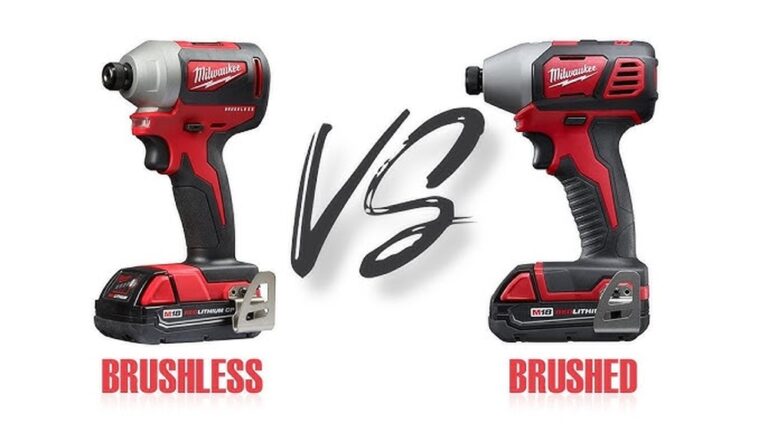
Most Ryobi and DeWalt cordless drills now use brushless motors in their mid-range and high-end models. Brushless motors are more efficient and last longer than brushed motors. However, you’ll still find brushed motors in some cheaper Ryobi drills.
DeWalt usually leads in raw power, especially in its 20V MAX XR and FlexVolt lines. For example, the DeWalt DCD791D2 (20V MAX XR) delivers up to 460 UWO (Unit Watts Out), while the comparable Ryobi P1815 (18V ONE+) delivers about 340 UWO. This difference matters when drilling into concrete, hardwood, or metal.
Speed And Torque
Speed is measured in rotations per minute (RPM) and torque in inch-pounds (in-lb). DeWalt drills usually have higher torque and faster speeds, which helps with tough jobs. Ryobi drills have enough power for most household tasks, but they can struggle with very dense materials.
Practical Example
If you’re building a deck or framing a wall, a DeWalt will usually drive long screws faster and with less effort. But for hanging shelves or assembling furniture, Ryobi’s power is more than enough.
Battery System And Life
Batteries are the heart of any cordless tool system. Both brands use lithium-ion batteries, but there are differences that matter.
Voltage And Compatibility
- Ryobi: Uses an 18V ONE+ battery platform. All Ryobi 18V tools use the same battery, even models from 20 years ago.
- DeWalt: Uses a 20V MAX platform (really 18V nominal, just like Ryobi, but measured differently). DeWalt also has 60V FlexVolt for high-demand tools.
This means Ryobi batteries are extremely cross-compatible. If you buy one Ryobi battery, you can use it in dozens of tools from drills to fans to lawnmowers.
Battery Life
Battery life depends on amp-hour (Ah) rating. Higher Ah means longer runtime. DeWalt batteries tend to offer slightly longer life at the same Ah, thanks to more efficient motors and battery management. For example, a 2. 0Ah DeWalt battery usually lasts longer under load than a 2.
0Ah Ryobi.
Charge Time
DeWalt chargers often work faster than Ryobi chargers, especially the “Fast Charger” models. This can make a difference if you use your drill all day.
Table: Example Battery Specs
| Brand | Battery Platform | Voltage | Typical Ah Range | Charger Time (2.0Ah) |
|---|---|---|---|---|
| Ryobi | ONE+ | 18V | 1.5 – 6.0Ah | 45-60 min |
| DeWalt | 20V MAX | 20V (18V nominal) | 1.5 – 9.0Ah | 30-45 min |
Non-obvious Insight
Many beginners forget to check if the battery and charger are included. Ryobi often sells “bare tools” (no battery/charger), which keeps the price low but can surprise first-time buyers.

Credit: www.youtube.com
Durability And Build Quality
If you use your drill a lot, durability matters. Here’s where Ryobi and DeWalt differ most.
Materials
DeWalt drills are built for jobsite use. They often use metal gearboxes, strong plastics, and reinforced housings. Rubber overmold grips are common, protecting the tool from bumps and drops. Many DeWalt drills are rated for drop resistance.
Ryobi drills use tough plastic but are not as rugged. They’re fine for home and light commercial work, but they’re not meant for daily heavy use. Some Ryobi models now use metal chucks and gearboxes, but it’s less common.
Weather And Dust Resistance
DeWalt offers several drills with weather-sealed electronics and extra protection against dust. This matters if you work outdoors or on construction sites. Ryobi drills are not sealed and may fail faster in harsh conditions.
Real-world Example
A contractor who drops tools from ladders will notice DeWalt drills last longer. Homeowners doing repairs once a month may never see a difference.
Ergonomics And Comfort
Comfort is important, especially if you use the drill for long periods.
Weight And Balance
- Ryobi drills are usually lighter, which helps reduce arm fatigue. Most weigh around 3.0 lbs with battery.
- DeWalt drills are slightly heavier (3.5-4.0 lbs with battery) but are well balanced.
Grip And Controls
Both brands have comfortable rubberized grips, but DeWalt’s handles are thinner and fit most hand sizes better. Ryobi’s bulkier handles can be awkward for small hands.
Noise And Vibration
DeWalt drills run a bit quieter and with less vibration, thanks to better motor balancing. This makes them easier to use for extended periods.
Uncommon Insight
Many beginners don’t realize that the weight of the battery affects comfort as much as the drill itself. Larger batteries last longer but make the tool heavier.
Price And Value
Cost is often the deciding factor. Ryobi and DeWalt have different price strategies.
Initial Cost
Ryobi drills are much cheaper. You can get a Ryobi drill kit (with battery and charger) for $60–$120. DeWalt kits usually start around $120 and go up to $250+ for brushless models.
Long-term Value
Ryobi offers excellent value for homeowners who only need a drill sometimes. DeWalt offers better value for professionals who need tools that last years.
Table: Typical Price Range
| Brand | Entry-Level Kit | Mid-Range Kit | High-End Kit |
|---|---|---|---|
| Ryobi | $60–$90 | $100–$150 | $160–$200 |
| DeWalt | $120–$160 | $180–$250 | $250–$350 |
Unexpected Cost
Many users forget to factor in the cost of extra batteries and chargers, which can add $40–$100 per battery.
Tool Selection And Ecosystem
If you plan to buy more cordless tools, the ecosystem matters a lot.
Ryobi One+ System
Ryobi’s ONE+ system has over 260 compatible tools. All run on the same 18V battery. This is great for home users who want fans, glue guns, or even cordless lawnmowers.
Dewalt 20v Max And Flexvolt
DeWalt’s 20V MAX family offers over 200 tools, but also has the FlexVolt line (60V) for bigger tools. DeWalt has more options for contractor-grade tools (e.g., rotary hammers, heavy saws).
Battery Compatibility
Ryobi wins for backward compatibility: batteries from old drills still work today. DeWalt’s 20V MAX batteries are not compatible with older 18V DeWalt tools unless you use an adapter.
Non-obvious Insight
People often buy into a tool ecosystem without realizing that it locks them in. Mixing batteries and chargers between brands is usually impossible.
Warranty And Support
A good warranty gives peace of mind. Here’s how Ryobi and DeWalt compare:
Ryobi
- 3-year limited warranty on most tools.
- Easy to return to Home Depot for warranty service.
- Batteries have a shorter 2-year warranty.
Dewalt
- 3-year limited warranty on most tools.
- 1-year free service contract (covers wear and tear).
- 90-day money-back guarantee.
- Batteries usually have a 2-year warranty.
Service Network
DeWalt has more authorized service centers and better support for professional users. Ryobi relies on retail partners for most service.
Example
If your DeWalt drill fails at a jobsite, you can find a service center in most cities. Ryobi users often need to visit a retail store or ship the tool for repair.
User Experience And Reviews
What do real users say about Ryobi and DeWalt cordless drills? Online reviews and forums offer some clear trends.
Ryobi
- Most buyers are DIYers and homeowners.
- Users praise the value for money and battery compatibility.
- Some complain about durability in tough conditions.
- Drills perform well for basic tasks like furniture assembly, curtain rod installation, and small repairs.
Dewalt
- Many buyers are professionals or serious hobbyists.
- Users love the power, long battery life, and rugged design.
- Some complain about higher price, but most say it’s worth it.
- Drills excel in heavy-duty use: Deck building, framing, metalwork, and all-day jobsite tasks.
Common Mistake
Beginners sometimes buy a professional DeWalt drill for simple household tasks, spending more than necessary.
Head-to-head: Sample Drill Comparison
Let’s compare two popular models side by side.
Table: Ryobi P215 Vs Dewalt Dcd771c2
| Feature | Ryobi P215 | DeWalt DCD771C2 |
|---|---|---|
| Motor | Brushed | Brushed |
| Voltage | 18V | 20V MAX |
| Max Torque | 340 in-lb | 300 in-lb |
| Speed | 0-450 / 0-1750 RPM | 0-450 / 0-1500 RPM |
| Weight (with battery) | 3.0 lbs | 3.6 lbs |
| Kit Price | ~$70 | ~$120 |
| Warranty | 3 years | 3 years |
This shows that for basic use, Ryobi actually offers more torque and speed for less money. But DeWalt’s build quality and support are stronger.
Who Should Choose Ryobi?
Ryobi cordless drills are a smart pick if:
- You’re a homeowner or casual DIYer.
- You want to save money but still get a reliable tool.
- You plan to build a collection of ONE+ tools for home and garden.
- You don’t need a drill for heavy-duty daily use.
Ryobi’s value and battery system are hard to beat for most household needs.
Who Should Choose Dewalt?
DeWalt cordless drills make sense if:
- You’re a professional or advanced DIY user.
- You need a drill that can handle tough jobs and last for years.
- You want access to high-performance tools and advanced features.
- You work in demanding environments (construction, remodeling, etc. ).
DeWalt costs more, but the performance, support, and durability are worth it for serious users.
Important Buying Tips
- Try before you buy if possible. Feel the grip and weight in your hand.
- Check if the kit includes a battery and charger; buying these later adds cost.
- Consider the whole ecosystem—if you plan to buy more cordless tools, sticking to one brand saves money.
- Don’t overbuy. For most home use, Ryobi is enough. For daily jobsite use, DeWalt is better.
- Watch for sales and bundles—both brands offer discounts at different times of year.

Credit: www.allaboutthebuild.com
Which Brand Is More Innovative?
Both companies release new features every year. DeWalt often leads in jobsite technology (Bluetooth batteries, Tool Connect, FlexVolt). Ryobi focuses on affordable innovations for homeowners (e.g., cordless glue guns, inflators).
Example
DeWalt’s Tool Connect lets you track your drill with your phone—a feature Ryobi doesn’t offer. But Ryobi’s ONE+ HP line now offers brushless, compact drills at very low prices.
Environmental And Global Reach
DeWalt manufactures many tools in the USA with global materials, which appeals to buyers who want to support local jobs. Ryobi tools are mainly made in China, but quality control is consistent.
Both brands are easy to buy worldwide and have strong support networks.
Real-world Scenarios
Scenario 1: Weekend Homeowner
Sara wants a drill for fixing shelves, repairing her fence, and building a small deck. She buys a Ryobi ONE+ kit for $90. It does everything she needs, and she later adds a Ryobi fan and trimmer to her collection, using the same battery.
Scenario 2: Full-time Contractor
Mike is a carpenter working on job sites every day. He needs maximum power and long life. He chooses a DeWalt 20V MAX XR kit. It costs more but never lets him down. He can get his drill fixed quickly at a local service center and uses the same batteries for his saws and impact drivers.
Summary Table: Ryobi Vs Dewalt Drill Strengths
| Feature | Ryobi | DeWalt |
|---|---|---|
| Affordability | Excellent | Good |
| Power | Good | Excellent |
| Durability | Good (light use) | Excellent (heavy use) |
| Battery Ecosystem | Very strong | Strong |
| Warranty | 3 years | 3 years |
| Tool Variety | Very wide (home/garden) | Wide (pro/industrial) |
| Professional Use | Not recommended | Highly recommended |
Frequently Asked Questions
Is Ryobi Or Dewalt Better For Home Use?
For most home tasks, Ryobi is better because it’s more affordable and powerful enough. If you want a drill mainly for repairs, DIY, or crafts, Ryobi will do the job and save you money. If you expect to use the drill for heavy work or want the highest durability, DeWalt is worth the extra cost.
Can I Use Ryobi Batteries In Dewalt Drills?
No, Ryobi and DeWalt batteries are not compatible. Each brand uses a unique battery shape and connection. There are some third-party adapters, but they can void your warranty and are not recommended by either brand.
Which Drill Lasts Longer, Ryobi Or Dewalt?
DeWalt drills usually last longer, especially in tough conditions. They’re built for professional use and stand up to heavy wear. Ryobi drills last many years with light to medium use, but may wear out faster if used heavily.
Are Brushless Drills Worth The Money?
Yes, brushless drills are more efficient, last longer, and run cooler. Both Ryobi and DeWalt offer brushless models. If you plan to use your drill often, a brushless model is a smart investment.
Where Can I Find More Information About Power Tools?
For more details and tool reviews, visit the Consumer Reports power tools section. This site offers expert comparisons and user feedback.
Choosing between Ryobi and DeWalt comes down to your needs, your budget, and how you plan to use your tools. Both brands are trusted, but they serve different types of users. Use the facts and insights above to find the cordless drill that fits you best—and enjoy building, fixing, and creating with confidence.