Choosing a power drill is never easy, especially when you have two trusted brands like Dewalt and Ridgid. Both names are well-known, and each has loyal fans who swear their tools are the best. But if you are buying your first drill or thinking about upgrading, which one should you choose? The answer is not as simple as picking the most popular brand. To make the right decision, you need to look at performance, durability, battery life, comfort, price, and a few details that many people often overlook.
This article will break down the strengths and weaknesses of Dewalt and Ridgid drills. You’ll learn how they compare in real-world use, see how their features match up, and discover tips that can save you time and money. Whether you’re a homeowner, a serious DIYer, or a professional, you’ll find clear guidance to help you choose the best drill for your needs.
Brand Backgrounds: Dewalt And Ridgid
Understanding the history and reputation of each brand gives important context before diving into specifics.
Dewalt is an American brand, famous for making power tools since 1924. Their yellow and black design is easy to spot on job sites around the world. Dewalt is known for strong, reliable tools, and their drills are often used by professionals in construction, woodworking, and automotive work.
Ridgid started even earlier, in 1923, focusing first on plumbing tools. Over time, they expanded into power tools. While not as widely seen on construction sites as Dewalt, Ridgid drills have a strong following among DIYers and tradespeople. Many people like Ridgid because of their lifetime service agreement, which is rare in the tool world.
Both brands are owned by large companies, and both have a long history of innovation. Dewalt is now part of Stanley Black & Decker, while Ridgid power tools are made by TTI, the same company behind Milwaukee and Ryobi.
Dewalt Drill Overview
Dewalt offers a wide range of drills, from simple corded models to advanced brushless cordless drills. Their most popular drill lines are the 20V MAX and the FlexVolt series. Dewalt drills are known for:
- Strong motors (often brushless)
- Lightweight design
- Long battery life
- Excellent build quality
- Wide accessory and battery compatibility
Dewalt’s 20V MAX system is especially popular because batteries fit many other Dewalt tools. The drills often include smart features like adjustable clutches, built-in LED lights, and ergonomic grips.
Common Dewalt drill models include:
- DCD771C2 (compact, 20V MAX)
- DCD996B (premium, hammer drill, 20V MAX XR)
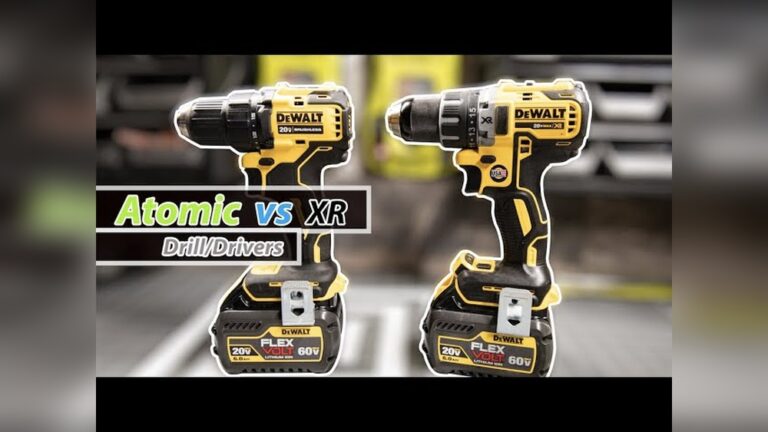
- DCD708C2 (Atomic series, ultra-compact)
- DCD999B (FlexVolt Advantage, high power)
Many Dewalt drills are made in the USA or Mexico, but some parts come from other countries.
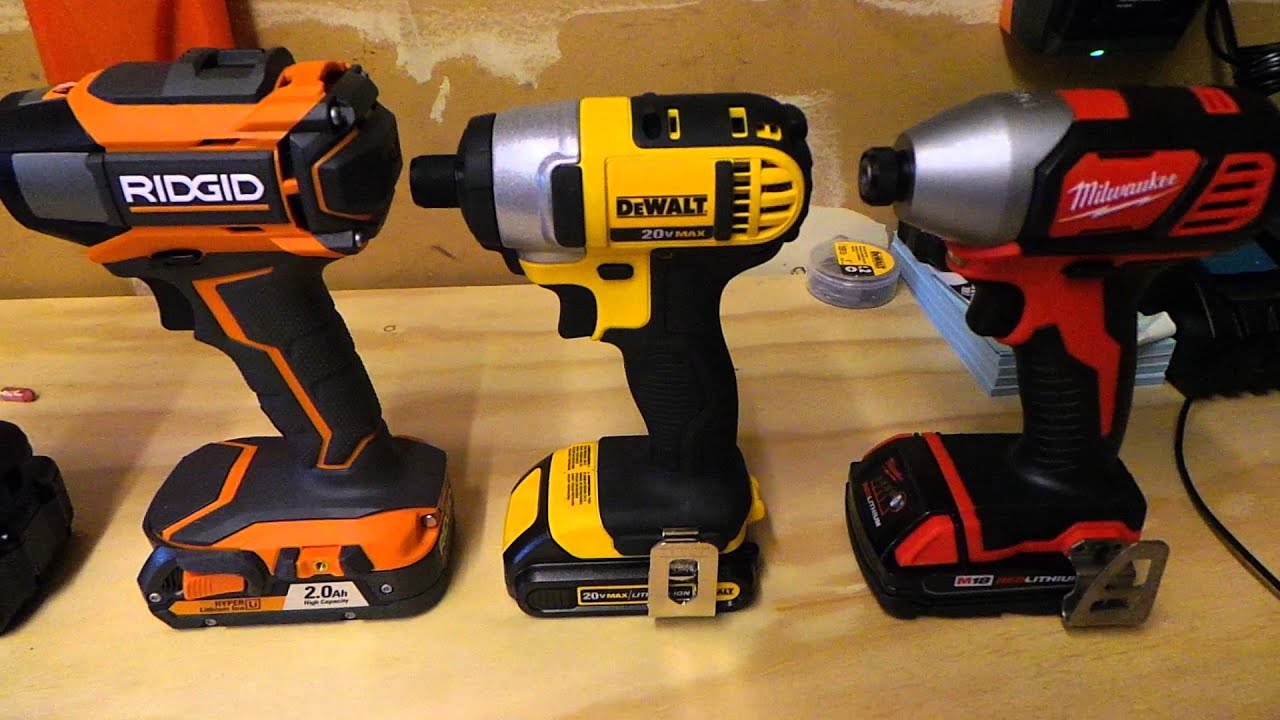
Credit: www.youtube.com
Ridgid Drill Overview
Ridgid drills are known for their solid build, strong torque, and reasonable prices. They focus on cordless drills in their 18V lineup, with a few corded models. Key features often include:
- Heavy-duty construction
- Lifetime service agreement
- Brushless motor options
- High torque output
- LED lighting
- Comfortable grip
Ridgid’s 18V battery system works with many of their other tools, similar to Dewalt’s approach. Their drills usually come with advanced features like hammer mode, variable speed triggers, and metal chucks.
Popular Ridgid drill models include:
- R86009 (Gen5X, brushless, 18V)
- R86116 (SubCompact, brushless, 18V)
- R86114 (Octane, high performance, 18V)
- R5011 (corded hammer drill)
Ridgid drills are made by TTI, which also manufactures for other big brands. Their tools are commonly sold at Home Depot in the US.
Head-to-head: Performance
When comparing Dewalt and Ridgid, performance is often the top concern. Let’s look at how each brand’s drills perform in real situations.
Power And Torque
Dewalt drills, especially the 20V MAX XR and FlexVolt models, are known for high torque and fast speeds. Their brushless motors deliver consistent power and are efficient at handling tough materials like hardwood and metal. For example, the Dewalt DCD996B can deliver up to 820 unit watts out (UWO), which is a measure of the drill’s true output.
Ridgid’s brushless 18V drills, like the Octane series, are also powerful. Some models deliver up to 1,300 in-lbs of torque, which is impressive for their price range. In side-by-side tests, Ridgid often matches or even beats Dewalt in raw torque, especially with their latest brushless motors.
However, Dewalt drills often feel smoother and more controlled at high speed. This means you get less vibration and more precise drilling, especially in delicate tasks.
Speed
Both brands offer variable speed triggers and multiple speed settings. Dewalt drills usually have 2 or 3 speed modes, with top speeds over 2,000 RPM (rotations per minute) on their high-end models. Ridgid drills are similar, often reaching 2,100 RPM.
In most day-to-day jobs, both brands are more than fast enough. Dewalt has a slight edge for tasks that need sustained high speed, like drilling large holes or mixing paint.
Battery Life
Dewalt’s 20V MAX batteries are known for long life and quick charging. Their XR (eXtreme Runtime) line and FlexVolt batteries last even longer, sometimes running twice as long as basic packs. Dewalt tools also work well with batteries that have different capacities, from 1.
5Ah to 9. 0Ah.
Ridgid’s 18V batteries are solid, but they sometimes lag behind Dewalt in runtime. Their 4. 0Ah and 6. 0Ah packs offer good endurance, and new brushless models are more efficient. However, users sometimes report that Ridgid batteries lose capacity faster over several years of heavy use.
One thing beginners often miss: battery compatibility is key. If you already have tools from one brand, sticking with the same battery platform can save you a lot of money.
Durability
Dewalt drills are famous for surviving tough conditions. Many are certified for jobsite use and resist drops, dust, and rain. Their metal chucks and gear cases hold up well over time.
Ridgid drills are also very durable, with solid housings and metal parts where it matters. However, they can feel bulkier and sometimes heavier than Dewalt. Ridgid’s lifetime service agreement is a big plus—if anything breaks, repairs are usually free for the original owner (if registered).
Features And Usability
How a drill feels in your hand can be just as important as raw power. Let’s look at the features that affect daily use.
Weight And Balance
Dewalt drills are generally lighter, with many compact models under 3. 5 lbs including the battery. The Atomic and XR series are especially easy to use overhead or in tight spaces.
Ridgid drills, especially the Gen5X and Octane lines, are heavier. Some models can reach 4. 5 lbs with the battery. However, Ridgid’s SubCompact series is much lighter and closes the gap.
A lighter drill means less fatigue, especially on long jobs. However, heavier drills sometimes feel more stable when drilling large holes or driving long screws.
Grip And Comfort
Dewalt’s ergonomic grips are famous for fitting a wide range of hand sizes. The rubber overmold reduces vibration and helps keep the drill steady, even with sweaty hands.
Ridgid drills have a thicker handle, which some users love and others find awkward. Their grips are also rubberized, but the overall feel is bulkier. If you have smaller hands, Dewalt might feel more comfortable for long periods.
Led Lighting
Both brands offer built-in LED lights near the chuck. Dewalt’s high-end models have a unique 3-mode LED system that can be very bright and even act as a work light. Ridgid’s lights are bright but usually have a single mode.
Clutch And Speed Settings
Dewalt drills often have 15 or more clutch settings, plus a drill mode and sometimes a hammer mode for masonry. This gives you more control and helps prevent stripping screws.
Ridgid also offers multiple clutch settings and hammer modes on their advanced drills. However, their clutch rings can feel stiffer to turn.
Chuck Quality
Dewalt uses all-metal chucks on most models, which grip bits tightly and resist wear. Ridgid’s chucks are also robust, but sometimes users report the chuck loosening over time, especially on older models.
Price And Value
Budget is always a key factor. Here’s how Dewalt and Ridgid stack up:
- Dewalt drills usually cost more, especially high-end XR and FlexVolt models. Entry-level Dewalt kits start around $99, but brushless hammer drills can exceed $250 for tool plus batteries.
- Ridgid drills are typically 10-25% less expensive for similar specs. Basic kits start near $80, and their premium brushless kits rarely go above $200.
However, Ridgid’s lifetime service agreement adds long-term value. Dewalt offers a 3-year limited warranty, which is good, but not as generous as Ridgid’s coverage if you plan to keep your tools for many years.
Another detail beginners often miss: included accessories. Dewalt often includes two batteries, a charger, and a case. Ridgid sometimes includes only one battery, so check what’s in the box before buying.
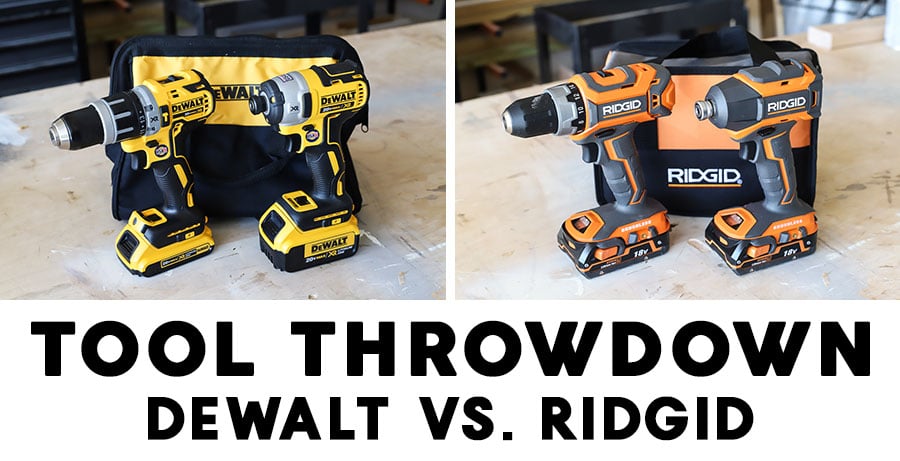
Credit: jenwoodhouse.com
Real-world User Experiences
Online reviews and user forums reveal more about how Dewalt and Ridgid drills work in daily life.
- Professionals often prefer Dewalt for reliability, battery life, and lighter weight. Many say Dewalt drills last for years, even under heavy use.
- DIYers and homeowners often choose Ridgid for price and lifetime service. They report good performance for most tasks, with only minor complaints about weight and size.
A unique insight: People who switch from Ridgid to Dewalt almost never go back, but those who start with Dewalt are often loyal for life. However, Ridgid users praise the service agreement and say it’s easy to get tools repaired.
Table: Dewalt Vs Ridgid Drill Specifications
Here is a direct comparison of two popular mid-range models: Dewalt DCD791D2 vs Ridgid R86116.
| Feature | Dewalt DCD791D2 | Ridgid R86116 |
|---|---|---|
| Motor Type | Brushless | Brushless |
| Voltage | 20V MAX | 18V |
| Max Torque | 460 UWO (~700 in-lbs) | 550 in-lbs |
| Max Speed | 2,000 RPM | 1,750 RPM |
| Weight (with battery) | 3.4 lbs | 2.8 lbs |
| LED Light | 3-Mode | Single Mode |
| Warranty | 3 Years | Lifetime Service Agreement |
Table: Dewalt Vs Ridgid Drill Kit Price Comparison
Below is a typical price comparison for brushless drill/driver kits (as of 2024):
| Model | Average Price | Included Batteries | Charger | Carrying Case |
|---|---|---|---|---|
| Dewalt DCD771C2 | $119 | 2 (1.3Ah) | Yes | Soft bag |
| Ridgid R86009 | $99 | 1 (2.0Ah) | Yes | Soft bag |
| Dewalt DCD996B | $179 (bare tool) | 0 | No | No |
| Ridgid R86114 | $149 (bare tool) | 0 | No | No |
*Note: Prices may vary by location and retailer.*
Table: Warranty And Service Comparison
Warranty coverage can make a big difference, especially for heavy users.
| Brand | Standard Warranty | Extended Service | How to Register |
|---|---|---|---|
| Dewalt | 3 Years Limited | 1 Year Free Service | Optional, online |
| Ridgid | 3 Years Limited | Lifetime Service Agreement* | Required, online within 90 days |
*The Ridgid Lifetime Service Agreement covers parts, batteries, and service, but you must register your tool within 90 days of purchase. *
Which Is Best For You?
Choosing between Dewalt and Ridgid depends on your needs:
- If you want the lightest, most comfortable drill with top battery life and don’t mind paying more, Dewalt is often the best choice.
- If you’re looking for great value, strong torque, and a lifetime service agreement, Ridgid is hard to beat.
- For professionals or those who use their drill every day, Dewalt’s slightly higher reliability and battery system are big advantages.
- For homeowners and DIYers, Ridgid’s price and warranty make it a smart buy.
A practical tip: Try each drill in-store, if possible. Your hand size, strength, and comfort preferences matter more than any single feature.
Lesser-known Insights
Many buyers overlook these important details:
- Battery system lock-in: Once you buy a drill kit, it’s cheaper to buy “bare tools” (no battery) from the same brand. Mixing brands means buying more expensive batteries and chargers.
- Local service centers: Dewalt has more repair centers across the US and worldwide. Ridgid relies mostly on Home Depot and their mail-in service. This can mean faster repairs for Dewalt in some areas.
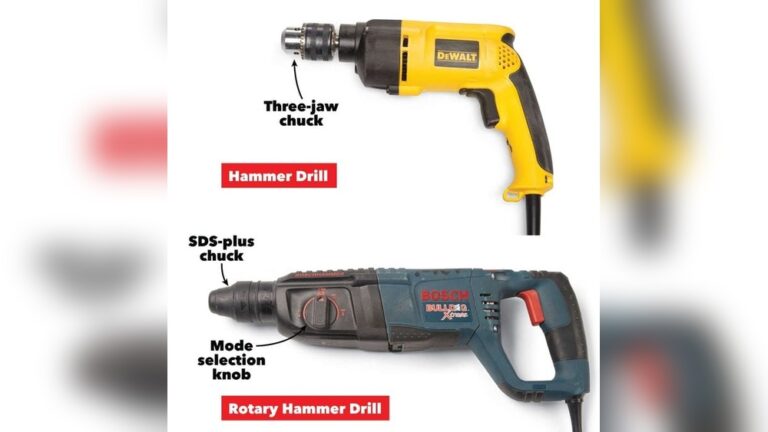
- Hammer drill vs. drill/driver: Not all models include a hammer function. If you ever plan to drill concrete or brick, choose a hammer drill from the start. Both brands offer this, but Dewalt’s hammer models are usually lighter.

Credit: www.youtube.com
Environmental And Global Impact
Both companies are making efforts to reduce their environmental footprint. Dewalt has several “Made in the USA with global materials” lines, supporting local jobs and reducing shipping. Ridgid’s main focus is durability, which means fewer tools in landfills.
One detail often missed: Dewalt recycles old batteries through authorized drop-off centers, while Ridgid’s recycling program is less visible. If you care about recycling, Dewalt’s system is easier to use.
Where To Buy
Dewalt tools are available at most hardware stores, online retailers, and specialty tool shops worldwide. Ridgid is sold mainly through Home Depot in the US and Canada, with limited international distribution.
If buying online, always check for authorized sellers to avoid fake batteries or used tools.
For more about tool brand histories, see the DeWalt Wikipedia page.
Frequently Asked Questions
Is Dewalt Or Ridgid Better For Professionals?
Both brands are good, but Dewalt is usually preferred by professionals. Dewalt drills are lighter, have longer battery life, and are supported by more service centers. Ridgid is better for value and is a great choice for homeowners, DIYers, or those who need the lifetime service agreement.
Does Ridgid’s Lifetime Service Agreement Really Cover Everything?
Ridgid’s lifetime service agreement is one of the best in the industry. It covers parts, batteries, and even labor. However, you must register your tool within 90 days of purchase and keep your receipts. Some users report delays in service, but most repairs are free if you follow the rules.
Are Dewalt And Ridgid Batteries Interchangeable?
No, Dewalt and Ridgid batteries are not compatible. Dewalt uses a 20V MAX system, while Ridgid uses 18V. Each brand’s batteries fit only their own tools. It’s best to choose one system and stick with it for the best value.
Which Drill Is Better For Small Hands?
Dewalt drills, especially the Atomic and XR compact lines, are lighter and have slimmer grips. These are more comfortable for users with small hands. Ridgid drills tend to have thicker handles, which may feel bulky for some people.
Do Both Brands Offer Hammer Drills?
Yes, both Dewalt and Ridgid offer hammer drills. These are useful for drilling into masonry, concrete, or brick. Dewalt’s hammer drills are usually lighter, while Ridgid’s are often stronger but heavier. Always check the model specs to be sure you’re getting the features you need.
Making the right choice between Dewalt and Ridgid is not about finding the “best” drill overall, but the best drill for your unique needs. Both brands have strong points and happy customers. Take your time, consider how you will use your drill, and pick the tool that fits your hand, your budget, and your future projects.
With either brand, you can expect a reliable partner for years of work ahead.