If you have ever taken on a drywall project, you probably wondered if you should use a drywall screw gun or a drill. Both tools can drive screws into drywall, but they are not the same. Each one has its own features, pros, cons, and best uses.
Picking the right tool can save you time, effort, and even money. But how do you know which one fits your needs? In this guide, you’ll learn everything you need to know about drywall screw guns vs drills. You’ll see real differences, real-life examples, and some surprising facts that most beginners miss.
What Is A Drywall Screw Gun?
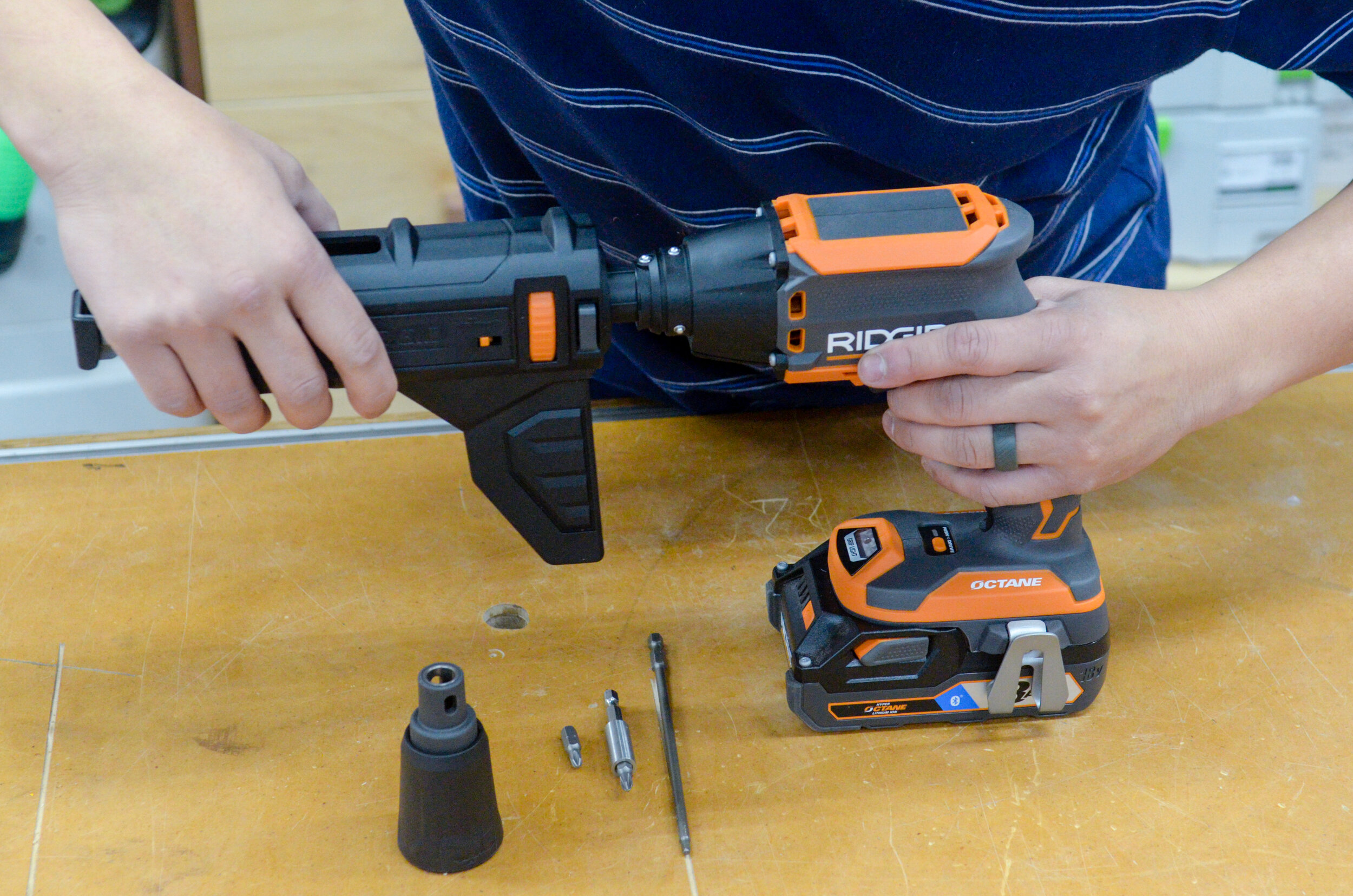
A drywall screw gun is a power tool designed for one main job: driving screws into drywall sheets. It looks similar to a drill, but it has some unique features:
- Nose cone: Guides the screw and keeps it straight.
- Depth adjustment: Lets you control how deep the screw goes.
- High RPM: Spins faster than a regular drill, often 4,000–6,000 RPM.
- Automatic clutch: Stops spinning when the screw hits the set depth.
Some screw guns are corded, while others are cordless and run on batteries. There are also collated screw guns that use a strip of screws to make the job even faster.
What Is A Drill?
A drill is a more general tool. It can drill holes and drive screws into many materials—wood, metal, plastic, and even drywall. Most drills have:
- Variable speed: You control how fast it spins.
- Adjustable clutch: Prevents overtightening.
- Chuck: Holds different bits for drilling or driving.
- Cordless or corded: Both types are common.
Drills are not specialized for drywall, but many people use them for drywall jobs, especially for small projects or DIY repairs.
Key Differences Between Drywall Screw Guns And Drills
At first glance, a screw gun and a drill may look similar, but their design and performance are very different. Here are the main differences that matter:
| Feature | Drywall Screw Gun | Drill |
|---|---|---|
| Purpose | Designed for drywall screws | General use (drilling and driving) |
| Speed (RPM) | 4,000–6,000 RPM | 0–2,000 RPM |
| Depth Control | Precise, adjustable | Manual, less accurate |
| Nose Cone | Yes (guides screws) | No |
| Clutch | Automatic, stops at depth | Manual or adjustable |
| Collated Option | Available | Not available |
| Weight | Lighter (usually) | Varies, often heavier |
| Price | Usually higher | Affordable options |
When To Use A Drywall Screw Gun
Drywall screw guns are not for everyone. But in some situations, they can make a huge difference:
- Large drywall projects: If you need to install many sheets of drywall, a screw gun will save you hours. The speed and depth control make it easy to drive hundreds or thousands of screws quickly.
- Professional work: Contractors and pros use screw guns because they deliver perfect, repeatable results. Clients expect smooth walls, and screw guns help make that happen.
- Collated screws: Some screw guns can use collated strips of screws. This means you don’t have to load a new screw each time. Just press, and the next screw is ready.
- Consistent depth: If you care about getting every screw at the right depth—flush or just below the surface—a screw gun is the best tool.
When To Use A Drill For Drywall
For small jobs or quick fixes, a drill can work well:
- DIY repairs: If you only need to hang one or two sheets, or fix a hole, using a drill is fine. You don’t need to buy a special tool.
- Multi-purpose use: Drills can do more than drive screws. You can use them to drill holes, drive different types of screws, or work with wood and metal.
- Budget-friendly: If you already own a drill, you can use it for drywall without extra cost.
- Occasional use: If you don’t plan to install drywall often, a drill is usually enough.
Advantages Of Drywall Screw Guns
Drywall screw guns are not just about speed—they are built for quality and efficiency. Here are some clear benefits:
- Consistent depth: The automatic clutch and depth adjustment make it almost impossible to overdrive or underdrive screws.
- Less damage: Screws stop at the right spot, so the drywall paper stays intact. This means fewer repairs and a smoother finish.
- Faster workflow: High RPM and collated screws let you work much faster than with a drill.
- Lightweight and balanced: These tools are easy to handle for long periods, so you can install drywall all day without hand fatigue.
- Less user skill required: Even beginners can get pro results.
A non-obvious advantage: Less screw stripping. Because the screw stops spinning at the perfect moment, you rarely strip screw heads. This saves you money on screws and time on repairs.
Advantages Of Drills For Drywall
While drills are not perfect for drywall, they have their own strengths:
- Versatility: You can use the same tool for many jobs around the house.
- Easy to find: Most homeowners already own a drill, so no extra purchase is needed.
- Lower upfront cost: Drills are often cheaper than screw guns, especially for entry-level models.
- Adjustable clutch: While not as precise as a screw gun, most drills let you set the clutch to avoid overdriving screws.
A common beginner mistake: Forgetting to adjust the clutch on the drill. If you set it too high, you can easily drive the screw too deep and damage the drywall.
Disadvantages Of Drywall Screw Guns
No tool is perfect. Drywall screw guns have a few downsides:
- Single-purpose: They are not useful for much else except drywall screws.
- Higher cost: Good screw guns can be expensive, especially collated models.
- Learning curve: It takes time to get used to the nose cone and depth settings.
- Not ideal for tight spots: The nose cone can make it hard to reach corners or awkward angles.
A non-obvious disadvantage: Collated screw guns may jam. If dust or debris gets inside, the screw strip can get stuck and slow you down.
Credit: www.alabamawoodworker.com
Disadvantages Of Drills For Drywall
Drills can handle drywall, but they are not always ideal:
- Less speed: Drills are slower, especially for big projects.
- Inconsistent screw depth: It’s easy to drive some screws too deep and others not deep enough.
- More hand fatigue: Most drills are heavier and not balanced for overhead work.
- Risk of damaging drywall: Without careful control, you can tear the drywall paper or strip screws.
Another issue: Frequent bit changes. With a drill, you may need to switch between Phillips and square drive bits, which can slow you down.
Detailed Feature Comparison
Let’s look at the most important features side by side, so you can see which tool fits your needs.
Speed And Efficiency
Drywall screw guns win on speed. Their higher RPM and collated screw capability let you drive many screws in less time. For professionals, this can cut drywall installation time by up to 30%. Drills are slower, especially if you’re loading each screw by hand.
Depth Control
Screw guns offer precise depth control. You adjust the nose cone, and every screw stops at the same level. This means less risk of damaging the drywall or needing to patch holes. Drills rely on your skill and clutch setting, which is less reliable.
Ergonomics And Weight
Most screw guns are designed for all-day use. They are lighter, better balanced, and have comfortable grips. Drills come in many shapes and sizes, but most are heavier and not optimized for overhead work.
Versatility
Drills can do many jobs. You can use them for woodworking, metalwork, and home repairs. Screw guns have one main job: drywall screws.
Cost
A quality drywall screw gun can cost $100–$250, with collated models even higher. A basic drill can cost as little as $40, with higher-end models costing $150 or more.
Maintenance
Both tools need care, but screw guns are more sensitive to dust and debris, especially collated models. Drills are generally easier to clean and maintain.
| Aspect | Drywall Screw Gun | Drill |
|---|---|---|
| Speed | Very fast | Medium |
| Depth Accuracy | Excellent | Good (with practice) |
| Learning Curve | Moderate | Low |
| Best for | Large projects, pros | DIY, small jobs |
| Longevity | High (with care) | Varies by brand |
Real-world Examples
Let’s look at two scenarios to show the difference in practice.
Example 1: Installing Drywall In A New Room
Imagine you are finishing a basement. You need to hang 20 sheets of drywall. Each sheet takes about 32 screws. That’s 640 screws total.
- With a screw gun, you can drive each screw in 2 seconds.
- With a drill, each screw takes about 4 seconds, plus extra time for bit changes and depth checks.
Over 640 screws, the screw gun saves you more than 20 minutes—and you get better, more consistent results.
Example 2: Patching A Small Hole
You want to fix a hole in your living room wall. You need to attach a small piece of drywall with 8 screws.
- Using a drill is fast and convenient. You don’t need to buy a special tool.
- The depth doesn’t need to be perfect, so a drill is fine.
In this case, a screw gun would be overkill.
How To Use A Drywall Screw Gun Properly
If you choose a screw gun, here are some tips to get the best results:
- Adjust the nose cone: Set the depth so the screw sits just below the drywall surface.
- Hold the tool straight: Keep the screw gun at a right angle to the wall for the best grip.
- Use the right screws: Choose screws made for drywall, usually black phosphate-coated.
- Work in a pattern: Start at one edge and move across the sheet, keeping screws about 12 inches apart.
- Clean the tool often: Dust and debris can cause jams, especially with collated models.
A tip most beginners miss: Practice on scrap drywall first. It’s much easier to get a feel for the right depth on scrap than on your finished wall.

Credit: www.familyhandyman.com
How To Use A Drill For Drywall
If you’re using a drill, keep these tips in mind:
- Set the clutch: Start at a low setting to avoid overdriving.
- Use a drywall bit: Some bits have a sleeve to help stop at the right depth.
- Go slow: Fast spinning can damage the drywall paper.
- Check depth often: Stop to make sure screws are not too deep or too shallow.
- Switch bits as needed: If you’re switching between Phillips and square drive screws, have both bits handy.
A smart trick: Mark your drill bit with tape at the depth you want. When the tape touches the drywall, stop driving.
Common Mistakes Beginners Make
Many people try drywall for the first time and run into trouble. Here are some mistakes to watch out for:
- Driving screws too deep: This tears the paper and weakens the drywall.
- Using the wrong screws: Wood screws or deck screws can split drywall.
- Not enough screws: Too few screws can lead to loose panels and cracks.
- Inconsistent spacing: Screws too far apart make the wall less stable.
- Skipping depth adjustment: Forgetting to adjust the nose cone or clutch leads to uneven screws.
Durability And Longevity
Both tools can last a long time with care. However, drywall screw guns are designed for high-volume use. They have better dust seals and stronger motors for driving thousands of screws. Drills are more versatile but may wear out faster if pushed hard on drywall jobs.
A hidden insight: Overheating is a risk. Continuous drywall work can overheat a drill’s motor, especially low-cost models. Screw guns are built for longer, harder use.
Cost Breakdown: Which Is Better For Your Budget?
Here is a realistic look at the costs:
- Drywall screw gun: $100–$250 for a good corded or cordless model. Collated models can cost $300+.
- Drill: $40–$150 for a basic cordless model. Higher-end models can cost more.
- Accessories: Collated screws cost more, but save time. Replacement bits are needed for both tools.
For a one-time project, a drill is the cheaper choice. For ongoing or professional work, a screw gun pays off in speed and quality.
Which Tool Is Right For You?
Choosing between a drywall screw gun and a drill depends on your needs:
- If you are a professional or have a big drywall project, invest in a screw gun.
- If you are a DIYer with occasional drywall needs, a drill will do the job.
Also, think about your long-term plans. If you might do more drywall later, a screw gun could be a smart investment.
Environmental And Safety Considerations
Drywall work creates a lot of dust. Both tools need to be cleaned often. Use a dust mask, and keep your work area ventilated. Cordless models are safer for working on ladders, since you won’t trip over cords.
A helpful resource for safe drywall work is the OSHA drywall safety page.

Credit: www.alabamawoodworker.com
Frequently Asked Questions
What Is The Main Benefit Of Using A Drywall Screw Gun Over A Drill?
A drywall screw gun gives you precise screw depth every time. This helps prevent damage to the drywall and creates a smooth wall surface. For large projects, it is much faster and more efficient than a drill.
Can I Use Regular Wood Screws With A Drywall Screw Gun?
No. Drywall screw guns are designed for drywall screws, which have a sharp tip and a bugle head. Wood screws can split the drywall and don’t sit properly below the surface.
Is A Collated Screw Gun Worth The Extra Cost?
If you are doing a big project or professional work, a collated screw gun can save a lot of time. You won’t have to load each screw by hand. For small jobs, it’s usually not worth it.
How Do I Know If My Screws Are At The Right Depth?
The screw head should be just below the drywall surface, but not so deep that it breaks the paper. If the paper is torn or the screw is visible, adjust your tool and try again.
Can I Use A Drill For Drywall If I Set The Clutch Properly?
Yes, but it takes more care. Set the clutch to a low setting and check screw depth often. A drywall screw gun still gives better results for big jobs.
Drywall screw gun vs drill—now you know the differences, pros, and cons. Pick the tool that fits your project, and you’ll get better, faster, and easier results.