Ryobi Vs Skil Drill Press: Which One Is Right for You?
Choosing the right drill press can make a huge difference for your projects. Whether you are a hobbyist, a DIY enthusiast, or a small business owner, the drill press you choose will affect your results, speed, and even safety. Two popular brands often compared are Ryobi and Skil. Both offer budget-friendly options for home workshops, but they have important differences that matter when you want the best tool for your needs.
Many buyers focus only on price or power, but there is much more to consider. Details like build quality, accuracy, ease of use, and even warranty can make one model far better for your situation than another. This article will look deeply at Ryobi and Skil drill presses, compare their main models, and help you make an informed decision.
Along the way, you’ll find useful tables, real-world examples, and expert tips that go beyond the basic specs.
Brand Overview: Ryobi And Skil
Before comparing their drill presses, it helps to know what these brands stand for. Both are well-known among DIYers, but their histories and focus areas are not the same.
Ryobi is famous for making affordable power tools that are reliable enough for most home users. The brand belongs to Techtronic Industries, which also owns Milwaukee and AEG. Ryobi tools are widely available, especially in big box stores like Home Depot. They focus on good value for the money.
Skil, on the other hand, has a longer history in the power tools market. Once famous for their circular saws, Skil now makes a wide range of tools for both professionals and serious hobbyists. Their products aim to balance performance and price, and many woodworkers trust the Skil name for everyday use.
Both brands target similar customers, but their design choices and warranties can be quite different. Understanding these differences helps you set realistic expectations for their drill presses.
Drill Press Basics: What Matters Most
A drill press is not just a bigger hand drill. It’s a fixed tool that provides accuracy, repeatability, and safety, especially for drilling in wood, metal, or plastic. When comparing Ryobi and Skil drill presses, you should focus on these main factors:
- Power and Motor Size: Determines how easily you can drill through hard materials.
- Speed Settings: More speeds give you better control for different tasks.
- Table Size and Adjustments: Affects the size of workpieces you can drill and the angles you can use.
- Build Quality and Stability: Heavier, well-built tools vibrate less and last longer.
- Ease of Use: Features like depth stops, laser guides, and quick adjustments save time.
- Warranty and Support: A good warranty means peace of mind.
- Price and Value: What you get for your money.
Let’s compare Ryobi and Skil using these factors and real examples.
Ryobi Drill Press: Key Models And Features
Ryobi’s main bench drill press is the Ryobi DP103L. Some regions may have older models, but the DP103L is currently the most popular and widely reviewed.
Ryobi Dp103l Highlights
- Motor: 1/4 HP (3.0 Amp)
- Speed Settings: 5 (570 to 3050 RPM)
- Chuck Size: 1/2 inch (13 mm)
- Table Size: 6-1/2 x 6-1/2 inches
- Table Tilt: 0-45° left and right
- Laser Alignment: Yes
- Weight: About 42 lbs (19 kg)
- Warranty: 3 years (limited)
- Average Price: $150–$170 USD
Practical Features
The laser alignment system is a strong selling point. It makes it easier to drill exactly where you want, which is important for small parts or repeat work. The table is square, which is easy for clamping jigs or guides. The 1/2-inch chuck handles most common bits, from small wood drills to larger spade bits.
A key insight: the Ryobi motor is smaller than some competitors, but it’s very efficient for wood and soft metals. However, if you plan to drill thick steel often, you may want a more powerful machine.
User Experience
Users often praise the Ryobi’s smooth operation and simple controls. The depth stop works well for repetitive drilling, such as making dowel holes. The machine is not too heavy, so it fits nicely on smaller benches. However, its lighter weight means it can vibrate more when drilling harder materials. Bolting it down to your workbench is a smart move.
Common Complaints
- Table may wobble if not tightened well.
- Laser can lose accuracy if the tool is bumped.
- Not ideal for heavy-duty metal work.
Skil Drill Press: Key Models And Features
Skil’s most popular bench drill press is the Skil 3320-01. A newer version, the 3320-02, is also available, but the differences are minor—mainly improvements in switch design and build quality.
Skil 3320-01 Highlights
- Motor: 3.2 Amp (about 1/3 HP)
- Speed Settings: 5 (570 to 3050 RPM)
- Chuck Size: 1/2 inch (13 mm)
- Table Size: 7-5/8 x 7-5/8 inches
- Table Tilt: 0-45° left and right
- Laser Alignment: Yes
- Weight: About 52 lbs (23.5 kg)
- Warranty: 1 year (limited)
- Average Price: $170–$190 USD
Practical Features
Skil’s drill press has a slightly more powerful motor and a bigger, heavier frame. This means less vibration and more stability, especially when drilling metal. The larger table gives more support for bigger workpieces.
The laser is similar in design to Ryobi’s, but Skil’s model is easier to adjust. If you need to change the battery or realign it, you can do so quickly.
User Experience
Many users like the solid feel of the Skil. The extra weight helps keep the tool in place, and the build quality is a step above some other budget brands. The depth stop and table tilt functions are smooth and reliable.
One non-obvious insight: the Skil’s chuck and spindle runout (how much the bit “wobbles”) is usually very low, which means more accurate holes. This is important if you do precise woodworking or need clean metal holes.
Common Complaints
- Assembly instructions can be unclear.
- Table surface may need sanding for a perfect flatness.
- Some users report switch issues after a year of use.
Side-by-side Comparison: Key Specs
To make it easier to compare, here is a data table with the most important specs side by side:
| Feature | Ryobi DP103L | Skil 3320-01 |
|---|---|---|
| Motor Power | 1/4 HP (3.0 Amp) | 1/3 HP (3.2 Amp) |
| Speed Settings | 5 (570–3050 RPM) | 5 (570–3050 RPM) |
| Chuck Size | 1/2 inch | 1/2 inch |
| Table Size | 6.5 x 6.5 in | 7.6 x 7.6 in |
| Table Tilt | 0–45° | 0–45° |
| Laser Alignment | Yes | Yes |
| Weight | 42 lbs | 52 lbs |
| Warranty | 3 years (limited) | 1 year (limited) |
| Average Price | $150–$170 | $170–$190 |
Performance In Real-world Tasks
How do these drill presses perform in common situations? Let’s look at three typical jobs: woodworking, light metalwork, and hobby crafts.
Woodworking
Both Ryobi and Skil are great for making accurate holes in wood. Their lasers help line up the bit, and the depth stop lets you drill repeated holes with the same depth. Skil’s heavier frame gives it a small edge for larger pieces, but Ryobi is easier to move if you have a small space.
Light Metalwork
For drilling steel or aluminum, motor power and stability are key. Skil’s stronger motor and heavier weight mean it vibrates less and powers through harder metals more easily. Ryobi can handle thin metal, but it may struggle or overheat with thicker pieces.
A common mistake: using high speed for metal. Both machines allow you to set lower RPM, which is safer and avoids burning out your drill bits.
Hobby And Diy Crafts
If you build models, work with plastics, or do jewelry work, both tools are more than enough. Ryobi’s lighter weight is useful if you need to move the press often. Skil’s bigger table can be helpful for odd-shaped projects.
Build Quality And Durability
Build quality is one area where Skil has a small advantage. Its parts feel more solid, and the cast iron base is thicker. This matters if you use the tool often or want it to last for many years.
Ryobi’s drill press uses more plastic in the handles and switches. This keeps the price low and the tool lighter, but it may not survive as much rough use. If you treat it well, it should last a long time, but Skil’s model will likely outlive it with heavy use.
Ease Of Use: Setup And Adjustments
Setting up both drill presses takes about 30–40 minutes. You need to attach the table, handles, and sometimes adjust the belts for the right speed.
Here’s a quick look at setup and adjustment features:
| Feature | Ryobi DP103L | Skil 3320-01 |
|---|---|---|
| Assembly Time | 30–40 minutes | 30–45 minutes |
| Manual Quality | Clear, basic diagrams | Can be confusing |
| Speed Change | Manual belt adjustment | Manual belt adjustment |
| Laser Adjustment | Requires screwdriver | Tool-free adjustment |
| Depth Stop | Easy to set | Easy to set |
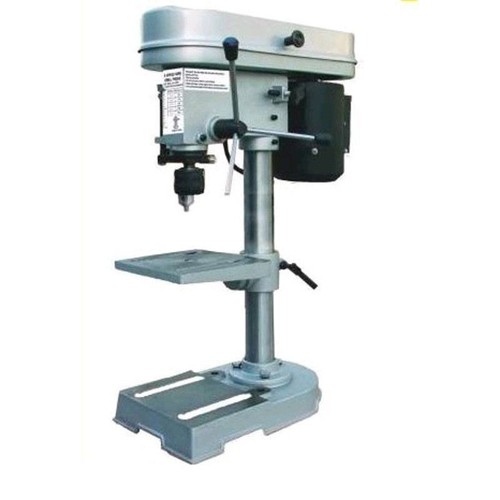
A non-obvious insight: The manual belt speed adjustment can be tricky for beginners. Always unplug the tool before opening the belt cover, and double-check the belt is seated properly. Loose belts are a common cause of poor drilling performance and vibration.
Credit: www.frasermunro.co.nz
Warranty And Customer Support
Warranty often gets overlooked, but it’s a big deal if something goes wrong. Ryobi’s 3-year limited warranty is much better than Skil’s 1-year warranty. Ryobi also has a large service network in North America, which makes repairs easier.
Skil’s warranty is shorter, but the company is known for good customer service. If you have a problem, they usually respond quickly. Still, a longer warranty means lower risk for you, especially if you plan to keep the tool for years.
Price And Value For Money
Both Ryobi and Skil drill presses are aimed at the budget-conscious buyer. Ryobi is usually $20–$30 cheaper, but you get a smaller, lighter tool. Skil costs a little more but offers better build and more stability.
If you want the absolute lowest price and will only use the drill press for small DIY tasks, Ryobi is an excellent value. If you want a tool that feels more professional and can handle tougher jobs, Skil is worth the extra money.

Credit: www.bedwettingtherapy.com
Common Buyer Mistakes
- Ignoring Weight and Stability: Many buyers focus on motor power but ignore tool weight. Lighter presses are easier to move, but they vibrate more.
- Overestimating Motor Needs: For most wood and plastic jobs, even a small motor is enough. Only go bigger if you plan to drill thick steel often.
- Not Checking Table Flatness: Both brands sometimes ship with a slightly uneven table. Use a straightedge to check, and sand lightly if needed.
- Skipping the Warranty: Make sure to register your tool to activate the warranty. Keep your receipt—brands may ask for it if you need service.
- Using Wrong Bits or Speeds: Both presses use standard 1/2-inch chucks, but always match the bit type and speed to your material for best results.
When To Choose Ryobi
- Tight budget
- Light to medium woodwork
- Small home workshop
- Need a longer warranty
- Prefer a lighter, portable tool
Ryobi is a smart choice for casual users who want a dependable tool without spending much. It’s especially good for woodworking, crafts, and occasional light metalwork.
When To Choose Skil
- Heavier or frequent use
- More metal drilling
- Larger workpieces
- Want a more solid, stable tool
- Don’t mind a shorter warranty
Skil makes sense if you want a tool that feels more robust and can handle harder jobs. The extra weight and power help with accuracy and reduce vibration. It’s a better choice if you plan to use your drill press every week.
Expert Tips For Getting The Best Results
- Bolt Your Drill Press Down: Both Ryobi and Skil benefit from being bolted to a sturdy bench. This reduces vibration and improves accuracy.
- Use the Right Drill Bits: For metal, use high-speed steel or cobalt bits. For wood, brad point bits give the cleanest holes.
- Start with a Center Punch: Mark your hole with a center punch before drilling. This prevents the bit from wandering, especially with metal.
- Adjust the Table Height for Leverage: Set the table so your arm can press straight down. This gives you more control and less fatigue.
- Keep the Chuck Clean: Dust and chips can build up in the chuck. Clean it regularly for smoother operation.
Who Should Avoid Both Brands?
If you need industrial-level power or will drill large holes in steel every day, neither Ryobi nor Skil is the best choice. Look for heavy-duty brands like Delta, Jet, or WEN, which cost more but are built for constant use.
Alternatives Worth Considering
If you want to explore other brands, WEN makes several affordable drill presses with similar features but sometimes better build quality. Delta and Jet are more expensive but offer industrial performance.
For more on drill press basics and safe operation, see this Wikipedia article on drill presses.

Credit: www.routerforums.com
Frequently Asked Questions
Is A Ryobi Or Skil Drill Press Better For Beginners?
Both are beginner-friendly, but Ryobi is slightly easier to set up and lighter to move. If you want a tool for simple projects and don’t have much space, Ryobi is a great start. Skil is better if you need more stability.
Can I Use A Ryobi Or Skil Drill Press For Metalworking?
Yes, but with limits. Both can drill thin steel or aluminum, but Skil is better for harder metals due to its stronger motor and heavier frame. Always use the correct drill bits and slow speeds for metal.
How Important Is The Laser Guide?
The laser guide is helpful for lining up holes, but it is not always perfectly accurate. Use it as a starting point, but always double-check your mark with the drill bit itself before drilling.
What Maintenance Do These Drill Presses Need?
Both require basic care: keep the chuck clean, oil moving parts if needed, and check that the belts are tight. Unplug the tool when changing bits or making adjustments for safety.
Are Accessories Like Clamps Or Vises Needed?
For best results, use a clamp or drill press vise to hold your workpiece steady. This improves accuracy and safety, especially with metal or small parts.
—
Choosing between Ryobi vs Skil drill press comes down to your budget, the materials you use, and how often you’ll use the tool. Both offer solid value and good features for home workshops. Take a close look at your needs, and you’ll find the right fit for years of reliable drilling.