Choosing the right power drill is not always easy, especially when you’re comparing two of the most popular brands: Craftsman and Ryobi. Both have a strong reputation in the world of tools, but they serve different types of users and situations. If you’re planning to buy your first drill, or you want to upgrade, it’s easy to feel confused by all the options, features, and technical terms. But by looking closely at what each brand offers, you can make a smart decision that saves you time, money, and trouble.
Whether you’re a homeowner who likes to do projects on the weekend, or a professional who uses power tools every day, knowing the differences between Craftsman and Ryobi drills is important. This guide will break down the details in simple English, give you real examples, and point out things that many buyers overlook.
By the end, you’ll have a clear picture of which drill fits your needs best.
Brand Backgrounds And Reputation
Understanding the history and reputation of Craftsman and Ryobi helps you see why each brand makes the choices they do.
Craftsman is an American brand that started in 1927. It was first sold by Sears, and for many years, it was known as a trusted name for reliable hand and power tools. People often think of Craftsman as a brand for homeowners who want strong, long-lasting tools. In recent years, Craftsman became part of Stanley Black & Decker, a company with a big reputation for quality.
Ryobi began in Japan in 1943. It’s now part of Techtronic Industries, the same company behind other famous brands like Milwaukee and Hoover. Ryobi focuses on making affordable, easy-to-use tools for home use and light professional work. Their products are often available in big stores like Home Depot, which makes them easy to find.
Both brands have won awards and have millions of loyal users. Craftsman has a reputation for solid build and good warranties, while Ryobi is known for value, innovation, and a wide range of tools that share the same battery system.
Product Range And Drill Types
Both Craftsman and Ryobi offer many types of drills, but their main focus and product lineups are a bit different.
Craftsman Drill Types
- Cordless drill/drivers: These are the most common. They handle basic drilling and screwdriving.
- Hammer drills: Used for harder materials like concrete and brick.
- Impact drivers: Deliver more torque for tough screws and bolts.
- Corded drills: Less common now, but still available for heavy-duty use.
Craftsman’s current cordless drill line uses the V20 battery system, which is newer and more powerful than their old 19.2V models.
Ryobi Drill Types
- Cordless drill/drivers: The main product for most users.
- Hammer drills: For drilling into concrete or stone.
- Impact drivers: Good for jobs that need high torque.
- Right-angle drills: Useful in tight spaces.
- Brushless drills: Offer longer life and more efficiency.
Ryobi’s cordless drills use the ONE+ 18V battery system. This system works with over 260 tools, which is one of Ryobi’s biggest selling points.
Non-obvious Insights
- Ryobi’s battery system is backward compatible. Even old Ryobi ONE+ batteries can work with new tools, which is rare in the industry.
- Craftsman’s V20 system is newer, so older Craftsman batteries and tools may not fit together. This can surprise buyers who want to use batteries from older models.
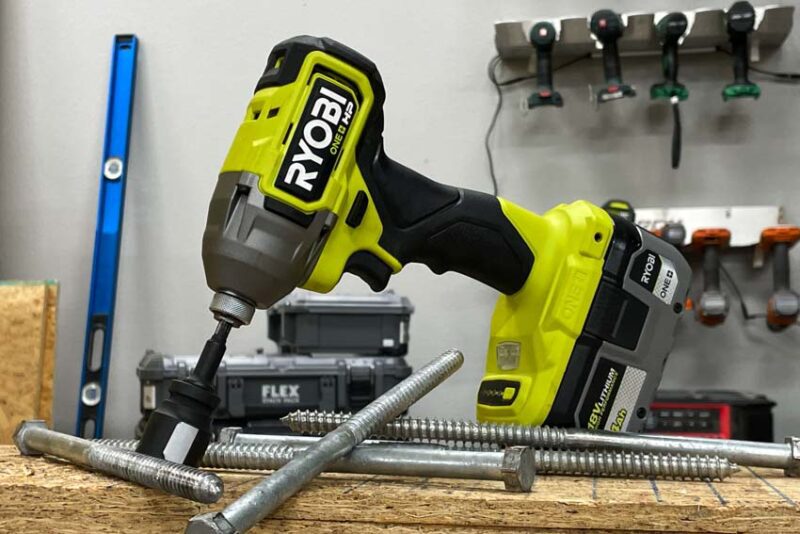
Credit: www.protoolreviews.com
Features And Performance
When you buy a drill, it’s not just about power. Other features can make a big difference in how easy and safe the tool is to use.
Power And Speed
Craftsman drills often have motors in the 280–350 unit watt out range, with speeds up to 1,800 RPM (rotations per minute) for their top models.
Ryobi drills usually offer up to 600 in-lbs (inch-pounds) of torque and speeds up to 1,750 RPM. Their brushless models are often more powerful and efficient.
Battery Life
Both brands use lithium-ion batteries, which are lighter and last longer than old nickel-cadmium batteries.
- Ryobi’s 18V batteries come in sizes from 1.5Ah up to 9Ah. Higher amp-hours (Ah) mean more run time.
- Craftsman’s V20 batteries are available from 2.0Ah to 6.0Ah.
You’ll get about 1–2 hours of continuous work from an average battery, depending on the job.
Other Useful Features
- LED work lights: Both brands include these in most cordless drills. They help when you work in dark places.
- Keyless chucks: You don’t need tools to change drill bits.
- Multiple speed settings: Useful for different materials.
- Ergonomic grips: Both brands try to make their handles comfortable, but Ryobi’s are often a bit softer.
Not-so-obvious Feature
Many Ryobi drills have a magnetic bit holder on the base. This small feature is very handy but easy to miss when you’re comparing tools in a store.
Price And Value
Cost is a big factor for most buyers. Both brands aim to offer good value, but they do it in different ways.
Ryobi Price Range
Ryobi is known for being budget-friendly. A typical Ryobi cordless drill/driver kit (with battery and charger) costs $60–$100. Brushless or hammer models may cost $120–$180.
Craftsman Price Range
Craftsman drills are often a bit more expensive for similar power. A Craftsman V20 cordless drill/driver kit is usually $80–$120. More advanced models, like hammer drills, can cost $140–$200.
Value For Money
Ryobi often wins for first-time buyers because you get a lot for your money, especially if you plan to buy other ONE+ tools. Craftsman may cost more, but many users feel the build quality and warranty justify the price.
What Most People Miss
It’s easy to compare just the drill price, but battery and charger costs matter. Some kits include both, but “bare tool” models do not. Replacing or adding batteries can cost $40–$100 each.
Durability And Build Quality
A drill is an investment. You want it to last for years, not break after a few jobs.
Craftsman Durability
Craftsman’s reputation is built on solid construction. Their newer V20 drills use high-impact plastic and steel gears for longer life. Many users say Craftsman drills survive drops and tough work better than cheaper brands.
Ryobi Durability
Ryobi tools are made with strong plastic housings. They’re designed for home use, but many people use them on job sites, too. However, Ryobi’s entry-level models may not last as long under heavy, daily use as Craftsman’s.
Practical Example
If you drop a drill off a ladder, a Craftsman may survive with just a scratch, while a Ryobi might crack or stop working. This isn’t always true, but it’s a common experience shared in user reviews.
Warranty And Customer Support
Warranties show how much a company trusts its products, and they can save you money if something goes wrong.
Craftsman Warranty
Craftsman offers a 3-year limited warranty on most power tools. Some hand tools have a lifetime warranty, but that does not include power drills.
Ryobi Warranty
Ryobi provides a 3-year limited warranty for most cordless drills. They also have a 90-day satisfaction guarantee through some stores, letting you return the tool if you’re not happy.
Customer Service
Both brands have online support and phone help. Craftsman has more service centers, especially since it is now owned by Stanley Black & Decker.
Overlooked Detail
Registering your tool on the company website can make warranty claims much easier. Many users forget this step, which can lead to headaches later.
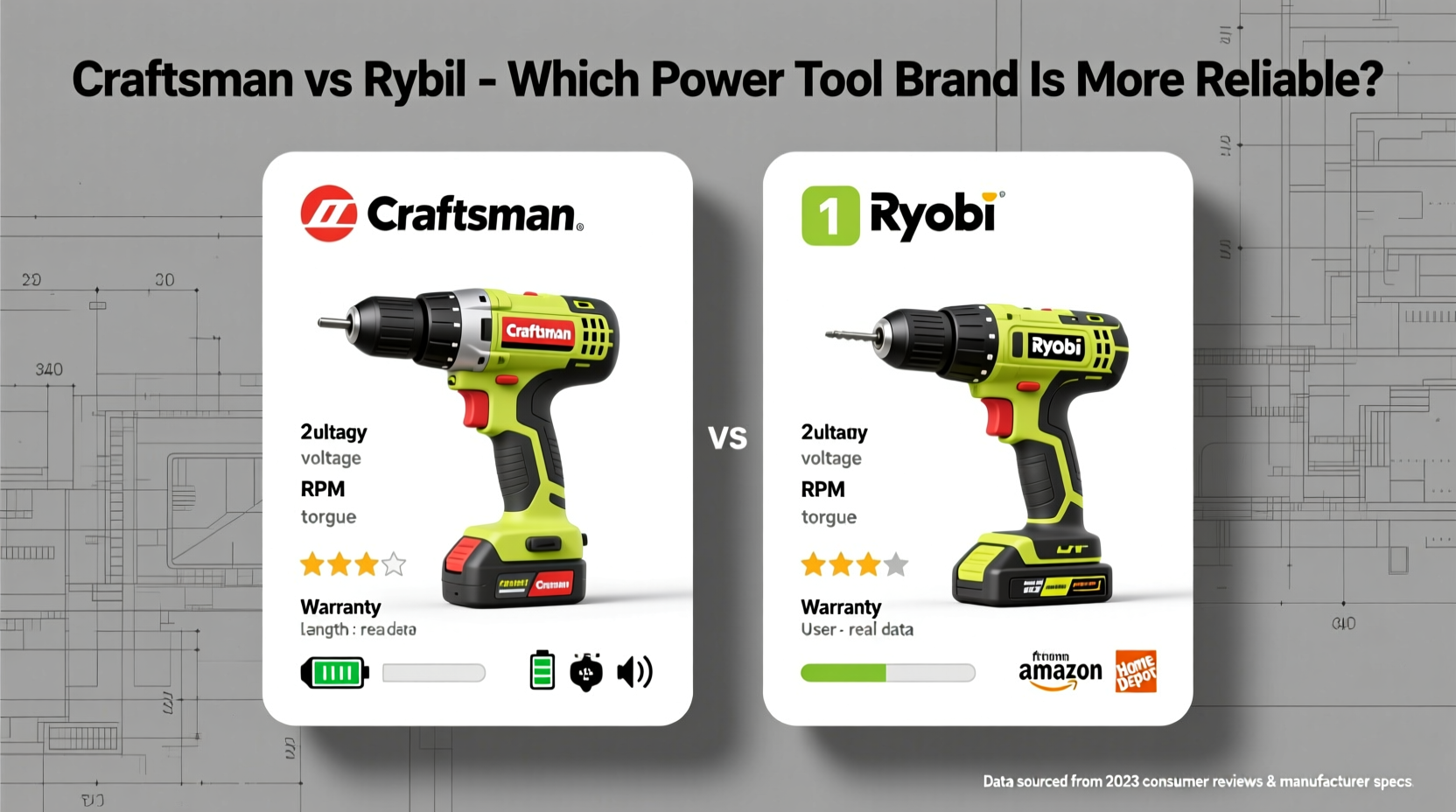
Credit: www.alibaba.com
Accessories And Battery Ecosystem
A drill is just one part of your tool kit. The battery system and available accessories can make a big difference.
Ryobi One+ System
- Over 260 compatible tools (drills, saws, blowers, vacuums, etc.)
- ONE+ batteries fit all ONE+ tools, no matter when you bought them.
- Many cheap “bare tool” options for users who already have batteries.
Craftsman V20 System
- About 100 compatible tools (drills, saws, sanders, outdoor tools)
- V20 batteries only work with V20 tools (not with older 19.2V Craftsman tools).
- Good range, but not as wide as Ryobi’s.
Accessories
Both brands offer:
- Drill bit sets
- Extra batteries and chargers
- Tool bags and cases
- Specialty attachments (right-angle, flexible shafts)
Key Insight
If you plan to add more power tools in the future, Ryobi’s system is hard to beat for flexibility and cost. Craftsman is catching up, but its ecosystem is not as big yet.
Real-world User Experience
How do these drills feel in real work situations? Let’s break it down by type of user.
Homeowners And Diyers
Most DIYers find Ryobi drills lighter, easier to handle, and simple to use. The lower price makes them less stressful for occasional work. The magnetic bit holder and bright green color help you spot them in a messy garage.
Craftsman drills are a bit heavier, but they feel sturdier. Many users say they inspire more confidence for big projects, like building decks or drilling into brick.
Professionals
Pros often choose Craftsman for small job site tasks or as a backup tool. It’s not as tough as Milwaukee or DeWalt, but it’s reliable. Ryobi is less common among contractors, except for light-duty tasks or where losing a tool won’t hurt the budget.
Case Study
A homeowner named Lisa bought a Ryobi drill and used it for seven years for everything from furniture assembly to fence repair. She liked the price and the battery’s long life. When she started bigger home projects, she switched to Craftsman for more power and better feel in her hand.
Comparing Popular Models
To make things clearer, let’s compare two popular models head to head.
| Feature | Craftsman V20 CMCD700C1 | Ryobi P215K1 ONE+ |
|---|---|---|
| Power | 280 UWO | 350 in-lbs |
| Speed | 0-350/0-1,500 RPM | 0-500/0-1,750 RPM |
| Battery | 20V 1.3Ah Li-ion | 18V 1.5Ah Li-ion |
| Weight | 3.5 lbs | 2.6 lbs |
| Warranty | 3 years | 3 years |
| Price (kit) | $80–$100 | $70–$90 |
What The Table Shows
- Craftsman’s drill is heavier and a bit slower, but often feels sturdier.
- Ryobi is lighter, a bit faster, and usually costs less.
Pros And Cons
Let’s sum up the main strengths and weaknesses of each brand.
Craftsman Pros
- Solid build quality
- Good for medium-duty and some heavy-duty jobs
- Trusted brand with long history
- Decent battery life
- 3-year warranty
Craftsman Cons
- Slightly more expensive than Ryobi
- V20 system is not compatible with older Craftsman tools
- Not as many tools in the battery ecosystem
Ryobi Pros
- Excellent value for money
- Lightweight and easy to use
- Huge range of compatible tools (ONE+)
- Backward-compatible batteries
- Available in most hardware stores
Ryobi Cons
- Some models feel less solid for heavy work
- Not aimed at full-time professionals
- Entry-level models may wear out faster under tough use
When To Choose Each Brand
It’s not always about which brand is “better. ” It’s about which fits your needs.
Choose Ryobi if:
- You’re new to power tools or on a budget
- You want a light, easy drill for most home tasks
- You plan to buy other ONE+ tools and want to save money with shared batteries
Choose Craftsman if:
- You want something sturdier for bigger projects
- You care about long-term durability
- You already own other V20 tools
- You value a longer brand history and wider service network
Uncommon Buying Mistakes To Avoid
- Ignoring battery compatibility: Not all batteries fit all tools, especially with Craftsman’s old and new systems.
- Buying “bare tool” by accident: Many online deals are for the tool only—no battery or charger. Check what’s included.
- Not registering for warranty: Forgetting this step can make claims difficult.
- Overestimating needs: Many people buy the most powerful (and expensive) drill, then only use it for light tasks.
- Not checking for sales or bundles: Stores often bundle drills with extra batteries or bit sets at a lower price.
Side-by-side Comparison: Craftsman V20 Vs Ryobi One+ Ecosystem
Here’s another look at how the two brands compare across key categories.
| Category | Craftsman V20 | Ryobi ONE+ |
|---|---|---|
| Battery Voltage | 20V | 18V |
| Tools in Ecosystem | ~100 | 260+ |
| Warranty | 3 Years | 3 Years |
| Average Price (Drill Kit) | $80–$120 | $60–$100 |
| Batteries Included | Usually 1 | Usually 1 |
| Weight (Drill) | Heavier (3–4 lbs) | Lighter (2.5–3 lbs) |
Which Brand Wins For Specific Tasks?
- Light home repairs: Ryobi is easier, lighter, and cheaper.
- Building furniture or shelves: Both work well, but Craftsman may feel sturdier.
- Drilling into masonry or concrete: Craftsman’s hammer drills usually perform better.
- Frequent tool changes and upgrades: Ryobi’s ONE+ system is more flexible and cost-effective.
- Heavy daily use: Craftsman handles more abuse, but professionals may still want brands like DeWalt or Milwaukee.

Credit: www.youtube.com
Environmental And Sustainability Factors
Both brands now use lithium-ion batteries, which are better for the environment than older batteries, but still need special recycling. Ryobi’s wide tool compatibility means fewer batteries end up in landfills, because users can keep using their old batteries for many years.
Craftsman and Ryobi both have recycling programs. Check your local hardware store or their websites for drop-off locations.
Where To Buy And Availability
Ryobi tools are mostly sold at Home Depot in the US, but you can find them online at Amazon and other retailers.
Craftsman tools are available at Lowe’s, Ace Hardware, and some online stores. You may find different prices or bundles, so it’s smart to shop around.
Both brands have strong online communities and support pages with troubleshooting guides, user tips, and how-to videos.
For more official details and in-depth specs, the Ryobi Tools official website offers up-to-date information.
Final Thoughts
Choosing between Craftsman and Ryobi drills comes down to your needs and future plans. Ryobi is a smart pick for most homeowners, people who want to save money, or anyone looking to build a flexible tool collection over time. Craftsman is a better choice if you want a sturdier feel, expect to do tougher jobs, or already own other Craftsman tools.
Both brands offer good warranties, modern features, and strong value. Focus on the tasks you’ll actually do, the battery system you want, and how much you plan to grow your tool collection. That way, you’ll be happy with your choice for years to come.
Frequently Asked Questions
What Is The Main Difference Between Craftsman And Ryobi Drills?
The biggest difference is that Craftsman drills are sturdier and better for heavy work, while Ryobi drills are lighter and more affordable, with a larger range of compatible tools.
Can Ryobi And Craftsman Batteries Be Used Interchangeably?
No. Ryobi ONE+ batteries only fit Ryobi tools, and Craftsman V20 batteries only fit Craftsman V20 tools. Always check compatibility before buying.
Which Brand Is Better For Beginners?
Ryobi is usually better for beginners because of its lower price, lighter weight, and simple design. It’s easy to start with Ryobi and add more tools later.
Do Both Brands Offer Brushless Drills?
Yes. Both Craftsman and Ryobi offer brushless drill models, which last longer and are more efficient, but they usually cost more than standard models.
Where Can I Get Support Or Repairs For These Drills?
You can get support through the store where you bought the tool, on each brand’s official website, or at authorized service centers. Registering your tool online helps with warranty claims.